Ampicillin (Acillin) — Patient-Friendly Guide
Ampicillin, commonly known by the brand name Acillin in some markets, is an antibiotic used to treat certain bacterial infections. This guide explains how ampicillin works, when it’s typically used, how it’s taken, important safety information, and what to consider regarding food, alcohol, drug interactions, and availability in Australia.
Always use antibiotics responsibly. If you’re unsure whether your symptoms are caused by bacteria, or whether ampicillin is the right medicine for your condition, speak with a qualified health professional.
Basic Product Information
| Medicine | Brand examples | Type | Common form* |
|---|---|---|---|
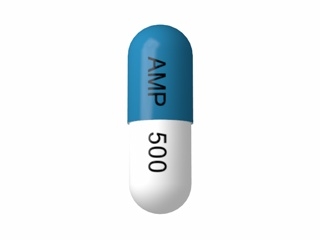
| Ampicillin | Acillin (brand varies) | Antibiotic (penicillin-class, beta-lactam) | Tablets/capsules or oral suspension (depending on local supply) |
*Form and strength vary by supplier and availability. Your pharmacy label will specify the exact strength.
- Therapeutic class: Penicillin antibiotic
- Target: Certain bacteria (not viruses)
- Typical use: Urinary tract infections, some respiratory and skin infections, and other infections where the organism is susceptible
How Ampicillin Works (Mechanism of Action)
Ampicillin belongs to the penicillin group of antibiotics. It works by interfering with how bacteria build and repair their cell walls. Specifically, ampicillin binds to penicillin-binding proteins (PBPs) that bacteria use to create a strong cell wall structure. When the cell wall is weakened, the bacteria may die—especially during active growth.
Ampicillin is considered a bactericidal antibiotic, meaning it can kill susceptible bacteria rather than only slowing them down.
Pharmacokinetics (Absorption, Distribution, and Elimination)
Pharmacokinetics describes what the body does to the medicine—how it’s absorbed, how it spreads through the body, and how it’s removed.
Absorption
- Ampicillin is generally absorbed after oral administration, but the amount absorbed can vary.
- Food can affect absorption for some people; individual product instructions and prescriber advice matter.
Distribution
- Ampicillin distributes into body tissues and fluids in a way that can be relevant for infections in susceptible sites.
- Penicillin-class antibiotics can reach certain sites depending on inflammation and the specific infection.
Metabolism and elimination
- Ampicillin is eliminated primarily by the kidneys.
- People with reduced kidney function may need dose adjustment to reduce the risk of side effects.
Typical Uses and Indications
Ampicillin is used for infections caused by susceptible bacteria. The exact indication depends on local guidelines, culture results (if available), and clinical judgement.
Common clinical scenarios where ampicillin may be considered:
- Some urinary tract infections (UTIs) due to susceptible organisms
- Some respiratory tract infections when bacteria are known or likely to be susceptible
- Skin and soft tissue infections caused by susceptible bacteria
- Other bacterial infections where a clinician determines ampicillin is appropriate
Note: Many modern guidelines prefer other antibiotics when resistance patterns make them more reliable. Ampicillin is not effective against all bacteria, and some common bacteria produce resistance mechanisms.
Before You Start: Practical Considerations
- Allergy history: Tell your clinician/pharmacist if you have had an allergic reaction to penicillins or other beta-lactam antibiotics.
- Past antibiotic reactions: If you previously experienced severe diarrhoea after antibiotics, mention this.
- Kidney health: Share any history of kidney impairment.
- Concomitant medicines: Provide a list of all medicines, vitamins, herbal products, and supplements you take.
Dosing: How Ampicillin Is Usually Taken
Dosing can vary based on the infection type, severity, age, weight, and kidney function. Always follow the dosing instructions on your medicine label. If you are unsure, ask your pharmacist.
General dosing principles:
- Ampicillin is often taken multiple times per day to maintain effective antibiotic levels.
- Courses are usually taken for a set number of days depending on the infection.
- If symptoms improve, you should still complete the course unless advised otherwise.
Typical timing example (illustrative): Some regimens involve dosing every 4–6 hours, or sometimes less frequently depending on formulation and indication. Your specific schedule may differ—use your label instructions rather than a general schedule.
Missed dose
- Take it as soon as you remember.
- If it’s nearly time for the next dose, skip the missed dose.
- Do not double the dose.
Missed several doses
- If you’ve missed multiple doses, seek advice from a pharmacist or clinician for the safest next step.
Timing: When to Take Ampicillin
Ampicillin is best taken at evenly spaced times to help maintain therapeutic levels. Many people find it easier to:
- Use a daily routine (for example, dosing aligned with meals and bedtime—if compatible with food advice).
- Set phone reminders for each dose.
- Finish the full treatment course even if you feel better earlier.
If your pharmacy label specifies “take on an empty stomach” or “take with food”, follow that instruction. Different formulations can have different recommendations.
Food Interactions (Can You Take Ampicillin With Meals?)
Food can influence absorption for some antibiotics. For ampicillin, eating may affect how much medicine gets into your bloodstream. Therefore, the label or prescriber advice should guide you.
General guidance:
- If your label says take with food, take it with a meal or snack to improve tolerance.
- If your label says take on an empty stomach, take it before meals or at least about 1 hour before food (exact timing depends on your product guidance).
- Keep your approach consistent during the course.
If you experience nausea or stomach upset, speak with your pharmacist about whether taking with food is appropriate for your specific product.
Alcohol Interactions
Ampicillin is not commonly known for a direct “disulfiram-like” reaction with alcohol (unlike some other medicines). However, drinking alcohol during an infection and while taking antibiotics can:
- Worsen dehydration or stomach upset
- Reduce sleep quality and recovery
- Interfere with judgement about symptoms that require medical review
Practical recommendation: If possible, avoid alcohol while you are unwell and taking antibiotics. If you choose to drink, do so moderately and be mindful of how you feel. Seek advice if you have liver disease, severe illness, or are taking other interacting medications.
Medicine Interactions (Important Drug Interactions)
Ampicillin can interact with other medicines. The most relevant interactions include:
1) Other antibiotics
- Some antibiotic combinations may be less effective together (for example, certain bacteriostatic antibiotics may reduce the activity of bactericidal agents in some cases).
- Always let your pharmacist know all antibiotics you are using or have used recently.
2) Anticoagulants (blood thinners)
- Some penicillins can affect gut flora and may influence bleeding risk in people on warfarin or similar medicines.
- If you take warfarin, you may require closer monitoring (e.g., INR checks).
3) Methotrexate
- Ampicillin may increase methotrexate levels or toxicity risk by affecting elimination.
- This is particularly important in high-dose or long-term methotrexate therapy.
4) Probenecid
- Probenecid can reduce the excretion of penicillins, potentially increasing their levels and effects.
- Combination use should be clinician-directed.
5) Oral contraceptives
- With most antibiotics, contraceptive effectiveness is generally not significantly affected.
- However, if you have vomiting or severe diarrhoea, absorption may be reduced—consider using extra contraception during illness.
This is not a complete list. If you’re taking any regular medicines, discuss them with a pharmacist before starting.
Safety Profile: What to Watch For
Like all medicines, ampicillin can cause side effects. Most people tolerate antibiotics well, but some reactions can be serious. The key is to recognise symptoms early.
Common side effects
- Nausea
- Diarrhoea (mild to moderate)
- Stomach discomfort
- Skin rash
- Headache (less commonly)
Serious side effects (seek urgent medical help)
- Signs of an allergic reaction:
- swelling of the face/lips/throat
- trouble breathing or wheezing
- severe hives or widespread rash
- fainting or dizziness
- Severe or persistent diarrhoea, especially if watery or bloody, or with fever or abdominal cramps (possible antibiotic-associated colitis)
- Severe skin reactions (rare): blistering, peeling, sores in the mouth, or widespread rash with fever
When to contact a doctor promptly
- If fever persists beyond a reasonable time after starting treatment
- If symptoms worsen despite taking doses as directed
- If you develop a rash soon after starting the antibiotic
- If you have signs of dehydration due to vomiting or diarrhoea
Practical Use Tips for Patients
- Complete the course: Even if you feel better, finishing helps reduce relapse and resistance.
- Don’t share antibiotics: Another person’s infection may not respond, and dose requirements differ.
- Store properly: Keep according to the label instructions (temperature and moisture considerations apply, especially for suspensions).
- Use good hygiene during illness: Helps prevent spread and supports recovery.
- Track your progress: Note symptom changes (e.g., fever, pain, urinary symptoms). If no improvement occurs, contact a clinician.
How to take oral suspensions (if applicable)
- Shake the bottle well if your product requires it.
- Use the measuring device provided.
- Do not guess doses—accuracy matters.
- Check expiry after reconstitution if relevant to your product.
Alternative Options (Discuss With a Clinician/Pharmacist)
Alternatives depend on the infection, suspected bacteria, allergy status, and local resistance patterns. Some antibiotics may be preferred over ampicillin in certain situations.
Possible alternatives include:
- Other penicillins (based on the organism and susceptibility)
- Cephalosporins for some bacterial infections (if appropriate and if no relevant allergy)
- Macrolides (e.g., for specific respiratory infections when indicated)
- Doxycycline or other agents for certain atypical organisms (when clinically appropriate)
- Other targeted antibiotics guided by culture results when possible
The best alternative is highly individual. If you have previously experienced side effects or allergies, tell your pharmacist so they can help compare options safely.
Market and Legal Context for Australia
In Australia, medicines—including antibiotics—are regulated under the national medicines framework and must be supplied consistent with the Therapeutic Goods Administration (TGA) requirements and state/territory pharmacy rules. Antibiotics are generally subject to prescription and other supply restrictions to ensure safe use and appropriate indication.
Your online pharmacy listing may include additional information about eligibility checks, safety screening, and supply processes. These steps help ensure antibiotics are used for the right diagnosis and dose.
For the latest official guidance, Australians can refer to: Australian Government Department of Health resources on antibiotic stewardship and TGA information about regulated medicines.
Recent Guidance and Antibiotic Stewardship (What It Means for You)
Antibiotic stewardship aims to use antibiotics only when they are likely to help. Key themes in recent guidance worldwide (and reflected in Australian practice) include:
- Right antibiotic, right dose, right duration to minimise side effects and resistance.
- Testing where appropriate (e.g., urine or throat cultures) to target susceptible bacteria.
- Avoiding antibiotics for viral infections such as colds and most sore throats.
- Reviewing treatment if there is no clinical improvement after a set time.
If you are diagnosed with a bacterial infection, completing your course exactly as directed is a key part of stewardship.
Delivery, Availability, and Ordering in Australia
Availability of ampicillin/Acillin can vary depending on manufacturer supply, formulation, and strength. An online pharmacy may offer delivery to eligible locations within Australia.
What to expect when ordering:
- Stock checks: Your order may be confirmed after checking current availability.
- Formulation differences: Tablets, capsules, and suspensions may have different dosing schedules.
- Delivery timeframes: These depend on your delivery postcode, service level, and courier capacity.
- Packaging: Medicines are typically shipped in secure packaging to protect from damage.
If a product is temporarily unavailable, your pharmacy may contact you regarding alternatives or restocking timelines.
FAQ: Ampicillin (Acillin)
1) Is ampicillin effective for colds or flu?
No. Colds and flu are usually caused by viruses. Ampicillin treats bacterial infections only. If your symptoms suggest a viral illness, antibiotics will not help.
2) How quickly should I feel better after starting ampicillin?
Some improvement is often seen within 24–48 hours for susceptible infections, but this varies by infection type and severity. If you don’t feel any improvement or you worsen, contact your healthcare professional.
3) What if I miss a dose?
Take it as soon as you remember, unless it’s nearly time for the next dose. Don’t double up. If multiple doses are missed, seek advice from your pharmacist.
4) Can I take ampicillin with food?
It depends on the specific product instructions. Some people take it with meals to reduce stomach upset, while others are advised to take it on an empty stomach. Follow the directions on your label for best results.
5) Does ampicillin interact with birth control pills?
Antibiotics generally do not significantly reduce contraceptive effectiveness. However, vomiting or severe diarrhoea can reduce absorption of oral contraceptives. If this happens, consider using extra contraception and seek advice from a pharmacist.
6) Can I drink alcohol while taking ampicillin?
There is no common direct alcohol “reaction” with ampicillin, but alcohol can worsen dehydration and may increase stomach upset. For best recovery, avoid alcohol while you are unwell.
7) What should I do if I develop diarrhoea?
Mild diarrhoea can occur. Contact a healthcare professional if diarrhoea is severe, watery, persistent, or bloody, or if you develop fever or significant stomach cramps. These can be signs of a serious antibiotic-associated condition.
8) Who should not take ampicillin?
People with a known allergy to penicillins should avoid it unless a clinician has assessed the risk and provided a safe plan. If you have had serious allergic reactions to beta-lactam antibiotics, tell your pharmacist before starting.
9) Will ampicillin work if the infection is resistant?
If the infecting bacteria are resistant to ampicillin, it may not work as expected. That’s why clinical review and, when appropriate, tests can be important—especially if symptoms don’t improve.
10) Can children take ampicillin?
Ampicillin can be used in children when appropriate, but dosing must be weight- and age-specific. Use only the exact dose instructions provided by your clinician and confirm the schedule with a pharmacist.
Summary
Ampicillin (Acillin) is a penicillin-class antibiotic used for specific bacterial infections where the organism is susceptible. It works by disrupting bacterial cell wall formation, and it is eliminated mainly through the kidneys. Proper timing, completing the full course, and awareness of side effects and interactions are important for safe and effective use.
If you have questions about how to take your specific formulation, possible interactions with your current medicines, or what to do if side effects occur, speak with a pharmacist.