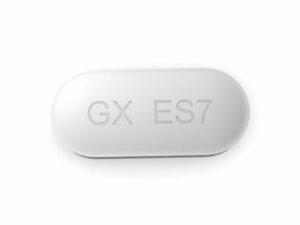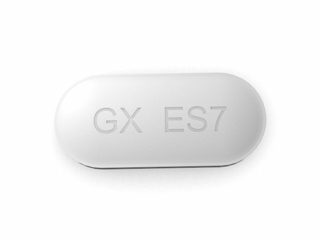


Ceftin (Cefuroxime) — Patient-Friendly Guide (Australia)
Ceftin is a brand of cefuroxime, a type of antibiotic medicine used to treat certain bacterial infections. This page explains how cefuroxime works, what it’s used for, how it’s taken, and important safety information for people in Australia.
Always follow the directions provided by your prescriber and the instructions on the medicine label. If you’re unsure about any aspect of use, ask a pharmacist.
Key Product Information
| Product name | Active ingredient | Antibiotic class | Common forms | Typical dosing frequency |
|---|---|---|---|---|
| Ceftin | Cefuroxime (various formulations) | Cefuroxime (cephalosporin) | Tablets (immediate-release and/or modified-release depending on brand/formulation), oral suspension (where available) | Often 2 times daily for many indications (varies by formulation and infection) |
What Ceftin is: an oral cephalosporin antibiotic. What it treats: bacterial infections susceptible to cefuroxime. What it doesn’t treat: viral illnesses such as common colds or flu.
How Ceftin Works (Mechanism of Action)
Cefuroxime is a beta-lactam antibiotic (a cephalosporin). It works by interfering with the bacteria’s ability to build and repair its cell wall.
- Cefuroxime binds to penicillin-binding proteins (PBPs) on susceptible bacteria.
- This blocks cell wall synthesis, leading to bacterial death (a bactericidal effect).
- Its effectiveness depends on the bacteria’s susceptibility and achieving appropriate concentrations over time.
Pharmacokinetics (Absorption, Distribution, Metabolism, Excretion)
After oral administration, cefuroxime’s absorption and levels in the body vary depending on the formulation and whether it’s taken with food.
- Absorption: generally well absorbed from the gastrointestinal tract. Modified-release forms are designed to release drug gradually.
- Food effects: certain cefuroxime formulations are better absorbed when taken with food (see “Food Interactions” below).
- Distribution: penetrates many body tissues and may reach therapeutic levels where infections occur.
- Metabolism: minimal metabolism (largely remains active as cefuroxime).
- Excretion: primarily through the kidneys. Dose adjustments may be needed in renal impairment.
Your pharmacist or prescriber may adjust dosing based on factors such as age, kidney function, infection severity, and the specific product strength/form.
Typical Uses in Practice
Ceftin is used to treat specific bacterial infections. The exact choice of antibiotic depends on suspected or confirmed bacteria, infection site, severity, local resistance patterns, and patient factors.
Common indications (examples)
- Respiratory tract infections such as certain forms of bronchitis or pneumonia (depending on cause and severity)
- Ear, nose, and throat (ENT) infections such as some cases of sinusitis or otitis media
- Skin and soft tissue infections that are appropriate for cefuroxime
- Urinary tract infections caused by susceptible organisms
- Some dental or related infections when cefuroxime is considered appropriate
Not all infections are suitable for cefuroxime, and not all bacteria are sensitive. If your condition is not improving as expected, medical advice is needed.
Timing and How to Take Ceftin
Taking Ceftin at the right times helps maintain effective antibiotic levels and improves treatment outcomes. Many courses are prescribed as two doses per day, but follow your product-specific instructions.
General timing tips
- Try to take doses at even intervals (for example, morning and evening).
- Take it for the full course unless your prescriber advises stopping.
- If you miss a dose, take it as soon as you remember unless it’s close to the next dose. Do not double up.
With or without food
- Some cefuroxime products are recommended to be taken with food to improve absorption and reduce stomach upset.
- Other formulations may have different instructions. Always follow the directions on your packaging.
If you’re using the oral suspension (where available), careful measuring and shaking are important for correct dosing. Ask your pharmacist for instructions specific to your product.
Food Interactions
Food can affect how cefuroxime is absorbed, which may influence effectiveness. Always check your product label for exact instructions.
- Improved absorption with food: many cephalosporins (including some cefuroxime formulations) are better absorbed when taken with meals.
- Stomach comfort: taking with food may reduce nausea or abdominal discomfort for some people.
- Consistency matters: take future doses in a similar way (with or without food) to keep absorption consistent.
If your doctor or pharmacist told you to take Ceftin with food, do so. If you were told otherwise, follow that advice.
Alcohol Interactions
In general, cefuroxime does not have the same “disulfiram-like” reaction that some older antibiotics can cause when alcohol is consumed. However, alcohol can worsen side effects such as dizziness, nausea, dehydration, and can impair recovery from illness.
- Recommendation: it’s generally best to avoid or limit alcohol while you’re unwell and taking antibiotics.
- Seek advice: if you experience unusual reactions (severe rash, vomiting, flushing, or marked dizziness), contact a healthcare professional.
If you have liver disease, take medications that affect the gastrointestinal tract, or have a history of severe alcohol intolerance, speak with a pharmacist for personalised guidance.
Medicine Interactions
Many medicines can interact in minor ways, but some combinations may affect absorption, kidney handling, or blood test results. Tell your pharmacist or prescriber about all medicines you take, including over-the-counter products, vitamins, and herbal supplements.
Common interaction themes
- Probenecid: may affect kidney excretion of cefuroxime, potentially increasing antibiotic levels.
- Warfarin or other blood thinners: antibiotics can sometimes increase bleeding risk by altering gut flora and affecting clotting balance. If you’re on an anticoagulant, your INR may need monitoring.
- Kidney function–related medicines: because cefuroxime is cleared via the kidneys, any treatment affecting renal function may require monitoring.
- Oral contraceptives: while evidence varies by antibiotic, severe diarrhoea/vomiting can reduce absorption of hormones. Use additional contraception if you have significant gastrointestinal symptoms.
Laboratory test considerations
- Cefuroxime may affect some lab tests (for example, certain urine sugar tests).
- Inform the clinician doing tests that you are taking Ceftin.
Dosing (General Information)
Dosing depends on the infection being treated, severity, age, kidney function, and the specific formulation (immediate-release vs modified-release). Your prescriber’s instructions are the most important guide.
Typical adult dosing patterns (overview)
- Many common indications in adults are treated with doses taken twice daily.
- The dose amount and course length vary (for example, short vs longer durations for more severe infections).
Paediatric dosing
Children’s doses are usually weight-based and depend on the formulation used. Accurate measurement is essential—use the dosing syringe provided if using suspension.
Renal impairment (kidney problems)
- If you have reduced kidney function, your prescriber may adjust dose or dosing interval.
- Seek medical advice if you’re unsure about your kidney health or have been told you have chronic kidney disease.
Missed dose
- Take it as soon as you remember.
- If it is near the time for the next dose, skip the missed dose and continue your regular schedule.
- Do not take extra doses to “catch up.”
Indications: When Cefuroxime May Be Considered
Cefuroxime is generally considered for infections where the likely bacteria are susceptible and where cephalosporins are appropriate. In Australia, antibiotic selection also considers local guidance and antimicrobial stewardship principles.
Your clinician may consider cefuroxime for infections such as:
- Ear, nose, and throat infections (for certain bacterial causes)
- Lower respiratory tract infections (in appropriate cases)
- Urinary tract infections due to susceptible organisms
- Skin and soft tissue infections
If cultures or tests are performed, antibiotic choice may be refined based on results.
Safety Profile and Side Effects
Like all medicines, Ceftin can cause side effects. Many people experience no serious problems, but it’s important to know what to watch for.
Common side effects
- Nausea
- Diarrhoea (mild, transient)
- Abdominal discomfort
- Headache
- Skin rash (sometimes mild)
Serious side effects — get urgent medical help
- Allergic reaction (e.g., swelling of face/lips, wheezing, severe rash, or trouble breathing). Cephalosporins can rarely cause anaphylaxis.
- Severe or persistent diarrhoea, especially with fever, blood, or mucus—this can indicate antibiotic-associated colitis.
- Blistering or peeling skin, or widespread rash with fever (rare but serious skin reactions).
- Unusual bruising or bleeding or severe weakness (seek advice promptly).
Who should be extra cautious
- People with a history of allergy to cephalosporins or other beta-lactam antibiotics.
- People with a history of serious reactions to penicillin/cephalosporins (tell your pharmacist).
- Those with kidney disease or reduced renal function.
- People with a history of inflammatory bowel disease or previous antibiotic-associated diarrhoea/colitis.
Practical Use Tips (How to Get the Best Results)
- Start on time: begin the course when you receive the medicine if that’s what your prescriber instructed.
- Don’t stop early: even if you feel better, completing the course (as directed) helps reduce relapse risk.
- Maintain hydration: drink fluids as tolerated, especially if you have diarrhoea.
- Track symptoms: note if fever, pain, or discharge worsens or doesn’t improve after a couple of days.
- Oral suspension care: shake well (if required), measure accurately, and follow any “with food” instructions.
- Storage: store as directed on the pack (temperature, light protection, and container type).
- Report suspected allergy: if you develop rash, hives, or breathing problems, stop and seek medical advice urgently.
Alternative Options
“Best” alternative antibiotics depend on the infection type, likely bacteria, antibiotic susceptibility, patient allergies, kidney function, and local antimicrobial resistance patterns.
Possible antibiotic alternatives (examples)
- Other cephalosporins (depending on infection site and sensitivity)
- Penicillin-class antibiotics (if appropriate and if you’re not allergic)
- Macrolides or other antibiotic classes for selected infections (when cephalosporins aren’t suitable)
- Targeted treatment based on culture results, if available
Non-antibiotic approaches (such as supportive care) may be appropriate for viral illnesses or mild cases—this should be guided by a clinician. If you need an alternative, discuss options with a pharmacist or prescriber.
Market and Legal Context in Australia
In Australia, antibiotic medicines are regulated under the national medicines framework and are supplied according to their legal classification. Many antibiotic products require appropriate clinical assessment before being supplied, and pharmacists play an important role in ensuring safe and appropriate use.
Antimicrobial stewardship is strongly emphasised across healthcare to reduce antibiotic resistance. This means antibiotics are used when they are likely to be beneficial and not used for viral infections.
Availability and specific pack sizes/formulations may vary by supplier. Always check the product listing for the strength and formulation you are purchasing.
Recent Guidance and Stewardship Principles (Australia)
Current clinical practice in Australia generally supports the following antibiotic safety principles:
- Use antibiotics only when indicated for suspected or confirmed bacterial infections.
- Select the narrowest effective therapy when possible.
- Review response early: if symptoms aren’t improving, seek advice rather than continuing indefinitely.
- Minimise unnecessary antibiotic exposure to reduce side effects and resistance.
Your pharmacist can help answer questions about whether an antibiotic is still appropriate for your situation and help with adherence and side effect management.
Delivery and Availability (Online Pharmacy)
Availability of Ceftin may vary depending on stock and the specific formulation/strength. When ordering online in Australia, you can typically expect:
- Standard and express delivery options (subject to location)
- Discrete packaging
- Tracking updates where provided
- Cold chain needs: generally not required for cefuroxime tablets, but always follow storage instructions on the pack
If you need an urgent medicine and your order is time-sensitive, check the dispatch and delivery estimates shown at checkout.
FAQ — Ceftin (Cefuroxime)
1) What is Ceftin used for?
Ceftin (cefuroxime) is used for bacterial infections where cefuroxime is appropriate and the bacteria are susceptible. It’s not effective against viral infections like colds or flu.
2) How quickly should I feel better?
Many people notice some improvement within 48 to 72 hours, depending on the infection and severity. If symptoms are worsening or not improving, contact a healthcare professional for review.
3) Can I take Ceftin with food?
Often it’s recommended to take certain cefuroxime formulations with food to improve absorption and reduce stomach upset. Check your product label for the exact instructions for your formulation.
4) What if I miss a dose?
Take it as soon as you remember unless it’s close to the next dose. Don’t take double doses to make up for a missed one.
5) Can I drink alcohol while taking Ceftin?
There isn’t a universally recognised disulfiram-like interaction for cefuroxime, but alcohol can worsen side effects and slow recovery. It’s usually best to avoid or limit alcohol while you’re unwell.
6) What side effects are expected?
Common side effects include nausea, mild diarrhoea, abdominal discomfort, and headache. Seek urgent help for allergic reactions or severe diarrhoea (especially with fever or blood).
7) Is Ceftin safe if I have kidney problems?
It may be safe, but dosing often needs adjustment in renal impairment because cefuroxime is cleared by the kidneys. Always tell your clinician or pharmacist about kidney disease.
8) Can cefuroxime interact with warfarin?
Antibiotics can sometimes affect bleeding risk with blood thinners like warfarin. If you take anticoagulants, you may need additional monitoring.
9) Will Ceftin treat my sinus infection / ear infection?
It may, if the cause is bacterial and cefuroxime is appropriate for that situation. Ear and sinus symptoms can also be viral or inflammatory, so it’s important to follow clinician guidance.
10) What should I do if I develop a rash?
Mild rashes can occur, but a rash with itching, hives, swelling, or breathing difficulties could indicate allergy. Stop and seek urgent medical advice if you suspect an allergic reaction.
11) Are probiotics helpful?
Some people use probiotics to reduce antibiotic-associated diarrhoea. Evidence varies, and probiotics are not a substitute for medical advice. If you want to use them, ask your pharmacist for guidance, especially if you are immunocompromised.
12) How should I store Ceftin?
Store tablets and suspensions as directed on the pack (temperature and protection from moisture/light). If using suspension, check whether refrigeration is required and shake well if instructed.
When to Seek Further Medical Advice
Contact a healthcare professional promptly if you experience:
- Signs of allergy (hives, facial swelling, wheezing, trouble breathing)
- Severe or persistent diarrhoea, especially with fever or blood
- Symptoms that worsen or fail to improve after a few days
- Unusual bruising, severe weakness, or other concerning symptoms
This information is provided to help you understand Ceftin (cefuroxime). It doesn’t replace personalised medical advice. For questions about your specific infection, dosing schedule, or side effects, speak with a pharmacist or clinician.