
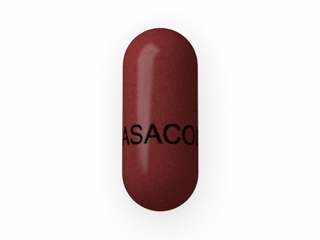

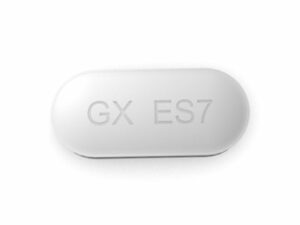
Asacol (Mesalamine) – Patient Information (Australia)
Asacol (mesalamine) is an anti-inflammatory medicine used to treat and help prevent symptoms of certain bowel conditions, especially inflammatory bowel disease (IBD) affecting the colon. This page explains how Asacol works, how it is taken, common precautions, and practical tips for safe use.
| Product | Asacol (Mesalamine) |
|---|---|
| Medicine type | Aminosalicylate / anti-inflammatory (intestinal) |
| What it helps with | Ulcerative colitis (UC) and other colonic inflammatory conditions |
| How it works | Targets inflammation in the lining of the bowel |
| Common dosage forms | Modified-release tablets (formulation may vary by brand/strength) |
| Where in the body it acts | Colon (after release from the tablet coating) |
Basic product information
Mesalamine (also called 5-aminosalicylic acid / 5-ASA) is an anti-inflammatory medicine designed to act locally in the bowel. Asacol is formulated as a modified-release product, which helps deliver mesalamine to the colon where it is needed.
Different Asacol strengths and formulations may exist. Always check the packaging and follow the dosing directions provided with your specific product.
How Asacol works (mechanism of action)
Asacol helps reduce inflammation in the bowel wall. While the exact pathway is complex, mesalamine acts mainly by:
- Reducing inflammatory signalling in the intestinal lining.
- Helping limit the release of inflammatory substances involved in ulcerative colitis.
- Supporting the local healing environment by decreasing immune-driven irritation in the colon.
Because mesalamine works locally, it is intended to minimise whole-body effects compared with some other anti-inflammatory medicines.
Pharmacokinetics (how the body handles mesalamine)
Pharmacokinetics refers to absorption, distribution, metabolism, and elimination. With oral mesalamine, key points include:
- Modified-release delivery: Asacol tablets are designed so the medicine is released progressively in the bowel, aiming for local action in the colon.
- Limited systemic absorption: Only a small portion is absorbed into the bloodstream.
- Metabolism: Mesalamine is largely metabolised in the bowel wall and liver.
- Excretion: Metabolites are mainly eliminated via the kidneys and bile.
Why this matters: kidney function monitoring is often considered in long-term therapy, because mesalamine and related compounds are eliminated through the urinary system.
Typical uses in Australia
Asacol is used for conditions where inflammation occurs in the colon, most commonly:
- Ulcerative colitis (UC) – induction and maintenance of remission (helping control symptoms and reduce flare-ups).
- Some forms of colitis where mesalamine is considered appropriate by the treating clinician.
Use may vary depending on individual symptoms, disease severity, and treatment history. Your clinician may combine mesalamine with other therapies if required.
When to take Asacol (timing and missed doses)
Asacol is typically taken regularly to keep inflammation under control. Many people take it once or more daily depending on the prescribed regimen and the strength/formulation.
General timing guidance:
- Take at the same times each day to maintain consistent exposure.
- Swallow tablets whole, unless your specific product instructions indicate otherwise. Do not crush or chew unless the leaflet states it is safe.
If you miss a dose:
- Take it as soon as you remember unless it is close to the time of the next dose.
- If close to the next dose, skip the missed dose and continue as normal.
- Do not take double doses to make up for a missed tablet.
If you are unsure, check your product information or speak with a pharmacist.
Food interactions (can you take it with meals?)
Food can affect comfort and gastrointestinal tolerance, but mesalamine products are generally designed to be taken regardless of meals. For practical purposes:
- Many people take Asacol with food to reduce stomach discomfort.
- Follow the instructions on the pack for your exact product and dosing schedule.
Keep consistent: If you take Asacol at the same time each day (for example, with breakfast or dinner), this helps maintain routine and may reduce side effects.
Alcohol and medicine interactions
Asacol is not typically described as having a major direct interaction with alcohol. However, alcohol can worsen gastrointestinal symptoms in some people with IBD, such as:
- diarrhoea or stomach irritation
- increased urgency or discomfort during flares
- sleep disruption (which can affect overall wellbeing)
General advice: If you choose to drink alcohol, keep it moderate and observe how your bowel reacts. During active flare-ups or if you experience side effects, it may be best to avoid alcohol.
Also consider that alcohol may interact indirectly with other medicines you may be taking for IBD (for example, corticosteroids, immunosuppressants, or antibiotics). If you take additional medicines, ask a pharmacist for a personalised review of interactions.
Indications (what it is used to treat)
In Australia, Asacol (mesalamine) is primarily indicated for ulcerative colitis, including:
- Inducing remission (reducing symptoms during a flare)
- Maintaining remission (helping prevent future flare-ups)
Exact eligibility and dosing depend on the severity and extent of disease. Clinicians may also consider mesalamine in other inflammatory bowel conditions affecting the colon where appropriate.
Dosing overview (how much is usually taken)
Dosing depends on factors such as disease severity, symptom control, and the specific Asacol product strength. Below is a general overview commonly used in clinical practice; your final dosing plan should match what is written for your product and clinician directions.
| Purpose | Typical approach (general) |
|---|---|
| Active ulcerative colitis (flare) | Higher initial daily dose may be used to bring symptoms under control |
| Maintenance of remission | Lower or adjusted daily dose to help prevent relapse |
| Long-term therapy | Continues even when you feel better, to reduce the chance of flare-ups |
How to take it correctly:
- Follow the label instructions precisely (dose, frequency, and timing).
- If your tablets are modified-release, do not alter the tablet (do not crush/chew) unless explicitly stated.
- Keep track of refills to avoid interruptions.
If you are unsure about dose strength, ask your pharmacist to confirm how many tablets you should take and when.
Safety profile (who should be careful and what to watch for)
Like all medicines, Asacol can cause side effects. Most people tolerate mesalamine well, but some require careful monitoring. If you experience new or worsening symptoms, seek medical advice promptly.
Common side effects
- nausea
- headache
- abdominal discomfort
- diarrhoea or changes in bowel habit
- flatulence
Serious or urgent warnings (seek advice)
Contact a healthcare professional urgently if you develop:
- Allergic-type reactions (swelling of face/lips, rash, breathing difficulty)
- Severe or persistent diarrhoea or worsening abdominal pain
- Signs of kidney problems such as reduced urination, unusual swelling, or unexplained fatigue
- Liver-related symptoms such as yellowing of eyes/skin or dark urine
- Blood disorders symptoms like unusual bruising or persistent fever
The majority of serious reactions are uncommon, but prompt evaluation is important.
Who should be extra cautious
- people with known kidney impairment
- people with a history of mesalamine intolerance
- those with known allergy to salicylates or similar medicines
- people taking medicines that may affect kidney function (pharmacist review recommended)
Practical use tips for best results
- Stay consistent: IBD is often controlled by long-term anti-inflammatory therapy. Stopping suddenly can increase flare risk.
- Don’t ignore mild symptoms: early changes (increased stools, urgency, blood) can signal a flare.
- Track flare triggers: stress, missed doses, certain foods, and infections can contribute.
- Hydrate: drink water as needed, especially during diarrhoea.
- Keep follow-up appointments: clinicians may monitor blood and kidney function periodically.
- Check other labels: some combination products may contain salicylates or related ingredients—ask a pharmacist if unsure.
Monitoring and check-ups
Your clinician may recommend periodic monitoring, especially for long-term therapy. This may include:
- Kidney function tests (e.g., creatinine)
- Urinalysis in some cases
- Full blood count if clinically indicated
- Liver function tests when appropriate
Monitoring schedules can vary depending on your medical history and risk factors. Always follow your clinician’s plan.
Alternative options to consider
Depending on your condition, severity, and tolerance, there are several alternatives to Asacol. These may include:
- Other mesalamine formulations (different release profiles and brands may be available)
- Other aminosalicylates used for colonic inflammation (where appropriate)
- Rectal therapies (suppositories or enemas) for disease limited to the rectum/sigmoid colon
- Corticosteroids for short-term flare control (if needed)
- Immunomodulators or biologic medicines for moderate-to-severe disease not controlled with aminosalicylates
- Supportive care (e.g., nutrition optimisation, symptom management, infection screening when relevant)
Choice of alternative depends on the location and severity of inflammation and how you respond to treatment. A pharmacist or clinician can help compare options and discuss suitability.
Market and legal context in Australia (important notes)
Medicines in Australia are regulated under the Therapeutic Goods Administration (TGA) system. Availability, brand availability, and the exact registered indications can vary by product and formulation.
Asacol (mesalamine) is commonly supplied through authorised channels. This includes pharmacist-distributed supply where required by Australian regulatory scheduling and pharmacy requirements.
For the most accurate information about eligibility and product specifics, refer to the packaging and the consumer medicine information (CMI) supplied with your medicine, and speak with a pharmacist.
Recent guidance and evolving best practice (what to know)
Guidance for ulcerative colitis and mesalamine use continues to evolve based on emerging evidence. Current best practices generally include:
- Treating inflammation early and maintaining control to reduce relapse risk
- Using appropriate formulations matched to the extent of colitis (colon vs rectum)
- Regular monitoring of safety parameters, especially kidney function for aminosalicylates
- Adherence to long-term therapy when appropriate, even after symptoms improve
- Escalation planning if symptoms fail to respond, rather than extending ineffective therapy indefinitely
If you have ongoing symptoms, it may help to discuss targets for remission and monitoring strategy with your clinician.
Delivery and availability (online pharmacy)
Availability can vary depending on stock levels and product strength. When ordering online, you should expect:
- Product verification: checks for correct item, strength, and quantity
- Packaging: delivered in manufacturer packaging where possible
- Delivery times: typically based on location and dispatch schedules
- Storage guidance: follow the temperature and storage directions on the label
Tip: If you need a repeat supply, order early to avoid delays that may affect continuity of therapy.
FAQ – Frequently asked questions
1) What is Asacol used for?
Asacol (mesalamine) is used mainly to treat and help maintain remission in ulcerative colitis, reducing inflammation in the colon.
2) How long does it take to work?
Some people notice improvement within days, while others may take longer (often several weeks) for full benefit. If symptoms persist, contact a clinician—dose adjustment or additional therapy may be needed.
3) Can I stop Asacol once I feel better?
Many patients are advised to continue long-term to prevent relapse. Stopping can increase the chance of flare-ups. Discuss any changes with your clinician or pharmacist before stopping.
4) What if I accidentally miss a dose?
Take it when you remember unless it is almost time for the next dose. Do not take a double dose. If unsure, check with a pharmacist.
5) Should I take Asacol with food?
Many people take it with food to improve comfort. Follow the instructions on your product label and maintain a routine.
6) Are there interactions with other medicines?
Interactions can occur, particularly with medicines that affect kidneys or other gastrointestinal medicines. It’s best to provide your pharmacist with a list of all medicines and supplements you take so interactions can be checked.
7) Is it safe to drink alcohol while taking Asacol?
There is no common major direct interaction with alcohol, but alcohol can worsen bowel symptoms for some people. If you drink, keep it moderate and monitor how you feel, especially during flare-ups.
8) What side effects should I watch for?
Common side effects may include nausea or abdominal discomfort. Seek urgent advice if you experience allergic reactions, severe or persistent diarrhoea, reduced urination or swelling (possible kidney issues), or symptoms such as yellowing of skin/eyes.
9) Do I need monitoring?
Many patients have periodic blood and/or kidney function tests, especially with long-term use or existing kidney risk factors. Follow your clinician’s monitoring plan.
10) Are there alternatives if Asacol doesn’t control my symptoms?
Yes. Alternatives may include other mesalamine formulations, rectal therapies for limited disease, or different classes of medicines for more severe or persistent IBD. Your clinician can tailor options to your situation.
Key takeaways
- Asacol (mesalamine) helps reduce inflammation in ulcerative colitis.
- Modified-release delivery is designed to act in the colon.
- Consistency matters: taking it regularly helps maintain remission.
- Safety checks: kidney monitoring may be recommended.
- Seek help urgently for severe symptoms, allergic reactions, or signs of kidney problems.
For personalised advice based on your medical history, symptoms, and other medications, speak with a pharmacist or clinician. Always read the consumer medicine information provided with your specific Asacol product.