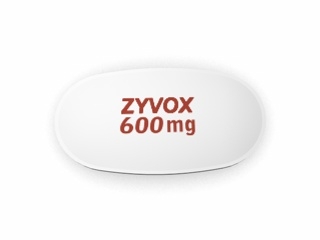


Zyvox (Linezolid) — Patient-Friendly Information (Australia)
Zyvox is a brand of linezolid, an antibiotic medicine used to treat certain serious bacterial infections. This page explains how Zyvox works, how it is used, important safety information, and practical tips to help you understand your treatment. It is intended to be read alongside advice from your healthcare professional.
In Australia, medicines may be regulated differently depending on strength, formulation, and indication. Availability and supply options can vary, so it’s a good idea to check with a licensed pharmacy for the most current information.
Quick product overview
| Category | Details |
|---|---|
| Medicine | Zyvox (linezolid) |
| Medicinal form | Tablets and/or oral liquid (formulation availability can vary by brand/supplier) |
| Drug class | Oxazolidinone antibiotic (synthetic antibacterial) |
| How it works | Inhibits bacterial protein synthesis by blocking formation of the initiation complex |
| Common use | Serious infections caused by susceptible Gram-positive bacteria |
| Typical course length | Often 10–28 days depending on infection and response |
How Zyvox (linezolid) works
Linezolid belongs to the oxazolidinone group of antibiotics. It works by interfering with bacterial protein production. Specifically, it binds to the bacterial ribosome and prevents formation of the initiation complex required for protein synthesis. Without essential proteins, bacteria cannot grow or multiply effectively.
Zyvox is generally described as an antibiotic with activity against many Gram-positive organisms, including some strains that are resistant to other antibiotics.
When Zyvox is typically used
Zyvox is used for confirmed or suspected bacterial infections caused by organisms that are susceptible to linezolid. The exact choice of antibiotic depends on the infection site, severity, local resistance patterns, and your medical history.
Common indications (examples)
- Skin and soft tissue infections (including some complicated infections)
- Pneumonia in certain settings (including hospital-acquired or ventilator-associated cases, and sometimes community-acquired pneumonia when clinically appropriate)
- Infections caused by resistant Gram-positive bacteria where linezolid is considered suitable
- Complicated infections where an oral option is needed, and linezolid is appropriate
Your prescriber will determine whether linezolid is appropriate for your specific infection. If cultures or tests identify the bacteria and their sensitivities, they guide the best antibiotic choice.
Dosing and timing
Dosing depends on the specific infection, your kidney and liver function, age, formulation, and whether your treatment is short-term or prolonged. Below are general dosing details commonly used with linezolid; your healthcare professional will confirm your exact dose.
Typical adult dosing (general reference)
- Most commonly: 600 mg by mouth twice daily (about every 12 hours).
- Duration: often ranges from 10 to 28 days, depending on the infection type and clinical response. Some situations may require shorter or longer courses.
How to take Zyvox
- Try to take your doses at consistent times (e.g., morning and evening).
- You can take it with or without food (see food interactions below).
- For oral liquid, measure carefully using an appropriate measuring device.
- Complete the course even if you feel better, unless you are told to stop.
Missed dose: If you miss a dose, take it as soon as you remember. If it is near the time of your next dose, skip the missed dose and continue your schedule. Do not take a double dose.
Pharmacokinetics: how the body handles Zyvox
Pharmacokinetics describes how a medicine moves through the body—absorption, distribution, metabolism, and excretion. For linezolid, these features help explain why it can be effective whether taken with food or without food.
Absorption and bioavailability
- Oral absorption: Linezolid is absorbed after oral administration.
- Food effect: Food has little to no clinically meaningful effect on absorption, which is why doses may be taken with or without food.
Distribution
- Linezolid distributes into body tissues. It is designed to reach infection sites where susceptible bacteria are present.
Metabolism
- Linezolid is metabolised in the body. Metabolites are eliminated primarily by renal and non-renal pathways.
Elimination (excretion)
- Elimination occurs through both kidney-related processes and other metabolic pathways.
- In people with significant renal impairment or on certain dialysis regimens, medication handling may change—your clinician may adjust the plan accordingly.
Food interactions and what to watch for
One advantage of Zyvox is that it can be taken with or without food. However, there are still important dietary considerations due to the way linezolid can affect neurotransmitter pathways.
Tyramine and high-tyramine foods (important)
Zyvox can affect monoamine oxidase (MAO) activity, which may increase the risk of high blood pressure (hypertensive) reactions when combined with foods or drinks high in tyramine.
Consider avoiding or limiting:
- Overly aged or fermented foods
- Some cured meats
- Some fermented dairy products
- Alcoholic beverages containing high tyramine levels (see alcohol section)
Dietary restrictions can depend on dose and duration. If you are unsure what applies to you, ask your healthcare professional or pharmacist.
General food advice
- Maintain a balanced diet and adequate fluid intake during treatment.
- If you experience nausea, taking your dose with food may help (if tolerated).
Alcohol and medicine interactions
Alcohol can worsen side effects such as dizziness, gastrointestinal upset, and fatigue. Additionally, alcohol may increase risk of interactions due to Zyvox’s MAO-related effects.
Alcohol—practical approach
- It’s generally advisable to avoid alcohol during linezolid treatment unless your healthcare professional says it is safe.
- If you drink occasionally, discuss timing and suitability with a pharmacist, especially if your treatment is longer than a few days.
Major drug interaction categories
Zyvox has notable interactions, particularly with medicines that affect serotonin, blood pressure, or monoamine oxidase pathways. This section describes key interaction categories in plain language.
1) Serotonin-related medicines (risk of serotonin syndrome)
Combining linezolid with medications that increase serotonin may lead to a potentially serious reaction called serotonin syndrome. Symptoms can include agitation, confusion, fever, sweating, tremor, diarrhoea, and fast heart rate.
- Selective serotonin reuptake inhibitors (SSRIs)
- Serotonin-norepinephrine reuptake inhibitors (SNRIs)
- Tricyclic antidepressants
- Some migraine medicines (e.g., triptans)
- Certain medicines used for nausea (depending on the active ingredient)
- St John’s wort (herbal supplement)
2) Medicines that may raise tyramine effects or blood pressure
Because linezolid can behave like an MAO inhibitor, certain decongestants and other agents may raise blood pressure when combined.
- Some cold and flu products containing sympathomimetic decongestants
- Other medicines that increase monoamine levels
3) Dopaminergic medicines (Parkinson’s disease)
People taking medicines for Parkinson’s disease may require extra caution. Combining can lead to increased side effects or blood pressure changes.
- Examples include levodopa and dopamine agonists
4) Blood pressure and cardiovascular medicines
Some cardiovascular effects may occur, so your clinician should review your full list of medicines, including over-the-counter products.
Always do a medication check
Before starting Zyvox, and whenever another medicine is added, perform a full review of:
- Prescription medicines
- Over-the-counter medicines (including cold/flu products)
- Herbal products and supplements
- Recreational substances
Safety profile: what to know before and during treatment
Like all antibiotics, Zyvox can cause side effects. Most people experience mild to moderate effects, but some reactions require prompt medical advice—especially with longer courses.
Common side effects (examples)
- Nausea
- Headache
- Diarrhoea
- Vaginal yeast infection (in some people)
- Vomiting or stomach upset
- Dizziness
Important risks (especially with extended use)
Bone marrow suppression (low blood counts)
Prolonged linezolid use can sometimes reduce blood cell production (for example, platelets or red/white blood cells). This risk increases with longer treatment duration.
Your healthcare professional may arrange blood tests during therapy, particularly if treatment is prolonged.
Peripheral neuropathy (nerve symptoms)
With longer courses, some people develop nerve-related symptoms such as tingling, numbness, burning pain, or weakness.
Optic neuropathy (vision changes)
Vision problems can occur, including blurred vision or changes in colour vision. Seek medical assessment promptly if you notice visual changes.
Lactic acidosis (rare)
Severe metabolic side effects are uncommon but have been reported. Symptoms may include deep or rapid breathing, unusual tiredness, persistent vomiting, or abdominal pain.
Serotonin syndrome (serious interaction)
This is a key risk when linezolid is combined with serotonergic medicines. Get urgent help if you experience symptoms such as agitation, confusion, fever, sweating, tremor, diarrhoea, or fast heart rate.
Severe skin reactions (rare)
Stop and seek urgent medical attention if you develop widespread rash, blistering, or swelling, especially if accompanied by fever.
When to seek urgent help
- Severe allergic reaction: swelling of face/lips, trouble breathing, hives
- Signs of serotonin syndrome
- Unexplained bruising, bleeding, or extreme fatigue (possible blood count issues)
- Vision changes
- Persistent or severe diarrhoea, especially with fever or blood
Monitoring recommendations (general guidance)
The need for monitoring varies by patient and length of treatment. However, clinicians commonly consider:
- Full blood count for longer courses or higher risk patients
- Vision assessment if treatment extends beyond typical durations
- Review of symptoms suggestive of neuropathy
- Assessment of medication interactions and blood pressure effects
Practical use tips
These tips can help you get the most from your treatment while improving safety:
1) Take it regularly
- Set reminders for twice-daily dosing.
- Try not to skip doses.
2) Keep a medicine list
- Carry a list of all medicines and supplements (including OTC and herbal products).
- Show it to your pharmacist and healthcare team.
3) Watch for diarrhoea and dehydration
- Mild diarrhoea can occur, but persistent or severe diarrhoea should be assessed.
- Drink fluids and seek advice if symptoms are significant.
4) Don’t start new serotonergic medicines without advice
- If you’re on antidepressants or migraine medicines, ask before adding anything new.
5) Report new nerve or eye symptoms early
- Tell your clinician promptly about numbness, tingling, burning pain, or vision changes.
Alternative options
Alternatives depend on the suspected or confirmed bacteria, infection site, severity, allergies, and local antimicrobial guidelines. Your healthcare professional may consider other antibiotic classes, or culture-guided therapy.
Possible antibiotic alternatives (examples)
- Vancomycin (often used for serious Gram-positive infections in hospital settings)
- Daptomycin (for certain Gram-positive infections)
- Clindamycin (for selected skin/soft tissue infections depending on resistance patterns)
- Other anti-MRSA options where appropriate and available
Not all alternatives are suitable for all infections, and some may be less appropriate depending on kidney function, drug interactions, and treatment duration. Your clinician will choose the best option for your situation.
Market and legal context in Australia
In Australia, medicines are regulated through the Therapeutic Goods Administration (TGA). Antibiotic use is also influenced by antimicrobial stewardship programs and prescribing guidance to help reduce resistance.
Zyvox (linezolid) is an important antibiotic option for certain serious infections. Because of its interaction profile and potential risks, it is used under appropriate clinical assessment and monitoring.
Supply and availability
- Availability can vary by formulation (tablets vs oral liquid) and strength.
- Pharmacies may place orders through wholesalers or approved distributors.
- In some cases, formulations may be substituted depending on stock and regulatory approval.
Recent guidance and stewardship themes
Guidance for antibiotic therapy evolves as new evidence and surveillance data become available. While specific recommendations for any individual patient come from the treating team, common stewardship principles include:
- Use antibiotics only when there is a clear bacterial infection or high suspicion.
- Choose the narrowest effective therapy when possible.
- Review antibiotic choice and duration as test results become available.
- Monitor side effects and drug interactions, particularly for medicines with a higher interaction risk.
If you’re concerned about the appropriateness of treatment or duration, discuss it with your healthcare professional.
Delivery and availability (online pharmacy)
When purchasing medicines online in Australia, a licensed pharmacy will typically:
- Verify product availability and the correct formulation/strength.
- Confirm your details and ensure compliance with Australian regulations.
- Package the medicine securely and provide tracking where available.
Delivery times can vary based on location and stock levels. Some pharmacies offer express shipping or same-day dispatch where feasible. Always check the pharmacy’s delivery information at checkout.
FAQ
Is Zyvox effective for all infections?
No. Zyvox is effective against certain Gram-positive bacteria that are susceptible to linezolid. It is not a universal treatment for all types of infections (for example, infections caused by viruses).
How soon will I feel better?
Some people begin to feel better within 24–72 hours, but this varies by infection type and severity. If symptoms worsen or do not improve as expected, contact your healthcare professional.
Can I take Zyvox with food?
Yes. Zyvox can generally be taken with or without food. If you experience nausea, taking it with food may help.
What should I avoid eating or drinking?
Because Zyvox can interact with tyramine, it’s generally recommended to avoid high-tyramine foods and certain alcoholic beverages. If you need specific dietary guidance, ask a pharmacist or your treating clinician.
Can I drink alcohol while on Zyvox?
It’s generally advisable to avoid alcohol during linezolid therapy, as it can worsen side effects and may increase interaction risk. Discuss your situation with your healthcare professional.
What medicines commonly interact with Zyvox?
Important interaction categories include serotonergic medicines (risk of serotonin syndrome) and certain drugs that may affect blood pressure due to MAO-like activity. Always provide your full list of medicines (including OTC and herbal products) to your pharmacist.
Do I need blood tests while taking Zyvox?
Blood test requirements depend on dose, treatment duration, and your risk factors. For longer courses, clinicians often monitor blood counts. Your healthcare professional will advise what monitoring you need.
What side effects should I watch for?
Common effects include nausea, diarrhoea, and headache. Seek medical advice urgently for serious symptoms such as severe diarrhoea, vision changes, unusual bleeding or bruising, symptoms of serotonin syndrome, or signs of allergic reaction.
What if I miss a dose?
Take it as soon as you remember unless it is close to the next dose. If so, skip the missed dose and continue your schedule. Do not take a double dose.
Are there alternatives if Zyvox isn’t suitable?
Yes—alternatives depend on the infection and the bacteria involved. Your clinician may select a different antibiotic or treatment approach.
Where can I get more help?
Your pharmacist can explain how to take your specific product and check for interactions with your other medicines. If you experience concerning side effects, contact a healthcare professional promptly.
Important note
This information is provided for general education. It does not replace personalised medical advice. If you have questions about whether Zyvox is suitable for you, your medical history, or your specific medicines, consult your healthcare professional or pharmacist.