Norfloxacin (Noroxin) – Patient-Friendly Guide (Australia)
Norfloxacin is an antibiotic medicine used to treat certain bacterial infections. It belongs to the fluoroquinolone group. This guide explains what Norfloxacin is, how it works, typical uses, dosing considerations, important interactions, and practical tips to help you use it safely and effectively in Australia.
Note: Always follow your doctor or healthcare professional’s instructions and read the consumer medicine information (CMI) that comes with your medicine.
Basic product information
| Category | Details |
|---|---|
| Medicine | Norfloxacin |
| Class | Fluoroquinolone antibiotic |
| Common uses | Bacterial infections, particularly some urinary tract infections (UTIs) |
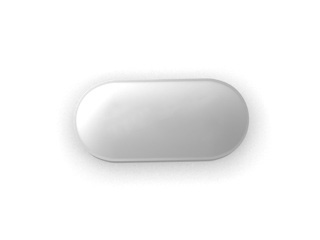
| How it’s taken | Oral tablets (as directed) |
| Typical dosing frequency | Often twice daily (exact regimen depends on the infection) |
| Availability | In Australia, availability may vary by brand and supply |
How Norfloxacin works (mechanism of action)
Norfloxacin works by interfering with key enzymes bacteria need to multiply and repair their DNA:
- Inhibits DNA gyrase (topoisomerase II) and topoisomerase IV.
- This prevents bacterial DNA replication and leads to bacterial death or growth inhibition.
- Norfloxacin is designed to act against many common Gram-negative bacteria associated with urinary and gastrointestinal infections.
Important: Antibiotics only treat infections caused by bacteria. They do not treat viral illnesses such as colds or flu.
Pharmacokinetics (how the body handles it)
Pharmacokinetics describes how a medicine is absorbed, distributed, metabolised, and eliminated.
- Absorption: Norfloxacin is absorbed after oral dosing. Absorption can be affected by food and by certain minerals (see “Food interactions” below).
- Distribution: It distributes into body tissues and fluids, with clinically relevant concentrations in the urinary tract.
- Metabolism: Only a portion is metabolised in the body.
- Excretion: Norfloxacin is eliminated largely via the kidneys, with significant drug appearing in urine.
- Half-life: The duration of action depends on dosing and individual factors; your prescribed schedule is based on this.
Because urinary concentrations are important, Norfloxacin has historically been used particularly for some UTIs.
Typical uses and indications
Norfloxacin may be used for bacterial infections when the likely bacteria are susceptible. In clinical practice, it has been most associated with:
- Urinary tract infections (UTIs), including uncomplicated cystitis in some situations
- Prostatitis caused by susceptible bacteria (in appropriate clinical scenarios)
- Infectious diarrhoea caused by susceptible organisms (where relevant and appropriate)
Why “susceptibility” matters: Different bacteria respond differently to antibiotics. If possible, clinicians consider local resistance patterns and may obtain culture tests in more complex cases.
Timing: when to take Norfloxacin
Follow your prescribed timetable. Many regimens involve taking Norfloxacin twice daily, usually about 12 hours apart.
General timing tips:
- Choose times that fit your day (e.g., morning and evening) to maintain steady antibiotic levels.
- Take tablets at the same times each day where possible.
- If you miss a dose, take it when you remember unless it’s close to the next dose. Do not double up.
Food interactions and what to avoid
Some foods and drinks can reduce absorption or increase the chance of side effects. The key interactions involve minerals and certain dairy products.
Minerals that can bind Norfloxacin
Norfloxacin can bind to minerals in the digestive tract, lowering how much of the antibiotic enters your bloodstream.
Be cautious with products containing:
- Iron
- Zinc
- Magnesium
- Calcium
- Aluminium
This includes:
- Antacids (aluminium or magnesium based)
- Iron supplements
- Some multivitamins
- Mineral-containing products
Practical approach: Separate Norfloxacin from these products by at least 2 hours before or 4–6 hours after (exact timing can depend on the product—ask your pharmacist for advice).
Dairy and fortified foods
Dairy products (e.g., milk, yoghurt) and calcium-fortified drinks may affect absorption due to calcium content.
- Try to take Norfloxacin with water and avoid taking it at the same time as large amounts of dairy.
- If you regularly consume dairy, spacing doses from dairy by a couple of hours may be helpful.
What about taking it with food?
Some people can take Norfloxacin with food if they experience stomach upset. However, the safest choice is to follow the instructions on your specific medicine brand and your clinician’s direction.
Alcohol and medicine interactions
Alcohol
There is no “one rule” that alcohol is always safe or always unsafe with Norfloxacin. However, alcohol can:
- Increase the risk of dizziness and tiredness
- Aggravate nausea or stomach discomfort
- Potentially worsen outcomes if you’re already unwell or dehydrated
Recommendation: Consider avoiding alcohol while taking Norfloxacin, or limit to small amounts and ensure good hydration.
Other medicine interactions to discuss
Norfloxacin can interact with several medicine classes. Tell your pharmacist or doctor about all medicines you take, including non-prescription products.
- Warfarin and other blood thinners: may increase bleeding risk by affecting clotting parameters.
- Corticosteroids (e.g., prednisone): combined use may increase the risk of tendon injury.
- Anti-diabetic medicines (e.g., sulfonylureas or insulin): glucose levels may become unstable.
- Theophylline: levels may rise, increasing risk of side effects.
- Non-steroidal anti-inflammatory drugs (NSAIDs): may increase risk of nervous system side effects in some patients.
- Probenecid: may affect excretion and increase Norfloxacin levels.
- Multivitamins/minerals and antacids: can reduce absorption if taken too close together.
Herbal and complementary products: Herbal supplements can also affect absorption or metabolism. Include them when you discuss medicines with your pharmacist.
Dosing: how Norfloxacin is usually taken
Dosing varies depending on the infection type, severity, kidney function, age, and other medical factors. Always use the dose and duration advised for your specific situation.
Typical dosing patterns
- Often prescribed as twice daily for many susceptible infections.
- The duration of treatment can range from short courses for uncomplicated infections to longer regimens in more complex cases.
Kidney function and dosing adjustment
Because Norfloxacin is eliminated through the kidneys, reduced kidney function may require dosing adjustments. If you have chronic kidney disease, your doctor may select a safer dose and monitor you more closely.
Do not change your regimen
Even if you feel better, completing the prescribed course (unless a clinician advises stopping) helps reduce the risk of relapse and resistance.
Safety profile and side effects
Like all antibiotics, Norfloxacin can cause side effects. Many are mild and temporary, but some reactions require urgent medical attention.
Common side effects
- Nausea or stomach upset
- Diarrhoea
- Headache
- Dizziness
- Vaginal yeast infection (in some people)
Serious or urgent warnings
Seek medical advice promptly if you experience any of the following:
- Tendon pain, swelling, or injury (especially Achilles tendon). Stop exercising and get medical advice.
- Nerve-related symptoms such as tingling, numbness, burning pain, or weakness.
- Severe or persistent diarrhoea, particularly if watery or bloody (possible serious gut inflammation).
- Allergic reactions: rash, facial swelling, wheezing, or difficulty breathing.
- Confusion, agitation, hallucinations, or seizures (rare but important).
- Heart rhythm symptoms such as fast or irregular heartbeat or fainting (rare).
- Severe skin reactions such as blistering or peeling.
Who should be extra cautious?
Your clinician may weigh risks more carefully if you:
- Have a history of tendon problems
- Have existing nerve conditions or neuropathy
- Are older (increased risk of some adverse effects)
- Take corticosteroids
- Have significant kidney disease
- Have a condition affecting heart rhythm (QT prolongation risk)
Sun sensitivity: Some fluoroquinolones can increase sensitivity to sunlight. Consider using sun protection and avoiding prolonged sun exposure.
Practical use tips for best results
- Complete the course: Finish the prescribed treatment unless advised otherwise.
- Stay hydrated: Drinking adequate fluids supports urinary tract health.
- Take with water: Use a full glass of water and follow guidance about food separation.
- Avoid interacting products: Separate doses from antacids, iron, zinc, and magnesium where relevant.
- Monitor symptoms: If symptoms worsen after 48 hours, seek advice.
- Prevent dehydration from diarrhoea: If diarrhoea occurs, focus on oral fluids and contact your clinician if it is severe.
- Consider probiotics: Evidence varies, but some people benefit from taking probiotics separated from antibiotics. Ask your pharmacist for suitability.
- Tendon precautions: Avoid strenuous exercise and stop if tendon pain occurs.
Alternative options (depending on infection type)
There are many antibiotic alternatives depending on the infection site, severity, and local resistance patterns. Your clinician may select another antibiotic if Norfloxacin is not suitable or if resistance is suspected.
Common alternative classes for bacterial infections may include:
- Nitrofurantoin (often for uncomplicated cystitis)
- Trimethoprim or trimethoprim-sulfamethoxazole (where appropriate)
- Amoxicillin-clavulanate (for certain bacterial infections)
- Cephalosporins (depending on the organism and site)
- Other fluoroquinolones in selected circumstances (not always preferred due to class risks)
Your pharmacist or doctor can recommend the most appropriate alternative based on your diagnosis, allergies, previous antibiotic exposure, and test results if available.
Market and legal context in Australia
In Australia, antibiotics are regulated medicines. Supply and use are governed by national medicines policies and state/territory health requirements, and prescribers and dispensers must follow applicable laws.
- Antibiotic stewardship: Australia emphasises appropriate antibiotic use to reduce resistance and improve outcomes.
- Fluoroquinolone safety considerations: Medicines in this class may carry important risk information and are generally used when the benefits outweigh risks for the specific patient and infection.
- Information sources: Healthcare professionals and pharmacies rely on official product information and guidance from Australian medicines regulators and clinical bodies.
Availability through online pharmacies can depend on supplier networks and regulatory requirements. Always confirm that the medicine you receive matches the prescribed instructions and that the packaging includes the correct product details.
Recent guidance and prescribing trends
Across many countries, including Australia, clinical practice has increasingly focused on:
- Using antibiotics only when bacterial infection is likely
- Choosing agents guided by local resistance patterns
- Reviewing the need for fluoroquinolones in light of safety considerations and available alternatives
- Encouraging culture testing for recurrent or complicated infections
As guidance evolves, your prescriber may prefer certain antibiotics over others for particular UTIs and related conditions. If you have recurrent symptoms, discuss testing and prevention strategies with your clinician.
Delivery and availability (online pharmacy)
Online pharmacies in Australia may provide delivery options such as:
- Standard delivery (typical business days)
- Express delivery (where available)
- Tracking once dispatched
What to expect when ordering:
- Verification steps may apply to ensure medicines are supplied appropriately.
- Packaging should arrive sealed and in good condition.
- Check the label for the correct strength, form, and expiry date.
Storage: Store tablets as directed on the packaging (commonly at controlled room temperature and away from moisture and heat).
FAQ: common questions about Norfloxacin
1) What infections is Norfloxacin commonly used for?
Norfloxacin is used for bacterial infections when susceptible organisms are likely. It has historically been used particularly for some UTIs and other specific infections, depending on local guidelines and patient factors.
2) How soon should I feel better after starting Norfloxacin?
Some improvement is often seen within 24–48 hours for many uncomplicated bacterial infections. If you do not improve, or symptoms worsen, contact your healthcare professional.
3) Can I take Norfloxacin with dairy or milk?
Dairy and calcium-fortified products may reduce absorption. It’s often best to separate Norfloxacin from large dairy intake. Ask your pharmacist for specific timing advice based on your routine and product instructions.
4) Can I take antacids, iron, or vitamins at the same time?
These products may interfere with absorption. Separate them from Norfloxacin by several hours (commonly at least 2 hours before or 4–6 hours after, depending on the product). Confirm the exact separation with your pharmacist.
5) What if I miss a dose?
Take it when you remember unless it’s nearly time for your next dose. Do not take double doses. If you’re unsure, ask a pharmacist.
6) Is it safe to drink alcohol while taking Norfloxacin?
It’s generally advisable to avoid alcohol or limit intake while you’re unwell and on treatment. Alcohol may increase dizziness or stomach upset and can worsen dehydration if you have diarrhoea.
7) What should I do if I get severe diarrhoea?
Severe, persistent, or bloody diarrhoea may require urgent medical assessment. Contact a healthcare professional promptly, especially if diarrhoea is watery and severe.
8) Does Norfloxacin cause tendon problems?
Tendon pain or injury is a recognised (though not common) risk with fluoroquinolone antibiotics. Stop activity if you develop tendon pain and seek medical advice promptly.
9) Can Norfloxacin interact with blood thinners?
Yes. Norfloxacin may affect blood thinning medicines such as warfarin. If you take anticoagulants, you need closer monitoring as directed by your healthcare professional.
10) Are there alternatives if Norfloxacin isn’t suitable?
Yes—alternatives depend on the infection, test results, and your health history. Options may include different antibiotic classes tailored to the suspected bacteria and your risk profile.
When to seek urgent medical help
Seek urgent medical care or call local emergency services if you experience:
- Difficulty breathing, facial/lip swelling, or severe allergic reactions
- Severe skin reactions (blistering, peeling)
- Signs of severe nerve effects (weakness, severe numbness, confusion)
- Seizures
- Severe tendon pain or sudden inability to use a limb
- Severe diarrhoea, especially with blood or dehydration
Final reminder: Take Norfloxacin exactly as advised, avoid common interaction products (antacids/minerals), and contact your healthcare professional if you have concerns or experience serious side effects.