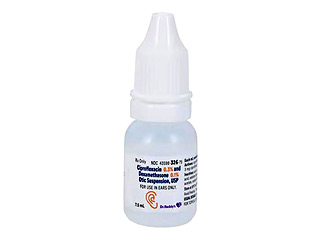

Ciprodex (Ciprofloxacin / Dexamethasone) Ear/Eye Drops — Patient Guide (Australia)
Ciprodex is a medicine that combines two active ingredients:
- Ciprofloxacin — an antibiotic that helps treat bacterial infections
- Dexamethasone — a corticosteroid that helps reduce inflammation and swelling
It is commonly used for certain ear and eye conditions where both infection and inflammation play a role.
This guide explains what Ciprodex is, how it works, how it’s used, safety considerations, and practical tips—written for patients purchasing or using the medicine in Australia.
Quick Product Information
| Category | Details |
|---|---|
| Brand name | Ciprodex |
| Active ingredients | Ciprofloxacin + Dexamethasone |
| Common forms | Ear drops and/or eye drops (formulation depends on pack) |
| How it works | Antibiotic (kills/halts bacteria) + steroid (reduces inflammation) |
| Typical duration | Often several days to 1–2 weeks depending on the condition |
| Availability in Australia | Supplied through pharmacies; availability may vary by product/pack |
How Ciprodex Works (Mechanism of Action)
Ciprofloxacin belongs to the fluoroquinolone class of antibiotics. It works by interfering with bacterial DNA processes—particularly enzymes that bacteria need to copy and repair their genetic material. This helps stop bacterial growth and can lead to bacterial death.
Dexamethasone is a corticosteroid. In the affected area, it helps reduce:
- Inflammatory swelling
- Redness and discomfort
- Immune-related irritation that can worsen symptoms
Why the combination matters: In some infections (for example, certain ear conditions), the antibiotic treats the bacteria while the steroid can reduce inflammation and speed symptom improvement.
Pharmacokinetics (What the Body Does With the Medicine)
Because Ciprodex is used topically in the ear or eye, only a small amount is typically absorbed into the bloodstream compared with oral medicines.
- Absorption: Absorption through the surface tissues is generally limited.
- Distribution: Any absorbed fraction distributes through body tissues according to normal pharmacology of ciprofloxacin and corticosteroids.
- Metabolism and elimination: Ciprofloxacin and dexamethasone are metabolised and eliminated primarily through the liver and kidneys (systemic exposure is usually low with topical use).
Clinical implication: Side effects from whole-body steroid effects are uncommon with short courses and correct local use. However, you should still follow dosing instructions carefully and seek medical advice if symptoms worsen or do not improve.
Typical Uses and Indications
In Australia, Ciprodex is used for specific conditions where an antibiotic and anti-inflammatory steroid are appropriate.
Common indications include (depending on ear/eye formulation)
- External ear infections (e.g., otitis externa) where bacterial infection is suspected and swelling/inflammation is present.
- Infectious/inflammatory eye conditions where bacterial involvement and inflammation are both considerations (for the eye formulation).
Important: The exact approved indication can vary by product presentation (ear vs eye) and local regulatory listing. Always check the package information supplied with your specific Ciprodex pack and use it for the intended body site.
Dosing and Timing (General Patient Guidance)
Dosing should be guided by the product label and your healthcare professional’s instructions. Below is general information to help you understand typical schedules.
How to apply (ear drops)
- Warm the bottle in your hand for a few minutes if it’s cold (cold drops can increase discomfort).
- Wash your hands.
- Position your head so the affected ear faces upward.
- Gently pull the ear to help opening: adults typically pull the ear up and back; children often pull down and back (follow clinician advice).
- Instil the prescribed number of drops without touching the dropper tip to the ear canal.
- Keep the ear tilted upward for a short period (often a few minutes) to help the drops coat the canal.
- Wipe away excess liquid.
How to apply (eye drops)
- Wash your hands.
- Use a clean tissue to gently remove discharge if present.
- Tilt your head back, pull down the lower eyelid, and instil the prescribed drop(s).
- Do not let the dropper touch your eye or eyelid.
- Close the eye gently for about 1–2 minutes.
- If using multiple eye products, separate them by several minutes (ask a pharmacist for the best interval).
Typical timing
- Many regimens for otic use involve two times daily or multiple doses per day, depending on severity and the specific indication.
- Eye regimens can also vary by condition; follow your pack instructions.
Try to stay consistent: If a dose is scheduled twice daily, taking doses about 12 hours apart can help maintain consistent coverage.
How Long to Use It
Ciprodex is usually used for a limited course. Many infections start improving within a few days, but it’s important to complete the full course as directed.
- If symptoms improve: continue the scheduled course unless advised otherwise.
- If symptoms do not improve: contact your pharmacist or healthcare professional. Persistent symptoms may require reassessment.
- If symptoms worsen: stop using the medicine and seek urgent advice—worsening pain, swelling, fever, or new discharge may indicate a different problem.
Food Interactions
Because Ciprodex is applied to the ear or eye, food interactions are not typically expected. Unlike oral antibiotics, the systemic absorption is generally low.
Practical point: You can usually take Ciprodex without regard to meals.
Alcohol and Medicine Interactions
Alcohol: There is no well-established direct alcohol interaction with Ciprodex because it is topical. However, avoiding alcohol can still be sensible if you are unwell or if you are using other medicines that may interact with alcohol.
Other medicines: Potential interactions are more relevant with systemic drugs than with topical ear/eye drops, but it’s still important to consider:
- Other ear/eye drops: spacing between products may be needed to avoid washing one medicine out with another.
- Recent steroid exposure: using other steroid-containing medicines (especially systemic steroids) can contribute to broader steroid effects.
- Antibiotics and immune effects: prolonged or repeated antibiotic use can contribute to yeast overgrowth or resistant organisms.
Tell your pharmacist about all medicines you use (including eye/ear products, tablets, and supplements) so they can check for compatibility.
Safety Profile and Common Side Effects
Most people tolerate Ciprodex well when used correctly. However, both ingredients can cause local reactions.
Common local side effects
- Ear drops: mild burning, itching, or irritation in the ear; temporary discomfort
- Eye drops: temporary stinging or blurred vision shortly after instillation
Less common but important risks
- Allergic reactions: rash, swelling, or breathing difficulty (seek urgent care)
- Yeast or fungal overgrowth: antibiotics can sometimes disrupt normal flora
- Delayed healing or worsening symptoms: may indicate a non-bacterial cause or resistance
- With prolonged use: increased risk of steroid-related issues (particularly relevant to eye use, such as increased intraocular pressure or cataract risk over time)
Seek medical help urgently if you develop severe pain, significant swelling, fever, marked redness spreading, discharge with a strong odour, or allergic symptoms.
Practical Use Tips (To Improve Effectiveness and Comfort)
- Use the correct formulation: Do not use ear drops in the eye or eye drops in the ear.
- Check the expiry date and do not use expired medicine.
- Maintain hygiene: wash hands before and after use; avoid touching the tip to skin or tissues.
- Remove excess wax/discharge only if advised: If you have heavy discharge, ask a clinician/pharmacist whether safe cleaning is appropriate before instilling drops.
- Keep the bottle clean: replace cap promptly and store as directed on the pack.
- Finish the course: stopping early can lead to relapse.
- Don’t reuse for other conditions: symptoms like ear pain can have different causes (viral infections, eczema, impacted wax, trauma).
When to Avoid or Be Extra Careful
You should speak with a pharmacist or healthcare professional before using Ciprodex if any of the following apply:
- Known allergy to ciprofloxacin, quinolone antibiotics, or dexamethasone.
- For ear use: a history of ear drum perforation or ear surgery—this may affect suitability depending on the product instructions.
- For eye use: glaucoma or a history of increased eye pressure (steroid sensitivity can be relevant).
- Active viral eye disease (for eye preparations) where steroid use may be inappropriate.
Children, pregnancy, and breastfeeding: Topical use often involves limited absorption, but safety can still depend on the individual situation. Ask your healthcare professional if you are pregnant, breastfeeding, or using the medicine for a child.
Alternative Options
Depending on the diagnosis, there are different alternatives to Ciprodex:
For ear infections (external ear)
- Antibiotic-only ear drops (without steroid) for cases where inflammation is mild or steroid use is not appropriate.
- Antifungal treatments if the cause is fungal otitis externa rather than bacterial infection.
- Acidifying solutions or protective measures in selected cases, such as swimmer’s ear prevention strategies (where appropriate).
For eye infections
- Antibiotic-only eye drops for bacterial infection without a strong inflammatory component.
- Anti-inflammatory options that may not include the same steroid component, depending on the suspected cause.
Choosing the right alternative depends on the cause. Ear and eye symptoms can look similar even when the underlying cause differs, so the best option is usually determined by assessment.
Recent Guidance and Clinical Considerations
In recent years, clinicians have emphasised several principles for topical antibiotics and steroids:
- Use targeted therapy for the suspected cause (bacterial vs fungal vs viral vs non-infective inflammation).
- Avoid unnecessary steroid use when infection type is unclear, particularly for eyes, because steroids can mask symptoms of certain infections.
- Reassess if no improvement after a short period, rather than extending treatment indefinitely.
- Minimise duration to reduce risks associated with prolonged steroid exposure.
While product-specific instructions remain the main reference, these broader principles help explain why Ciprodex is intended for selected conditions and typically used for a limited time.
Market and Legal Context for Australia (What to Expect When Buying)
Medicines in Australia are regulated under the Therapeutic Goods Administration (TGA) framework and dispensed according to their listed schedule and product type. Availability can depend on whether a medicine is considered prescription-only or pharmacy-supplied in that specific formulation and concentration.
- Pharmacy supply: Many antibacterial and steroid-containing products are supplied through pharmacies with appropriate counselling.
- Packaging and labelling: Look for clear instructions for the correct site (ear vs eye) and the recommended dosing frequency.
- Safety checks: Pharmacists may ask screening questions to ensure the medicine is suitable and to identify potential contraindications.
If you’re unsure which pack you’ve been given (ear vs eye), check the product label carefully or ask a pharmacist.
Delivery and Availability (Online Pharmacy Considerations)
Online pharmacies in Australia typically offer delivery for eligible medicines where permitted. Availability may vary based on stock levels, pack size, and supply chain timing.
- Dispatch times: Many pharmacies dispatch within 1–2 business days (times vary).
- Shipping: Delivery is usually provided by standard courier services; faster options may be available.
- Storage: Store Ciprodex according to the label (commonly at controlled room temperature unless otherwise stated).
- Check packaging on arrival: Confirm the expiry date and active ingredients.
Tip: If you need the medicine urgently (for severe ear pain or eye discomfort), check stock availability and delivery estimates at checkout.
FAQ: Frequently Asked Questions
1) Can I use Ciprodex for any ear pain?
No. Ear pain can be caused by many conditions (wax blockage, eczema, viral infections, trauma, middle ear infection). Ciprodex is intended for selected bacterial/inflammatory conditions and should be used for the correct indication and site.
2) What should I do if I miss a dose?
Use it as soon as you remember if it’s close to the next scheduled dose. If it’s nearly time for the next dose, skip the missed one and continue your regular schedule. Do not double doses.
3) How quickly should I feel better?
Many people notice improvement within a few days. If there is no improvement after a short period (or symptoms worsen), contact a pharmacist or clinician for reassessment.
4) Is it safe to drive after using eye drops?
If you experience temporary blurred vision after instilling eye drops, avoid driving until your vision is clear. This effect usually settles quickly.
5) Can I wear contact lenses?
Contact lens advice depends on the type of eye problem and the product label for the specific formulation. In general, it’s often best to avoid contact lenses during eye infection or inflammation and follow pharmacist or clinician advice.
6) Can I use Ciprodex with other ear or eye medicines?
Often yes, but timing matters. If you’re using multiple drops, separate them by several minutes to prevent one medicine from washing out the other. Ask a pharmacist for a specific schedule.
7) Does Ciprodex cause antibiotic resistance?
All antibiotic use can contribute to resistance, particularly if used unnecessarily or for too long. Completing the course as directed and avoiding reuse for unrelated symptoms helps reduce risk.
8) What if I suspect fungal infection instead of bacterial?
If symptoms persist despite treatment, or if there is itchy discharge or a “fungal-like” appearance, you may need a reassessment. Persistent symptoms should not be automatically treated longer with the same drops without advice.
9) Are there any lifestyle restrictions?
Food restrictions are generally not needed. Alcohol is not known to have a direct interaction with topical Ciprodex, but avoid alcohol if it worsens how you feel or if you are taking other interacting medicines.
10) When should I seek urgent medical care?
Seek urgent help if you experience:
- Allergic symptoms (swelling, rash, trouble breathing)
- Rapidly worsening pain, swelling, or spreading redness
- High fever or severe illness
- Significant vision changes (for eye use)
Summary
Ciprodex (ciprofloxacin/dexamethasone) is a topical medicine that combines an antibiotic with an anti-inflammatory corticosteroid. It’s used for specific ear or eye infections where bacterial involvement and inflammation are both important.
To get the best results: use the correct formulation for the correct site, follow the dosing schedule on the pack, avoid touching the dropper tip to tissues, and seek reassessment if symptoms do not improve or worsen.
If you have questions about your symptoms or how to use your specific Ciprodex pack safely, a pharmacist can help you confirm the right instructions for your situation.