

Ciprofloxacin + Dexamethasone (Ciprofloxacin/Dexamethasone) – Patient Information (Australia)
Ciprofloxacin + Dexamethasone is a combination medicine used to treat certain bacterial infections and associated inflammation. It contains: ciprofloxacin (an antibiotic) and dexamethasone (a corticosteroid that helps reduce inflammation).
This page is written to help you understand what the medicine is, how it works, how it’s typically used, and what safety considerations apply. Always follow the advice provided by your healthcare professional or the instructions on the product label.
Basic product information
| Category | Details |
|---|---|
| Medicinal ingredients | Ciprofloxacin + Dexamethasone |
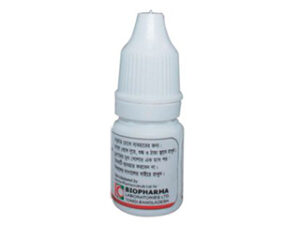
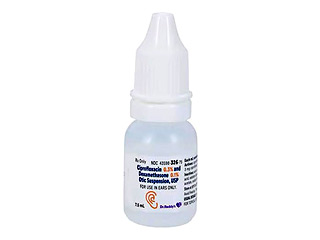
| What it is | Topical combination antibiotic and anti-inflammatory medicine (commonly formulated as ear or eye drops depending on the product brand) |
| Common uses | Infections with inflammation where bacterial infection is suspected or confirmed |
| Where it’s used | Typically eye or ear (depending on the specific product formulation) |
| How it works | Antibiotic action (ciprofloxacin) + anti-inflammatory action (dexamethasone) |
Important: The exact strength and instructions can vary by brand and whether the product is intended for the eyes or the ears. Check the label for the correct product and directions.
Mechanism of action
1) Ciprofloxacin (antibiotic)
Ciprofloxacin is a fluoroquinolone antibiotic. It works by inhibiting bacterial enzymes needed for DNA replication and repair, specifically:
- DNA gyrase (also known as topoisomerase II)
- Topoisomerase IV
By blocking these enzymes, ciprofloxacin helps stop bacterial growth and can lead to bacterial death.
2) Dexamethasone (corticosteroid)
Dexamethasone is a corticosteroid that reduces inflammation. It helps decrease symptoms such as:
- Redness and swelling
- Pain or discomfort from inflammation
- Itching or irritation caused by inflammatory processes
Corticosteroids also reduce inflammatory mediators and may improve comfort while the antibiotic targets the underlying bacterial cause.
Pharmacokinetics (how the body handles it)
Because ciprofloxacin/dexamethasone is commonly used as a local topical treatment (e.g., eye/ear drops), most of the action is in the affected area. Systemic absorption can occur, but it is often limited compared with oral medicines.
- Absorption: Topical absorption may vary depending on the site (eye vs ear), formulation, and whether there is inflamed tissue or a disrupted barrier.
- Distribution: A small amount of the absorbed medicine may enter the bloodstream and distribute through body tissues.
- Metabolism: Ciprofloxacin is metabolised in the body; dexamethasone may be metabolised primarily in the liver.
- Elimination: Excretion is largely through the kidneys for ciprofloxacin and through metabolic pathways for dexamethasone metabolites.
Your clinician may recommend extra caution if you have conditions that could increase absorption (for example, extensive inflammation or certain eye/ear conditions).
Typical uses and indications
Indications depend on the specific product and the route (eye or ear). In general, this combination is used when:
- Bacterial infection is present or strongly suspected, and
- Significant inflammation is also present, and
- The condition is appropriate for a topical antibiotic plus corticosteroid.
Common examples (depending on product type and clinical assessment) include:
- Inflamed, infected eye conditions (e.g., some types of bacterial conjunctivitis/keratitis under specific circumstances)
- Eye infections with inflammation (as determined by a clinician)
- Ear infections with inflammation (e.g., certain otic inflammatory-infective conditions)
Do not use this combination for every red or painful eye/ear. Steroids can worsen certain infections (such as viral infections like herpes simplex) and can mask symptoms. Correct diagnosis matters.
How and when to take/use it (timing and application tips)
Follow the directions for your specific product (eye vs ear formulation). Dosing schedules typically depend on severity and response.
Typical timing
- Often started promptly when symptoms are identified.
- Multiple daily doses are commonly used at the beginning (for example, several times per day), then may be reduced based on improvement.
- Duration is usually limited to the shortest effective period to reduce the risk of side effects associated with corticosteroids.
Practical application tips (general)
- Wash hands before and after use.
- Do not touch the dropper tip to the eye/ear or surrounding skin to help prevent contamination.
- Remove contact lenses if using an eye product unless your clinician specifically advises otherwise.
- Keep intervals between doses as evenly as practical.
- Complete the course as directed, even if symptoms improve early—unless you’re advised to stop.
If you miss a dose, apply it when you remember unless it’s close to the next dose. Do not double the dose.
Dosing (what is usually prescribed)
Dosage schedules vary by the product strength, route, and the specific condition. The information below is general guidance and should not replace the instructions on your product label or your clinician’s plan.
- Eye formulations: may be used several times daily at first, then adjusted according to clinical response.
- Ear formulations: may be used multiple times daily; the ear canal may need specific handling (for example, gentle positioning) depending on instructions.
If you are unsure which formulation you have (eye vs ear) or what schedule to follow, check:
- The product label
- The packaging leaflet
- Your pharmacist or treating clinician
Children, pregnancy/breastfeeding, and older adults: dosing should be individually assessed. Ask your healthcare professional if you need advice for these situations.
Food interactions
For topical eye/ear products, food interactions are generally not a major concern because systemic absorption is limited. However, if you are using other medicines by mouth (or have complex medical issues), you may still have interactions.
Practical advice:
- No specific food restrictions are typically required for topical ciprofloxacin/dexamethasone.
- If you take other medications, review interactions separately, especially antibiotics and anti-inflammatory drugs.
Alcohol and medicine interactions
With topical use, alcohol is unlikely to directly interact with ciprofloxacin/dexamethasone. Still, consider overall medication safety:
- If you also take oral medications that interact with alcohol, follow advice for those medicines.
- If you’re treating an infection, alcohol may worsen dehydration or delay recovery in some people.
Medicine interactions (key points):
- Other eye/ear drops: wait between products if you’re using more than one. Your pharmacist can advise an appropriate spacing.
- Medicines affecting immunity: corticosteroids can have stronger effects if you use other steroids or immunosuppressants.
- Glaucoma risk: long-term steroid use can increase intraocular pressure in susceptible patients (particularly relevant for eye products).
Tell your pharmacist or clinician about all medicines you use, including: prescription medicines, over-the-counter products, herbal supplements, and vitamins.
Safety profile and possible side effects
Like all medicines, ciprofloxacin/dexamethasone can cause side effects. Many people have no problems or only mild, short-lived effects, especially with short-term use.
Common local side effects
- Stinging, burning, or irritation at the application site
- Redness or mild discomfort
- Temporary blurred vision after using an eye product (if applicable)
- Unusual taste (sometimes with eye drops due to drainage into the throat)
Less common but important risks
- Allergic reactions: swelling, rash, or breathing difficulty requires urgent care.
- Infection worsening: corticosteroids can mask symptoms and may worsen certain infections (e.g., viral infections such as herpes simplex).
- Prolonged steroid effects (especially eyes): increased intraocular pressure, cataract risk with longer use.
- Delayed healing: steroids may slow tissue repair in some circumstances.
- Resistance concerns: antibiotic use can contribute to antibiotic resistance if used inappropriately or for too long.
When to seek urgent medical advice
Contact a doctor urgently or seek emergency care if you experience:
- Severe pain, marked swelling, or rapidly worsening symptoms
- Signs of allergy: hives, facial swelling, difficulty breathing
- Vision changes that do not improve, especially with eye use
- Symptoms that worsen after starting treatment
Who should use extra caution?
- History of steroid-induced eye pressure increase (eye use)
- Known or suspected viral eye/ear infection
- Corneal injury or ulcers (eye use)
- Conditions affecting the immune system
Practical use tips (to get the best results)
- Use the correct site and product: confirm whether your medicine is intended for the eye or the ear.
- Don’t share drops between family members.
- Follow hygiene steps: clean hands; avoid contamination of the tip.
- Track improvement: note whether redness, pain, discharge, or swelling improve within a couple of days (your clinician can advise expected timelines).
- Don’t extend duration on your own: longer use increases steroid-related risks.
- Contact lenses: with eye products, avoid contact lenses unless your clinician approves.
- Storage: keep the bottle/carton as directed on the label (some products require refrigeration; others do not).
Alternative options
The best alternative depends on the underlying cause of your symptoms—bacterial, viral, fungal, allergic, or non-infectious inflammation.
Possible alternatives your clinician may consider
- Antibiotic alone (if inflammation is minimal or not steroid-responsive)
- Non-steroid anti-inflammatory treatments (depending on diagnosis)
- Antiviral therapy if viral infection is suspected
- Supportive care (for example, lubrication for dry eye, or ear canal care if advised)
- Different antibiotic combinations if specific bacteria are suspected or resistance is a concern
If symptoms don’t improve as expected, clinicians may reassess diagnosis, consider culture/testing, or change therapy.
Market and legal context for Australia
In Australia, medicines are supplied under a regulated framework. Availability may differ by product type and strength. Many topical antibiotic/steroid combination products are available only under appropriate healthcare oversight and may require prescription access depending on the formulation and classification.
When ordering online, use reputable Australian pharmacy services and ensure:
- Product is specifically intended for the condition being treated (eye vs ear).
- Correct patient details are provided for suitability checks.
- Any age, medical history, or allergy concerns are disclosed during checkout or consultation with a pharmacist service.
If you’re unsure about classification or supply requirements, consult a licensed Australian pharmacist or the pharmacy’s product information.
Recent guidance and clinical considerations
Clinical practice continues to emphasise:
- Right diagnosis first: using antibiotic/steroid combinations only when appropriate.
- Short courses: corticosteroid exposure should be limited to the shortest effective duration.
- Antibiotic stewardship: avoid using antibiotics when infection is not bacterial.
- Monitoring for steroid adverse effects: particularly intraocular pressure in eye conditions and symptom masking.
If symptoms worsen or fail to improve, reassessment is important rather than simply continuing or extending treatment.
Delivery and availability in Australia
Availability depends on the specific brand and whether the product is currently in stock. Many online pharmacies in Australia offer delivery to metro and regional areas.
- Processing time: may vary based on stock status and any clinical checks required.
- Delivery timeframe: depends on your location and selected courier service.
- Cold-chain: not typically required for all products, but some formulations may have specific storage conditions—check the label.
- Packaging: medicines are usually dispatched in protective packaging to maintain integrity.
For the most accurate information, check the pharmacy’s product page for current stock, shipping options, and estimated delivery times.
FAQ
1) What is ciprofloxacin used for in this combination?
Ciprofloxacin is an antibiotic used to treat bacterial infections by interfering with bacterial DNA replication and repair.
2) Why is dexamethasone included?
Dexamethasone reduces inflammation and helps relieve swelling, redness, and discomfort that can occur alongside bacterial infection.
3) Can I use it for any red eye or ear pain?
Not necessarily. Red or painful eyes/ears can have many causes (viral infections, allergies, injuries, dry eye, and more). Steroids can be harmful in some infections, so correct diagnosis matters.
4) How soon should I feel better?
Some improvement may occur within a couple of days, but this varies by condition and severity. If there is no improvement—or symptoms worsen—contact a clinician promptly.
5) What should I do if I miss a dose?
Apply/use it when you remember unless it is almost time for the next dose. Do not double up.
6) Can I wear contact lenses?
If you’re using an eye formulation, contact lenses are usually not recommended during treatment unless your clinician specifically advises it. Remove lenses before use and follow label guidance.
7) Are there interactions with alcohol?
Direct interactions are unlikely with topical use. However, alcohol can affect overall wellbeing and recovery, especially if you are unwell or taking other medications.
8) Is long-term use safe?
The goal is typically short-term use. Prolonged use increases risks associated with corticosteroids (such as increased eye pressure with eye products). Follow your treatment plan closely.
9) Who should be extra careful when using this medicine?
People with a history of steroid-related eye pressure increase, those with possible viral infections, and those with significant immune system conditions should use extra caution and seek clinician advice.
10) What if the infection seems to be getting worse?
Stop and seek urgent advice from a healthcare professional. Worsening symptoms can indicate that the cause is not bacterial or that additional assessment is needed.
Always read the product label and follow healthcare advice for your specific condition. If you have questions about whether ciprofloxacin/dexamethasone is appropriate for you, speak with a pharmacist.