Acticin (Permethrin) — Patient-Friendly Information (Australia)
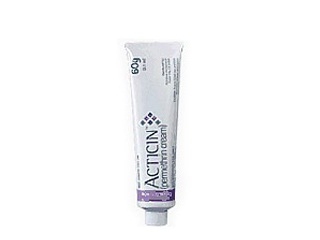
Acticin is a brand of permethrin, a medicine used to treat certain external skin and hair infestations. It works by killing the parasites that cause conditions such as scabies and head lice. This page provides practical, easy-to-understand information about how Acticin works, how to use it safely and effectively, and what to expect during treatment.
Always follow the instructions on the product packaging and, where applicable, the advice provided by a healthcare professional or pharmacist. If symptoms do not improve or you are unsure, seek further medical guidance.
Quick facts
- Active ingredient: Permethrin (commonly 5% cream for scabies; head lice preparations may differ by formulation)
- Type of medicine: Topical antiparasitic (insecticide/acaricide)
- Common uses in Australia: Scabies and head lice (depending on the exact product form)
- How it works: Disrupts the nervous system of the parasite
- Key practical note: Many infestations require repeat treatment to capture newly hatched parasites
Basic product information
Acticin contains permethrin, a synthetic chemical in the pyrethroid family. It is applied to the skin or scalp as directed. Permethrin is designed to be effective against common parasites causing infestations.
Availability and exact formulation may vary between products and packaging sizes. For the most accurate information, check the label on your specific Acticin product.
How Acticin works (mechanism of action)
Permethrin acts primarily by affecting the nervous system of the parasite:
- It interferes with ion channels in nerve cells.
- This causes abnormal nerve firing.
- The parasite becomes paralysed and dies.
- It also helps prevent further spread by killing active lice or mites present at the time of treatment.
Because eggs may survive initial treatment (especially for lice), many schedules include a second application after a set interval.
Pharmacokinetics (what the body does with permethrin)
When permethrin is used topically, only small amounts are expected to be absorbed through the skin. Most of the medicine acts locally at the site of infestation.
- Absorption: Generally low after topical use.
- Distribution: Local action is most relevant; systemic distribution is limited.
- Metabolism: If absorbed, it is processed by the body into metabolites.
- Elimination: Metabolites are cleared from the body primarily through normal elimination pathways.
People with broken or severely inflamed skin may absorb slightly more, which is one reason it is important to follow directions and avoid over-application.
Typical uses and indications
Acticin (permethrin) is used to treat infestations where permethrin is recommended. The indication depends on the product formulation and the condition being treated.
Common indications
- Scabies: an infestation caused by the scabies mite, which burrows into the skin.
- Head lice: infestation of the scalp by lice (depending on the specific product and concentration).
It is also used in some settings for other similar external infestations where permethrin is considered appropriate. If you are unsure whether your specific Acticin product is suitable for your condition, consult your pharmacist or doctor.
Timing and treatment schedule
The timing of Acticin is critical for success. Parasites in different life stages may require more than one treatment.
Scabies — typical approach
- Apply as directed over the recommended areas of the body.
- Duration on skin: Follow the product instructions carefully for how long to leave it on before washing off (this varies by product).
- Repeat dose: Many scabies protocols recommend a second application about one week later to address mites that hatch from eggs.
- Household contacts: Treatment of close contacts is often recommended at the same time or as advised, because reinfestation is common.
Head lice — typical approach
- Use on the scalp and hair as directed, ensuring the product reaches the hair shafts and scalp areas where lice live.
- Second treatment: Often required around 7–10 days after the first application (depending on local guidance and product instructions) to kill newly hatched lice.
- Nit combing: Thorough combing may be needed to remove lice/nits and reduce spread.
Important: Do not treat more frequently than recommended. Using too much or repeating too soon can increase irritation without improving effectiveness.
Food interactions
Acticin is a topical treatment, so there are typically no direct food interactions. You generally do not need to change your diet when using permethrin externally.
However, if you are swallowing any product accidentally (which should not happen with proper use), or you develop unexpected symptoms, seek medical advice promptly.
Alcohol and medicine interactions
Since Acticin is applied to the skin or scalp, there are usually no known interactions with alcohol.
Similarly, drug–drug interactions are unlikely due to minimal systemic absorption. Still, it is important to consider:
- Other topical products: Avoid combining Acticin with other creams, oils, or lotions on the same area unless your pharmacist or doctor advises it.
- Skin condition: If your skin is very irritated, additional products may worsen discomfort.
- Other medicines: If you are taking other treatments for your condition, tell a healthcare professional if you experience side effects or treatment failure.
If you are unsure, ask your pharmacist whether any of your other skin treatments should be paused during Acticin use.
Dosing and how to apply Acticin
Always check the specific product label for the exact dose, concentration, and timing. Below is general patient guidance, since dosing instructions differ between formulations and conditions.
General dosing principles
- Use only as much as needed to cover the required areas.
- Even coverage: For best results, apply uniformly (not just in patches).
- Follow leave-on time: Do not leave it on longer than directed.
- Wash off when instructed: Rinse off according to the product instructions.
Scabies — practical dosing guidance
For scabies, Acticin is typically used as a cream applied to the skin. Treatment usually includes areas that may be missed when people apply too lightly.
- Apply to the whole body as directed, including commonly missed sites (for example, between fingers, around the waist, and other specified areas).
- Children/infants: Application areas may differ—follow the product directions or professional advice.
- Hands: If you wash your hands during the leave-on period, you may need to reapply depending on product instructions.
- Repeat after the recommended interval (often about one week).
Head lice — practical dosing guidance
For head lice, Acticin is typically applied to the scalp and hair. The key is ensuring lice contact the active ingredient.
- Apply to damp or dry hair based on the product instructions.
- Work through the hair so the product reaches the scalp.
- Leave for the instructed time and rinse off if directed.
- Comb after treatment using a nit comb to remove dead lice and nits, and reduce recurrence.
Safety profile: side effects and when to seek help
Like all medicines, Acticin (permethrin) can cause side effects. Many people experience little to none, especially when used correctly. However, irritation can occur.
Common and expected effects
- Skin irritation (mild burning, stinging, or redness)
- Itching (especially with scabies—itch can continue for some time after successful treatment)
- Dryness or mild discomfort
- Scalp irritation (for head lice preparations)
Seek medical advice urgently if you experience
- Severe skin reactions (marked swelling, blistering, or widespread rash)
- Signs of allergy such as trouble breathing, facial swelling, or intense hives
- Eye exposure with persistent pain or vision changes (rinse well and seek advice if needed)
- Persistent symptoms where treatment appears ineffective after following the schedule correctly
Special populations
- Children: Use only as directed for age and condition. For infants, consult a healthcare professional to ensure the most appropriate approach.
- Pregnancy and breastfeeding: Many treatments are used when needed; however, it’s important to discuss with a pharmacist or doctor if you are pregnant, breastfeeding, or treating a breastfed infant.
- Sensitive skin or eczema: Permethrin can irritate already inflamed skin. Follow instructions carefully and consider professional advice if your skin is very reactive.
Practical use tips for best results
Correct technique often matters as much as the medication itself. These tips can improve outcomes and reduce the chance of reinfestation.
For scabies
- Check treatment coverage: Apply to all areas specified by the product directions (missed areas can lead to failure).
- Treat close contacts: Discuss whether household members or close contacts should be treated at the same time.
- Wash and handle clothing/bedding: Follow advice on laundering and what to do with items that contact skin.
- Itching may continue: Even after mites are killed, itching can persist for days to weeks. This is not always treatment failure.
For head lice
- Use a nit comb: Regular, thorough combing helps remove lice and nits.
- Repeat on time: Follow the schedule to catch newly hatched lice.
- Check close contacts: Lice spread easily through close head-to-head contact.
- Clean shared items: Focus on items that contact hair (e.g., combs, brushes, hats) as recommended.
Hygiene and comfort
- Wear gloves if advised by the packaging.
- Wash hands after applying (unless gloves are used as per instructions).
- Keep the treated area away from eyes and mucous membranes.
- Use clean towels and clothing when appropriate after treatment.
Alcohol and comfort considerations
There is typically no need to avoid alcohol while using Acticin. If you experience irritation, alcohol-based products on skin (like some toners or perfumes) may increase discomfort—avoid applying them to treated skin until you’re comfortable again.
Food interactions (expanded)
Because Acticin is not taken by mouth, food does not usually affect how it works. The main influences on treatment success are correct application, timing, and appropriate environmental or contact measures (e.g., washing bedding or treating close contacts, depending on the condition).
Alternative options
If Acticin is not suitable, has failed, or lice/scabies are resistant, other treatments may be considered. The best choice depends on the condition, age, severity, prior treatments, and local guidance.
Examples of alternatives (not exhaustive)
- Other topical scabicides may be recommended for scabies.
- Other head lice treatments may include different active ingredients or combination approaches.
- Manual removal strategies like nit combing are sometimes used alongside medication.
If you have repeat infestations, it may help to review whether treatment was applied correctly, whether close contacts were treated, and whether laundering or cleaning steps were followed.
Market and legal context in Australia
In Australia, antiparasitic products such as permethrin-containing treatments are regulated by the Therapeutic Goods Administration (TGA). Availability may depend on formulation, concentration, and whether a product is classified as a particular type of medicine.
For consumer safety, Australian product labelling includes instructions on appropriate use, age limits (where relevant), precautions, and warnings about side effects and when to seek advice.
Recent guidance and important updates (general)
Guidance on scabies and head lice management can evolve based on:
- changes in resistance patterns (particularly for head lice in some areas),
- best-practice recommendations for treating contacts to reduce reinfestation, and
- public health advice for schools, households, and community outbreaks.
It’s a good idea to follow the instructions on your specific Acticin pack and to check with a pharmacist or local health service if you are treating a community outbreak, have had prior treatment failure, or are dealing with recurring symptoms.
Delivery and availability (online pharmacy)
Acticin products are commonly available through online pharmacies in Australia, subject to current stock, formulation, and delivery conditions. Availability may vary by:
- the exact Acticin product type (for example, cream versus other formulations),
- current demand in your area, and
- delivery timeframes to your state or territory.
When you place an order, your online pharmacy will typically provide an estimated delivery timeframe at checkout. Store products as directed on the label and keep them out of reach of children.
Frequently Asked Questions (FAQ)
1) Is Acticin effective for scabies?
Acticin (permethrin) is commonly used for scabies. Effectiveness depends on correct application over the recommended areas and completing any recommended repeat dose. Treating close contacts as advised can also be essential to prevent reinfestation.
2) Can I stop treatment if the itching improves?
Don’t stop early or skip the planned repeat dose. Itching can continue for some time after successful scabies treatment because of skin inflammation and immune response, even when mites are dead.
3) Why do I need a second treatment?
Many infestations involve life stages. While Acticin kills the active parasites present during the first treatment, eggs may hatch later. The second application helps kill newly emerged parasites before they reproduce.
4) How long after treatment should I expect improvement?
Improvement timing varies. For scabies, itching may persist for days to weeks even after successful treatment. For head lice, you should see a reduction in live lice after treatment, but combing and follow-up on schedule are important.
5) What if symptoms continue after using Acticin correctly?
If you followed the instructions carefully (including repeat dosing and contact measures) and symptoms continue, consult a pharmacist or doctor. There may be ongoing reinfestation, incorrect application, or the need to consider an alternative treatment plan.
6) Can I use Acticin on children?
Many permethrin products are used in children when appropriate and when directed by the pack instructions. Always check age suitability for your specific product and ask a pharmacist if you are unsure, especially for very young children or infants.
7) Is Acticin safe around my eyes and mouth?
Avoid getting Acticin in the eyes, mouth, or on mucous membranes. If accidental contact occurs, rinse gently with water promptly. Seek medical advice if irritation is severe or persists.
8) Should I treat household contacts?
For scabies, treating close contacts is often recommended to reduce reinfestation. For head lice, checking close contacts and treating when infestation is confirmed can help stop the spread. Follow local advice and product instructions.
9) Do I need to change my diet or avoid certain foods?
There are generally no food interactions because Acticin is applied to the skin or scalp. Focus on correct application and the recommended environmental/contact steps.
10) Can I drink alcohol while using Acticin?
There are typically no known interactions between topical Acticin and alcohol. If you develop irritation, avoid applying additional skin products that may sting.
11) Does Acticin stain clothes or bedding?
Some topical products may leave residue. To minimise issues, follow the leave-on time exactly and wash treated bedding and clothing as directed after treatment.
12) Are there alternatives if resistance is suspected?
If repeated treatments fail, it may be due to reinfestation or resistance. A pharmacist or doctor can advise alternative options and help you reassess the treatment schedule, combing, and contact measures.
Dosing summary table (general)
Because dosing schedules differ by condition and product form, use this table only as a high-level guide and rely on your specific Acticin pack instructions for exact directions.
| Condition | Typical application approach | Leave-on time | Repeat treatment | Key extra measures |
|---|---|---|---|---|
| Scabies | Apply permethrin cream to the specified areas of skin | Follow pack instructions | Often ~1 week later | Treat close contacts; follow laundering guidance |
| Head lice | Apply permethrin to scalp and hair as directed | Follow pack instructions | Often 7–10 days later (varies) | Use a nit comb; check/treat close contacts when indicated |
When to get further help
Contact a pharmacist, GP, or local health service if:
- you are unsure which condition you are treating,
- you have severe skin reactions or signs of allergy,
- you have completed the schedule and symptoms persist, or
- you are dealing with a community outbreak (for example, in childcare or schools).
With correct use and a repeat treatment where recommended, Acticin can be an effective option for controlling scabies and head lice.