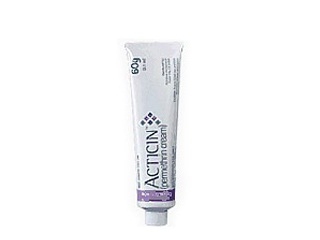
Permethrin (Topical Insecticide/Antiparasitic) – Patient Information (Australia)
Permethrin is a topical medicine used to treat certain skin conditions caused by tiny parasites, especially scabies and lice. It works by damaging the nervous system of the parasite, leading to paralysis and death.
This page is designed to help you understand how permethrin works, how to use it effectively, what to expect, and important safety considerations for use in Australia.
Basic product information
| Topic | Information |
|---|---|
| Active ingredient | Permethrin |
| Common forms | Cream and lotion (formulation strength varies by product and indication) |
| Typical uses | Scabies, head lice (depending on product) |
| Where applied | Skin (scabies) or scalp/hair (head lice), as directed on the label |
| Onset of benefit | Often begins after the first application; itching can continue for days even after successful treatment |
| Re-treatment | May be required based on condition and product guidance (commonly for scabies) |
Note: Different products contain different concentrations and are approved for different conditions. Always follow the instructions supplied with your specific permethrin product.
How permethrin works (mechanism of action)
Permethrin belongs to the group of medicines called pyrethroids. It targets the nerve cells of parasites.
- Permethrin disrupts normal nerve signalling by affecting sodium channels in the parasite’s nervous system.
- This causes paralysis and ultimately kills the parasite.
- For scabies and lice, effectiveness depends on proper application and treating enough contacts and household items to break the cycle of reinfestation.
Pharmacokinetics (what the body does with permethrin)
When permethrin is used on skin, only a small amount is typically absorbed into the bloodstream.
- Absorption: Generally low through intact skin; absorption may be higher when applied to inflamed or broken skin (for example, with severe scabies infestation).
- Distribution: The absorbed portion is distributed through the body to varying extents.
- Metabolism: It is metabolised mainly in the liver.
- Elimination: Metabolites are removed primarily through the kidneys (urine).
Because systemic absorption is usually limited, most side effects relate to the application site (temporary skin irritation) rather than whole-body effects.
Typical uses and indications
Permethrin is used to treat skin infestations caused by certain parasites. The exact indication depends on the formulation you have.
- Scabies: A contagious skin infestation caused by the Sarcoptes scabiei mite.
- Head lice: Infestation of the scalp with lice (commonly in specific lice lotions/shampoos).
Permethrin is intended for parasitic conditions. It is not an antibiotic and does not treat bacterial infections.
When to apply: timing and course duration
Timing is important for success. Follow your product’s label for the exact schedule.
Scabies (common approach)
- Apply at night if the instructions say so, as mites are more active around night time.
- Leave on for the recommended duration before washing off (as per the product directions).
- Repeat if advised (often a second application about 7 days later for scabies, depending on local guidance and the product used).
Head lice (common approach)
- Apply according to label instructions (often with a specific contact time).
- Comb out nits and follow any recommended re-treatment schedule.
- Lice treatment often works best with repeat applications and careful combing.
Why symptoms may persist: Even after mites/lice are killed, itching and skin irritation can continue for days due to your immune system’s reaction. If symptoms worsen or new lesions appear after treatment, you may need reassessment.
Food interactions
There are generally no known food interactions with topical permethrin because absorption is limited. You can usually eat and drink normally.
- If you are using permethrin on a large area or on irritated skin, systemic absorption may be higher—still, food is not typically a factor.
- Follow any additional instructions provided with your specific product.
Alcohol interactions
Topical permethrin is not known to have a direct interaction with alcohol. Still, alcohol may affect skin conditions indirectly (for example, by worsening dehydration or irritation). Avoid excessive alcohol if you notice that it makes itching or skin irritation worse.
Interactions with other medicines
Because permethrin is mainly acting locally with low systemic absorption, major drug interactions are not commonly expected. However, practical interactions can still matter.
- Other topical products: Avoid applying permethrin at the same time as other creams, lotions, or oils unless the product instructions say it is okay.
- Skin condition medicines: If you’re treating infected, very inflamed, or sensitive skin, ask a pharmacist for the best sequencing of products.
- Underlying skin infections: If you suspect secondary bacterial infection (e.g., increasing redness, warmth, pus, fever), you may need medical evaluation and possibly other treatments.
If you are unsure about another medicine you’re using (including non-prescription products), a pharmacist can advise on a safe plan.
Dosing: how much and how often
Exact dose instructions vary by formulation strength and the condition being treated. Always use the amount and schedule on your product label and/or instructions provided by your healthcare professional.
General dosing principles
- Use enough to fully coat the required skin areas (scabies) or hair/scalp sections (lice), as directed.
- Do not over-apply beyond what the label instructs.
- Repeat only if advised. Re-treatment schedules are part of effectiveness and help address eggs or newly hatched parasites.
Typical scabies schedule (example)
- One application covering the recommended areas, left on for the specified contact time.
- Commonly repeated after about 7 days if instructed to do so.
Typical head lice schedule (example)
- Apply for the label contact time, rinse or leave as directed.
- Often requires repeat treatment and ongoing combing on certain days to remove surviving lice and newly hatched lice.
Important: If you do not achieve full coverage or the re-treatment timing is missed, the chance of recurrence or ongoing transmission increases.
Safety profile: side effects and precautions
Permethrin is generally well tolerated when used as directed. Many people experience little or no side effects beyond mild irritation.
Common side effects (usually mild and temporary)
- Skin irritation (burning, redness, itching)
- Tingling or mild stinging at application sites
- Dryness or mild rash
Less common reactions
- Allergic reactions (rare). Seek urgent help if you develop swelling of face/lips, breathing difficulty, widespread hives, or severe rash.
- Eye irritation: Avoid contact with eyes. If it gets into eyes, rinse thoroughly with water.
When to seek medical advice
- Symptoms continue to worsen after correct treatment and re-treatment.
- Signs of skin infection develop (increasing pain, warmth, spreading redness, pus, fever).
- Severe or persistent rash occurs.
- You suspect incorrect diagnosis (for example, symptoms do not fit scabies/lice pattern).
Special populations
- Children: Product directions usually include age/usage guidance. For infants and very young children, ask a pharmacist for confirmation of the correct formulation and schedule.
- Pregnancy: Many topical treatments can be used when benefits outweigh risks; discuss with a pharmacist if you are pregnant or trying to conceive.
- Breastfeeding: Usually compatible with topical use, but avoid applying to the breast area before feeding unless advised.
- People with extensive skin inflammation: Absorption may be higher—use only as directed and seek advice if you have widespread open or weeping skin.
Practical use tips (to improve success)
Permethrin works best when applied thoroughly and paired with appropriate cleaning and treating close contacts.
Scabies practical tips
- Check household contacts: Scabies spreads through close skin-to-skin contact. Many outbreaks require treating close contacts at the same time.
- Apply to all recommended areas: Include body areas specified by the product. Incomplete coverage is a common reason treatment fails.
- Wash after the required contact time: Follow the exact duration (often overnight). Do not rinse early.
- Clothing and bedding: Wash recently used clothing, towels, and bedding using hot water where possible and dry thoroughly. Items that cannot be washed may require bagging/sealing for a period as recommended by local guidance.
- Expect itching to last: Persistent itching after treatment can be normal. If you develop a new rash or worsening symptoms after the expected recovery period, consider reassessment.
Head lice practical tips
- Use a fine-tooth lice comb as directed. Combing helps remove lice and nits and improves outcomes.
- Repeat treatment as scheduled if the label advises reapplication.
- Check close contacts (family, school contacts) to reduce reinfestation.
- Clean items that touch hair: Wash or soak combs, brushes, hats, and pillowcases as recommended.
Alternative options
Depending on the condition, resistance patterns, and individual circumstances, other treatments may be considered. A pharmacist can help you choose the right option.
- For scabies: Other scabicide options may include different topical agents or oral therapies depending on the situation and local guidance.
- For head lice: Alternative treatments may include other insecticidal/anti-lice preparations and mechanical removal (combing).
- Non-medicine support: Careful combing, laundering of fabrics, and treating contacts are often as important as the medicine itself.
Important: If treatment fails repeatedly, it may be due to incomplete coverage, lack of contact treatment, wrong timing, or resistance. Confirming diagnosis and treatment steps can help.
Market and legal context for Australia
Medicines in Australia are regulated by the Therapeutic Goods Administration (TGA). Products containing permethrin are available under different scheduling/categories depending on formulation, strength, and indication.
- Availability may vary between pharmacy-only access and other channels depending on the specific product and brand.
- Manufacturers must meet Australian regulatory requirements for quality, labelling, and safety information.
- Always check the product label for the exact concentration and intended use (scabies vs head lice) before applying.
Recent guidance considerations: Advice for scabies and lice can evolve based on resistance patterns and best-practice infection control. Pharmacists and local health services may recommend specific regimens, including re-treatment timing and how to manage contacts and household items.
Delivery and availability (online pharmacy)
Permethrin products may be available online depending on stock and the specific formulation you select. Typical delivery considerations include:
- Dispatch times: Orders are usually processed within business hours, depending on availability.
- Delivery times: Delivery timeframes depend on location and the carrier service used.
- Product storage: Store the product according to the label (commonly at room temperature away from heat and direct sunlight).
- Packaging: Medicines are typically shipped in sealed protective packaging to maintain product integrity.
If you are unsure which permethrin formulation is appropriate for your condition (scabies vs lice, or different strengths), select the correct product based on the label and your pharmacist’s advice.
FAQ (Frequently asked questions)
1) Can I use permethrin for both scabies and head lice?
Some permethrin products are formulated specifically for scabies, while others are for head lice. Use the product intended for your condition and follow the labelled directions for the correct areas and timing.
2) How long will the itching last after treatment for scabies?
Itching can continue for days (and sometimes longer) even after successful mite killing. This is usually due to your immune reaction. However, if you develop new symptoms after the expected improvement, or if your rash rapidly worsens, you should seek advice.
3) Do I need to treat everyone in the household?
Scabies spreads through close skin contact. Many cases require treating close contacts at the same time to prevent reinfestation. For head lice, check and treat (if needed) close contacts to reduce re-spread.
4) What if I miss the re-application timing?
Effectiveness can drop if re-treatment is delayed or missed. Follow the label or contact a pharmacist for guidance on how to proceed based on your timing and product.
5) Can I wash my skin before the recommended contact time?
No—avoid rinsing early unless the product label instructs otherwise. Washing off too soon can reduce effectiveness because the medicine needs the full contact time to work.
6) Is permethrin safe for children?
Many permethrin products can be used in children when used as directed. Age limits and recommended application areas can differ by formulation. Check the label and ask a pharmacist if you are treating a young child.
7) What should I do if it gets in my eyes?
Rinse your eyes thoroughly with water right away. If irritation persists or is severe, seek medical advice.
8) Will permethrin interact with other lotions or creams?
It’s best to avoid applying other topical products at the same time unless advised. Using multiple products together can alter skin absorption or reduce effectiveness. If you have a complex skin routine, ask a pharmacist for a clear plan.
9) Can I drink alcohol while using permethrin?
There are no common direct alcohol interactions expected with topical permethrin. If alcohol seems to worsen itching or irritation, consider reducing intake and monitor symptoms.
10) What should I do if treatment doesn’t work?
Common causes include incomplete coverage, missed re-treatment, not treating close contacts, or incorrect diagnosis. If you’ve applied the product correctly and symptoms persist or worsen, talk to a pharmacist or healthcare professional for reassessment.
Key takeaways
- Permethrin is a topical pyrethroid used to treat scabies and head lice (depending on the formulation).
- It works by disrupting the parasite’s nervous system.
- Use the correct product, apply thoroughly, and follow the labelled timing (including re-treatment if advised).
- Treat close contacts and manage laundry/household items to prevent reinfestation.
- Mild skin irritation can occur; seek advice if symptoms worsen, you develop a severe rash, or you suspect infection.
Always read the product label carefully before use. If you have questions about which permethrin formulation to choose, or how to treat contacts and household items, speak with a pharmacist.