

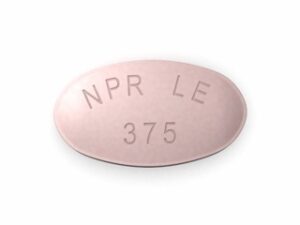

Neoral (Cyclosporine) – Patient Information (Australia)
Neoral contains cyclosporine, an immunosuppressant medicine used to reduce the activity of the immune system. It is used for certain autoimmune and transplant-related conditions where controlling immune activity is important.
This page explains how Neoral works, how it is used, what to expect, and important safety information. Always follow the instructions provided by your healthcare professional and the medicine label.
Basic product information
| Item | Details |
|---|---|
| Brand name | Neoral |
| Active ingredient | Cyclosporine |
| Medicine type | Immunosuppressant (calcineurin inhibitor) |
| Common dosage forms | Capsules and oral solution (strengths vary by product) |
| Why it’s used | To prevent organ rejection and to treat certain autoimmune diseases |
| Who it’s for | Adults and some children for selected indications |
How Neoral works (mechanism of action)
Neoral (cyclosporine) works by inhibiting calcineurin, a key protein inside immune cells. This reduces the activation of immune responses by lowering production of signalling chemicals (such as interleukin-2) that help T-cells multiply and attack the body’s own tissues or a transplanted organ.
In simple terms, Neoral calms down an overactive immune system and helps your body tolerate a transplanted organ or prevents immune-driven inflammation.
Pharmacokinetics (how your body processes it)
“Pharmacokinetics” describes what happens after you take Neoral—how it absorbs, distributes, metabolises, and is eliminated.
Absorption
- Neoral is formulated to improve and stabilise absorption compared with older cyclosporine formulations.
- Blood levels can vary between people and over time, which is why monitoring (where applicable) may be recommended.
Metabolism and elimination
- Cyclosporine is primarily metabolised by the liver via the CYP3A system.
- Its metabolites are mainly eliminated in bile and stool.
Why monitoring matters
For some conditions—particularly in transplant care—clinicians may monitor blood cyclosporine levels to help balance effectiveness against potential toxicity.
Typical uses (indications)
Neoral is used for several medically established indications, including transplant medicine and certain autoimmune diseases. The exact suitability depends on your diagnosis, other treatments, and risk factors.
Common clinical indications include:
- Prevention of organ rejection in people receiving solid organ transplants (e.g., kidney, heart, liver, etc.), often in combination with other medicines.
-
Severe autoimmune or inflammatory conditions where immune suppression is needed and the potential benefits outweigh risks.
Examples may include (depending on local product guidance and physician assessment):
- Severe rheumatoid arthritis
- Severe psoriasis
- Atopic dermatitis / certain dermatologic conditions (selected cases)
- Other specialist indications where cyclosporine is considered appropriate based on clinical guidelines.
If you’re unsure whether Neoral is right for your condition, ask your treating clinician and refer to your product information.
Timing and how to take Neoral
Neoral is usually taken twice daily (every 12 hours), but your exact dose and schedule should be based on your diagnosis and your healthcare professional’s instructions.
General timing tips
- Try to take doses at the same times each day.
- Use a routine that helps you remember (e.g., after breakfast and dinner).
- Do not change the dose without medical advice.
If you miss a dose
- Take the missed dose as soon as you remember, unless it’s close to the next dose.
- If it’s nearly time for the next dose, skip the missed dose and continue with your regular schedule.
- Do not double the dose to make up for a missed one.
Capsules vs oral solution
If you are using the oral solution, measure doses carefully using the marked device provided with the product. If you switch between brands or formulations, absorption characteristics may differ—discuss any change with your pharmacist.
Food interactions (what to know)
Food can affect how cyclosporine is absorbed. Neoral is designed to improve absorption, but it’s still important to take it consistently with regard to meals.
Practical guidance
- Take Neoral in a consistent way relative to meals (for example, always with the same meal pattern each day).
- If your clinician has advised a specific schedule with meals, follow that advice.
- Avoid sudden changes to diet around the time you start or adjust therapy, as this may influence absorption.
If you notice symptoms of under-treatment (e.g., organ rejection concerns in transplant patients) or side effects, contact your healthcare professional rather than changing the timing on your own.
Alcohol and medicine interactions
Neoral has multiple important drug interactions due to metabolism by liver enzymes (especially CYP3A) and possible effects on kidney function.
Alcohol
- Alcohol may increase the risk of side effects and can affect liver and kidney health indirectly.
- If you drink alcohol, discuss what amount is safe for you with your healthcare professional.
Common medicine interaction categories
Always tell your pharmacist or doctor about all medicines you take, including: over-the-counter products, vitamins, herbal supplements, and any recent changes.
-
Strong CYP3A inhibitors (can increase cyclosporine levels and toxicity risk), for example:
- Some azole antifungals
- Macrolide antibiotics (e.g., certain medicines used for infections)
- HIV protease inhibitors (in selected regimens)
-
CYP3A inducers (can decrease cyclosporine levels and reduce effectiveness), for example:
- Some anticonvulsants
- Rifampicin-type antibiotics
- St John’s wort (a herbal supplement)
-
Medicines that may stress the kidneys (higher risk of kidney problems), for example:
- Non-steroidal anti-inflammatory drugs (NSAIDs) in some circumstances
- Some antiviral medicines and other nephrotoxic agents
-
Potassium-related medicines (risk of high or low potassium):
- Potassium supplements or salt substitutes containing potassium
- Some blood pressure medicines
- Other immunosuppressants (may increase infection risk).
This is not a complete list. Your pharmacist can check interactions based on your exact regimen.
Dosing (what to expect)
Neoral dosing varies widely depending on the condition being treated, kidney/liver function, age, and whether you are taking other medicines (especially those affecting the immune system or metabolism).
General principles
- Your dose is typically calculated based on your clinical situation and monitored response.
- Dose adjustments may be needed if side effects occur or blood levels are outside target ranges (where monitoring is used).
- Do not self-adjust the dose when starting or after changes to other medications.
Transplant-related regimens
Transplant protocols often use cyclosporine in combination with other medicines. In some cases, clinicians start with a higher initial dose and adjust over time. Blood monitoring is commonly used to tailor therapy.
Autoimmune indications
For certain autoimmune conditions, clinicians usually aim for the lowest effective dose. Treatment may be adjusted based on disease control and tolerability.
For exact dosing instructions, refer to the specific product information provided for your formulation and your clinician’s plan.
Safety profile (important risks and who should be careful)
Neoral can be effective, but it may cause significant side effects. The most important safety concerns relate to: infection risk, kidney effects, blood pressure, and metabolic changes.
Common and dose-related side effects may include
- Raised blood pressure
- Changes in kidney function
- Tremor or headache
- Gastrointestinal upset (nausea, abdominal discomfort)
- Increased hair growth (hypertrichosis) in some people
- Swelling (oedema) or fluid retention
- Elevated cholesterol and other blood fats
- Elevated liver enzymes
- Increased uric acid levels
Serious potential risks
- Infections: Because it suppresses the immune system, it can increase susceptibility to infections. Watch for fever, sore throat, unusual fatigue, burning when urinating, persistent cough, or any signs of infection.
- Kidney injury: Neoral can affect kidney function. Regular monitoring of blood tests (e.g., creatinine) is often recommended.
- Blood pressure changes: Monitoring is important; some people require antihypertensive treatment.
- Electrolyte disturbances: Potassium and magnesium levels can change.
- Malignancy risk: Long-term immunosuppression may increase risk of some cancers. Discuss cancer screening and skin checks with your clinician.
- Drug interaction toxicity: Strong interactions can raise cyclosporine levels and increase risk of serious side effects.
When to seek urgent medical help
Seek urgent advice if you experience symptoms such as:
- Severe or persistent vomiting or diarrhoea
- Signs of severe infection (high fever, shortness of breath, confusion)
- Significant decrease in urination or swelling with breathlessness
- Severe headache, vision changes, or neurological symptoms
- Chest pain or signs of stroke
Practical use tips for day-to-day success
- Keep a consistent schedule: Take it at the same times daily and keep meal timing consistent.
- Don’t start or stop interacting medicines without checking first (including antibiotics, antifungals, NSAIDs, and herbal supplements).
- Stay hydrated and avoid dehydration, unless your clinician has advised fluid restriction.
- Attend monitoring appointments: Blood pressure and kidney function tests are important.
- Sun protection: If you’re on long-term immunosuppression, use SPF and protective clothing. Report any suspicious skin lesions promptly.
-
Infection prevention:
- Wash hands frequently
- Avoid close contact with people who have contagious illnesses
- Seek medical advice promptly if you develop an infection
- Track your regimen: Use alarms, a pill organiser (if appropriate), and a list of medications for appointments.
Alternative options
Depending on the condition being treated, clinicians may consider other immunosuppressants or management strategies. Alternatives may include different agents within transplant medicine or autoimmune dermatology/rheumatology.
Examples of potential alternatives (discuss with your doctor)
- Tacrolimus (another calcineurin inhibitor)
- Azathioprine (used in some autoimmune and transplant regimens)
- Mycophenolate mofetil (commonly used in transplant settings)
- Methotrexate or other disease-modifying treatments (for certain autoimmune conditions)
- Biologic therapies (for selected conditions based on disease severity and prior treatment)
The “best” alternative depends on your diagnosis, prior response, other medicines, kidney/liver function, and infection risk. Never switch without clinician guidance.
Market and legal context for Australia
In Australia, medicines containing cyclosporine are regulated under the Australian Register of Therapeutic Goods (ARTG). Availability and prescribing arrangements depend on the product formulation and the intended indication.
Online pharmacies typically ensure products are sourced from licensed supply channels and that customers receive appropriate product information. Patients should only use medicines that match the authorised product and instructions provided for their specific situation.
Recent guidance and monitoring expectations
While individual recommendations can vary by condition and patient risk, current clinical practice commonly emphasises:
- Careful interaction checking before starting any new medicine, including antibiotics and antifungals.
- Regular monitoring of kidney function, blood pressure, and relevant blood tests.
- Consistency in formulation and dosing schedule to help maintain stable exposure.
- Prompt evaluation of infections due to increased susceptibility.
- Appropriate cancer and skin surveillance for long-term immunosuppression.
If you have recently started Neoral or changed dose, ask your healthcare professional what monitoring schedule applies to you.
Delivery and availability (online pharmacy)
Neoral availability may vary by formulation (capsules vs oral solution) and pack size. Many online pharmacies in Australia provide convenient ordering and home delivery options.
What to expect
- Stock and lead times: Availability can change due to supply; orders may be dispatched quickly when stock is on hand.
- Packaging: Medicines are supplied in original packaging with clear labelling.
- Delivery timing: Delivery estimates depend on your location and courier service.
- Temperature handling: Store as directed on the pack (typically in a cool, dry place, away from direct sunlight).
If you have time-sensitive treatment needs, contact the pharmacy before placing an order.
FAQ
1. What is Neoral used for?
Neoral (cyclosporine) is used to suppress the immune system to help prevent organ rejection and to treat selected autoimmune/inflammatory conditions, depending on your diagnosis and treatment plan.
2. How long does it take to work?
Some effects may be noticed within days to weeks for certain inflammatory conditions, while transplant-related regimens are part of ongoing immunosuppression. Your clinician will set expectations based on your condition.
3. Why do I need blood tests or monitoring?
Monitoring helps check kidney function, blood pressure, and other safety markers. In some cases (especially transplant care), blood cyclosporine levels may be measured to maintain effective and safer exposure.
4. Can I take Neoral with food?
Food can affect absorption. Take Neoral consistently with regard to meals. If you were given a specific meal schedule, follow it.
5. What medicines should I avoid?
Some medicines can strongly interact with cyclosporine, including certain antifungals, antibiotics, HIV medicines, anticonvulsants, and herbal supplements like St John’s wort. NSAIDs may also require caution. Always check with your pharmacist before starting anything new.
6. Is it safe to drink alcohol?
Alcohol may increase the risk of side effects and can affect liver/kidney health. Discuss safe limits with your healthcare professional.
7. What side effects are most important?
Kidney function changes, high blood pressure, elevated potassium/electrolytes, infection risk, and longer-term risks from immunosuppression are among the most important. Contact your clinician promptly if you develop symptoms of infection or worsening wellbeing.
8. What should I do if I miss a dose?
Take it when you remember unless it’s close to the next dose. Skip the missed dose if near the next dose, and continue your regular schedule. Do not double up.
9. Can I stop Neoral suddenly?
Do not stop Neoral abruptly unless advised by your clinician. Stopping can lead to return of disease activity or increased risk of transplant rejection.
10. Are there alternatives to Neoral?
Yes—depending on your diagnosis, other immunosuppressants or treatment options may be available. Your clinician can advise which option fits your situation.
11. How should I store Neoral?
Store according to the instructions on the pack. Keep medicines in original packaging and out of reach of children. Do not use after the expiry date.
12. Who is at higher risk of side effects?
People with kidney disease, uncontrolled high blood pressure, significant liver impairment, or a high number of interacting medicines may require extra caution and closer monitoring. Your healthcare professional can assess your individual risk.
Important note
This information is designed to be patient-friendly and may not cover every individual situation. If you have questions about your condition, dosing schedule, monitoring, or interactions, speak with your pharmacist or healthcare professional.