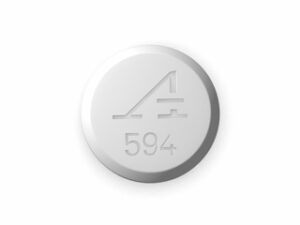


Ibuprofen (e.g., Nurofen® and generic brands) — Patient Information (Australia)
Ibuprofen is a widely used medicine for pain, fever and inflammation. It belongs to a group of medicines called non-steroidal anti-inflammatory drugs (NSAIDs). In Australia, ibuprofen is available in a range of strengths and forms, including tablets, caplets, suspensions for children, and blister packs.
This page explains how ibuprofen works, what it’s used for, how to take it safely, and important interactions and precautions. Always read the label and follow directions provided with your product.
Quick product overview
| Category | Details |
|---|---|
| Active ingredient | Ibuprofen |
| Medicine type | NSAID (non-steroidal anti-inflammatory drug) |
| Common uses | Pain relief, fever reduction, inflammation (e.g., sprains, period pain) |
| How it’s taken | Oral (tablets/caplets or oral liquid for children) |
| How fast it may work | Often within 30–60 minutes for many people |
| Typical dosing schedule | Usually every 6–8 hours as needed (follow your product label) |
| Key safety focus | Stomach irritation/ulcers, kidney effects, heart/blood pressure considerations, allergy/NSAID sensitivity |
How ibuprofen works (mechanism of action)
Ibuprofen reduces pain and fever and helps with inflammation. It works by blocking enzymes called cyclo-oxygenase (COX-1 and COX-2). These enzymes are involved in making prostaglandins, which contribute to inflammation, pain sensitivity, and fever.
- Pain relief: reduces prostaglandins that signal pain.
- Fever reduction: helps normalise temperature regulation in the brain.
- Anti-inflammatory action: reduces swelling and inflammatory responses.
Unlike medicines that simply numb pain, ibuprofen also targets inflammation-related pathways—one reason it’s commonly used for musculoskeletal aches.
Pharmacokinetics (how the body handles ibuprofen)
“Pharmacokinetics” describes what the body does to a medicine—absorption, distribution, metabolism and elimination. Exact values can vary by person and formulation, but the general patterns are:
- Absorption: Ibuprofen is absorbed from the gastrointestinal tract. Taking it with food may slow absorption but can improve stomach tolerance.
- Peak levels: Blood levels typically rise after oral dosing, with peak effects often occurring within about 1–2 hours (varies).
- Distribution: It binds partly to plasma proteins and distributes through the body, including inflamed tissues.
- Metabolism: Primarily metabolised in the liver to inactive metabolites.
- Elimination: Mostly excreted through the kidneys as metabolites.
Because ibuprofen is eliminated largely by the kidneys, people with impaired kidney function require extra caution and may need medical advice before use.
Typical uses in everyday life
Ibuprofen is used to manage short-term symptoms such as:
- Headache and migraine-related pain (follow product directions; if migraines are frequent, seek clinical advice)
- Dental pain
- Period pain (dysmenorrhoea)
- Muscle aches and joint pain
- Back pain and minor sports injuries (e.g., sprains)
- Cold and flu symptoms, particularly fever and aches
- Inflammation-related pain, such as from strains
- Fever associated with illness
If symptoms persist beyond a few days, worsen, or are associated with serious illness (such as severe headache, stiff neck, chest pain, breathing difficulty, or dehydration), it’s important to seek medical advice promptly.
Indications (what conditions it helps)
Depending on the product strength and formulation, ibuprofen is indicated for the temporary relief of:
- Pain of mild to moderate intensity
- Fever
- Inflammation associated with certain conditions
- Menstrual (period) pain
Always check your specific product label for age guidance and approved indications.
When to take ibuprofen (timing and dosing schedule)
Timing depends on the reason for use and your product strength. Many adult products are taken every 6–8 hours as needed, with a maximum daily amount based on the label.
- Start early for best effect: For period pain, taking ibuprofen soon after symptoms begin (or when the pain is starting) may help.
- Use the lowest effective dose: Take only as much as needed to control symptoms.
- Keep to the dosing interval: Don’t take doses too close together.
- Stop when symptoms settle: Use short-term only unless a clinician advises otherwise.
Example timing: A typical schedule might be morning, afternoon, and evening—if required—spaced according to the label (often 6–8 hours). For children, dosing must be weight-based and must follow the product instructions exactly.
Dosing (general guidance for adults and children)
Always follow the dosing instructions on your product packaging. Because ibuprofen products differ (strength per tablet, suspension concentration, and age indications), it’s essential to use the correct dose for your formulation.
Adults and adolescents (general advice)
- Common adult dosing: Often 200 mg to 400 mg per dose, if needed.
- Frequency: Typically every 6–8 hours as needed.
- Maximum daily dose: Do not exceed the maximum on the label.
If you’re unsure how much to take, or you need ibuprofen for more than a few days, speak with a pharmacist.
Children
Children’s ibuprofen dosing is commonly weight-based and depends on the concentration of the liquid or strength of the child’s tablet. Use the measuring device provided with the suspension, and confirm the dose with the product instructions.
- Use the correct product: Adult and children’s formulations are not interchangeable.
- Do not double-dose: If a dose is missed, follow label guidance (typically take when remembered if still appropriate, but never exceed the daily limit).
- Seek advice if dosing is unclear: A pharmacist can help calculate the correct dose.
For children, it’s especially important to avoid overdose and to watch for signs of dehydration or stomach upset.
Food interactions (taking with meals and food)
Ibuprofen can irritate the stomach in some people. Food may change how quickly ibuprofen is absorbed and can improve comfort for the stomach.
- With food: Taking ibuprofen with meals or immediately after food can reduce gastrointestinal discomfort.
- Empty stomach: Some people experience nausea, stomach pain, or heartburn when taking NSAIDs without food.
If you have a sensitive stomach, consider taking ibuprofen with food and a full glass of water (unless your pharmacist advises otherwise).
Alcohol and medicine interactions
Alcohol
Alcohol can increase the risk of stomach bleeding and may worsen side effects like dizziness or irritation. It’s best to avoid or limit alcohol when taking ibuprofen, particularly if you take higher doses, use it frequently, or have a history of ulcers or gastritis.
Other medicines that may interact (important)
Interactions vary by individual and medication list. Consider checking with a pharmacist if you take any of the following:
- Other NSAIDs (e.g., naproxen, diclofenac, aspirin for pain): combining increases risk of stomach irritation and kidney effects.
- Anticoagulants (blood thinners) such as warfarin: increased bleeding risk.
- Antiplatelet medicines such as clopidogrel: may increase bleeding risk.
- Corticosteroids (e.g., prednisone): increased risk of gastrointestinal side effects.
- SSRIs/SNRIs (some antidepressants): may increase bleeding risk when combined with NSAIDs.
- Diuretics (e.g., hydrochlorothiazide): NSAIDs can reduce kidney function and affect blood pressure control.
- ACE inhibitors/ARBs (blood pressure/heart medicines): combined use may raise risk of kidney problems, especially with dehydration.
- Lithium: ibuprofen may raise lithium levels (toxicity risk).
- Methotrexate: can increase methotrexate levels and toxicity risk.
- Some diabetes medicines (e.g., sulfonylureas): monitoring may be needed.
- Digoxin: may increase digoxin levels in some situations.
If you are taking multiple medicines, it’s wise to confirm suitability before starting ibuprofen.
Safety profile: who should be careful and common side effects
Like all medicines, ibuprofen can cause side effects. Many people tolerate it well when used correctly, but some risks are important—especially with higher doses, longer use, or certain health conditions.
Common side effects
- Stomach discomfort, indigestion, heartburn
- Nausea
- Vomiting (less common)
- Headache or dizziness in some people
- Changes in bowel habits (sometimes)
Serious side effects (seek urgent help)
Stop ibuprofen and seek urgent medical advice if you experience:
- Signs of stomach bleeding: vomiting blood, black/tarry stools, or persistent severe stomach pain
- Allergic reactions: swelling of face/lips, wheezing, severe rash, or difficulty breathing
- Severe skin reactions: blistering rash or peeling skin
- Kidney problems: reduced urination, swelling of legs/ankles, unusual fatigue
- Unexplained severe headache, neck stiffness, or neurological symptoms
- Chest pain or shortness of breath
Who should avoid ibuprofen unless advised
- People with a known NSAID allergy or who have had asthma symptoms triggered by NSAIDs
- People with a history of stomach ulcers or gastrointestinal bleeding
- People with significant kidney disease
- People with severe heart failure or significant uncontrolled hypertension
- People taking medicines that interact strongly (as listed above), especially if used repeatedly
If you’re pregnant, there are important trimester-specific considerations for NSAIDs. Check with a pharmacist or doctor for personalised guidance.
Practical tips for safe use
- Read the label every time: Strengths differ between products and brands.
- Don’t “stack” pain relief: Avoid taking multiple NSAIDs together.
- Use water and follow timing: Swallow tablets with a full glass of water.
- Stay hydrated: Especially if you’re unwell with vomiting/diarrhoea, dehydration increases kidney risk.
- Consider heat/ice and rest: For sprains and strains, combining medicine with rest, elevation, and appropriate heat/ice can help.
- Track your symptom response: If there’s no improvement after the expected time, seek advice.
- Be mindful with children: Use the dosing syringe/measure and confirm the weight-based dose.
Alternative options for pain and fever
Depending on your symptoms and medical history, alternatives may include:
- Paracetamol (acetaminophen): Often used for pain and fever and may be gentler on the stomach for some people.
- Other NSAIDs: Some individuals may respond better to another NSAID, but the safety considerations are similar and interactions remain important.
- Non-medicine approaches: Rest, stretching for muscle tension, hydration, warm compresses, or targeted physiotherapy.
- Topical options: For certain joint or muscular pain, topical pain-relief products (e.g., anti-inflammatory gels) may reduce systemic exposure.
If you need ongoing relief, it’s best to discuss options with a pharmacist—especially if you’re using pain medicines repeatedly.
Market and legal context in Australia (non-prescription availability)
In Australia, ibuprofen is commonly available as an over-the-counter (OTC) medicine in various pack sizes and strengths, with instructions for self-care use. Pharmacy supply and product labels guide safe use, including age limits, maximum daily doses, and warnings.
- Australian regulatory oversight: Medicines in Australia are regulated and approved under the Therapeutic Goods framework.
- Pharmacist guidance: Pharmacists can recommend the most suitable product, correct dose, and discuss interactions.
- Safety updates: Product labels and consumer medicine information may be updated as new safety information becomes available.
Always check the pack you purchased, as formulation details can vary across brands.
Recent guidance and safety emphasis (general themes)
Over recent years, guidance for NSAID use has commonly focused on:
- Using the lowest effective dose for the shortest time to control symptoms
- Avoiding multiple NSAIDs together
- Being alert to gastrointestinal bleeding risk, especially in people with past ulcers or with interacting medicines
- Extra caution with kidney risk (dehydration, existing kidney disease, use with diuretics/ACE inhibitors/ARBs)
- Monitoring cardiovascular risk in higher-risk individuals, particularly with frequent or high-dose NSAID use
If you have ongoing conditions (such as chronic pain, high blood pressure, kidney issues, or you take multiple regular medicines), consider seeking personalised advice.
Delivery and availability
Ibuprofen is widely available through Australian pharmacies and many online pharmacy stores. Depending on stock levels and your location, delivery timeframes can vary.
- Availability: Often available in multiple strengths and forms (adult tablets/caplets; children’s oral liquids).
- Delivery: Orders are typically dispatched within business hours, subject to stock and verification checks.
- Packaging: Products are supplied in original packaging with dosing instructions.
If you need a specific formulation (for example, a children’s suspension), ensure you select the correct product strength and age guidance.
FAQ about ibuprofen (Australia)
1) How quickly does ibuprofen work?
Many people feel relief within 30–60 minutes after taking an oral dose. Peak effect may occur around 1–2 hours, though this can vary by formulation and whether you take it with food.
2) Can I take ibuprofen with food?
Yes. Taking ibuprofen with meals or after food can help reduce stomach discomfort. If your label allows, this is often a practical option for sensitive stomachs.
3) Can I take ibuprofen for a cold or flu?
Ibuprofen may help with fever and body aches associated with colds or flu-like illnesses. Use it for symptom relief only and follow dosing instructions on the pack. If symptoms are severe or persist, seek advice.
4) Is it safe to use ibuprofen more than once a day?
It’s commonly used multiple times per day in short-term situations, usually spaced at 6–8 hour intervals. Always respect the maximum daily dose stated on the label. If you need it beyond a few days, speak with a pharmacist.
5) Can I combine ibuprofen with paracetamol?
In some situations, paracetamol and ibuprofen are used together or alternated. However, whether this is appropriate for you depends on your age, medical history, and dosing plans. Ask a pharmacist to confirm a safe schedule and maximum daily limits for both medicines.
6) What should I avoid while taking ibuprofen?
Avoid:
- Other NSAIDs (unless a clinician advises)
- Excess alcohol
- Dehydration (drink fluids, particularly if unwell)
7) Who is at higher risk of stomach problems with ibuprofen?
Risk may be higher for people with past ulcers or bleeding, older adults, those using corticosteroids, certain antidepressants, or blood thinners, and those taking higher doses or using NSAIDs frequently. Consider speaking with a pharmacist for risk assessment.
8) What if I miss a dose?
Take it when you remember if it’s still within the timeframe and you still need symptom relief. Do not take extra doses to make up for a missed dose. Follow your label’s instructions.
9) Can ibuprofen be used during pregnancy?
NSAID safety depends on the stage of pregnancy. If you are pregnant or trying to conceive, seek advice from a healthcare professional before using ibuprofen.
10) When should I seek medical help?
Get advice urgently if you notice signs of allergic reaction, stomach bleeding (e.g., black stools or vomiting blood), severe or persistent pain, breathing difficulties, or signs of kidney problems (such as markedly reduced urination). If symptoms persist beyond a short period, it’s also sensible to consult a pharmacist or doctor.
Disclaimer
This information is intended for general education and does not replace the advice provided with your specific product or by a healthcare professional. Always read and follow the instructions on the packaging and seek professional advice if you have questions, complex medical conditions, or are unsure about dosing.