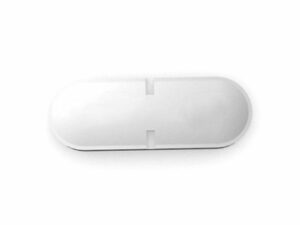


Albendazole (e.g., Albendazole 200 mg) — Patient Information
Albendazole is an anti-parasitic medicine used to treat infections caused by worms and certain intestinal parasites. It is widely used in Australia for a range of parasitic conditions, and it may also be used in special circumstances where a clinician suspects or confirms a parasitic infection.
This guide is designed to be patient-friendly and to help you understand how albendazole works, how it’s typically taken, what to expect, and when to seek further advice.
Basic product information
- Active ingredient: Albendazole
- Common strengths: Often available as tablets (commonly 200 mg) depending on brand and pharmacy supply
- Medicinal class: Anthelmintic (anti-parasitic)
- Typical formulation: Tablets (some markets may also have chewable or suspension forms)
Brand and pack size: Different brands and pack sizes may be available in Australia. Always check the label for your exact strength and instructions.
How albendazole works (mechanism of action)
Albendazole is a benzimidazole anthelmintic. It works mainly by interfering with the parasite’s ability to use glucose (a key energy source). Specifically, it:
- Blocks uptake/utilisation of glucose in the parasite
- Inhibits formation of microtubules inside parasitic cells
- Leads to energy depletion and impaired cell function
- Causes death of susceptible worms and parasites, allowing the body to clear the infection
Not all parasites respond in the same way. Your exact dosing schedule and duration depend on the type of parasite, the site of infection, and other individual factors.
Pharmacokinetics (how your body handles albendazole)
Understanding how the medicine moves through the body can help explain timing and why food can matter. After you take albendazole by mouth, it is absorbed and then metabolised in the body.
- Absorption: Absorption is variable. Taking with food (especially a fatty meal) may increase absorption.
- Metabolism: Albendazole is converted primarily in the liver to its active metabolite, albendazole sulfoxide.
- Distribution: The metabolite can reach tissues where some parasites live (depending on the infection type).
- Elimination: Metabolites are excreted primarily through the liver and kidneys.
Because metabolism involves the liver, people with significant liver disease may require extra caution and monitoring.
Typical use in everyday terms
Albendazole is most commonly used for intestinal worm infections and some related parasitic diseases. It may also be used for certain tissue (extra-intestinal) infections, but these situations often require more specific regimens and medical assessment.
Common reasons albendazole may be used include:
- Pinworm (enterobiasis)
- Roundworm (ascariasis)
- Whipworm (trichuriasis)
- Hookworm (ancylostomiasis/necatoriasis)
- Some tapeworm infections and other helminths (depending on local availability and parasite type)
Treatment success can depend on correctly identifying the parasite, using the right dose and duration, and managing reinfection.
Indications (what it’s used for)
In clinical practice, albendazole is used for a range of parasitic indications. The most appropriate regimen depends on the suspected or confirmed organism and the location of infection.
- Intestinal helminth infections: such as pinworm, roundworm, whipworm, and hookworm
- Some tissue helminth infections: certain parasites that can live in body tissues (this is a more complex situation)
- Community or outbreak control: where public health programs recommend deworming
If you’re unsure which parasite you may have, it’s helpful to review symptoms and risk factors with a healthcare professional or pharmacist.
Dosing: typical schedules (general guidance)
Dosing varies by the condition and the patient’s age/weight. Below are commonly used adult regimens for intestinal parasites. Always follow the instructions on your specific pack or the directions provided by your pharmacist.
| Condition (examples) | Typical adult regimen | Notes |
|---|---|---|
| Pinworm (enterobiasis) | Often taken as a single dose, with a repeat dose after ~2 weeks | Repeat dosing helps address newly hatched worms and reduces reinfection. |
| Roundworm/Whipworm/Hookworm (intestinal helminths) | Often multiple-day courses (commonly 3 days), depending on the condition | Exact duration varies by parasite type. |
| Some tapeworm or mixed infections | Regimens differ substantially | Some cases require specific alternatives or combination strategies. |
| Tissue helminth infections | Often longer courses, sometimes higher doses, and specialist care | Because these cases may involve risk and monitoring needs, dosing should be tailored. |
Children: Dosing for children is usually based on age and/or body weight. Use only the dosing guidance appropriate for the child’s age/weight and the product strength.
Missed dose: If you miss a dose, check with a pharmacist for advice on whether to take it when you remember or adjust your schedule. For deworming regimens with scheduled repeat doses, keeping timing consistent can matter.
Timing: when to take albendazole
- Follow pack instructions: your exact timing may depend on the infection being treated.
- Consistency helps: if you have multiple days of dosing, take each dose at a similar time each day.
- For some regimens: repeat doses may be planned (e.g., to treat pinworm again after a period) to reduce reinfection.
Food interactions (including what to eat)
Food may affect absorption. Many medicines in the benzimidazole group absorb better when taken with meals. In practical terms:
- Taking with food may improve absorption: consider taking your dose with a meal or immediately after food.
- Fatty meals: some absorption increases may be more noticeable with meals containing fat.
- Stomach upset: if nausea occurs, taking with food can help.
If your healthcare professional advised a specific way to take it (e.g., fasting or separate timing from other medicines), follow that advice.
Alcohol and medicine interactions
Alcohol
There is no universally recommended “avoid alcohol completely” rule for albendazole, but alcohol can increase strain on the liver—especially relevant if you are taking other liver-processed medicines or if you’re using albendazole for longer courses.
- For short courses: moderate alcohol may be tolerated by many people, but limiting alcohol is a cautious approach.
- For longer or repeated courses: avoid or minimise alcohol and discuss your situation with a pharmacist or doctor.
Other medicines
Albendazole is metabolised mainly in the liver, and certain medicines may change its levels. This may affect effectiveness or side effects.
Please tell your pharmacist if you take any of the following:
- Liver-affecting medicines or medicines that may raise liver enzymes
- Some seizure medicines (anticonvulsants) such as carbamazepine, phenytoin, or phenobarbital (can alter metabolism)
- Some antibiotics/anti-infectives that influence liver enzymes
- Other anthelmintics or deworming products
- Warfarin (if you are on blood thinning treatment, discuss interactions promptly)
If you’re unsure about interactions, it’s often safest to ask a pharmacist with a list of your medicines (including supplements).
Safety profile: what to know before and during treatment
Most people tolerate albendazole reasonably well, particularly for short courses. However, side effects can occur, and safety depends on dose and duration.
Common side effects
- Headache
- Nausea
- Stomach pain or cramps
- Diarrhoea or constipation
- Dizziness
- Temporary changes in liver blood tests
Less common but important adverse effects
- Allergic reactions: rash, itching, swelling, or difficulty breathing (seek urgent help if severe)
- Significant liver effects: symptoms such as yellowing of the eyes/skin (jaundice), dark urine, or severe tiredness
- Blood count changes: very uncommon but may occur, especially with longer use
When to seek urgent medical advice
- Signs of a serious allergy (swelling of face/lips, breathing difficulty)
- Jaundice or severe persistent vomiting
- Severe abdominal pain or worsening symptoms after treatment
Special considerations
- Pregnancy: Albendazole is generally avoided during pregnancy unless specifically advised by a clinician, particularly in the first trimester. If you are pregnant or planning pregnancy, seek advice before using.
- Breastfeeding: Many people still ask whether it’s suitable. Advice can vary depending on the situation and regimen—ask a pharmacist for guidance.
- Children: Use dosing appropriate for age/weight and follow product instructions carefully.
- Liver disease: If you have known liver problems, you may require extra caution or monitoring.
- Longer courses: Extended regimens may require blood tests to monitor liver function and blood counts.
Practical use tips for best results
Deworming is not only about taking a tablet—the overall approach can help prevent reinfection and improve outcomes.
- Complete the scheduled course: don’t stop early even if symptoms improve.
- Pinworm prevention steps: wash hands thoroughly, keep nails short, change underwear daily, and consider cleaning bedding and clothing.
- Treat close contacts if advised: with some parasites (notably pinworm), household members may need treatment to prevent the cycle of reinfection.
- Hygiene matters: regular handwashing, cleaning high-touch surfaces, and laundering contaminated items can reduce spread.
- Track symptoms: if symptoms persist or worsen after treatment, seek advice—another parasite or diagnosis may be present.
Alternative options
Depending on the parasite, alternative anti-parasitic medicines may be considered. The best choice depends on diagnosis, age, pregnancy status, and local availability.
Examples of alternatives that may be used for certain intestinal parasites include:
- Mebendazole: another common deworming medicine, often used for similar intestinal helminths
- Praziquantel: often used for certain tapeworm infections
- Niclosamide (in some settings): sometimes used for specific tapeworm indications
For suspected tissue parasites or complex infections, treatment selection may differ and may require specialist guidance. A pharmacist can help compare typical options for common intestinal parasites and advise what’s suitable for your situation.
Market and legal context for Australia
In Australia, the availability of medicines is regulated through the national medicines framework, including classification by the Therapeutic Goods Administration (TGA). Anti-parasitic medicines may be available through different channels depending on product classification and the indication.
Pharmacy supply practices may also vary. When purchasing deworming medicines, you should:
- Check that the product is appropriate for your intended use
- Follow the label directions and any pharmacist advice
- Be cautious with “online” offers that do not clearly identify the product, strength, or manufacturer
If you have symptoms that could indicate complications (e.g., severe abdominal pain, blood in stool, persistent fever, or neurological symptoms), timely medical assessment is important.
Recent guidance (practical summary)
Public health recommendations in Australia can include hygiene measures and deworming guidance for specific contexts such as school outbreaks, travel-related infections, or high-risk communities. While specific schedules may change, the general approach commonly includes:
- Correct identification of the likely parasite
- Using an effective medicine at the right dose and duration
- Reducing reinfection with hygiene and, when appropriate, treating household contacts
- Seeking medical review when symptoms persist, when infections are severe, or for complex tissue involvement
Guidance is also shaped by updates from health authorities and evidence reviews. If you want confirmation for your specific situation, a pharmacist can provide current, Australia-relevant advice.
Delivery and availability in Australia
Albendazole may be available through online pharmacies in Australia depending on product classification and stock. When ordering, you should look for:
- Clear product details: strength (e.g., 200 mg), tablet count, and manufacturer/brand name
- Expiry date information: a valid expiry date should be provided
- Trusted pharmacy sourcing: the pharmacy should clearly state it is an Australian-registered supplier
- Delivery estimates: typical delivery time depends on your location and shipping method
Delivery services generally include tracking options and standard courier timeframes. If your treatment is time-sensitive (for example, scheduled repeat dosing), consider ordering with enough buffer for delivery.
Frequently asked questions (FAQ)
1) What is albendazole used for?
Albendazole is used to treat parasitic worm infections, particularly certain intestinal helminths. It may also be used for some tissue infections, but those cases often require tailored regimens and monitoring.
2) How long does it take to work?
Some people notice symptom improvement within days, but the medicine works by killing susceptible parasites. Complete clearance can take longer depending on the parasite type and the infection burden. If symptoms don’t improve or return quickly, you may need reassessment.
3) Do I need to repeat the dose?
For some parasites (commonly pinworm), a repeat dose after about two weeks is often used to target newly hatched worms. Whether you need to repeat depends on the infection type—follow your dosing schedule carefully.
4) Can I take albendazole with food?
Often, yes—and taking it with food may improve absorption and reduce stomach upset. Follow the product label and pharmacist instructions if they provide specific directions for your product.
5) Should I avoid alcohol?
It’s generally wise to limit alcohol while taking medicines that may involve liver metabolism. For short courses, occasional drinking may be tolerated by many people, but if you’re taking longer courses or have liver issues, avoid alcohol and seek advice.
6) What side effects are common?
Common side effects include headache, nausea, stomach discomfort, and diarrhoea or constipation. Mild side effects typically settle, but stop and seek advice if you develop severe reactions.
7) When should I contact a pharmacist or doctor?
Contact advice promptly if you have signs of an allergic reaction, jaundice, severe abdominal pain, persistent vomiting, or if symptoms continue despite completing the correct course.
8) Can albendazole be used for children?
Yes in some circumstances, but dosing depends on age and/or weight, and you must use the correct regimen for the child’s situation. Always check the dosing guidance for the exact product strength.
9) What if I’m pregnant or breastfeeding?
Albendazole is usually avoided during pregnancy unless specifically advised. If you are breastfeeding, it’s important to seek individual advice about suitability for your situation and regimen.
10) What if I think I might have a tapeworm or a tissue infection?
Treatment for tapeworm and tissue infections may differ from common intestinal worm regimens, and the dosing strategy may be more complex. If symptoms suggest a more serious or unusual parasite, seek professional advice rather than self-treating with the same schedule used for pinworm.
Key takeaways
- Albendazole is an anti-parasitic medicine used for certain worm infections.
- It works by disrupting parasite energy use and cell structures.
- Food may improve absorption; take with a meal if this suits you and the label does not advise otherwise.
- Side effects are usually mild for short courses, but seek urgent help for severe symptoms or allergic reactions.
- Hygiene and reinfection prevention are often essential—especially for pinworm.
If you’re unsure which parasite you’re treating or how to follow the schedule for your specific product, a pharmacist can help you choose the most suitable option and understand how to take it safely.