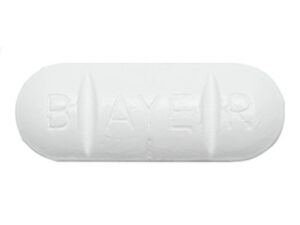

Praziquantel (Praziquantel tablets) — Patient Guide (Australia)
Praziquantel is an anti-parasitic medicine used to treat infections caused by certain worms (helminths). It works by targeting the parasite’s nervous system and protective outer covering, leading to paralysis and elimination of the organism from the body. This guide explains how praziquantel works, when it’s used, how to take it safely, and what to expect in day-to-day use.
Important: If you suspect you have a parasite infection, it’s best to confirm the diagnosis with a clinician and follow local guidance—especially when symptoms are severe or you’re pregnant, breastfeeding, or caring for a child.
Basic product information
| Category | Details |
|---|---|
| Medicine name | Praziquantel |
| Common form | Tablets (formulations may vary) |
| What it treats | Parasitic worm infections (specific species) |
| How it works | Causes paralysis and disruption of parasite tissues |
| Typical course | Often a single dose or short course depending on infection |
How praziquantel works (mechanism of action)
Praziquantel is active against several types of parasitic worms. Its key actions include:
- Disrupting the parasite’s outer surface, affecting how the worm maintains ion balance.
- Increasing calcium activity within the parasite, leading to muscle contraction and paralysis.
- Allowing the immune system and the body’s processes to remove the impaired parasite.
The medicine does not work on most “roundworms” (nematodes) or many external parasites. It is most effective for certain trematodes (flukes) and cestodes (tapeworms), depending on the species.
Pharmacokinetics (how the body handles praziquantel)
“Pharmacokinetics” describes absorption, distribution, metabolism, and elimination. While exact values can vary by formulation and individual factors, the general pattern is:
- Absorption: Praziquantel is absorbed from the gastrointestinal tract.
- Distribution: It distributes through body tissues, including areas where parasites may be located.
- Metabolism: Praziquantel is extensively metabolised by the liver.
- Elimination: Metabolites are largely excreted, typically through the urine.
- Half-life: The parent drug is cleared relatively quickly; however, effects can persist as the parasite is affected and eliminated.
Because liver metabolism plays an important role, people with significant liver disease may need additional clinical oversight.
Typical use in Australia
Praziquantel is used to treat specific parasitic worm infections. In Australia, it is most often relevant for travellers who acquire infections overseas, people with exposure to contaminated freshwater, and cases linked to certain food sources or endemic travel destinations.
Common infection categories where praziquantel is used include:
- Schistosomiasis (bilharzia) caused by Schistosoma species acquired in freshwater exposures.
- Trematode infections (flukes) such as certain intestinal and tissue flukes.
- Tapeworm infections (cestodes) where praziquantel is indicated for the relevant species.
The exact indication depends on the confirmed parasite species and site of infection. For some serious infections (particularly involving the eyes or brain), urgent medical assessment is essential before treatment.
Timing: when and how to take praziquantel
Timing and dosing depend on the infection being treated. In general, follow the dosing schedule provided by your healthcare team or the medicine label for your specific situation. Many regimens are designed as a single dose or a short course.
General “take it” guidance
- Take with food when possible to help comfort and absorption (follow label instructions).
- Swallow tablets whole with water unless your product instructions say otherwise.
- Space doses evenly if multiple doses are prescribed in one day.
- Finish the prescribed course, even if you feel better quickly.
Missed dose: If you miss a dose, take it as soon as you remember unless it’s close to the next scheduled dose. Do not double the dose without guidance.
Food interactions
Food can influence how praziquantel is absorbed. In many cases, taking praziquantel with food is recommended or can improve tolerance.
- With meals: Often preferred for better tolerability and absorption.
- Alcohol-free approach: Avoid alcohol around the time of treatment to reduce nausea and dizziness risk.
If you have gastrointestinal symptoms (nausea, vomiting, reflux), taking the medicine with food may be more comfortable. If you are unable to keep tablets down, seek medical advice promptly.
Alcohol and medicine interactions
While praziquantel is not known for a single specific “dangerous reaction” with alcohol in all circumstances, alcohol can worsen side effects such as dizziness, drowsiness, nausea, and headaches—making it harder to manage treatment safely.
Practical recommendations about alcohol
- Limit or avoid alcohol during treatment and for at least 24 hours after your dose (or longer if you still feel unwell).
- Avoid driving or operating machinery if you feel dizzy or drowsy.
Interactions with other medicines (important)
Praziquantel is metabolised in the liver, so medicines that alter liver enzymes may change praziquantel levels. Tell a pharmacist or clinician about all medicines you take, including:
- Anticonvulsants (some seizure medicines may affect levels)
- Certain antibiotics and antifungals
- Certain HIV medicines or other specialty medications
- Herbal products (e.g., St John’s wort can affect enzyme activity)
- Warfarin and other anticoagulants (interaction risk varies; confirm with a clinician)
Because interaction severity depends on the exact medicines and doses, always check with a pharmacist or clinician. If you’d like, share your medication list and we can help identify whether any commonly used items may interact.
Indications: which infections praziquantel treats
Praziquantel is used to treat infections where it has proven effectiveness. Indications vary by parasite species and infection location.
Examples of indications include:
- Schistosomiasis due to relevant Schistosoma species.
- Some intestinal trematode infections (flukes) depending on species.
- Tissue infections in certain contexts, though urgent assessment may be needed.
- Tapeworm infections caused by susceptible cestode species.
Special note: Infections involving the eye or brain require careful planning. Treatment may be time-sensitive and may involve additional medicines to reduce inflammatory complications.
Dosing: typical adult and child guidance
Dosing depends on the infection, parasite species, body weight, and sometimes severity. Do not use a different dosing schedule than the one recommended for your specific diagnosis.
Common dosing principles
- Body weight is often used for dosing, especially in children.
- Many regimens are single-dose or repeat doses separated by hours or days.
- Some infections require repeat treatment to clear remaining parasites or prevent recurrence.
Adult dosing example (for illustration only)
Many praziquantel regimens are weight-based and delivered as one or two doses. Exact schedules vary widely by diagnosis. Always rely on the schedule provided for your condition.
| Infection type (general) | Typical course pattern | Notes |
|---|---|---|
| Susceptible tapeworm infections | Often single-dose or short schedule | Species confirmation matters |
| Susceptible fluke infections | Often single-dose or repeat dosing | Location and species affect schedule |
| Schistosomiasis | Often one day course | Some cases require repeat treatment |
Children: Dosing is usually weight-based. Use the correct tablet strength and confirm the amount with a pharmacist if you’re unsure.
If you have liver disease: Your healthcare professional may adjust monitoring or dosing schedule.
Safety profile: what to know before and during treatment
Like all medicines, praziquantel can cause side effects. Many people experience mild and temporary symptoms, particularly within the first few hours after taking a dose.
Common side effects
- Nausea
- Abdominal discomfort
- Headache
- Dizziness
- Fatigue
- Diarrhoea or loose stools
- Vomiting (sometimes)
- Fever or chills (may occur in certain infections)
Less common but important risks
- Allergic reactions such as rash, itching, swelling, or breathing difficulty.
- Neurological symptoms (e.g., confusion, significant dizziness, severe headache)—especially relevant if there’s tissue involvement.
- Visual symptoms (pain, redness, vision changes), which require urgent assessment if infection affects the eye.
When to seek urgent medical help
Seek urgent help if you experience:
- Swelling of the face/lips, hives, or trouble breathing
- Severe or worsening headache, stiff neck, fainting, or confusion
- Severe eye pain, vision loss, or persistent severe dizziness
- Persistent vomiting preventing you from keeping medicines down
Practical use tips for best results
- Confirm the diagnosis if possible: Parasite species matter. Treatment success depends on correct targeting.
- Take with food: This can improve comfort and may help absorption.
- Plan for short-term side effects: Arrange a calmer day after dosing, especially if you feel dizzy.
- Hydrate: If you have diarrhoea or nausea, drink fluids regularly.
- Don’t share dosing decisions: Use the schedule meant for your infection; don’t copy others’ regimens.
- Follow follow-up advice: Some infections may require repeat stool/urine testing or a repeat dose.
If symptoms persist after treatment, contact a clinician. Ongoing symptoms can be due to incomplete clearance, re-exposure, or inflammation from the dying parasites.
Alternative options (depending on diagnosis)
There is no single “one-size-fits-all” anti-parasitic for every organism. Alternatives depend on the specific parasite, location, and severity.
Common alternative classes (not interchangeable)
- Other antihelminth medicines for specific worms (e.g., different agents for certain roundworms or specific tapeworm species)
- Combination treatment where recommended for particular conditions
- Supportive or anti-inflammatory medicines in tissue infections to reduce inflammatory complications (this depends on the clinical scenario)
If you’re choosing between options, the safest approach is to match the medication to the confirmed parasite type. A pharmacist or clinician can help interpret test results or travel history and recommend the most appropriate therapy.
Australia: market and legal context
In Australia, the supply and classification of medicines follow the Australian regulatory framework administered by the Therapeutic Goods Administration (TGA). Availability may differ depending on product brand, strength, and regulatory status.
Online pharmacies in Australia typically follow requirements for identification, order limits where applicable, and appropriate pharmacist review processes to ensure safe use. This includes considering contraindications, drug interactions, and whether a patient’s symptoms require medical assessment.
Always check that the product you purchase is registered/approved for supply in Australia and that the dosage strength matches the plan for your condition.
Recent guidance and clinical updates (what to expect)
Guidance for parasitic infections can evolve based on emerging evidence, resistance patterns (where relevant), and best practice for managing complications. In Australia, clinicians commonly reference:
- Local and international infectious disease recommendations for travel-related parasites
- Public health advice when outbreaks or clusters are reported
- Specialist guidance for severe tissue infections
If you recently returned from travel or have had potential freshwater exposure, seek medical assessment early—particularly if symptoms include blood in urine, severe abdominal pain, neurological symptoms, or eye-related symptoms.
Delivery and availability
Delivery times vary between pharmacies and depending on whether stock is held locally or needs to be supplied via distribution. To help your order arrive smoothly:
- Ensure your delivery address and contact details are correct.
- Check product strength and quantity before checkout.
- If dosing involves multiple tablets over a short schedule, confirm you’ll have enough tablets on hand.
Availability may also depend on the specific product brand and formulation. If you’re not sure which strength to choose, a pharmacist can assist.
FAQ: Praziquantel
1) What is praziquantel used for?
Praziquantel treats infections caused by certain parasitic worms (not all parasites). Common categories include schistosomiasis and some tapeworm and fluke infections, depending on the species and location.
2) How quickly does praziquantel work?
Many people feel symptom improvement within days, but the timeline can vary. Some symptoms may briefly worsen because the immune system responds to parasites being killed. Follow-up is often needed for certain infections.
3) Can I take praziquantel on an empty stomach?
Many patients are advised to take it with food for better comfort and absorption. Follow the product label instructions for your specific formulation.
4) Will I be contagious after treatment?
Whether you can pass infection to others depends on the parasite’s life cycle. Hygiene is important, especially washing hands thoroughly and following public health advice. A clinician can advise based on your diagnosis.
5) What side effects are normal?
Mild nausea, headache, dizziness, or abdominal discomfort are relatively common and usually temporary. Seek urgent advice if symptoms are severe or you develop signs of allergy or neurological/eye complications.
6) Can I drink alcohol while taking praziquantel?
It’s generally best to avoid or limit alcohol during treatment. Alcohol can worsen dizziness, nausea, and overall side effects.
7) What if I vomit soon after taking a dose?
If you vomit shortly after taking praziquantel, absorption may be reduced. Contact a pharmacist or clinician promptly for advice on whether another dose is needed.
8) Are there medicines I must avoid?
Praziquantel can interact with medicines that affect liver metabolism. Tell your pharmacist about all medications, including seizure medicines, antifungals, antibiotics, HIV treatments, anticoagulants, and herbal products such as St John’s wort.
9) Is praziquantel safe in pregnancy or breastfeeding?
Safety depends on the infection and the trimester/breastfeeding stage. Discuss with a clinician for an individual risk-benefit assessment.
10) When should I follow up after treatment?
Follow-up may include symptom review and repeat tests depending on the parasite. If symptoms persist or return, contact a clinician for further assessment.
Final reminder: Proper diagnosis and correct dosing are key to effective treatment. If you’re unsure whether your symptoms match an infection praziquantel treats, seek medical advice before taking the medicine.