
Arcoxia (Etoricoxib) — Patient Guide (Australia)
Arcoxia is a prescription-strength anti-inflammatory medicine containing etoricoxib, a type of drug known as a selective COX-2 inhibitor (a “coxib”). It is used to help manage pain and inflammation in certain joint and musculoskeletal conditions.
This guide explains how Arcoxia works, how it’s taken, what to watch for, and practical tips to help you use it safely. Always follow the directions provided with your medicine.
Basic product information
- Medicine: Arcoxia
- Active ingredient: Etoricoxib
- Drug class: Selective COX-2 inhibitor (NSAID-like anti-inflammatory)
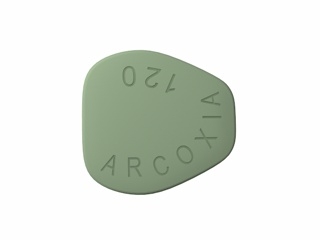
- Common strengths (varies by market and prescriber directions): Often available in tablets such as 30 mg, 60 mg, 90 mg, and 120 mg
- How it’s supplied: Tablets
Note: Tablet strength and dosing can vary depending on your condition and risk factors (such as heart, kidney, stomach, and blood pressure history).
How Arcoxia works (mechanism of action)
Etoricoxib works by blocking an enzyme called cyclooxygenase-2 (COX-2). COX-2 helps produce prostaglandins—chemicals in the body that contribute to pain, fever, and inflammation.
- COX-2 inhibition: Reduces inflammation and pain in tissues such as joints.
- Less COX-1 activity: Compared with non-selective NSAIDs (e.g., ibuprofen, naproxen, diclofenac), COX-2 selective medicines tend to have a lower impact on COX-1, which is involved in protecting the stomach lining. However, GI (stomach) risks still exist, especially at higher doses, with longer use, or when combined with other medicines.
Typical uses and indications
Arcoxia is used for conditions where pain and inflammation are part of the problem. In Australia, indications commonly include:
- Osteoarthritis (OA): Pain and limited function due to cartilage/joint degeneration.
- Rheumatoid arthritis (RA): Inflammatory joint disease.
- Ankylosing spondylitis (AS): Inflammatory back/spine condition.
- Acute pain conditions: Such as acute gout flares and, in some circumstances, short-term management of acute musculoskeletal pain (depending on local product indications and clinician direction).
Important: Arcoxia is designed for shortest duration and lowest effective dose to reduce risk—particularly cardiovascular and kidney-related risks.
Pharmacokinetics (how the body handles etoricoxib)
Understanding pharmacokinetics can help you predict how quickly the medicine acts and how often doses are needed.
| Feature | What to expect (general) |
|---|---|
| Absorption | Etoricoxib is absorbed after tablet intake. Food has minimal effect on overall absorption (details below). |
| Time to peak levels | Typically about 1 hour after dosing (may vary by person). |
| Onset of symptom relief | Many people notice pain relief within the first several hours. For inflammatory conditions, benefit may build over days. |
| Half-life | Long enough to support once-daily dosing in many cases (exact duration varies by dose and individual factors). |
| Metabolism | Primarily processed by the liver (metabolic pathways involve CYP enzymes). |
| Elimination | Metabolites are excreted mainly through kidneys and some through bile/faeces. |
Timing and how to take Arcoxia
In many treatment plans, Arcoxia is taken . Your exact dose and schedule depends on your diagnosis, symptom severity, and risk factors.
Common timing guidance
- Choose a consistent time each day to maintain steady medicine levels.
- Take with water. Tablets can usually be taken with or without food.
- Do not exceed prescribed dose or duration.
- If you miss a dose, take it when you remember unless it is close to the next dose. Do not take double.
For acute flare pain (e.g., acute gout)
Acute conditions are often treated with short-term dosing. Short courses help reduce the likelihood of side effects. Your clinician will advise the best approach for your situation.
Food interactions and what to watch
Food usually does not significantly change how much Arcoxia is absorbed. However, certain food-related factors can still matter.
- General meals: Many people can take Arcoxia with food or on an empty stomach.
- High-fat meals: Typically minimal effect on overall absorption.
- Hydration: Staying well hydrated supports kidney health, especially if you’re taking a medicine that can affect kidney function.
Practical tip: If Arcoxia ever upsets your stomach, taking it with food may improve comfort for some people.
Alcohol and medicine interactions
Alcohol
Alcohol can increase the risk of stomach irritation/bleeding and can also affect the liver. Even though Arcoxia is a COX-2 selective medicine, GI risk is not eliminated.
- If you drink alcohol, consider keeping it moderate and avoiding heavy or binge drinking.
- Seek urgent medical attention if you experience signs of GI bleeding, such as black/tarry stools or vomiting blood.
Other medicines (common interaction themes)
Interactions depend on your current medicines, dose, kidney function, liver status, and cardiovascular risk. Below are key categories to discuss with your healthcare professional or pharmacist:
- Other NSAIDs (e.g., ibuprofen, naproxen, diclofenac, aspirin for pain): Combining increases GI and kidney risk. Avoid unless specifically advised.
- Blood thinners (e.g., warfarin, apixaban, rivaroxaban): May increase bleeding risk. Close monitoring may be needed.
- Antihypertensives (ACE inhibitors, ARBs, diuretics): NSAID-like medicines can reduce blood pressure control and may affect kidney function, especially when combined with certain combinations (sometimes referred to as the “triple whammy” when NSAID + ACE inhibitor/ARB + diuretic are used together).
- Diuretics: May reduce diuretic effectiveness and affect fluid balance.
- Diabetes medicines (e.g., insulin, sulfonylureas): Occasional effects on glucose control have been reported with NSAID-class medicines—monitoring may be required.
- Strong CYP inhibitors/inducers: Since etoricoxib is metabolised by liver enzymes, some medicines may alter levels.
- Lithium: NSAID-class medicines may increase lithium levels, raising toxicity risk.
- Methotrexate: Certain NSAID-class interactions can increase methotrexate levels.
- Corticosteroids (e.g., prednisone): Can increase GI risk when combined.
Important: Do not start, stop, or combine medicines without checking with your pharmacist—especially if you take blood thinners, manage high blood pressure, have kidney disease, or take multiple inflammatory/pain medicines.
Dosing (general information)
Dose depends on the condition and patient risk profile. Common dosing approaches for etoricoxib are typically once daily and vary with the diagnosis.
Because dosing can differ: Always follow the exact dose written on your label.
| Condition (examples) | Typical once-daily dose range (general) | Duration |
|---|---|---|
| Osteoarthritis | Often 30 mg daily (or other dose based on response) | As advised; aim for the shortest effective time |
| Rheumatoid arthritis | Often 60 mg daily (may vary) | Longer-term control may be needed, with regular review |
| Ankylosing spondylitis | Often 60 mg daily | As advised; monitor periodically |
| Acute gout flare | Often 120 mg once daily for short periods | Typically short course |
Note: The above ranges are educational and may not reflect your individual prescribed regimen. People with higher cardiovascular risk, fluid retention risk, or kidney/liver impairment may require different dosing and closer monitoring.
Special dosing considerations
- Lowest effective dose: It’s generally recommended to use the lowest dose that controls symptoms.
- Shortest duration: Longer courses can increase risk, so regular review is important.
- Liver impairment: Dose adjustments may be necessary in liver disease.
- Kidney impairment: Careful assessment is needed because NSAID-class drugs can affect kidney function.
- Older adults: Older people may have higher risk for stomach bleeding, kidney issues, and cardiovascular events—extra caution is required.
Safety profile and when to get help urgently
Like all anti-inflammatory medicines, Arcoxia can cause side effects. Many people tolerate it well when used at the lowest effective dose for the shortest time, but risks increase with higher doses and prolonged use.
Common side effects
- Headache
- Dizziness
- Stomach discomfort, indigestion, nausea
- Swelling of legs/ankles (fluid retention) in some people
Serious risks (important)
Discuss these risks with a healthcare professional, especially if you have cardiovascular disease or risk factors.
- Cardiovascular risk: COX-2 inhibitors have been associated with an increased risk of serious cardiovascular events (such as heart attack and stroke), particularly when used at higher doses or longer periods.
- Blood pressure effects: Arcoxia can raise blood pressure or worsen control.
- Kidney effects: May reduce kidney function, especially in dehydration, older age, existing kidney disease, or when combined with certain medicines.
- Stomach and intestinal bleeding: GI bleeding, ulcers, and perforation can occur. Risk increases with age, history of ulcer/bleeding, higher doses, longer use, smoking, alcohol, and certain medicines (like corticosteroids or blood thinners).
- Allergic reactions: Rarely, serious hypersensitivity can occur.
- Liver effects: Rarely, liver function can be affected.
Seek urgent medical attention if you notice
- Chest pain, shortness of breath, weakness on one side, or sudden speech problems
- Black/tarry stools or vomiting blood
- Severe stomach pain
- Significant swelling of face, lips, hands, or sudden weight gain
- Reduced urination or signs of dehydration
- Signs of liver problems (yellowing eyes/skin, dark urine, severe fatigue)
- Rash, blistering, or breathing difficulties
Practical use tips (making treatment safer and more comfortable)
- Review regularly: If you need Arcoxia beyond a short period, discuss ongoing need and dose with your healthcare professional.
- Know your risk factors: If you have heart disease, stroke history, high blood pressure, kidney disease, ulcer history, or are on blood thinners, your risk may be higher.
- Monitor blood pressure: Check regularly if you have hypertension or are at risk of it.
- Stay hydrated: Adequate fluid intake supports kidneys—especially in hot weather or during illness.
- Avoid doubling up: Don’t take other NSAIDs at the same time unless advised.
- Use non-medicine strategies too: Gentle exercise, physiotherapy, weight management, joint protection, and heat/cold can reduce pain and lower the dose needed.
- Be cautious with steroid “bursts”: Corticosteroids can increase GI risk when combined—ask your pharmacist.
Alternative options for osteoarthritis and inflammatory joint pain
If Arcoxia is not suitable or doesn’t provide enough relief, there are other options. Alternatives depend on your diagnosis and health risks.
Non-medicine approaches
- Physiotherapy and strengthening exercises
- Weight loss (for joint loading conditions)
- Heat/cold packs
- Assistive devices (e.g., braces, orthotics)
- Activity pacing and ergonomic adjustments
Medicine alternatives
- Other NSAIDs (non-selective such as ibuprofen/naproxen) — may carry higher GI risk.
- Topical NSAIDs (e.g., topical diclofenac) — useful for certain localised OA pain with less systemic exposure.
- Paracetamol (acetaminophen) — may help mild pain; does not treat inflammation like NSAIDs.
- For inflammatory arthritis: Disease-modifying therapies (DMARDs) are often used for RA/AS under specialist care.
Gout and acute flares: Alternative treatments may include colchicine, corticosteroids, or other regimens depending on your medical history and local guidance.
Market and legal context for Australia
In Australia, Arcoxia (etoricoxib) is generally supplied as a medicine regulated for appropriate clinical use. Access typically involves medical assessment to determine suitability, dose, and duration based on your medical history and risk factors.
Supply may require dispensing through licensed pharmacies in accordance with Australian medicines legislation and state/territory requirements.
Pharmacist support: Community pharmacists can provide information on interactions, how to take the medicine, and what to monitor.
Recent guidance and safety updates (general)
Over recent years, regulators and clinical bodies have continued to emphasise several consistent points for COX-2 inhibitors:
- Use the lowest effective dose and shortest possible duration.
- Assess cardiovascular and kidney risk before starting and during longer use.
- Monitor for GI symptoms and consider protective strategies when appropriate.
- Be careful with drug interactions, especially blood thinners, antihypertensives, and other NSAIDs.
If you’re unsure whether your specific dose and duration are appropriate, ask your pharmacist or clinician for tailored advice.
Delivery and availability in Australia
Arcoxia availability can depend on tablet strength and local supply. Many Australian online pharmacies offer:
- Secure online ordering through a licensed pharmacy platform
- Packaging designed to protect tablets during transit
- Home delivery within Australia (delivery timeframes vary by location and dispatch schedules)
- Customer support for order tracking and medication-related questions
Tip: When placing an order, ensure your medication details (strength and quantity) are correct and stored as directed once delivered.
Storage
- Store tablets at room temperature in a dry place.
- Keep in the original packaging and away from moisture.
- Keep out of reach of children.
FAQ about Arcoxia (Etoricoxib)
1) How quickly does Arcoxia work?
Many people begin to feel pain relief within hours. Peak medicine levels are typically reached about 1 hour after taking a tablet. For inflammatory arthritis, noticeable benefit may take days.
2) Can I take Arcoxia with food?
Yes. Food generally has minimal impact on absorption, so you can usually take Arcoxia with or without meals. If you experience stomach discomfort, taking it with food may help.
3) Is Arcoxia the same as ibuprofen or naproxen?
No. Arcoxia contains etoricoxib, a selective COX-2 inhibitor. Ibuprofen and naproxen are non-selective NSAIDs that inhibit COX-1 and COX-2 more broadly. Risks and side effects can differ.
4) Can I take other painkillers at the same time?
You may be able to take paracetamol in many cases, but you should avoid combining Arcoxia with other NSAIDs (ibuprofen/naproxen/diclofenac) unless a clinician specifically advises it. Always check with a pharmacist.
5) What are the biggest risks I should know about?
The most important risks include cardiovascular events, blood pressure increase, kidney problems, and stomach ulcers/bleeding. Risk is higher with larger doses and longer use, and when combined with certain medicines.
6) Can I drink alcohol while taking Arcoxia?
Moderate alcohol intake is generally advised to be avoided or limited. Alcohol can increase stomach irritation and bleeding risk and can affect the liver. If you plan to drink, ask your pharmacist—especially if you have a history of ulcers, bleeding, liver disease, or are on blood thinners.
7) What should I do if I miss a dose?
Take it when you remember unless it’s close to your next dose. Don’t take two doses together to make up for a missed one.
8) Who should use extra caution?
Extra caution is needed if you have or have had heart disease, stroke, high blood pressure, kidney disease, ulcers/bleeding, liver impairment, or if you take blood thinners or multiple medicines. Your pharmacist can help check interactions.
9) Is Arcoxia suitable for long-term use?
Some people may use it longer-term for chronic inflammatory conditions, but it should be reviewed regularly. Longer use generally increases risk, so the lowest effective dose and periodic reassessment are important.
10) How do I know if I’m having a serious side effect?
Seek urgent care for symptoms such as chest pain, sudden weakness, breathlessness, black/tarry stools, vomiting blood, severe stomach pain, major swelling, fainting, or reduced urine output.
Disclaimer: This information is provided for general patient education and does not replace personalised advice from a healthcare professional. If you have questions about suitability, dose, or interactions with your current medicines, speak to a pharmacist.