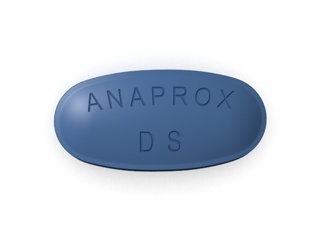


Anaprox (Naproxen) — Patient-Friendly Guide (Australia)
Anaprox is a brand of naproxen, a medicine from the NSAID (non-steroidal anti-inflammatory drug) family. It is used to help reduce pain, inflammation, and sometimes fever, depending on the specific condition being treated. This guide explains how Anaprox works, how it is typically used, important safety information, and practical tips for getting the most from your medicine.
Always read the product label and follow the instructions from your healthcare professional or the consumer medicines information (CMI) provided with your product. If you are unsure which dose or formulation is right for you, ask a pharmacist.
Basic product information
| Feature | What it means for you |
|---|---|
| Active ingredient | Naproxen (NSAID) |
| Common uses | Short-term relief of pain and inflammation in conditions such as musculoskeletal pain and period pain |
| Typical effects | Pain relief, reduced inflammation, reduced fever (varies by condition) |
| Formulations | Available in different strengths and sometimes as immediate-release or modified-release products (depending on the specific product) |
| How it’s taken | Usually by mouth, with water; timing depends on formulation and your condition |
| Key safety considerations | Stomach irritation/ulcers, kidney effects, increased cardiovascular risk (with higher doses/prolonged use), interactions with other medicines |
How Anaprox works (mechanism of action)
Naproxen works by blocking enzymes called COX-1 and COX-2 (cyclo-oxygenase). These enzymes help produce prostaglandins, which are chemicals involved in pain, inflammation, fever, and also play protective roles in the stomach and kidneys.
- Pain relief: fewer prostaglandins means less pain signalling.
- Anti-inflammatory action: reduced prostaglandins helps decrease inflammation-related swelling and tenderness.
- Fever reduction: prostaglandins contribute to fever—so blocking them can lower temperature.
Because naproxen affects prostaglandins used for protection, it can also increase the risk of stomach irritation and bleeding and can affect kidney function, particularly in people at higher risk.
Pharmacokinetics (how the body handles naproxen)
Pharmacokinetics describes what happens after you take a medicine—absorption, distribution, metabolism, and elimination. While exact values can vary by formulation and individual factors, the general pattern for naproxen is:
- Absorption: Naproxen is absorbed from the gastrointestinal tract. Onset of pain relief may start within the first hours.
- Distribution: Naproxen binds substantially to plasma proteins, helping it circulate in the bloodstream.
- Metabolism: It is metabolised primarily in the liver.
- Elimination: Metabolites and small amounts of unchanged drug are eliminated mainly through the kidneys.
- Duration: Naproxen has a relatively long duration of action compared with some other NSAIDs, which is why dosing schedules are often less frequent.
If you have kidney disease, liver disease, or take other medicines that affect kidney function, your clinician may recommend a lower dose and closer monitoring.
Typical use and indications
Anaprox (naproxen) is used to relieve pain and inflammation for a variety of conditions. Common indications include:
- Musculoskeletal pain: such as sprains, strains, and other short-term inflammatory pain
- Back pain (where an anti-inflammatory effect is helpful)
- Osteoarthritis (joint pain and stiffness)
- Rheumatoid arthritis (inflammatory joint disease)
- Inflammatory disorders as advised by a healthcare professional
- Period pain (dysmenorrhoea)
- Tendon and joint inflammation where NSAIDs are appropriate
The exact suitability depends on your medical history, your risk factors, and the product’s formulation and strength. If symptoms persist or worsen, seek medical advice.
When to take Anaprox (timing and duration)
The timing depends on the formulation and the condition you’re treating. In general:
- For fast relief: immediate-release products may work sooner; take as directed for the best effect.
- For ongoing symptoms: some modified-release formulations may be dosed less frequently.
- Take for the shortest time necessary: use the lowest effective dose for the shortest duration to manage symptoms.
- If pain is predictable (e.g., period pain): starting at the right time can improve control—follow guidance on the product or from a clinician.
If you miss a dose, take it when you remember unless it is close to your next scheduled dose. Do not take double the dose to catch up.
How to take it (practical advice)
- Take with food or milk: this can reduce stomach upset.
- Swallow tablets/capsules whole: unless your product is specifically designed to be broken or dissolved.
- Use water: take with a full glass of water to help reduce irritation.
- Avoid combining NSAIDs: do not take naproxen with other NSAIDs (for example ibuprofen, diclofenac, or aspirin for pain) unless your pharmacist or doctor advises it.
- Monitor symptoms: if pain doesn’t improve after a reasonable period, reassess your condition.
Food interactions and stomach protection
Food can influence how naproxen is tolerated and, to a lesser extent, how quickly it reaches peak effect. Eating may slow absorption slightly but typically improves stomach comfort.
- With meals: often preferred to reduce gastric irritation.
- Empty stomach: may increase nausea, heartburn, or stomach pain.
- High-risk stomach history: if you have a history of gastric ulcers or bleeding, talk to a pharmacist or clinician before using NSAIDs.
Naproxen can increase the risk of GI bleeding, especially at higher doses and with prolonged use. If you notice black/tarry stools, vomiting blood, or severe stomach pain, seek urgent medical attention.
Alcohol and interactions with other medicines
Alcohol
Drinking alcohol while taking NSAIDs can increase the risk of stomach irritation and gastrointestinal bleeding. For safer use, limit alcohol or avoid it during treatment.
Common medicine interactions
Naproxen may interact with several medicine groups. The most important interactions include:
- Other NSAIDs: increased risk of stomach bleeding and kidney strain.
- Blood thinners (anticoagulants): such as warfarin—higher bleeding risk.
- Antiplatelet medicines: such as clopidogrel or aspirin (when used for blood thinning)—higher bleeding risk.
- Selective serotonin reuptake inhibitors (SSRIs) and some antidepressants: may increase GI bleeding risk when combined with NSAIDs.
- Corticosteroids (e.g., prednisone): can increase GI ulcer risk when used with NSAIDs.
- Diuretics and medicines affecting blood pressure: NSAIDs can reduce the effect of some antihypertensives and may affect kidney function, particularly in dehydration.
- ACE inhibitors/ARBs: combination with NSAIDs can increase kidney risk in vulnerable patients.
- Lithium: naproxen may raise lithium levels, increasing risk of lithium toxicity.
- Methotrexate: may increase methotrexate toxicity risk, especially at higher doses.
- Digoxin: NSAIDs can raise digoxin levels in some cases.
- Kidney-impacting medicines: if you take additional drugs that affect kidneys, you may need monitoring.
This list is not exhaustive. If you use regular medicines, keep an updated list and confirm with your pharmacist.
Dosing (how much to take)
Dose depends on the condition, your age, kidney and liver function, and whether you’re using an immediate-release or modified-release product. Always follow the dose listed on your specific Anaprox packaging.
Below are general dosing examples for naproxen products commonly used for pain and inflammatory conditions. Because products vary, use these only as a guide and confirm with the product label or your pharmacist:
| Use case | Typical approach (general guide) | Important notes |
|---|---|---|
| Short-term pain/inflammation | Often taken 1–2 times daily depending on formulation and strength | Use the lowest effective dose for the shortest time necessary |
| Period pain (dysmenorrhoea) | May be started early when cramps begin or shortly before expected symptoms (follow label guidance) | Do not exceed the maximum daily dose stated on your product |
| Arthritis or inflammatory joint disease | Dosing frequency varies; may be multiple daily doses depending on formulation | Regular review is important, particularly if used for longer periods |
| Older adults / higher risk patients | Often require lower doses and closer monitoring | Higher risk of side effects, especially stomach and kidney-related issues |
Maximum daily dose: Your exact maximum depends on the product strength and formulation. Please check the packaging or CMI for the maximum daily dose and do not exceed it.
If you are taking naproxen regularly for a chronic condition, your prescriber may periodically reassess the need for ongoing treatment and consider stomach protection if appropriate.
Safety profile (who should take care)
Like all medicines, Anaprox can cause side effects. Many people tolerate naproxen well when used correctly, but it can be risky for some individuals—especially those with a history of ulcer, bleeding, kidney disease, or certain heart conditions.
Common side effects
- Stomach upset (indigestion, heartburn, nausea)
- Abdominal pain
- Headache or dizziness (less commonly)
Serious side effects — seek urgent help
- Signs of stomach bleeding: black/tarry stools, vomiting blood, or severe persistent abdominal pain
- Allergic reactions: swelling of face/lips, difficulty breathing, widespread rash, or wheezing
- Kidney problems: reduced urination, swelling in legs/ankles, or unusual fatigue
- Cardiovascular warning signs: chest pain, sudden shortness of breath, weakness on one side, or trouble speaking
- Severe skin reactions: blistering or peeling skin, or sores in mouth/eyes
Risk factors to discuss with a pharmacist/clinician
- History of stomach ulcers or GI bleeding
- Use of blood thinners or antiplatelet medicines
- History of kidney disease or dehydration
- Uncontrolled high blood pressure or significant heart disease risk
- Previous allergic reactions to NSAIDs
- Older age (often higher susceptibility to side effects)
- Use of multiple medicines that affect bleeding or kidneys
Practical use tips for safer, more effective treatment
- Start low and review: use the lowest effective dose and reassess if symptoms persist.
- Use with food: especially if you’ve had nausea or indigestion before with NSAIDs.
- Stay hydrated: dehydration increases kidney risk with NSAIDs.
- Check your medicine list: avoid accidental duplication with other NSAIDs or combination products containing NSAIDs.
- Be mindful with “cold and flu” products: some contain pain relievers; confirm they don’t add another NSAID.
- Plan for short courses: for minor pain, a brief course is often enough—seek advice if it’s not improving.
Alternative options
If Anaprox isn’t suitable due to side effects, interactions, or your medical history, there may be alternatives depending on your condition:
- Other NSAIDs: such as ibuprofen or diclofenac—may suit some people, but the same NSAID-related risks generally apply.
- Paracetamol (acetaminophen): helpful for pain and fever and does not have the same stomach bleeding risk as NSAIDs (but it has its own liver safety considerations).
- Non-drug strategies: rest, heat/cold therapy, physiotherapy, stretching, or supportive braces (particularly for strains and back pain).
- Topical treatments: anti-inflammatory gels/creams can help some joint or soft tissue pain with less systemic exposure.
For arthritis or long-term inflammatory conditions, clinicians may consider other medicines that target the underlying disease process.
Market and legal context for Australia
In Australia, NSAIDs may be supplied in different ways depending on the exact product, strength, and intended use. Many pain medicines are available through community pharmacies, and some are available without a prescription, while others may require pharmacy/pharmacist oversight.
Medicines in Australia are regulated under the TGA (Therapeutic Goods Administration) framework. Product labelling, approved indications, and consumer medicine information are designed to support safe use.
Availability may vary by brand, strength, and formulation. Your pharmacist can confirm the options available and the most appropriate choice for your needs.
Recent guidance and safety messaging (high-level)
Safety advice for NSAIDs in general has focused on:
- Using the lowest effective dose for the shortest possible time, especially when treating short-term pain.
- Avoiding NSAID duplication (taking more than one NSAID at once).
- Considering GI and kidney risk in people who are older, dehydrated, have ulcer history, or use interacting medicines.
- Watching for warning signs of bleeding, allergic reactions, and kidney or heart-related problems.
Guidance can evolve as new evidence becomes available. If you are using Anaprox regularly or have significant health conditions, consider checking in with your healthcare professional periodically.
Delivery and availability
Online pharmacies in Australia commonly offer delivery services to metro and regional areas, with options such as standard and express shipping depending on location. Availability of Anaprox (naproxen) may depend on the exact strength and formulation.
- Stock availability: may vary; you can usually check the specific strength and pack size listed on the product page.
- Delivery timeframes: depend on shipping method and your address.
- Packaging: medicines are typically supplied in manufacturer packaging with consumer information included.
If your symptoms are severe, persistent, or associated with red flags (for example significant swelling, fever, or unexplained bruising), don’t rely on self-treatment—seek appropriate medical advice.
FAQ — Anaprox (Naproxen)
1) Is Anaprox the same as other NSAIDs?
Anaprox contains naproxen, which belongs to the same broad NSAID class as other medicines such as ibuprofen and diclofenac. While they share similar effects, doses and schedules differ, and risks related to stomach, kidneys, and bleeding can apply to NSAIDs generally.
2) How quickly will Anaprox start working?
Many people notice some pain relief within a few hours. The exact timing can depend on the formulation (immediate-release versus modified-release) and whether you take it with food.
3) Should I take Anaprox with food?
Often, yes—taking with food or milk can help reduce stomach upset. If your product label advises a specific way to take it, follow that guidance.
4) Can I take Anaprox with paracetamol?
Often, paracetamol and NSAIDs can be used together for pain when needed, because they work in different ways. However, you should follow the dosing instructions on each product and confirm suitability if you have liver disease, kidney disease, ulcers, or take other interacting medicines.
5) What should I avoid while taking Anaprox?
Avoid:
- Other NSAIDs at the same time (unless specifically advised)
- Heavy alcohol intake
- Duplicate pain-reliever products that may contain NSAIDs
6) Who should be extra cautious with naproxen?
People with a history of ulcers or GI bleeding, kidney problems, significant heart disease risk, those taking blood thinners or certain antidepressants, and older adults should use NSAIDs with extra caution and seek advice before starting.
7) What if I get heartburn or stomach pain?
Stop and get advice if symptoms are severe. For mild irritation, taking with food and staying within the prescribed dose may help. However, stomach pain—especially if persistent—should be discussed with a pharmacist or clinician promptly.
8) Can I use Anaprox for period pain?
Naproxen is commonly used for period pain. Starting at the right time can improve symptom control. Follow the product label guidance for dosing and maximum daily limits.
9) Is naproxen safe for long-term use?
Some people use NSAIDs for chronic conditions, but long-term use increases the risk of side effects. If you need naproxen beyond short-term use, it’s important to have regular review by a healthcare professional and discuss the lowest effective dose and risk reduction strategies.
10) When should I seek urgent medical help?
Seek urgent help if you notice signs of serious allergy (swelling, difficulty breathing), signs of bleeding (black stools or vomiting blood), symptoms of kidney problems (significant reduction in urine or swelling), or sudden chest pain or breathing difficulties.
Important final reminder
Anaprox (naproxen) can be an effective option for pain and inflammation when used correctly. To support safe use, take it exactly as directed, avoid NSAID duplication, consider taking with food, limit alcohol, and be alert to warning signs of side effects. If you have ongoing symptoms or concerns about interactions, talk to a pharmacist.