

Hydrochlorothiazide (HCTZ) – Patient Guide (Australia)
Hydrochlorothiazide is a medicine commonly used to treat high blood pressure and fluid retention (swelling) caused by certain medical conditions. It belongs to a group of medicines called thiazide diuretics (“water tablets”). Hydrochlorothiazide helps your body remove excess salt and water through urine, which can lower blood pressure and reduce swelling.
This guide is designed to help you understand how hydrochlorothiazide works, when it is typically taken, what to watch for, and how to use it safely. If you have questions about your specific situation, talk to a healthcare professional.
Quick overview
- Medicine name: Hydrochlorothiazide
- Class: Thiazide diuretic (water tablet)
- Common uses: Hypertension (high blood pressure); oedema (fluid retention) from selected conditions
- How it helps: Increases salt and water loss via the kidneys
- Typical onset: Often starts working within hours; blood pressure effects build over days to weeks
- Common timing: Usually once daily in the morning to reduce night-time urination
Basic product information
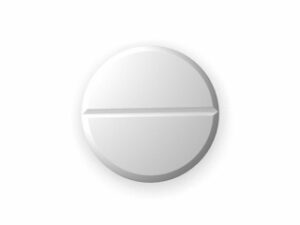
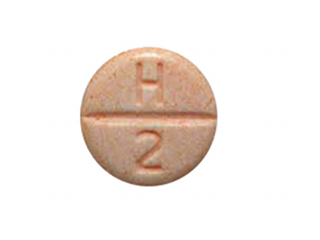
Hydrochlorothiazide is available in tablets in different strengths, depending on the product. Your local pharmacy can confirm the strength and brand you have.
| Category | Details |
|---|---|
| Drug name | Hydrochlorothiazide |
| Drug class | Thiazide diuretic |
| Typical forms | Oral tablets |
| How it is taken | By mouth, usually once daily |
| Key expected effects | Increased urine output; lower blood pressure; reduced swelling |
How hydrochlorothiazide works (mechanism of action)
Hydrochlorothiazide acts on the kidneys. It reduces how much sodium (salt) and water your body reabsorbs in a part of the kidney called the distal convoluted tubule. As a result, more salt and water leave the body in urine.
Lowering blood volume and salt levels can help reduce blood pressure. Over time, thiazides also contribute to long-term blood pressure control by affecting blood vessel tone and fluid balance.
Because the kidneys also manage other electrolytes, hydrochlorothiazide can lower potassium and magnesium in some people and may increase uric acid.
Pharmacokinetics (what the body does to the medicine)
“Pharmacokinetics” describes absorption, distribution, metabolism, and elimination. While exact values can vary by individual and formulation, the typical pattern for hydrochlorothiazide is:
- Absorption: After oral dosing, hydrochlorothiazide is absorbed from the gastrointestinal tract.
- Distribution: It distributes into body fluids and tissues, with ongoing action in the kidneys.
- Metabolism: Hydrochlorothiazide is not extensively metabolised.
- Elimination: It is primarily excreted through the kidneys in urine, so kidney function is important for safe use.
- Onset and duration: Increased urine production often begins within a few hours; the duration is typically long enough for once-daily dosing.
If you have kidney problems or are elderly, your clinician may monitor you more closely and adjust the dosing plan.
Typical uses and indications (what it’s used for)
Hydrochlorothiazide is commonly used for:
- Hypertension (high blood pressure): Helps lower blood pressure and reduce the risk of complications associated with uncontrolled hypertension.
- Oedema (fluid retention): To help reduce swelling associated with certain conditions, sometimes as part of a broader treatment plan.
Hydrochlorothiazide may also be used in combination with other blood pressure medicines. Combination therapy is common when blood pressure requires more than one mechanism to control.
When to take it (timing)
Many people take hydrochlorothiazide once daily in the morning. This can help reduce the chance of needing to urinate during the night.
- Morning dosing: Often preferred to minimise nocturia (night-time urination).
- Consistency: Try to take your dose at the same time each day.
- If your clinician changed the schedule: Follow their instructions, as timing may depend on your condition and other medicines.
If you miss a dose, take it when you remember unless it is close to the time for your next dose. Do not take a double dose to catch up.
How to take it: practical dosing guidance
Dosing varies by person and by the condition being treated. Your healthcare professional will choose the dose that is appropriate for you. Typical principles include:
- Start low, monitor response: Blood pressure and fluid balance can be affected by your baseline health, age, and kidney function.
- Electrolyte checks: Regular monitoring of potassium, sodium, kidney function, and other labs may be recommended.
- Adjustments: Doses may be modified if blood pressure is not controlled or if side effects occur.
For many adults, hydrochlorothiazide is taken in small daily doses, sometimes ranging from 12.5 mg to 50 mg depending on the formulation and indication. Exact dosing should be confirmed with your prescriber and the product label.
Important: Always follow the dose written on your medication label.
Food interactions and dietary considerations
Hydrochlorothiazide can generally be taken with or without food. However, a few dietary points are helpful:
- Salt (sodium): Since hydrochlorothiazide helps remove salt through urine, very high salt intake can make blood pressure control harder for some people.
- Potassium: Hydrochlorothiazide may lower potassium. Your clinician may advise increasing dietary potassium or using a supplement if needed.
- Consistency: Avoid sudden, large changes in potassium intake without medical advice, especially if you have kidney disease or take other medicines affecting potassium.
A balanced diet and regular monitoring are key. If you are on a restricted diet due to kidney or heart conditions, follow your specialist’s plan.
Alcohol and medicine interactions
Alcohol
Alcohol can lower blood pressure and may increase dizziness or light-headedness, especially when starting hydrochlorothiazide or when your dose is increased. It can also contribute to dehydration.
- Tip: If you drink alcohol, do so in moderation and be cautious about standing up quickly.
- Warning sign: If you feel faint, dizzy, or unusually weak after drinking, discuss this with your healthcare professional.
Other medicines
Hydrochlorothiazide can interact with several types of medicines. Some interactions relate to kidney function, electrolyte balance, or blood pressure effects. Examples include:
- Other blood pressure medicines: May increase the blood pressure-lowering effect (often intended, but may increase dizziness).
- NSAIDs (e.g., ibuprofen, naproxen): Can reduce the diuretic and blood pressure effects and may affect kidney function in some people.
- Digoxin: Low potassium can increase the risk of digoxin-related side effects.
- Lithium: Hydrochlorothiazide can increase lithium levels, raising risk of lithium toxicity; close monitoring is important if used together.
- Diabetes medicines: Thiazides can raise blood glucose in some people, potentially requiring dose adjustments.
- Gout medicines: Thiazides can increase uric acid and may worsen gout; your clinician may adjust gout treatment.
- Medications affecting potassium: Examples include certain diuretics (e.g., potassium-sparing types) or supplements; the combination strategy needs medical oversight.
- Carbamazepine and some antidepressants: May increase the risk of low sodium (hyponatraemia), particularly in vulnerable groups.
Always tell your healthcare professional about all medicines you take, including over-the-counter products and herbal supplements. If you are unsure whether something could interact, ask before combining.
Safety profile: common and important side effects
Most people tolerate hydrochlorothiazide well, but it can cause side effects—particularly related to fluid and electrolyte changes. If you develop severe or persistent symptoms, seek medical advice promptly.
Common side effects
- Increased urination (especially after starting)
- Dizziness or light-headedness, particularly when getting up
- Low blood pressure (more likely after dose changes or dehydration)
- Muscle cramps or weakness (may relate to electrolyte changes)
- Headache
- Increased blood sugar or changes in glucose control (in people with diabetes)
Possible electrolyte-related effects
- Low potassium (hypokalaemia): can cause weakness, cramps, or palpitations.
- Low sodium (hyponatraemia): can cause confusion, severe fatigue, headache, nausea, or in extreme cases seizures.
- Low magnesium (hypomagnesaemia): may contribute to cramps or rhythm issues.
- Increased uric acid: can trigger or worsen gout in susceptible people.
Serious but less common warnings
Seek urgent medical help if you experience:
- Fainting or severe dizziness
- Chest pain, severe palpitations, or irregular heartbeat
- Signs of allergic reaction (swelling of lips/face, trouble breathing, rash)
- Severe weakness, confusion, or neurological symptoms that could indicate significant electrolyte imbalance
- Severe dehydration (very dry mouth, marked thirst, minimal urination)
Your clinician may schedule blood tests to monitor kidney function and electrolyte levels. This is particularly important in older adults and those with kidney disease, heart failure, or diabetes.
Special considerations
Kidney disease
Because hydrochlorothiazide is eliminated by the kidneys, kidney impairment can increase the risk of side effects. Your healthcare professional may adjust dosing and monitor labs closely.
Older adults
Older adults may be more sensitive to blood pressure changes and electrolyte disturbances. Starting with lower doses and regular monitoring may be recommended.
Sun sensitivity and skin concerns
Thiazide diuretics have been associated with increased risk of photosensitivity in some people. Use sunscreen and protective clothing, especially if you notice skin reactions in the sun. Report any unusual rash or persistent skin changes to your clinician.
Gout
If you have gout, hydrochlorothiazide may increase uric acid levels and trigger flare-ups. Discuss gout prevention and management strategies with your healthcare professional.
Recent guidance and monitoring (practical approach)
In Australia, clinical guidance commonly emphasises:
- Regular blood pressure review: Confirming your readings at home where appropriate.
- Ongoing laboratory monitoring: Electrolytes (especially potassium and sodium) and kidney function at intervals determined by your risk profile.
- Review of medicines: Checking for interaction risks (e.g., NSAIDs, lithium, and agents that affect sodium/potassium).
- Individualised dosing: Using the lowest effective dose to balance benefits and side effects.
If you experience symptoms suggestive of electrolyte imbalance (such as severe weakness, confusion, persistent muscle cramps, or significant dizziness), contact a healthcare professional promptly.
Alternative options (if hydrochlorothiazide isn’t suitable)
There are several alternative treatments for blood pressure and fluid retention. The “best” option depends on your condition and overall health. Options may include:
- Other diuretics: e.g., indapamide or chlortalidone (thiazide-like diuretics), or loop diuretics for certain types of oedema.
- ACE inhibitors: commonly used for hypertension and certain heart conditions.
- ARBs (angiotensin receptor blockers): another common class for hypertension.
- Calcium channel blockers: useful for blood pressure control in many people.
- Other combination regimens: combinations are often used to achieve target blood pressure with fewer side effects at lower doses.
Don’t switch medicines on your own. If you’re having side effects or your blood pressure is uncontrolled, your clinician can recommend alternatives or adjustments.
Practical use tips (to get the most benefit safely)
- Take it in the morning: Helps reduce night-time urination.
- Check your blood pressure: Home readings can help you and your clinician assess effectiveness.
- Stay hydrated appropriately: Don’t overdo fluid intake if you have been advised fluid limits for heart failure or kidney issues; follow your clinician’s guidance.
- Watch for dizziness: Stand up slowly, especially when starting or increasing the dose.
- Be consistent with diet: Avoid sudden changes in salt intake and discuss potassium-rich foods or supplements with your healthcare professional.
- Keep up with blood tests: Electrolyte and kidney monitoring can prevent problems before they become serious.
- Inform healthcare providers: Let all clinicians know you are taking hydrochlorothiazide, especially before starting new medicines.
Delivery and availability in Australia
Hydrochlorothiazide tablets are widely available through pharmacies across Australia. Online pharmacy services may offer home delivery, with packaging designed to protect tablets and maintain clear labelling. Availability can vary by strength and brand, so check the product listing for the specific dose you need.
- Stock levels: May change depending on formulation and demand.
- Delivery times: Commonly depend on location and courier schedules.
- Packaging: Look for proper pharmacy labelling and dosing instructions.
Always ensure you order the correct strength and product form stated on your medication instructions.
Market and legal context for Australia
In Australia, medicines are regulated under the Therapeutic Goods Administration (TGA) and dispensed in line with local laws. Medicines classification (for example, prescription-only or otherwise regulated) affects how they can be supplied through pharmacies.
Availability through an online pharmacy depends on the product’s regulatory classification and the service requirements at the time of ordering. If you’re unsure about whether hydrochlorothiazide can be supplied through an online service, check the product page details or speak with the pharmacy team.
FAQ – Frequently asked questions
1) What is hydrochlorothiazide used for?
It is used to treat high blood pressure and fluid retention (oedema) associated with certain conditions. It helps the kidneys remove excess salt and water, which lowers blood pressure and reduces swelling.
2) When does it start working?
You may notice increased urination within a few hours. Blood pressure effects can develop over days, with full benefit often taking several weeks. Your clinician will monitor your response.
3) Should I take it with food?
Usually, hydrochlorothiazide can be taken with or without food. If it upsets your stomach, taking it with a small meal may help.
4) Can I drink alcohol while taking hydrochlorothiazide?
Alcohol may increase dizziness and lower blood pressure further. If you choose to drink, do so in moderation and avoid situations where fainting could be dangerous (such as driving if you feel light-headed).
5) What foods should I avoid?
There are no universal “forbidden” foods, but very high salt intake may make blood pressure harder to control. Also, hydrochlorothiazide may reduce potassium, so discuss dietary potassium changes with your healthcare professional—especially if you have kidney disease.
6) What side effects are most common?
Common effects include increased urination, dizziness, headaches, muscle cramps, and sometimes changes in blood sugar. Low potassium or sodium can occur and may cause additional symptoms.
7) When should I seek medical help?
Get urgent medical help for severe dizziness or fainting, signs of allergic reaction (swelling, breathing trouble), chest pain, severe weakness or confusion, or symptoms that could suggest significant electrolyte imbalance.
8) Can it cause gout attacks?
Yes. Hydrochlorothiazide can increase uric acid levels and may trigger gout in susceptible individuals. If you have a history of gout, discuss preventive strategies with your clinician.
9) Will I need blood tests?
Many people benefit from periodic blood tests to monitor kidney function and electrolytes (sodium, potassium, and sometimes magnesium), especially after starting or changing dose.
10) Are there alternatives if I can’t tolerate it?
Yes. Alternatives may include other diuretics or different blood pressure medicines (such as ACE inhibitors, ARBs, or calcium channel blockers), depending on your medical history and treatment goals.
Bottom line
Hydrochlorothiazide is a widely used thiazide diuretic that helps control blood pressure and reduce fluid retention. To use it safely, take it consistently (often in the morning), pay attention to dizziness or symptoms of electrolyte imbalance, and keep up with recommended monitoring. If you’re unsure about interactions with other medicines or lifestyle factors, consult a healthcare professional.