
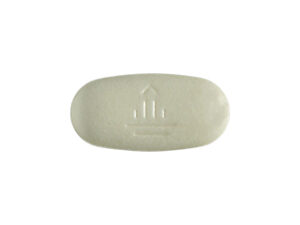
Spironolactone (Oral Medicine) – Patient-Friendly Guide (Australia)
Spironolactone is a medicine commonly used to treat fluid retention (oedema) and certain hormone-related conditions. It belongs to the group of medicines known as aldosterone antagonists (“water tablets” that spare potassium). Below is a comprehensive guide designed to help you understand what spironolactone does, how it works, how to take it, and what to watch for.
This information is general and may not cover every situation. Your clinician/pharmacist may tailor treatment for you based on your health, test results (such as potassium and kidney function), and the other medicines you take.
Basic product information
| Topic | Details |
|---|---|
| Generic name | Spironolactone |
| Common medicine type | Aldosterone antagonist (potassium-sparing diuretic) |
| How it’s taken | Usually by mouth (tablets/capsules depending on brand) |
| Key effects | Reduces fluid retention; may reduce androgen effects (hormonal skin conditions) |
| Important monitoring | Potassium levels and kidney function (blood tests) |
| Typical dosing range | Varies by indication (often 25 mg to 100 mg+ daily; individualised) |
How spironolactone works (mechanism of action)
Spironolactone works mainly by blocking the hormone aldosterone in the kidney. Aldosterone helps the body retain sodium and water while excreting potassium. By blocking aldosterone, spironolactone:
- Promotes sodium and water loss (helps reduce swelling and fluid build-up)
- Reduces potassium excretion (potassium-sparing diuretic)
- May reduce androgen effects by interacting with hormone receptors and reducing androgen production signals, which can help some people with hormonal acne or hirsutism
Because it can raise potassium, spironolactone is often chosen when fluid reduction is needed but potassium loss must be avoided—though this also means potassium may become too high in some people.
Pharmacokinetics (what the body does to the medicine)
Pharmacokinetics describes how the body absorbs, distributes, metabolises, and eliminates a medicine. For spironolactone, key points include:
- Absorption: Spironolactone is absorbed after oral dosing. Food can improve absorption for some people, though exact effects can vary by product and individual factors.
- Distribution: It distributes into body tissues. Because it is hormonally active, effects may take time to appear.
- Metabolism: The medicine is metabolised in the liver to active metabolites (including canrenone).
- Elimination: It is eventually cleared via kidney and other routes. Your kidney function and overall health influence how quickly it leaves the body and how strongly it affects you.
- Onset: Diuretic effects may begin within days, while some hormone-related improvements (e.g., acne) can take several weeks.
Typical uses and indications in Australia
Spironolactone may be used for several approved or widely recognised indications, depending on local clinical practice and product listing. Common uses include:
- Fluid retention (oedema) associated with certain conditions where aldosterone is involved
- Heart failure (as advised by your clinician) to help reduce symptoms and fluid overload
- Hyperaldosteronism (including certain forms of primary aldosteronism as part of management)
- Hypertension in specific circumstances (for example, when aldosterone activity is a contributor)
-
Hormonal conditions such as:
- Acne that is influenced by hormones (often in adults)
- Excess hair growth (hirsutism) in selected cases
- Polycystic ovary syndrome (PCOS) when symptoms are androgen-related (as determined by clinician)
Not every person needs spironolactone for every condition. The best indication depends on your diagnosis, lab results, age, sex-related considerations, and other medicines.
Dosing: common regimens and how it’s individualised
Dosing varies widely. Clinicians commonly start at a lower dose and adjust based on: potassium, kidney function, symptoms, blood pressure, and side effects.
General dosing principles (patient-friendly)
- Start low, go slow: This helps reduce the risk of high potassium and other adverse effects.
- Regular blood tests: Many people need monitoring after starting or changing dose.
- Consistent timing: Taking it at the same time each day can help you build a routine.
- Adjust for kidney function: People with impaired kidney function may require different dosing or extra caution.
Typical example dosing patterns (for understanding only)
The following examples are provided for general context; your dose may be different depending on your indication and results:
- Fluid retention / heart-related uses: often 25 mg once daily to 100 mg daily or more, sometimes divided
- Hormone-related acne or hirsutism: commonly 25 mg to 100 mg daily depending on response and tolerance
Always follow your own prescription instructions exactly. If you miss a dose, your clinician/pharmacist can advise the best approach.
Timing: when to take spironolactone
Spironolactone is usually taken or in divided doses, depending on the daily total and your clinician’s plan. Many people find it helps to align dosing with their daily routine.
- Diuretic effect and bathroom needs: If your dose makes you urinate more, take it earlier in the day (morning/early afternoon) to reduce night-time trips.
- Hormone-related use (e.g., acne): Some people prefer an evening dose if it suits them better, but discuss timing if you notice sleep disruption or urinary frequency.
- Consistency matters: Try to take it at about the same time each day.
Food interactions: can you take it with meals?
Spironolactone can generally be taken with or without food. However:
- With food may improve tolerability: If you experience nausea or stomach discomfort, taking it with meals can help.
- Absorption may be affected: Food can influence how much spironolactone is absorbed. If your clinician has recommended a particular routine, follow it.
If you’re switching how you take it (e.g., changing from morning to evening, or from empty stomach to with food), it’s reasonable to let your pharmacist know—especially if you’re also monitoring electrolytes or blood pressure.
Alcohol interactions: what to know
Alcohol does not have a single universal “forbidden” interaction with spironolactone for everyone, but there are important considerations:
- Blood pressure effects: Both alcohol and spironolactone can lower blood pressure in some people. This may increase dizziness or light-headedness.
- Dehydration risk: Alcohol can contribute to dehydration in some situations, which may stress the body’s fluid and electrolyte balance.
- Safety: If you feel dizzy, avoid driving or operating machinery until you know how you respond.
If you plan to drink alcohol, start with small amounts and monitor how you feel. If you have heart failure or significant kidney issues, it’s especially important to seek personalised advice.
Important medicine interactions
Interactions can change how safe or effective spironolactone is. Always tell your pharmacist about all medicines you take, including over-the-counter products and supplements.
Medicines and supplements to be especially cautious with
- Potassium supplements or salt substitutes containing potassium: These can significantly raise potassium levels.
- Other blood pressure medicines: Combined medicines may amplify blood pressure lowering. Your clinician may adjust doses.
- ACE inhibitors or ARBs: Common for blood pressure/heart conditions; together with spironolactone they can increase potassium risk.
- Other diuretics: Some combinations may affect fluid and electrolyte balance differently.
- Non-steroidal anti-inflammatory drugs (NSAIDs) such as ibuprofen or naproxen (especially frequent or high-dose use): NSAIDs can affect kidney function and may increase risk of electrolyte problems in certain people.
- Some antifungals (e.g., itraconazole) or antibiotics that affect liver enzymes: may alter levels of spironolactone.
- Medicines affecting kidney function or fluid balance: may require extra monitoring.
When to seek advice before starting new products
Ask your pharmacist if you’re considering:
- New pain relief (particularly NSAIDs)
- “Electrolyte” drinks or supplements
- Potassium-based supplements or herbal products marketed for blood pressure or “detox”
- New prescription treatments for blood pressure, heart failure, or hormones
Safety profile: side effects and warning signs
Like all medicines, spironolactone can cause side effects. Many people tolerate it well, but some effects require prompt attention—mainly those related to potassium and blood pressure.
Common side effects
- Increased urination (especially early after starting or dose changes)
- Dizziness, light-headedness (often related to blood pressure changes)
- Nausea or stomach discomfort
- Breast tenderness or breast enlargement (hormone-related effect)
- Menstrual changes (in people who menstruate)
- Headache
Serious or urgent warning signs
Seek urgent medical advice if you experience signs suggestive of dangerously high potassium or severe low blood pressure. Examples include:
- Severe weakness, muscle cramps, or inability to move normally
- Unusual heartbeat, palpitations, or fainting
- Severe dizziness or collapse
- New or worsening shortness of breath (especially if you have heart or lung conditions)
Who needs extra caution?
- People with kidney disease or reduced kidney function
- People with high baseline potassium
- Elderly patients, especially if dehydration is possible
- People taking multiple medicines that can raise potassium or lower blood pressure
- Pregnancy and breastfeeding: hormone-related medicines may require careful review by your clinician
Practical use tips (how to take it well)
- Do blood tests as advised: Potassium and kidney function monitoring are key parts of safe spironolactone therapy.
- Stay hydrated sensibly: Don’t overdo fluids, but also avoid dehydration—especially during hot weather or illness.
- Be consistent: Take it at the same time each day and don’t double doses if you miss one.
- Track symptoms: Note changes in swelling, breathing, dizziness, or skin/hair symptoms (acne/hirsutism) to help your clinician assess response.
- Be careful with “salt substitutes”: Many contain potassium. Ask your pharmacist before using them.
- Review your pain relief choices: Frequent NSAID use (ibuprofen/naproxen) may not be ideal for everyone on spironolactone.
How long until it works?
The timeline depends on what you’re using spironolactone for:
- Fluid-related symptoms: diuretic effects may be noticed within days, sometimes quicker, but maximum effects can take longer depending on the condition and dose.
- Blood pressure: improvement may occur over days to weeks.
- Hormone-related acne or hirsutism: improvements can take several weeks; many people require 8–12 weeks (or longer) to judge effectiveness.
Alternatives to spironolactone
Alternatives depend on the condition being treated. Your clinician may consider options such as:
- Other diuretics: “loop” or “thiazide” diuretics may be used in some fluid-retention scenarios (but they often affect potassium differently).
- ACE inhibitors/ARBs or beta-blockers: commonly used in heart-related conditions, sometimes in combination with diuretic therapy.
- Topical acne treatments: for acne, topical retinoids, benzoyl peroxide, or topical antibiotics (where appropriate) can be alternatives or add-ons.
- Other anti-androgen approaches: certain other hormonal medications may be considered for acne/hirsutism, depending on patient suitability.
If you’re considering switching medicines, do so only with advice from your healthcare team, particularly because sudden changes can affect blood pressure, fluid balance, and potassium levels.
Market and legal context for Australia (general overview)
In Australia, medicines are regulated under the Therapeutic Goods Administration (TGA) framework. Whether a medicine is available, and under what conditions, depends on the TGA scheduling and the specific product brand. Spironolactone is typically supplied under healthcare professional oversight and may be subject to specific product requirements.
Online pharmacies in Australia generally comply with state and federal requirements, including identity verification and medication safety processes. Product listings may vary by brand, strength, and formulation.
Recent guidance and monitoring trends
Clinical practice for spironolactone increasingly emphasises:
- Electrolyte safety: more consistent monitoring of potassium and kidney function, particularly in people with risk factors.
- Medication review: careful checks for interacting medicines (especially those affecting potassium and kidney function).
- Individualised dosing: starting at lower doses and adjusting based on response and blood results.
Guidance can also evolve as new evidence and safety updates become available. If you’re unsure about monitoring schedules, ask your pharmacist or clinician.
Delivery and availability (online pharmacy)
Availability may vary by strength and brand. Many online pharmacies in Australia can deliver medicines to eligible addresses, subject to:
- Product availability from the local supply chain
- Shipping location and service coverage
- Standard delivery timeframes (often a few business days, but this can vary)
- Any legal/administrative steps required for that product
When ordering, ensure your delivery details are correct and keep an eye on delivery updates. Store medicines as directed on the label (commonly at room temperature, away from moisture and heat).
FAQ
Can spironolactone make me pee more?
Yes. Because spironolactone is a diuretic, some people notice increased urination—especially when starting or increasing the dose. Taking it earlier in the day can reduce night-time bathroom trips.
Why do I need potassium and kidney blood tests?
Spironolactone can raise potassium and may affect kidney function. Blood tests help your clinician balance effectiveness with safety.
What happens if my potassium is too high?
High potassium can be dangerous. Your clinician may reduce the dose, pause spironolactone, adjust interacting medicines, and monitor blood tests more closely. Report symptoms like unusual weakness, palpitations, or fainting urgently.
Is spironolactone safe for everyone with kidney problems?
People with kidney impairment need extra caution. Dosing and monitoring may need adjustment. Your clinician will consider your kidney function before and during treatment.
How long does acne improvement take with spironolactone?
For hormone-influenced acne, improvement often takes time. Many people notice changes after several weeks, with a clearer response by 8–12 weeks or longer.
Can I take spironolactone with ibuprofen or other anti-inflammatory painkillers?
It may be unsafe for some people, particularly with frequent use or existing kidney issues. Check with your pharmacist before using NSAIDs regularly.
Does food change how well spironolactone works?
It can. If you experience nausea, taking it with food may help. If your clinician/pharmacist has given you specific timing instructions, follow them.
Can I drink alcohol while taking spironolactone?
Moderate alcohol may be possible for some people, but it can worsen dizziness or dehydration risk. If you feel light-headed, avoid alcohol and speak to your clinician.
What should I avoid using with spironolactone?
Avoid potassium supplements and salt substitutes containing potassium unless your clinician specifically recommends them. Also review other medicines and supplements with your pharmacist for potential interactions.
What if I miss a dose?
If you miss a dose, take it when you remember unless it is close to the next dose. Do not double up. If you’re unsure, consult your pharmacist for advice based on your schedule.
Are there alternatives if spironolactone doesn’t suit me?
Yes—alternatives depend on your indication. For fluid retention, other diuretics may be considered; for acne/hormonal symptoms, topical therapies or other hormonal options may be appropriate. Discuss options with your clinician.
Summary
Spironolactone is a potassium-sparing aldosterone antagonist used for fluid retention and selected hormone-related conditions. It helps reduce excess fluid and can reduce androgen-related effects, but it requires careful safety monitoring—particularly of potassium and kidney function. By taking it as directed, following blood test schedules, and checking interactions (especially potassium-containing products and NSAIDs), you can use spironolactone more safely and confidently.