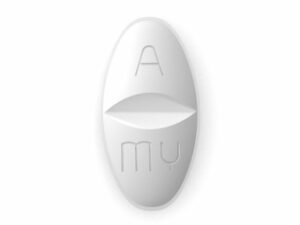
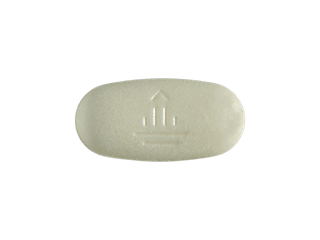


Telmisartan (Australia): Patient-Friendly Guide
Telmisartan is a prescription medicine commonly used to help manage high blood pressure (hypertension) and reduce cardiovascular risk in certain adults. This page explains how telmisartan works, how it’s typically taken, what to expect, and important safety and interaction information. Always follow the instructions given by your clinician or pharmacist.
Basic Product Information
| Feature | Details |
|---|---|
| Generic name | Telmisartan |
| Medicine class | Angiotensin II receptor blocker (ARB) |
| Common strengths | Often available as tablets (e.g., 20 mg, 40 mg, 80 mg depending on brand) |
| How it’s taken | Oral tablet, usually once daily |
| Key conditions | Hypertension; cardiovascular risk reduction in selected patients |
| Brands | May vary by supplier (generic telmisartan is available) |
What Telmisartan Is Used For
Telmisartan is used for two main reasons:
- High blood pressure (hypertension): Helps lower blood pressure and reduce strain on the heart and arteries.
- Reducing cardiovascular risk: In some adults at risk of cardiovascular events (for example, with established vascular disease), telmisartan may help reduce the risk of heart attack, stroke, and related outcomes—when used as part of an overall care plan.
Your clinician will decide whether telmisartan is appropriate for you based on your medical history, blood pressure readings, and other medicines.
How Telmisartan Works (Mechanism of Action)
Telmisartan belongs to the ARB class. It blocks the action of angiotensin II, a hormone that normally causes blood vessels to tighten and stimulates pathways that can raise blood pressure.
- Vessel relaxation: By blocking angiotensin II at its receptor, telmisartan helps blood vessels relax.
- Lower blood pressure: This leads to reduced resistance in the arteries and lowers blood pressure.
- Kidney and hormone effects: It can also influence kidney blood flow and hormone signalling related to blood pressure control.
Importantly, telmisartan does not directly “thin” the blood like some other cardiovascular medicines.
Pharmacokinetics (How Your Body Handles Telmisartan)
Pharmacokinetics describes how the body absorbs, distributes, metabolises, and eliminates telmisartan. While individual results vary, the overall pattern helps explain typical dosing and expected effects.
- Absorption: Telmisartan is absorbed after oral dosing. Food can alter the speed/extent of absorption (details below).
- Distribution: It binds strongly to plasma proteins, supporting sustained action over time.
- Metabolism: Telmisartan is largely metabolised in the liver via conjugation (primarily glucuronidation).
- Elimination: It is eliminated mainly via the bile/feces and to a lesser extent via urine. The overall clearance supports once-daily dosing for many patients.
- Onset of action: Blood pressure lowering can be noticed within the first days, with fuller effects typically developing over several weeks.
Typical Timing: When to Take Telmisartan
Telmisartan is commonly taken once daily. Many people find it easiest to take it at the same time each day. You can usually take it with or without food, though food may slightly affect absorption timing and intensity.
- Morning vs evening: Either can work. Choose the time that helps you remember and be consistent.
- Missed dose: Take it when you remember on the same day. If it’s close to your next dose, skip the missed dose and continue with your regular schedule.
- Do not double up: Avoid taking two doses at once unless your clinician specifically advises it.
If you’re unsure about the best time for you, ask your pharmacist.
Food Interactions
Telmisartan can be taken with or without food. Food may reduce or delay absorption for some people, but this typically does not require dose changes. The key practical point is:
- Consistency is helpful: If you prefer taking telmisartan with breakfast or dinner, try to keep that routine steady.
- Watch for blood pressure changes: If your readings become unusual after changing meal timing, discuss it with your clinician.
Alcohol and Medicine Interactions
Alcohol can affect blood pressure and may worsen dizziness or light-headedness—especially when you first start telmisartan or when your dose is increased.
- General caution: Keep alcohol intake moderate and be mindful of how you feel when drinking.
- Dizziness risk: If you experience dizziness, avoid driving or operating machinery until you know how you respond.
- Dehydration: Heavy drinking can lead to dehydration, which can increase the risk of kidney-related side effects in susceptible people.
There are no typical “direct” alcohol reactions specific to telmisartan like some antibiotics or anticoagulants, but alcohol can still influence your blood pressure control and safety.
Medicine Interactions (What to Tell Your Pharmacist)
Telmisartan can interact with other medicines, especially those that affect kidney function, potassium levels, or blood pressure. Always provide your pharmacist with a full list of medicines and supplements you take.
Common interaction areas include:
- Potassium-raising medicines or supplements: Some supplements (e.g., potassium chloride) and medicines (e.g., certain diuretics like spironolactone, or potassium-containing salt substitutes) may raise potassium levels.
- Other blood pressure medicines: Combining with other antihypertensives may increase the chance of low blood pressure, especially early on or after a dose change.
- NSAIDs (anti-inflammatory pain medicines): Regular or high-dose NSAIDs (e.g., ibuprofen, naproxen, diclofenac) can reduce kidney protection in some patients when combined with ARBs. This combination may require monitoring of kidney function and hydration status.
- Diuretics (“water tablets”): When combined, blood pressure lowering may be stronger, and dehydration can increase kidney risk.
- Renin-angiotensin system combinations: Using telmisartan together with other medicines that block the same pathway (such as another ARB or an ACE inhibitor) is generally avoided unless specifically directed, due to an increased risk of kidney complications and high potassium.
- Lithium: Telmisartan may increase lithium levels in some cases, requiring close monitoring if this combination is necessary.
- Diabetes medicines: No universal rule applies, but blood sugar monitoring may be relevant for some patients—discuss with your healthcare team.
If you’re taking over-the-counter products, including herbal remedies, it’s still important to check for interactions.
Indications (When Telmisartan Is Prescribed)
In Australia, telmisartan is typically indicated for:
- Essential hypertension: To lower elevated blood pressure.
- Reduction of cardiovascular risk: In adults with high cardiovascular risk or established vascular disease, as part of a broader prevention strategy (e.g., alongside lifestyle changes and other risk-reducing treatments).
Indications may vary based on local product information and patient selection. Your clinician will align treatment to your situation.
Dosing: How Much Telmisartan Is Typically Used
Dosing depends on the condition being treated, your overall health, blood pressure response, and how well your kidneys manage the medicine. The following information is general. Your prescribed dose may differ.
- Hypertension: Many patients start on a moderate dose and may adjust based on blood pressure results.
- Cardiovascular risk reduction: Often started at a dose intended to provide sustained blood pressure control and risk reduction benefits.
- Kidney or liver considerations: People with certain liver conditions may require caution, as telmisartan is cleared partly via liver pathways.
Important: Do not change your dose or stop telmisartan without medical advice. If you miss doses frequently, blood pressure can become unstable.
What to expect after a dose change: It may take several weeks to reach the full blood pressure effect. Your clinician may monitor your blood pressure and adjust gradually.
Safety Profile: Who Should Be Careful
Like all medicines, telmisartan can cause side effects. Many people tolerate it well, but it’s important to know what to watch for. Always discuss your health history—especially kidney disease, dehydration risk, or previous reactions to similar medicines.
Common side effects (may occur)
- Dizziness, especially when standing up (orthostatic symptoms)
- Fatigue
- Headache
- GI symptoms such as nausea or discomfort (less common)
Less common but important side effects
- High potassium (hyperkalaemia): May cause muscle weakness, abnormal heart rhythms, or may be detected through blood tests.
- Kidney function changes: Particularly in dehydrated individuals, those with renal artery stenosis, or those on certain interacting medicines.
- Low blood pressure: Symptoms can include fainting, severe dizziness, or blurred vision.
Seek urgent medical help
Get urgent assistance if you develop signs of a serious allergic reaction, such as facial swelling, difficulty breathing, severe rash, or collapse.
Extra caution in specific situations
- Pregnancy: Telmisartan is not suitable during pregnancy. If pregnancy occurs or is planned, discuss alternatives with your clinician promptly.
- Breastfeeding: Discuss with your clinician; suitability depends on your individual situation.
- Dehydration: Vomiting, diarrhoea, or poor fluid intake can increase the risk of kidney-related side effects.
- Kidney problems: Blood tests may be required to monitor kidney function and potassium levels.
- Low sodium states: People with certain electrolyte imbalances may need closer monitoring.
Practical Use Tips for Everyday Success
- Take it at the same time each day: This supports consistent blood pressure control.
- Monitor blood pressure at home if advised: Use a validated cuff and measure at consistent times. Record results to share with your clinician.
- Stay hydrated: Especially during hot weather or illness that could cause fluid loss.
- Be cautious with “as needed” anti-inflammatories: If you regularly use NSAIDs for pain, ask your pharmacist about safer options and monitoring.
- Don’t stop abruptly: Telmisartan is usually continued long-term. Stopping can lead to blood pressure rebound.
- Keep your medication list updated: Include supplements, herbal products, and over-the-counter items.
What to Expect: Monitoring and Follow-Up
Your clinician may schedule follow-up visits and blood tests to check:
- Kidney function (e.g., creatinine)
- Potassium levels
- Blood pressure response
Monitoring is especially relevant after starting telmisartan, after dose changes, or when medications that affect kidney function/potassium are added.
Alternative Options
If telmisartan isn’t suitable or doesn’t achieve your target blood pressure, your clinician may consider alternatives. Options can include:
- Other ARBs: e.g., losartan, valsartan, irbesartan, candesartan.
- ACE inhibitors: e.g., enalapril, lisinopril, ramipril (may be considered if appropriate; however, they can cause different side effects).
- Calcium channel blockers: e.g., amlodipine.
- Thiazide or thiazide-like diuretics: e.g., hydrochlorothiazide, indapamide.
- Other blood pressure agents: e.g., beta-blockers or other add-on therapies depending on your condition.
The best alternative depends on your health profile (kidney function, diabetes, heart disease, previous medication reactions, and more).
Market and Legal Context for Australia
Telmisartan is an established medicine available in Australia as part of standard cardiovascular care. In Australia, access to prescription medicines is governed by the Therapeutic Goods Administration (TGA) and regulated prescribing and dispensing requirements. Online pharmacies operate within Australian compliance frameworks and provide medicines through lawful channels.
Product availability, pack sizes, and brand names can vary by supplier, and some medicines may be subject to quantity limits or additional requirements depending on regulatory updates and supply conditions.
Recent guidance (general): Clinical practice continues to emphasise careful monitoring of kidney function and potassium when using ARBs, especially when medicines that affect hydration, kidney function, or potassium are co-administered. Guidelines also highlight the importance of avoiding inappropriate combinations of medicines that block the renin–angiotensin system. Always follow the advice of Australian healthcare professionals for your specific circumstances.
Delivery and Availability (Online Pharmacy Information)
Availability of telmisartan depends on your selected brand, strength, and stock levels at the time of order. Many online pharmacies in Australia supply common strengths for timely dispatch, but delivery times can vary by location.
- Stock checks: Orders typically undergo real-time stock verification before dispatch.
- Packaging: Medicines are usually packed in compliance with safety requirements to protect tablets during transit.
- Delivery timeframes: Delivery estimates depend on your postcode and the courier service used.
- Cold chain: Telmisartan tablets generally do not require cold storage.
If you need a specific strength (for example, 20 mg, 40 mg, or 80 mg), allow extra time if the stock is limited or if a substitute is offered by the supplier—your pharmacist can advise what’s appropriate.
Frequently Asked Questions (FAQ)
1) How quickly does telmisartan work?
Blood pressure may start to improve within the first days. However, the strongest overall effect often takes several weeks after starting or adjusting the dose. Consistency with daily dosing is important.
2) Can I take telmisartan with food?
Yes. Telmisartan can be taken with or without food. Taking it at the same time each day may help you remember and maintain consistent routine. Food may slightly influence absorption, but this usually does not require special changes.
3) What should I do if I miss a dose?
Take it when you remember on the same day. If it’s close to your next dose, skip the missed dose and continue as usual. Do not take two doses at once unless your clinician instructs you to.
4) Will telmisartan cause dizziness?
Dizziness can occur, particularly when standing up quickly or after starting treatment. If you feel faint, sit or lie down, and avoid driving until you’re sure of how you respond. Your clinician may adjust your dose if needed.
5) Are there foods or drinks I should avoid?
There are no specific food exclusions required for telmisartan. However, alcohol may lower blood pressure and increase dizziness. Moderate alcohol intake and staying well hydrated are sensible precautions.
6) What medicines should I be cautious about?
Tell your pharmacist if you take medicines that affect potassium, kidney function, or blood pressure. Particular attention is often needed with potassium supplements or salt substitutes, certain diuretics, NSAIDs (regular/high dose), and other renin–angiotensin medicines.
7) Do I need blood tests while taking telmisartan?
Many patients benefit from periodic blood tests to monitor kidney function and potassium levels—especially after starting treatment or after changing the dose, and if you’re taking other interacting medicines.
8) Can telmisartan be used long-term?
Hypertension often requires long-term management. Many people remain on telmisartan for ongoing blood pressure control, as directed by their clinician. Do not stop suddenly without advice.
9) Is it safe to use with other blood pressure tablets?
Often, combination therapy is used to achieve better blood pressure targets. However, combinations must be chosen carefully to minimise side effects such as low blood pressure or high potassium. Your clinician will guide the safest regimen for you.
10) What if I have kidney disease?
Telmisartan may still be appropriate for some patients, but kidney function and potassium must be monitored more closely. If you have known kidney impairment, discuss it with your clinician and pharmacist before starting or changing doses.
This information is intended to help you understand telmisartan in general terms. It does not replace medical advice. If you have questions about your treatment or possible interactions, speak with a pharmacist or your healthcare provider.