
Aldactone (Spironolactone) — Patient Information
Aldactone is a brand of spironolactone, a medicine commonly used for fluid-related conditions and for certain hormone-driven problems. This guide is designed to help you understand what Aldactone is, how it works, how to take it safely, and what to expect. It is written for a patient-friendly online pharmacy context in Australia.
Quick Overview
- Active ingredient: Spironolactone
- Medicine group: Potassium-sparing diuretic; mineralocorticoid receptor antagonist
- Common reasons for use: Swelling (oedema) in certain conditions, high blood pressure in selected situations, and hormonal acne/hair conditions
- Key safety focus: Possible high potassium levels (hyperkalaemia)
- Common side effects: Dizziness, increased urination, breast tenderness or enlargement, changes in menstrual cycle
Basic Product Information
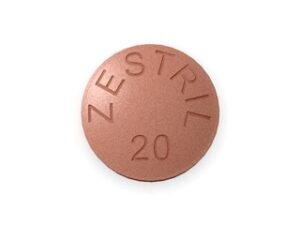
Aldactone (spironolactone) tablets come in different strengths depending on local availability. Spironolactone is intended for long-term use in many conditions, with doses adjusted based on the reason it’s being used and your blood test results.
In Australia, spironolactone is widely prescribed for recognised medical indications and is available through pharmacy channels in line with local regulatory requirements.
How Aldactone Works (Mechanism of Action)
Spironolactone is a mineralocorticoid receptor antagonist. It works primarily in the kidneys by blocking the action of aldosterone, a hormone that promotes salt (sodium) retention and potassium excretion.
This leads to:
- Diuretic effect: The kidneys remove extra fluid and sodium, helping reduce swelling and lower blood pressure.
- Potassium-sparing effect: Because aldosterone effects are blocked, the body tends to retain potassium, which is beneficial for preventing low potassium caused by some other diuretics—but increases the risk of high potassium.
- Hormonal effects: Spironolactone can also reduce the influence of androgens (male-type hormones), which is why it may help with certain forms of acne or unwanted hair growth in people with hormonal drivers.
Pharmacokinetics (Absorption, Distribution, Metabolism, Elimination)
Understanding how spironolactone is processed by the body can help explain timing and how it may affect blood tests. After oral dosing, spironolactone is absorbed and undergoes metabolism, producing active metabolites that contribute to its overall effect.
- Absorption: Generally absorbed following oral intake; taking with food may improve tolerance.
- Metabolism: Liver metabolism produces active metabolites (spironolactone is not the only contributor to effect).
- Onset of action: Diuretic effects can begin within hours, but full clinical effects (especially for fluid balance and blood pressure) may take several days.
- Duration: Because active metabolites persist, effects can last longer than the immediate diuretic window.
- Elimination: Mainly via renal and non-renal pathways (important for people with kidney impairment).
Your kidney function and other medicines can influence how much spironolactone effect occurs and how quickly it clears. This is one reason doctors may regularly monitor blood electrolytes and kidney function.
Typical Use in Australia
Aldactone is used for several established clinical purposes. The exact reason you take it will determine the starting dose and monitoring schedule.
Common indications
- Oedema (fluid retention) associated with conditions where aldosterone contributes to fluid build-up, often in combination with other medicines.
- Heart failure in selected patients, to help manage fluid and improve outcomes as part of standard heart failure regimens.
- Hypertension (high blood pressure) in certain situations, especially where aldosterone-related mechanisms are involved.
- Hirsutism (excess facial/body hair) and acne in people where an androgen-driven cause is suspected or confirmed.
- Hyperaldosteronism or suspected aldosterone excess may be managed with spironolactone depending on the clinical scenario.
Note: Not every person with acne/hirsutism will benefit, and the response may take time. Hormonal conditions often require combined assessment and follow-up.
Timing and How to Take Aldactone
For many people, spironolactone is taken or
General timing advice (patient-friendly)
- Try to take it at the same time each day to maintain steady effects.
- If you find it makes you need to urinate more, consider taking it earlier in the day.
- Follow your clinician’s instructions for the exact dose schedule.
What to expect
- Urination/diuretic effects: may start within hours, but may not feel dramatic for everyone.
- Blood pressure changes: commonly develop over days to weeks.
- Acne/hair improvements: often require several months of consistent treatment to see meaningful changes.
Food Interactions and What to Eat/Drink
Spironolactone may be taken with or without food. However, taking it with food can help reduce stomach upset in some people.
Key food-related considerations
- Potassium intake: Be cautious with high-potassium diets while taking spironolactone, especially if you have kidney disease or take other medicines that raise potassium.
- Avoid “salt substitutes” unless your pharmacist or doctor confirms they are safe for you. Many salt substitutes contain potassium chloride.
Alcohol
- Alcohol may increase dizziness and can worsen low blood pressure symptoms in some people.
- If you drink alcohol, consider starting with smaller amounts and avoid driving if you feel unsteady.
Medicine Interactions (Important Safety Information)
Drug interactions can increase the risk of side effects such as high potassium or kidney stress. Always inform your pharmacist about all medicines and supplements you take, including over-the-counter products.
Common medicines/supplements that may interact
- Other medicines that raise potassium: e.g., ACE inhibitors (such as perindopril, enalapril), ARBs (such as losartan), direct renin inhibitors, potassium supplements.
- Potassium-sparing diuretics: e.g., amiloride, triamterene (combined use increases hyperkalaemia risk).
- NSAIDs (anti-inflammatory pain medicines): ibuprofen, naproxen, diclofenac, and similar medicines can affect kidney function and reduce diuretic effectiveness in some people.
- Trimethoprim (an antibiotic) can increase potassium.
- Digoxin: interaction is possible; monitoring may be needed if used together.
- Lithium: can interact with diuretic medicines; levels may rise and become toxic.
- Other blood pressure medicines: may add to blood pressure lowering; dizziness is possible.
Herbal and supplement cautions
- Potassium-containing supplements or “electrolyte” products should generally be avoided unless specifically advised.
- Herbal products can also affect blood pressure or kidney function. Ask your pharmacist if unsure.
Safety Profile: Side Effects and When to Seek Help
Like all medicines, Aldactone can cause side effects. Many are mild, but some can be serious—particularly those related to potassium levels and kidney function.
Common side effects
- Dizziness or light-headedness (especially when standing up)
- Increased urination
- Muscle cramps or weakness (may relate to electrolyte changes)
- Breast tenderness or enlargement
- Menstrual changes (irregular periods) in some people
- Headache
- Gastrointestinal upset (nausea, stomach discomfort) in some cases
Less common but important risks
- Hyperkalaemia (high potassium): can be dangerous and may affect heart rhythm.
- Kidney function changes: especially in people with existing kidney disease, dehydration, or use of interacting medicines.
- Hormonal side effects: may include reduced libido, erectile dysfunction (in some people), or breast changes.
Urgent warning signs — seek medical help promptly
Contact urgent medical care or seek immediate advice if you experience:
- Severe weakness, palpitations, fainting, or chest discomfort
- Marked dizziness or inability to stay upright
- Signs of severe dehydration (very low urine output, extreme thirst, confusion)
- Allergic symptoms such as facial/lip swelling, rash with breathing difficulty
Monitoring is an important part of safe use
Many patients require periodic blood tests to check: potassium levels and kidney function (creatinine/eGFR), especially early in treatment or after dose changes.
Dosing: How Aldactone Is Usually Started and Adjusted
Dosing depends on the condition being treated, age, kidney function, blood potassium, and how you respond to therapy. Your prescriber will tailor the plan to you.
Typical dose patterns (general guidance)
- For fluid-related conditions or heart failure: often started at a lower dose and adjusted based on response and blood test results.
- For blood pressure: dose may be adjusted slowly to balance effectiveness and tolerability.
- For acne/hirsutism: dosing is typically set to reduce androgen effects, often requiring ongoing use for several months before a full response.
Because spironolactone can affect potassium and kidney function, dose adjustments should not be made without clinical guidance. If your blood results show high potassium or reduced kidney function, your clinician may reduce the dose or stop the medicine.
Practical tip: If you miss a dose, take it as soon as you remember unless it is near the time of your next dose. Avoid doubling up.
Practical Use Tips (Patient-Friendly)
- Stay hydrated: Dehydration can increase the risk of kidney issues.
- Be careful with salt substitutes: Many contain potassium.
- Check your other medicines: Ask your pharmacist if any new medicine could raise potassium or affect kidneys.
- Rise slowly: If you feel dizzy, stand up slowly from sitting or lying positions.
- Keep appointments for blood tests: This is key to safe treatment.
- Track symptoms: Especially for acne/hirsutism, note changes over time rather than expecting immediate results.
Alternative Options
Alternatives depend on what Aldactone is being used for. Your clinician may choose different approaches based on medical history, blood test results, and the underlying cause.
For fluid retention and blood pressure
- Thiazide diuretics (e.g., hydrochlorothiazide) — may not spare potassium.
- Loop diuretics (e.g., furosemide) — often used for stronger fluid removal.
- Other antihypertensives tailored to your condition and risk factors.
For acne and hormonal hair growth
- Topical acne treatments (e.g., benzoyl peroxide, retinoids) — can be combined with hormonal therapy when appropriate.
- Other hormonal options may be considered depending on the clinical picture.
- Dermatology-led regimens often combine several therapies for best results.
Never stop or switch medicines without professional advice, particularly if you are taking Aldactone for heart failure or fluid control.
Market and Legal Context for Australia
In Australia, medicines such as Aldactone (spironolactone) are regulated to ensure safe supply and appropriate use. Availability and dispensing requirements can vary by strength and indication.
An online pharmacy typically provides information and support to help customers understand how to use medicines safely, including advising when blood test monitoring or clinical review is important. Always refer to the product packaging and follow the guidance provided by your healthcare professional.
If you are purchasing through an online pharmacy, you may be required to complete health screening and/or provide relevant information to support safe use.
Recent Guidance and Evolving Care (General Notes)
While specific guidance can vary by condition and clinical updates, the general themes in ongoing best practice include:
- Careful monitoring of potassium and kidney function due to the risk of hyperkalaemia.
- Risk assessment when combined with other medications that can affect potassium or kidneys.
- Tailoring use in heart failure and hormonal conditions to the individual and response.
- Patient education on avoiding salt substitutes and understanding warning signs.
If you’ve recently been advised to start or change spironolactone, ensure you understand when your blood tests are due and what results would mean for dose adjustments.
Delivery and Availability
Aldactone availability can depend on stock levels and the tablet strength supplied by manufacturers and wholesalers. Delivery timelines may vary across Australian states and territories.
- Check product page availability: Many online pharmacies show whether a product is in stock.
- Delivery times: Typical timeframes vary by provider; refer to the checkout or delivery policy.
- Cold-chain not usually required: Spironolactone tablets are generally stored at controlled room temperature (follow packaging directions).
For ongoing therapy, it’s helpful to order before you run out to avoid missed doses.
Frequently Asked Questions (FAQ)
1) What is Aldactone used for?
Aldactone (spironolactone) is used for several conditions, including fluid retention/oedema, selected cases of heart failure and high blood pressure, and hormonal conditions such as acne or excess hair growth in certain patients. Your specific indication determines your dose and monitoring schedule.
2) How long does Aldactone take to work?
If you’re taking it for fluid or blood pressure, effects may be noticed within days, though it can take longer for full benefit. For acne or hirsutism, improvements typically take several months and may require consistent use to see results.
3) Why do I need blood tests while taking spironolactone?
Spironolactone can raise potassium levels and affect kidney function. Blood tests help ensure it remains safe for you—especially early in treatment, after dose changes, or if you have kidney disease or take interacting medicines.
4) Can I take a salt substitute?
Many salt substitutes contain potassium chloride and may be unsafe with spironolactone due to hyperkalaemia risk. Ask your pharmacist if a particular product is safe for you.
5) Is it safe to drink alcohol?
Moderate alcohol may be safe for some people, but alcohol can increase dizziness and the chance of low blood pressure symptoms. Avoid drinking if you feel unwell, dizzy, or if you are driving or operating machinery.
6) What medicines should I avoid?
You should discuss your full medication list with your pharmacist or doctor. Medicines that can increase potassium (such as certain blood pressure medicines), NSAIDs, trimethoprim, and some other agents may require extra caution or monitoring.
7) What should I do if I miss a dose?
Take it when you remember unless it is close to your next dose. Do not double up. If you’re unsure, ask your pharmacist.
8) What side effects are most concerning?
The most concerning are those related to high potassium or serious kidney problems, which may show up as unusual weakness, palpitations, fainting, or significant dizziness. Seek urgent medical advice if these occur.
9) Can I take Aldactone if I have kidney problems?
Spironolactone may still be used in some patients with kidney impairment, but it requires careful assessment and monitoring. Your clinician will consider your kidney function and potassium level before deciding on an appropriate dose.
10) Are there alternatives if I can’t tolerate Aldactone?
Yes—alternatives vary depending on why you take it (fluid management, blood pressure, or hormonal symptoms). Your clinician can discuss options based on your medical history and blood test results.
Summary
Aldactone (spironolactone) is a potassium-sparing diuretic and mineralocorticoid receptor antagonist used for fluid retention, some blood pressure and heart-related conditions, and certain hormonal issues. Because it can affect potassium levels and kidney function, safe use relies on correct dosing, avoiding potassium-containing substitutes or supplements unless advised, and attending blood test monitoring when recommended.
If you have questions about how to take Aldactone, potential interactions with your current medicines, or what side effects to watch for, speak with your pharmacist or healthcare professional.