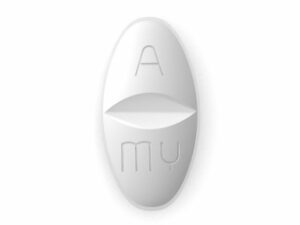


Irbesartan (Australia): Patient-Friendly Medicine Information
Irbesartan is a prescription medicine used to treat certain cardiovascular and kidney conditions. It belongs to a group of medicines known as angiotensin II receptor blockers (ARBs). By helping relax blood vessels and reduce strain on the heart and kidneys, irbesartan can improve outcomes for eligible patients.
This page explains how irbesartan works, how it behaves in the body, typical uses, dosing considerations, important safety information, practical tips, and frequently asked questions—tailored for readers in Australia.
Basic product information
- Medicine name: Irbesartan
- Medicine type: ARB (angiotensin II receptor blocker)
- Common uses: High blood pressure; protection of kidneys in some patients with diabetes
- How it is taken: Usually by mouth once daily (depending on the prescribed regimen)
- Availability: Typically supplied as tablets of different strengths
Note: Brands and strengths may differ. Always follow the dosing instructions provided by your healthcare professional and read the product label for your specific formulation.
How irbesartan works (mechanism of action)
Irbesartan blocks the action of angiotensin II, a substance in the body that narrows blood vessels and raises blood pressure. Angiotensin II also contributes to hormonal pathways that can increase fluid retention and stress the heart and kidneys.
By selectively blocking angiotensin II type 1 (AT1) receptors, irbesartan helps to:
- Lower blood pressure by relaxing blood vessels
- Reduce the workload on the heart
- Protect kidney function in certain patients by reducing harmful pressure within kidney filtering units (glomeruli)
The result is improved cardiovascular and renal outcomes in eligible individuals, especially those with specific kidney disease patterns.
Pharmacokinetics: what the body does to irbesartan
Pharmacokinetics describes how a medicine is absorbed, distributed, metabolised, and eliminated.
Absorption
- Irbesartan is absorbed after oral dosing.
- Food can slightly affect absorption; however, it is generally acceptable to take it with or without food (see “Food interactions” below for details).
Distribution
- It circulates in the bloodstream and binds to plasma proteins (commonly including albumin).
Metabolism
- Irbesartan is metabolised mainly in the liver.
Elimination
- It is eliminated primarily through bile and faeces, with some elimination via urine.
Onset and duration
- Blood pressure effects generally occur within hours, with full effects developing over days to weeks.
- The once-daily dosing schedule reflects its sustained activity during the day.
Practical takeaway: If you start irbesartan, continue to take it consistently. Don’t judge its effectiveness from one dose; blood pressure improvements typically build over time.
Typical uses in Australia
Irbesartan is used in adults for:
- Hypertension (high blood pressure): Helps reduce blood pressure and associated cardiovascular risk.
- Diabetic kidney disease (in selected patients): To help slow progression of kidney problems in people with diabetes and certain patterns of protein in the urine.
Not all patients with diabetes and kidney issues are suitable. Eligibility depends on factors such as kidney function, urine protein levels, and overall medical history.
Indications (when it may be chosen)
In Australia, irbesartan is considered for the following clinical indications (as assessed by a healthcare professional):
- Treatment of hypertension in adults.
- Renal protection in type 2 diabetes with kidney involvement, particularly when there is evidence of increased protein in the urine (albuminuria/proteinuria), and as part of an overall management plan.
Always confirm the intended indication for your specific prescription, since dosing goals and monitoring may differ.
Dosing and timing
Always follow your prescriber’s instructions. Below are common dosing concepts used with irbesartan, presented for general education.
Typical timing
- Once daily is common for irbesartan.
- Many people choose a consistent time each day (morning or evening) to support adherence.
Typical dose range (general guidance)
In adult practice, irbesartan doses are commonly adjusted based on blood pressure response and tolerability. Common ranges include:
- Lower starting doses may be used for some people, especially if there are concerns about blood pressure, kidney function, or fluid balance.
- Doses may be increased gradually if needed to reach treatment targets.
Important: The exact dose you should take depends on your medical condition and kidney function results. Do not change dose without professional guidance.
Missed dose
- If you miss a dose, take it when you remember unless it is close to the time for your next dose.
- Do not take a double dose to make up for a missed tablet.
Monitoring during treatment
During therapy, clinicians often monitor:
- Blood pressure
- Kidney function (creatinine, estimated glomerular filtration rate)
- Potassium levels (hyperkalaemia risk)
Monitoring schedules may vary, especially after dose changes or when starting interacting medicines.
Food interactions
For irbesartan, food does not usually prevent use. Many patients can take it with or without food. However, individual products and patient factors may influence absorption.
- General guidance: You can generally take irbesartan either with or without food.
- Consistency helps: If you prefer taking it with food (e.g., breakfast), try to keep the routine stable each day.
If you are unsure, check the product information for your particular brand and speak to a pharmacist.
Alcohol and medicine interactions
Alcohol
Alcohol can lower blood pressure and may worsen lightheadedness or dizziness, particularly when you first start irbesartan or after a dose increase.
- Moderate alcohol intake may be acceptable for some people, but avoid heavy drinking.
- If you notice dizziness when standing, consider limiting alcohol and discuss with your healthcare professional.
Other medicine interactions (important)
Irbesartan can interact with medicines that affect kidney function, potassium balance, or blood pressure.
Common interaction categories include:
- Potassium supplements or salt substitutes containing potassium (may increase potassium levels)
- Diuretics (water tablets), especially those affecting fluid volume and electrolytes
- Non-steroidal anti-inflammatory drugs (NSAIDs) such as ibuprofen and naproxen (may affect kidney function and reduce antihypertensive effect in some cases)
- Other blood pressure medicines, including other RAAS-active agents (combining may increase low blood pressure or kidney risk)
- Medicines affecting potassium (for example, certain heart medications)
Practical safety tip: Before starting a new medicine (including OTC products like ibuprofen), consult a pharmacist—especially if you have kidney impairment, diabetes, or a history of high potassium.
Safety profile: who should take extra care?
Most people tolerate irbesartan well, but it can cause side effects in some individuals. Your healthcare professional will weigh benefits against risks for your specific health situation.
Common side effects
- Dizziness or lightheadedness
- Fatigue
- Headache
- Occasional gastrointestinal discomfort
Serious but less common risks
The following risks require prompt medical attention:
- High potassium (hyperkalaemia): may present as muscle weakness, abnormal heart rhythms, or be detected on blood tests.
- Kidney function changes: especially after starting or dose increases, particularly with dehydration or interacting medicines.
- Low blood pressure: particularly in people who are volume-depleted (e.g., vomiting, diarrhoea, or aggressive diuretic use).
- Allergic reactions (rare), such as swelling of face/lips, rash, or breathing difficulty.
Pregnancy and breastfeeding
- Pregnancy: Medicines in the ARB class are generally not recommended during pregnancy. If pregnancy is possible or occurs, seek medical advice urgently.
- Breastfeeding: Advice can vary depending on individual circumstances; talk to a clinician about the safest option.
Always seek urgent medical advice if you experience symptoms of severe allergic reaction or fainting.
When to be extra cautious
- Kidney disease or reduced kidney function
- High potassium levels
- Dehydration or low blood pressure symptoms
- Use of medicines that affect potassium or kidney function
Practical use tips (how to get the best results)
1) Take it at the same time each day
Consistent dosing helps maintain steady blood pressure control.
2) Keep track of your blood pressure
- Home blood pressure monitoring can help show how well therapy is working.
- Bring readings to appointments for review.
3) Attend blood test monitoring
Kidney function and potassium levels are often checked after initiation and after dose adjustments.
4) Stay hydrated (unless told otherwise)
Dehydration can increase risk of kidney problems or low blood pressure. If you have vomiting/diarrhoea, contact a clinician for guidance.
5) Don’t stop abruptly without advice
Stopping suddenly may worsen blood pressure control or kidney protection goals. If you need to change therapy, do so with professional direction.
6) Be careful with OTC products
- NSAIDs like ibuprofen/naproxen can affect kidneys and blood pressure.
- Check with a pharmacist before using pain relief or “cold and flu” products that may contain NSAIDs or decongestants.
Alternative options (other treatments to discuss)
If irbesartan isn’t suitable (for example, due to side effects, interactions, or specific medical history), healthcare professionals may consider other options. Alternatives typically include:
Other ARBs
- Losartan
- Valsartan
- Candesartan
ACE inhibitors (different class, related blood pressure pathway)
- Enalapril
- Lisinopril
- Perindopril
Important: ACE inhibitors and ARBs are generally not combined in routine care due to increased risk of side effects such as kidney impairment and high potassium—unless there is a specific specialist plan.
Other blood pressure medicines
- Calcium channel blockers (e.g., amlodipine)
- Thiazide-like diuretics (e.g., indapamide)
- Beta blockers (e.g., metoprolol) in selected conditions
Your best alternative depends on your blood pressure pattern, kidney function, diabetes status, and other medicines.
Delivery and availability in Australia
Irbesartan is typically available through pharmacies across Australia in tablet form. Supply may vary by strength and brand.
- Online pharmacy convenience: Many Australian customers use licensed online pharmacies for home delivery.
- Stock and substitutions: Products may be supplied by brand or strength where available; check the product name and strength carefully.
- Delivery timeframes: Delivery options differ by provider and location (metro vs regional areas).
- Cold chain: Irbesartan tablets generally do not require cold storage unless the product label specifies otherwise.
For the most accurate availability information, check the listing for your specific tablet strength and quantity.
Market and legal context for Australia (overview)
In Australia, medicines such as irbesartan are regulated to ensure quality, safety, and appropriate use. Key points include:
- Regulatory oversight: Therapeutic goods are regulated by Australian health authorities.
- Pharmacist involvement: Pharmacy dispensing supports correct identification of the medicine, strength, and suitable patient use considerations.
- Quality and supply: Reputable pharmacy suppliers source medicines via authorised supply channels.
Always purchase from legitimate channels and avoid counterfeit products.
Recent guidance and clinical updates (what to expect)
Clinical guidance for ARBs like irbesartan continues to emphasise:
- Careful monitoring of kidney function and potassium, especially after starting or increasing dose.
- Individualised blood pressure targets depending on overall cardiovascular and kidney risk.
- Attention to interacting medicines (particularly NSAIDs and potassium-altering products).
- Pregnancy safety and rapid review if pregnancy is possible.
Guidelines can be updated over time. Your healthcare professional may tailor recommendations to your situation, including which tests and follow-up schedules are appropriate.
Frequently asked questions (FAQ)
1) What is irbesartan used for?
Irbesartan is used to treat high blood pressure. It may also be used to help protect the kidneys in selected adults with type 2 diabetes and evidence of kidney involvement (such as increased protein in the urine), as part of a broader management plan.
2) How long does it take to work?
Some blood pressure lowering may be noticed within hours, but the full effect typically develops over days to a few weeks. Consistent daily use is important.
3) Should I take it in the morning or at night?
Many people take irbesartan at the same time each day. Whether morning or night is preferred can depend on your blood pressure pattern and how you feel. If you notice dizziness, discussing timing with your pharmacist or clinician can help.
4) Can I take it with food?
Generally, irbesartan can be taken with or without food. Choose a routine you can stick with and confirm with your product label if needed.
5) What should I do if I miss a dose?
Take it when you remember unless it is close to the next dose. Do not take a double dose to compensate.
6) Can I drink alcohol while taking irbesartan?
Alcohol may increase the chance of dizziness or low blood pressure. If you drink, keep it moderate and watch for lightheadedness—especially when starting or increasing the dose.
7) What medicines should I avoid or be careful with?
Be cautious and consult a pharmacist about:
- NSAIDs (ibuprofen, naproxen)
- Potassium supplements and salt substitutes
- Other blood pressure medicines
Also check “cold and flu” products, as some can affect blood pressure or interact indirectly.
8) Are there any warning signs that mean I should seek help?
Seek urgent medical help if you develop signs of severe allergic reaction (such as swelling of face/lips or difficulty breathing), fainting, or symptoms suggesting markedly high potassium (for example, unusual weakness) or worsening kidney problems. Otherwise, contact your clinician promptly if you feel persistently unwell or dizzy.
9) Will I need blood tests?
Often, yes. Kidney function and potassium levels are commonly checked after starting irbesartan and after dose changes, especially for people with kidney impairment or diabetes.
10) What if I’m pregnant or planning pregnancy?
ARBs are generally not recommended during pregnancy. If you are planning pregnancy or become pregnant, seek urgent advice to discuss safer alternatives.
Summary: key points to remember
- Irbesartan is an ARB used for high blood pressure and selected cases of diabetic kidney disease.
- It helps relax blood vessels and can reduce strain on the heart and kidneys.
- Take it consistently once daily and monitor blood pressure, kidney function, and potassium as advised.
- Be cautious with alcohol and medicines that can affect the kidneys or potassium levels.
- Do not use during pregnancy; seek prompt advice if pregnancy occurs.
Disclaimer: This information is for general educational purposes and does not replace advice from a healthcare professional. For personalised guidance—especially regarding dosing, monitoring, and interactions—speak to your pharmacist or doctor.