

Loniten (Minoxidil) — Patient Guide (Australia)
Loniten is a brand of minoxidil. In Australia, minoxidil medicines are used for specific conditions under medical supervision. This guide explains how Loniten works, how it’s typically taken, what to expect, and important safety information for people considering or already using minoxidil.
Note: This page is for general information only. Your prescriber and pharmacist can tailor advice to your health needs, blood test results, and other medicines you may be taking.
Quick Facts
- Medicine: Loniten (minoxidil)
- Active ingredient: Minoxidil
- What it’s used for: Typically for certain hair-loss conditions (low-dose regimens are more common in dermatology products), and for other medical indications depending on formulation and guidance.
- How it works: Helps widen blood vessels and influences growth signals in target tissues.
- Onset of results: Often gradual; visible changes commonly take weeks to months.
- Key safety points: Can affect blood pressure and heart rate; fluid retention may occur.
Basic Product Information
Loniten contains minoxidil as the active ingredient. Minoxidil is a medicine that was first developed as a blood-pressure medicine and later found to be useful for conditions involving hair growth.
In pharmacy settings, minoxidil may be encountered in different strengths and forms depending on the product. Your exact dose and instructions depend on the condition being treated and the formulation you receive.
- Drug class: Potent vasodilator (blood-vessel widening medicine)
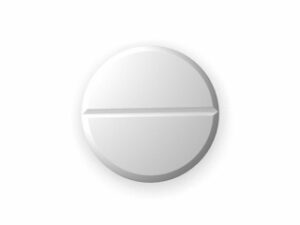
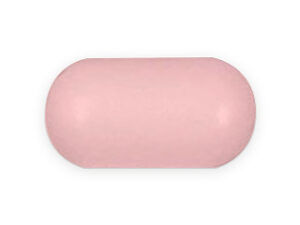
- Common forms: Typically oral tablets for Loniten; topical minoxidil exists in other products (not the same as Loniten).
- Brand name: Loniten
How Loniten Works (Mechanism of Action)
Minoxidil is converted in the body to an active metabolite that affects blood vessels and cellular signalling. Its main actions include:
- Vasodilation: It relaxes smooth muscle in blood vessel walls, helping them widen. This can reduce resistance in circulation.
- Cell growth signalling: In hair follicles, minoxidil-related pathways can support longer growth phases (anagen) and encourage thicker hair over time.
- Increased blood flow: Improved microcirculation may help deliver oxygen and nutrients to follicles (as part of the overall effect).
Hair-related benefits are usually not immediate. Follicles often need time to shift growth patterns, produce new hair, and thicken existing hairs.
Pharmacokinetics (How the Body Handles It)
Pharmacokinetics describes what happens after you take minoxidil—absorption, distribution, metabolism, and elimination.
- Absorption: Oral minoxidil is absorbed from the gastrointestinal tract. Peak levels occur after absorption and conversion to active forms.
- Distribution: Minoxidil distributes through tissues and can reach target sites through the bloodstream.
- Metabolism: Minoxidil is metabolised in the body (including conversion to active and inactive metabolites).
- Elimination: The metabolites are eliminated primarily via the kidneys. The overall clearance depends on kidney function and other individual factors.
Because minoxidil can influence blood pressure and fluid balance, your clinician may monitor your response and adjust dosing accordingly.
Typical Indications (What It’s Used For)
Minoxidil use can vary by dose, formulation, and clinical context. In practice, minoxidil products are associated with:
- Hair-related conditions: Management of certain types of hair loss where minoxidil is considered appropriate.
- Other medical indications: In some settings, oral minoxidil has been used for blood pressure control in specific patients. Your use should match your specific product instructions and clinical plan.
Always follow the plan supplied with your medicine and discuss whether Loniten is appropriate for you.
Dosing — How Loniten Is Commonly Used
Your exact dose and schedule should be based on your clinician’s instructions and the product strength you receive. Dosing for minoxidil varies widely by indication and patient factors.
General dosing considerations:
- Start low and adjust carefully: Some people begin with a lower dose to reduce side effects.
- Consistency matters: Take it at the same times each day as directed.
- Do not increase dose on your own: Increasing dose can raise risk of side effects, including cardiovascular effects.
- Missing doses: Follow your local pharmacy instructions—usually, take the next dose at the usual time. Avoid doubling doses unless told otherwise.
| Factor | Why it matters | Practical tip |
|---|---|---|
| Indication (hair vs. other) | Dosing and expected outcomes differ | Confirm you’re using Loniten for your intended condition |
| Strength and formulation | Loniten tablets may differ from topical minoxidil products | Check the label and tablet strength carefully |
| Other medicines | Drug interactions may change safety and blood pressure effects | Tell your pharmacist about all medicines and supplements |
| Body response | Side effects can require adjustment | Monitor symptoms such as dizziness, swelling, or palpitations |
Timing — When to Take and When to Expect Results
When to take
Follow your prescription/medicine directions exactly. Oral minoxidil is often taken once or twice daily depending on the regimen.
- Choose a routine: Take doses around the same times daily.
- Use reminders: Phone alarms can help prevent missed doses.
- Don’t stop abruptly: If you need to stop, discuss the plan with your clinician—particularly if you’re taking it for cardiovascular indications.
How long until you notice effects?
If used for hair growth, results are typically gradual:
- Early phase: Some people notice changes after several weeks, but hair growth often lags behind treatment start.
- Common window: More meaningful improvements often appear after 2–4 months.
- Continued improvement: Benefits may continue to build over 6–12 months with consistent use.
A “shedding” period can occur in some hair-loss treatments when early hairs are replaced. Do not stop suddenly without medical advice.
Food and Drink Interactions
Food effects can influence how medicines are absorbed. For minoxidil, general guidance is:
- Take as directed with or without food: Many oral medicines can be taken either way, but follow the specific instruction on your product label.
- Avoid large inconsistency: If your directions allow food, try to keep your usual pattern consistent.
- Stay hydrated: If minoxidil causes fluid retention or changes thirst, maintain normal hydration unless your clinician has advised fluid restriction.
If you experience stomach upset, dizziness, or unusual symptoms after taking a dose, speak with your pharmacist about taking it with food (if appropriate for your regimen).
Alcohol Interactions and Cautions
Alcohol may increase the chance of side effects such as dizziness, light-headedness, or changes in blood pressure—particularly when starting or increasing the dose.
- Use caution: Limit alcohol and avoid binge drinking.
- Watch for dizziness: Sit or stand up slowly, especially when changing position.
- Be extra careful if you take other blood pressure medicines: Combined effects can lower blood pressure more.
If you plan to drink alcohol during treatment, discuss it with your healthcare professional—especially if you have cardiovascular conditions.
Medicine Interactions (Important)
Minoxidil can interact with other medicines, primarily through effects on blood pressure, heart rate, and fluid balance.
Tell your pharmacist if you take:
- Blood pressure medicines (antihypertensives): may increase the risk of low blood pressure or cause symptoms like dizziness.
- Diuretics (“water tablets”): clinicians may adjust diuretics due to fluid retention risk.
- Medicines affecting the cardiovascular system: including some heart medicines.
- Corticosteroids or other medicines that affect fluid retention: can increase swelling risk.
- Non-steroidal anti-inflammatory drugs (NSAIDs): may contribute to fluid retention and raise blood pressure in some people.
- Other hair-loss treatments: if combining therapies, discuss safe schedules to avoid confusion and adverse effects.
Also include:
- Over-the-counter medicines (e.g., cold and flu products)
- Herbal supplements (e.g., “for circulation” products)
- Vitamin or mineral supplements, particularly those affecting blood pressure or heart function
Safety Profile — Who Should Be Extra Careful?
Like all medicines, Loniten/minoxidil can cause side effects. Many are dose-related and may improve with adjustment, but some symptoms require prompt medical review.
Common or expected side effects
- Dizziness or light-headedness, especially when starting
- Headache
- Fluid retention (e.g., swelling in ankles/feet)
- Increased heart rate (palpitations)
- Changes in body weight related to fluid
Serious side effects — seek urgent help
Call emergency services or seek urgent medical care if you experience:
- Chest pain or severe shortness of breath
- Fainting or severe dizziness
- Rapid or irregular heartbeat with feeling unwell
- Sudden severe swelling or swelling with breathing difficulty
- Signs of an allergic reaction (e.g., facial swelling, rash with breathing issues)
When you should contact your pharmacist or clinician promptly
- Persistent swelling (ankles, feet, hands)
- Ongoing palpitations or a noticeably raised heart rate
- Symptoms of very low blood pressure (faintness, blurred vision)
- Unexplained rapid weight gain over a short period
Special populations
- Pregnancy and breastfeeding: Minoxidil safety depends on the specific situation. Discuss risks and benefits with your healthcare professional.
- Kidney or heart disease: Increased monitoring may be needed.
- Older adults: Side effects such as dizziness may be more likely—start carefully and monitor closely.
- People with low blood pressure: Extra caution is essential.
Practical Use Tips (Make Treatment Easier)
- Track your response: For hair loss, take consistent photos under similar lighting to monitor progress.
- Be patient with results: Improvement is usually gradual; early changes may be subtle.
- Monitor blood pressure symptoms: If you feel light-headed, check your blood pressure if you can and sit/lie down.
- Keep a symptom diary: Note timing of dizziness, swelling, or palpitations relative to doses.
- Don’t mix confusion: If you use topical minoxidil products as well, confirm you’re not doubling the intended dose accidentally (these are different formulations).
- Stay consistent: Taking doses at irregular times may worsen side effects or reduce effectiveness.
If you miss a dose, do not take two doses at once. Resume the next scheduled dose unless your pharmacist advises otherwise.
Alternative Options
Depending on your condition, other treatment options may be considered. Alternatives can include:
For hair loss (common discussion points)
- Topical minoxidil: Often used for androgenetic alopecia; delivered directly to the scalp.
- Other hair-loss medicines: Some people are prescribed medicines targeting hormones or hair cycling pathways.
- Dermatology procedures: Options like microneedling or low-level light therapy may be discussed in specialist care.
- Hair care and supportive measures: Reducing traction, managing scalp conditions, and correcting deficiencies (e.g., iron) where relevant.
Discuss suitability
Choice of alternative depends on your health history, severity, tolerability, and goals. Your pharmacist can help you compare practical options and safety considerations.
Market and Legal Context for Australia
In Australia, medicine availability depends on the regulatory category and prescribing/dispensing requirements. Minoxidil-containing products may be supplied through pharmacy channels with specific rules depending on formulation and strength.
When purchasing or using minoxidil medicines in Australia:
- Use only reputable suppliers and genuine products.
- Follow Australian packaging instructions and label directions.
- Report side effects to your healthcare provider or pharmacist.
Your local pharmacy team can clarify whether the product you’re considering is appropriate for you and how it should be used under Australian guidance.
Recent Guidance and Monitoring Notes
Clinical practice evolves. In recent years, dermatology and general prescribing guidance for hair loss has emphasised:
- Clear patient selection: Use is tailored to the type and pattern of hair loss.
- Realistic expectations: Outcomes take time and may be incomplete.
- Safety monitoring: Since minoxidil can affect blood pressure and heart rate in systemic use, monitoring for cardiovascular symptoms is important.
- Adherence: Stopping often leads to gradual loss of benefits over months.
If your symptoms change—especially dizziness, swelling, or palpitations—contact your healthcare team promptly.
Delivery and Availability (Online Pharmacy)
Availability varies by product type and regulatory category. In many cases, reputable Australian online pharmacies provide:
- Secure ordering with product verification
- Estimated delivery times to your location in Australia
- Packaging and cold-chain handling if required (minoxidil tablets typically do not require refrigeration, but always check product requirements)
When ordering, ensure:
- Your delivery address is correct
- Your contact number/email is current for updates
- You check the label for the correct strength and dosage form
If you have questions before ordering, a pharmacist can help confirm whether Loniten is the right product for your needs and whether any medicine interactions apply.
FAQ — Loniten (Minoxidil)
1) Is Loniten the same as topical minoxidil?
No. Loniten is an oral minoxidil product (tablet). Topical minoxidil products are applied to the skin/scalp and are different in absorption and side-effect profile.
2) How soon will I see results if I’m using it for hair loss?
Results are usually gradual. Some people notice changes after 2–4 months, with more significant improvement often over 6–12 months. Consistent use is key.
3) Can I stop Loniten if I don’t see results quickly?
Don’t stop suddenly without guidance. If you’re not seeing progress, discuss options with your healthcare provider—stopping may reduce benefits, and it may take time for follicles to respond.
4) What should I do if I feel dizzy after taking a dose?
Sit or lie down immediately, and avoid driving or operating machinery if you feel unwell. If dizziness is persistent or severe, contact your pharmacist or clinician promptly. Consider checking blood pressure if advised.
5) Does Loniten interact with other medications?
Yes. Tell your pharmacist about all medicines and supplements. Particular attention is given to blood pressure medicines, diuretics, heart medicines, and drugs that can affect fluid balance.
6) Is alcohol safe while taking Loniten?
Alcohol may worsen dizziness or blood pressure changes. If you drink, keep it moderate and avoid binge drinking. If you have symptoms such as light-headedness, it’s best to avoid alcohol and seek advice.
7) What side effects are most concerning?
Seek urgent medical help for chest pain, fainting, severe shortness of breath, severe swelling with breathing difficulty, or signs of an allergic reaction. Contact your pharmacist promptly for swelling, palpitations, or persistent dizziness.
8) Can I take Loniten with food?
In many cases, it can be taken with or without food. However, follow your label instructions. If you experience nausea, ask a pharmacist whether taking it with food is appropriate for your regimen.
9) If I miss a dose, should I double up?
Usually, no. Take the next dose at the usual time. If you’re unsure, ask your pharmacist for advice tailored to your schedule.
10) Are there alternatives if I can’t tolerate Loniten?
Alternatives may include other hair-loss treatments (such as topical options), different medicine choices, or non-medicine approaches. The best option depends on your condition and safety profile.
Final Reminder
Loniten (minoxidil) may be an effective option for certain conditions, but it requires careful, consistent use and awareness of potential side effects—particularly dizziness, palpitations, and fluid retention. If you notice any worrying symptoms, contact your healthcare team.
For product-specific instructions, confirm the exact strength on your label and follow the dosing schedule provided with your medicine.