Tenormin (Atenolol) — Patient Information (Australia)
Tenormin is a brand of atenolol, a medicine used to help control heart-related conditions by slowing the heart rate and reducing the workload on the heart. This guide explains how Tenormin works, how it’s typically used, what to expect, and the key safety and interaction points relevant for people in Australia.
Note: This information is intended to help you understand your medicine. Always follow the dosing instructions given to you by your healthcare professional and read the Consumer Medicine Information (CMI) included with the product for the most accurate details.
Basic product information
- Medicine: Tenormin
- Active ingredient: Atenolol
- Medicinal class: Beta blocker (cardioselective beta-1 blocker)
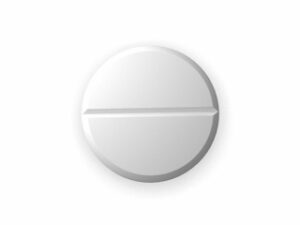
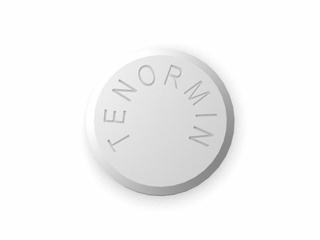
- Common forms: Tablets (strengths vary by product packaging)
- How it’s used: For selected cardiovascular conditions such as high blood pressure and certain heart rhythm/heart-related problems
How Tenormin works (mechanism of action)
Atenolol belongs to the class of medicines known as beta blockers. It primarily blocks beta-1 receptors in the heart. By doing so, it:
- Slows the heart rate (reduces how fast the heart beats)
- Reduces the force of contraction slightly, lowering the heart’s demand for oxygen
- Decreases nerve-driven “stress” signals that raise heart rate and blood pressure
- Helps lower blood pressure over time by reducing cardiac output and other regulatory effects
In practical terms, Tenormin can be helpful when your heart needs less “effort,” such as in angina (chest pain due to reduced blood flow) or after certain cardiac events, and it can help reduce the risk of complications from long-term hypertension.
Pharmacokinetics (how the body handles the medicine)
Understanding pharmacokinetics can help explain timing and onset:
| Feature | What typically happens with atenolol |
|---|---|
| Absorption | Atenolol is absorbed after oral dosing. Peak levels generally occur a few hours after a tablet dose. |
| Onset | Some effects on heart rate may occur within hours, but full blood pressure benefit may take days to weeks. |
| Distribution | It spreads through the body and acts mainly on beta receptors in the heart. |
| Metabolism | It is relatively less metabolised by the liver compared with some other beta blockers. |
| Elimination | Primarily excreted by the kidneys. People with reduced kidney function may require dose adjustments. |
| Half-life | Long enough that many patients take it once daily, though individual schedules vary. |
Typical uses and indications
Tenormin is used for certain cardiovascular conditions, including (depending on the clinical situation and product directions):
- Hypertension (high blood pressure): Helps lower blood pressure and reduce long-term cardiovascular risk.
- Angina pectoris: Helps reduce frequency and severity of chest pain episodes by lowering heart workload.
- Heart rate control in some arrhythmias: May be used to slow heart rate in conditions such as certain supraventricular tachyarrhythmias.
- After a heart attack (selected patients): In some care pathways, beta blockers may be used to reduce strain on the heart and lower risk of further events.
Whether Tenormin is suitable for you depends on your medical history, symptoms, heart rhythm, and other medicines. If you’re unsure why Tenormin was chosen, ask your pharmacist or doctor.
Dosing overview and timing
Doses vary based on the indication, your age, blood pressure, heart rate, and kidney function. Below is a general guide to help you understand typical use patterns.
- How often: Many people take atenolol once daily, but some regimens may use different frequency.
- Consistency: Try to take it at the same time each day.
- Do not change dose abruptly: Stopping suddenly can cause worsening chest pain, increased heart rate, or other symptoms in some people.
Typical timing:
- If prescribed once daily, take it at the same time each day—morning or evening—whichever fits your routine and best controls symptoms.
- If prescribed twice daily, space doses evenly to maintain steadier effects.
Practical example: If your doctor advises once daily dosing, taking a dose shortly after breakfast or at bedtime can help you remember it and maintain consistent daily coverage.
Food interactions: can you take Tenormin with meals?
Food can influence the rate of absorption of some tablets. For atenolol, taking it with food may improve tolerability for some people and can reduce stomach discomfort.
- General guidance: You may take Tenormin with or without food unless your product instructions specify otherwise.
- If you notice nausea: Consider taking it with a meal or after food (confirm with your pharmacist if unsure).
- Be consistent: Taking it the same way each day can help your routine and symptom control.
If you have kidney disease, diabetes, or multiple other conditions, it’s especially important to follow tailored advice about timing and monitoring.
Alcohol and medicine interactions
Alcohol
Alcohol can affect blood pressure and may intensify some beta blocker effects such as dizziness or light-headedness, especially when you stand up quickly (orthostatic effects). Alcohol may also worsen fatigue.
- Tip: If you drink alcohol, start cautiously and monitor how you feel after taking Tenormin.
- Avoid dehydration: Both alcohol and illness can strain circulation and worsen side effects.
Common medicine interactions
Tell your healthcare professional about all medicines and supplements you use, including over-the-counter products. Important interaction categories include:
- Other heart-rate–lowering medicines: Combining with certain medicines can further slow the heart or lower blood pressure.
- Some antiarrhythmics: May increase risk of bradycardia (slow heart rate) or conduction problems.
- Calcium channel blockers (non-dihydropyridines): Such as verapamil or diltiazem can have additive effects on heart rate.
- Diabetes medicines: Beta blockers may mask some warning symptoms of low blood sugar (such as fast heartbeat). They can also complicate symptom recognition.
- Clonidine (when stopping): Stopping clonidine suddenly can cause rebound effects; if beta blockers are involved, guidance is needed.
- Non-steroidal anti-inflammatory drugs (NSAIDs): Regular NSAID use may reduce the blood pressure–lowering effect for some people.
- Medicines that affect CYP metabolism (less commonly for atenolol): Atenolol is not as extensively metabolised by the liver as some beta blockers, but interactions are still possible with other medicines and comorbidities.
Always check: Ask a pharmacist if you’re unsure whether any specific medicine (including cold and flu products, asthma inhalers, or herbal supplements) could interact with atenolol.
Safety profile: common and serious side effects
Like all medicines, Tenormin can cause side effects. Many people tolerate it well, but the most important safety issues involve heart rate, blood pressure, and circulation.
Common side effects
- Slow heart rate (bradycardia)
- Dizziness or light-headedness
- Fatigue, reduced exercise tolerance
- Cold hands or feet
- Sleep disturbances in some people
- Upset stomach (less common; sometimes improved by taking with food)
Important warnings (seek medical help promptly)
- Fainting, severe dizziness, or marked weakness (possible too-low heart rate or blood pressure)
- Shortness of breath, swelling of the legs, or sudden worsening breathlessness (may indicate fluid retention or heart-related issues)
- Chest pain that worsens or new chest pain
- Signs of very slow heartbeat (e.g., collapse, confusion, persistent unusual tiredness)
- Allergic reactions (rash, swelling of face/lips, breathing difficulty)
Urgent care: If you experience severe symptoms such as fainting or breathing difficulty, seek urgent medical attention.
Who should take extra care?
Certain conditions may require careful selection, dosing, or monitoring:
- Asthma or chronic lung disease: Atenolol is relatively cardioselective, but caution is still required. Some people with asthma may experience bronchospasm.
- Low heart rate or heart block: Beta blockers can worsen conduction problems.
- Heart failure: If present, management should be optimised and the medicine used under appropriate supervision.
- Diabetes: May mask some hypoglycaemia symptoms.
- Kidney impairment: Since atenolol is mainly cleared by kidneys, dosing adjustments may be needed.
- Peripheral circulation problems (e.g., Raynaud’s): Can worsen due to reduced peripheral blood flow.
Practical use tips for day-to-day success
- Measure what matters: If you use Tenormin for blood pressure, regularly monitor BP as advised (home monitor may be helpful). For heart rate control, check pulse if you were advised to do so.
- Stand up slowly: If you feel dizzy, rise slowly from sitting/lying positions.
- Adherence matters: Taking it consistently is key for stable blood pressure and symptom control.
- Don’t skip doses: Missing doses can lead to reduced control of symptoms and heart rate.
- Don’t stop suddenly: If you want to discontinue, your clinician may reduce the dose gradually.
- Keep an eye on exercise capacity: Beta blockers can reduce maximum heart rate during exercise. Use your prescribed plan and report unusual breathlessness or fatigue.
- Carry a medication list: Especially if you see multiple healthcare providers.
Alternative options (other treatments for similar conditions)
Alternative medicines may be considered depending on your condition, comorbidities, and how you respond to atenolol. Your clinician may choose between:
- Other beta blockers: e.g., metoprolol, bisoprolol, propranolol (choice depends on cardioselectivity and your condition).
- Calcium channel blockers: e.g., amlodipine for hypertension; verapamil/diltiazem in specific heart-rate conditions.
- ACE inhibitors or ARBs: commonly used for blood pressure and cardiovascular protection.
- Diuretics: sometimes added to improve blood pressure control.
- Other rhythm/anti-anginal treatments: depending on the diagnosis.
For angina, hypertension, and arrhythmia management, non-medicine measures (such as smoking cessation, diet, exercise plan, weight management, and stress reduction) can also play a role alongside your treatment plan.
Market and legal context for Australia
Tenormin (atenolol) is an established medicine in Australia and is used for a range of cardiovascular indications. Availability, dispensing arrangements, and supply may vary depending on the product’s schedule and current Australian regulatory requirements.
- Regulatory oversight: Medicines in Australia are regulated through the Therapeutic Goods Administration (TGA) and dispensing practices follow national laws and guidelines.
- Quality and authenticity: Reputable suppliers ensure medicines meet Australian requirements and are supplied in authorised packaging.
- Pharmacy supply: In Australia, supply of many cardiovascular medicines typically occurs through pharmacy services and with appropriate patient checks.
Recent guidance note: During the last few years, Australian healthcare systems have emphasised medicine safety initiatives, careful review of cardiovascular risk management, and attention to appropriate monitoring for chronic conditions. Your healthcare professional may reassess your regimen based on evolving clinical guidelines and your personal risk factors.
Delivery and availability (online pharmacy)
Availability of Tenormin can depend on stock levels, tablet strength, and brand listings. When ordering online in Australia, a typical process may include:
- Stock check: The pharmacy confirms availability for your selected product strength/format.
- Packaging: Medicines are supplied in compliant packaging to protect quality and provide instructions.
- Delivery: Orders are dispatched by the pharmacy and delivered to your nominated Australian address.
- Estimated delivery times: Usually shown at checkout and vary by service level and location.
Delivery tips: Choose a delivery option that ensures someone can receive the parcel. If you need repeat supply, consider setting reminders so you don’t run out.
Monitoring: what to expect while taking Tenormin
Your clinician may monitor:
- Blood pressure and heart rate
- Symptoms such as dizziness, breathlessness, fatigue, or chest pain changes
- Kidney function if you have known kidney impairment or are at higher risk
- Blood glucose awareness if you have diabetes
If you experience side effects that are bothersome or suggest your heart rate or blood pressure is too low, contact your healthcare professional rather than adjusting the dose yourself.
FAQ — Tenormin (Atenolol)
1) How long does it take for Tenormin to work?
Some heart-rate and symptom effects may be noticeable within hours, but for blood pressure control, it often takes days to weeks to reach the best effect. Follow your monitoring plan and allow adequate time as advised by your clinician.
2) Should I take Tenormin in the morning or at night?
Either can be appropriate, depending on how you feel (e.g., dizziness or fatigue) and your dosing schedule. Many people prefer morning dosing for routine, while others take it at night to suit side effects. Use the plan agreed with your healthcare professional.
3) Can I take Tenormin with food?
In general, atenolol tablets can be taken with or without food. If you experience nausea or stomach discomfort, taking it with food may help. Be consistent from day to day.
4) What should I do if I miss a dose?
Follow the directions in the product information provided by the pharmacy. In many cases, if you miss a dose, you take it when you remember unless it’s close to the next dose. Do not double up unless your healthcare professional advises it. If unsure, ask your pharmacist.
5) Can I drink alcohol while taking Tenormin?
Alcohol may increase dizziness or fatigue in some people and can affect blood pressure. If you drink, do so cautiously and monitor how you feel. Avoid binge drinking and seek advice if you’re concerned.
6) Is Tenormin safe for asthma patients?
Atenolol is relatively cardioselective, but it can still affect airways in some people. If you have asthma or chronic lung disease, you should use caution and discuss your specific situation with a clinician.
7) Will Tenormin affect my exercise tolerance?
It may reduce maximum heart rate and can make strenuous activity feel more difficult at first. This doesn’t necessarily mean it’s harmful, but you should report significant breathlessness, chest discomfort, or fainting.
8) Can Tenormin be stopped suddenly?
Stopping abruptly can cause problems such as worsening chest pain or increased heart rate. If discontinuation is needed, healthcare professionals typically reduce the dose gradually.
9) What interactions should I watch for?
Be cautious with medicines that lower heart rate or blood pressure, diabetes medicines (low blood sugar warning signs), and some heart or rhythm medications. Always check with a pharmacist if you’re starting or stopping any medicine, including over-the-counter products.
10) Does Tenormin affect driving?
Some people experience dizziness or fatigue, particularly when starting or after dose changes. If you feel unwell, avoid driving or operating machinery until you know how the medicine affects you.
Summary
Tenormin (atenolol) is a beta blocker commonly used in Australia for conditions such as hypertension and certain heart-related problems. By slowing the heart and reducing cardiac workload, it helps improve symptoms and support long-term cardiovascular health. Most people take it once daily (depending on the prescribed regimen) and experience stable effects over time. The key safety considerations include monitoring heart rate and blood pressure, being cautious with asthma and diabetes, and avoiding abrupt stopping.
If you have questions about your dose, side effects, or interactions, your local pharmacist is a good first point of contact.