Atenolol (Atenolol Tablets) — Patient-Friendly Information (Australia)
Atenolol is a medicine used to treat a range of heart-related conditions. It belongs to the group of medicines called beta-blockers. By slowing the heart rate and reducing the heart’s workload, atenolol can help improve symptoms and reduce the risk of certain cardiovascular events.
This page provides a comprehensive overview designed for patients in Australia, including how atenolol works, how it’s taken, important safety information, common interactions, and practical tips. Always follow the directions provided by your prescriber and the product label.
Basic product information
- Medicine name: Atenolol
- Medicine class: Beta-blocker (selective β1 antagonist)
- Common form: Tablets (strengths vary by brand)
- Uses: High blood pressure, some types of chest pain (angina), and other heart conditions (depending on local guidance)
- How it may feel: Over time, you may notice lower heart rate, improved exercise tolerance, and reduced symptoms
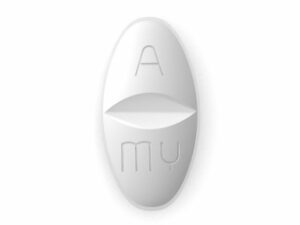
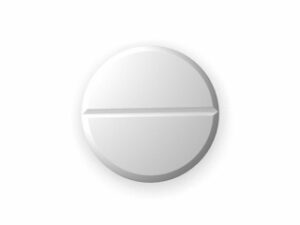
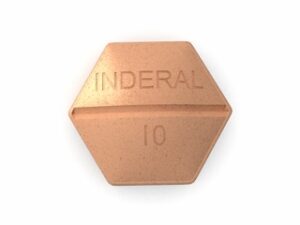
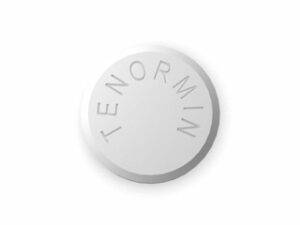
Note: Brand names and tablet strengths may differ. If you’re unsure which product you have, check the label for the strength (e.g., 25 mg, 50 mg).
Mechanism of action (how atenolol works)
Atenolol works primarily by blocking beta-1 (β1) receptors in the heart. This leads to:
- Slower heart rate (reduced “tachycardia”)
- Reduced force of heart contraction
- Lower oxygen demand by the heart muscle
- Lower blood pressure through reduced cardiac output and effects on the cardiovascular system
In angina, these effects help reduce chest pain episodes by decreasing the heart’s workload. In hypertension, it helps lower blood pressure and reduce the risk of complications over time.
Pharmacokinetics (how the body handles atenolol)
Pharmacokinetics describes how the medicine is absorbed, distributed, metabolised, and eliminated. Atenolol has predictable behaviour for many patients.
| Parameter | What it means for you |
|---|---|
| Absorption | Atenolol is absorbed from the gastrointestinal tract; food may slightly affect absorption for some people, but the clinical effect is often modest. |
| Onset | Some effects (e.g., heart rate reduction) may be noticed within hours, while blood pressure improvements develop over days to weeks. |
| Distribution | It is distributed through body tissues and primarily acts on the heart and related cardiovascular pathways. |
| Metabolism | Atenolol is relatively less metabolised in the liver compared with some other beta-blockers. |
| Elimination | It is largely cleared by the kidneys, so kidney function can influence levels and dosing needs. |
| Half-life | Often supports once-daily dosing for many patients; however, individual response and product strength guide timing. |
Typical uses in Australia
Atenolol is used for cardiovascular conditions. Depending on your health history, it may be recommended for:
- Hypertension (high blood pressure): To help lower blood pressure and reduce cardiovascular risk.
- Angina (chest pain): To reduce the frequency and severity of angina attacks in some people.
- Other selected cardiac conditions: Your clinician may consider atenolol for specific heart rate or cardiac workload issues based on clinical assessment and local practice.
If you are taking atenolol for a condition not listed above, it is still important to follow your treatment plan and ask your healthcare team if you have questions.
Indications (when doctors may prescribe atenolol)
Indications are the approved or commonly accepted reasons for use. For atenolol, these usually include:
- Essential hypertension (long-term high blood pressure)
- Angina pectoris (including chronic stable angina, depending on clinical scenario)
- Rate control in certain cardiovascular situations (based on clinician judgment)
Your healthcare provider will decide whether atenolol is appropriate for you by considering your heart rate, blood pressure, symptoms, other medicines, and underlying conditions such as asthma or kidney impairment.
Dosing: common approaches and key points
Dosing can vary based on the condition being treated, your heart rate, blood pressure, age, kidney function, and whether other medicines are used. Your product label may reflect your specific regimen.
Important: Do not change your dose or stop atenolol suddenly without medical advice.
Common dosing patterns (general information)
- Hypertension: Often started at a lower dose and adjusted according to blood pressure response.
- Angina: Typically requires regular dosing to maintain symptom control and heart rate reduction.
- Kidney impairment: Dosing may need adjustment because atenolol is cleared by the kidneys.
How to take atenolol
- Once daily or divided doses: Many patients take atenolol once daily; others may require a different schedule depending on the condition and tolerance.
- Consistency: Try to take it at the same time each day.
- Swallow tablets whole: Unless your product information says otherwise.
Missed dose guidance
- If you miss a dose, take it as soon as you remember.
- Do not double up to make up for a missed dose unless advised by your healthcare provider.
- If you are close to the next dose, skip the missed dose and continue your usual schedule.
Timing and daily routine
Many people prefer taking atenolol at a consistent time to maintain stable blood levels and predictable effects. Some choose morning dosing; others prefer evening dosing depending on how they respond (e.g., energy levels, sleep, dizziness).
- Steady daily schedule helps maintain consistent heart rate and blood pressure control.
- If you experience dizziness or feel unusually tired, your clinician may recommend adjusting the time of day.
Food interactions
Food can influence absorption for some medicines. With atenolol, the effect of food is typically not dramatic for most patients, but it’s still helpful to be consistent.
- Take atenolol with or without food if your product label allows.
- If you notice stomach upset or changes in how you feel, consider taking it with a light meal and remain consistent day to day.
For patients with complex regimens, it’s also important to consider timing with other medicines (e.g., antacids) if relevant to your situation.
Alcohol and medicine interactions
Alcohol
Alcohol can affect blood pressure and may worsen side effects such as dizziness, light-headedness, or fatigue. If you drink alcohol, consider:
- Start with small amounts and monitor how you feel
- Avoid heavy drinking, particularly when you’re new to atenolol or after dose changes
- Be cautious about driving if alcohol and beta-blocker effects combine to affect alertness
Other medicines that may interact
Some interactions are clinically important. Tell your pharmacist or doctor about all medicines you use, including over-the-counter products and supplements.
- Other blood pressure or heart medicines: may increase the risk of low blood pressure or slow heart rate (e.g., some calcium channel blockers).
- Medicines that slow heart rate: combining with atenolol may overly reduce heart rate.
- Diabetes medicines: beta-blockers can mask some warning signs of low blood sugar (e.g., rapid heartbeat).
- Clonidine (if used): stopping clonidine and beta-blockers improperly can lead to rebound effects; stopping should be guided.
- Asthma/COPD inhalers: atenolol is β1-selective, but at higher doses it may still affect breathing in susceptible people.
- Antiarrhythmics and certain anti-infectives: may affect heart rhythm; your clinician will check suitability.
Safety profile: what to watch for
Like all medicines, atenolol can cause side effects. Many are predictable and dose-related. Most patients tolerate atenolol, but it’s essential to know what to monitor.
Common side effects
- Tiredness or reduced energy
- Dizziness, especially when standing up quickly
- Slow heart rate (bradycardia)
- Cold hands or feet
- Sleep disturbance or unusual dreams
- Nausea in some people
Less common but important effects
- Worsening of asthma or breathing problems: particularly in people with reactive airway disease.
- Low blood pressure (hypotension)
- Changes in mood (rare), including depression-like symptoms in some individuals
Seek urgent medical advice if you experience
- Fainting or near-fainting
- Severe shortness of breath, wheezing, or breathing difficulty
- Chest pain that is new, worsening, or not relieved by your usual plan
- Very slow heart rate or palpitations with feeling unwell
If you are unsure whether symptoms are serious, contact a healthcare professional or local emergency services.
Practical use tips (to get the most benefit safely)
- Don’t stop suddenly: Stopping beta-blockers abruptly can lead to rebound effects such as increased heart rate, blood pressure rise, or worsening chest pain. Your clinician will advise a tapering plan if needed.
- Check your pulse and blood pressure if advised: Especially during dose changes. Keep a simple log to share with your doctor.
- Be cautious with standing: If you feel light-headed, stand up slowly and sit if symptoms occur.
- Keep up regular appointments: Heart medications often require monitoring to ensure the dose is right for you.
- Carry a medication list: Include the exact product name and strength. This is helpful in emergencies.
Alternatives to atenolol
If atenolol is not suitable (for example, due to side effects, insufficient control, or specific health considerations), clinicians may consider other beta-blockers or different medicine classes depending on the condition being treated.
Common alternative beta-blockers
- Metoprolol
- Bisoprolol
- Carvedilol (with additional effects on blood vessels)
Alternative medicine classes (depending on indication)
- ACE inhibitors or angiotensin receptor blockers (ARBs) for blood pressure
- Calcium channel blockers for blood pressure and some angina cases
- Nitrates or other anti-anginal options for symptom relief (as appropriate)
The best option depends on your individual medical history, other medicines, and goals of treatment. Discuss alternatives with your healthcare provider rather than changing independently.
Market and legal context for Australia
In Australia, medicines are regulated through the Therapeutic Goods Administration (TGA). Products containing atenolol are made available under specific regulatory categories, and distribution can depend on the medicine schedule and local pharmacy policies.
For patients, the practical takeaway is:
- It’s important to purchase atenolol from an authorised Australian pharmacy or retailer to ensure quality and compliance.
- Always check the product label for strength and dosing instructions.
- Your pharmacy team can help confirm compatibility with your other medicines and advise on correct administration.
Guidelines and prescribing practices can evolve. Your pharmacist can also discuss the most current advice relevant to your condition.
Recent guidance and clinical considerations (high-level)
Treatment recommendations for cardiovascular conditions often prioritise overall risk reduction and symptom control. In modern practice, clinicians consider a person’s cardiovascular risk profile, kidney function, co-existing conditions (such as diabetes and asthma), and tolerability when selecting therapy.
- Individualised care: The “best” medicine can differ between patients with similar diagnoses.
- Monitoring matters: Dose adjustments are common to balance benefit with side effects like slow heart rate and low blood pressure.
- Adherence: Regular dosing is important for consistent protection and symptom control.
If you have questions about whether atenolol remains the most suitable option for you, speak with your healthcare provider or pharmacist.
Delivery and availability (Australia)
Many Australian online pharmacies offer delivery of commonly used cardiovascular medicines, including atenolol, subject to stock availability and regulatory requirements. Delivery times can vary based on your location (metro vs. regional), order processing times, and carrier schedules.
- Stock availability: Most sites show whether an item is in stock or available with expected dispatch dates.
- Packaging: Medicines are typically supplied in secure, tamper-evident packaging.
- Cold-chain: Atenolol tablets generally do not require refrigeration; follow storage directions on the label.
- Contact support: If you need urgent medication, contact the pharmacy’s support team to discuss dispatch options.
Before ordering, review the strength and quantity to ensure it matches your current regimen.
Storage and handling
- Store tablets below 25°C unless the label states otherwise.
- Keep in the original packaging to protect from moisture and light.
- Keep out of reach of children.
- Do not use tablets past their expiry date.
FAQ: Atenolol (patient questions)
1) How long does it take for atenolol to work?
Some effects such as slower heart rate may be noticeable within hours to a day. For blood pressure control, improvements usually develop over days to weeks. For angina, regular dosing helps reduce attack frequency over time.
2) Can I take atenolol with food?
In general, atenolol can be taken with or without food if your product instructions allow. To minimise stomach upset and help with consistent absorption, many people take it at the same time each day, either with a meal or consistently without one.
3) What if my heart rate becomes too slow?
A slower heart rate can be an expected effect. However, if you feel unwell (e.g., dizziness, faintness, unusual fatigue) or your clinician has advised a target range, contact your healthcare team. Your dose may need adjustment.
4) Should I stop atenolol if I feel better?
No. Even if you feel better, blood pressure and heart conditions often require long-term management. Do not stop atenolol suddenly—speak with your healthcare provider about how long to take it and any changes to dosing.
5) Is atenolol safe for people with asthma or COPD?
Atenolol is considered more selective for β1 receptors than some other beta-blockers, but it may still affect breathing at higher doses or in sensitive people. If you have asthma or COPD, discuss risks and monitoring with your doctor or pharmacist.
6) Can I drive after taking atenolol?
Some people experience dizziness or fatigue, particularly after starting or adjusting the dose. Until you know how atenolol affects you, be cautious with driving or operating machinery—especially during the first days of treatment.
7) Does atenolol interact with diabetes medicines?
Beta-blockers can mask some warning signs of low blood sugar (such as fast heartbeat). If you use insulin or medicines for diabetes, monitor glucose carefully and discuss individual advice with your healthcare team.
8) Can I drink alcohol while taking atenolol?
Moderate alcohol may be possible for some people, but alcohol can worsen dizziness and lower blood pressure. Avoid heavy drinking and be cautious if you’re new to atenolol or recently changed dose.
9) What should I do if I miss a dose?
Take it when you remember unless it’s close to your next dose. Do not double up. If you’re unsure, ask your pharmacist for advice based on your schedule.
10) Are there alternatives if I can’t tolerate atenolol?
Yes. Depending on why you’re taking it (hypertension, angina, or other cardiac indications), clinicians may consider different beta-blockers or other medicines. Discuss your symptoms and side effects with your pharmacist or doctor to choose the safest option.
Disclaimer: This information is for general education and does not replace personalised medical advice. If you have concerns about your condition, side effects, or interactions, speak with a qualified healthcare professional.