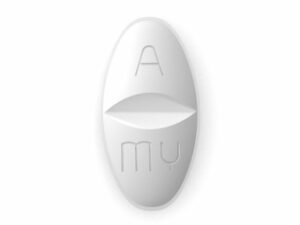


Losartan (Losartan Potassium) — Patient-Friendly Information
Losartan is a prescription medicine used to treat conditions where lowering blood pressure and/or protecting the kidneys and heart is beneficial. It belongs to a group of medicines called angiotensin receptor blockers (ARBs). This page explains how losartan works, how it is used, timing and food interactions, key safety points, and practical tips—written to be easy to understand for people in Australia.
Quick product information
| Category | Details |
|---|---|
| Generic name | Losartan (as potassium) |
| Medicine class | Angiotensin receptor blocker (ARB) |
| Common strengths | 50 mg, 25 mg (varies by brand and supply) |
| How it’s taken | Oral tablets |
| Typical frequency | Once daily (often) |
| Main goals | Lower blood pressure; protect kidneys (in selected conditions); support heart and cardiovascular health |
What losartan does (mechanism of action)
Your body normally makes a hormone called angiotensin II. Angiotensin II narrows blood vessels (raising blood pressure) and can also increase strain on the heart and kidneys.
Losartan blocks the angiotensin II receptor (AT1). By preventing angiotensin II from acting, losartan helps to:
- Relax and widen blood vessels, which lowers blood pressure.
- Reduce workload on the heart.
- Help protect the kidneys, especially in people with diabetes and certain patterns of kidney involvement.
- Lower levels of strain-related hormones that contribute to progression of cardiovascular and kidney disease.
Pharmacokinetics (how the body handles losartan)
Understanding pharmacokinetics can help you know what to expect with dosing and steady effect.
- Absorption: After oral dosing, losartan is absorbed through the gut.
- Metabolism: Losartan is metabolised in the liver. A key active metabolite is produced that contributes to its blood-pressure–lowering effects.
- Peak effect: Levels typically rise over hours after a dose; the active metabolite also contributes to effect.
- Duration: The medicine’s overall effect is long enough that many people take it once daily, though exact timing varies.
- Elimination: Metabolites are eliminated mainly via the liver and through bile; a portion is excreted via the kidneys.
- Kidney and liver considerations: People with significant kidney or liver impairment may require closer monitoring and tailored dosing.
If you have liver disease or reduced kidney function, it is especially important to follow monitoring recommendations for blood tests (for example, kidney function and potassium).
Typical uses (indications) in plain language
Losartan is used in Australia for several common cardiovascular and kidney-related indications, including:
- High blood pressure (hypertension): Helps lower blood pressure to reduce risk of stroke, heart attack, and kidney disease progression.
- Kidney protection in people with type 2 diabetes: Particularly where there is evidence of kidney involvement (often assessed by albumin in urine).
- Heart protection in selected patients: In some cases, losartan is used in people with heart failure or after certain heart-related conditions, depending on clinical assessment and local guidance.
- Reducing risk of cardiovascular events: For certain patient groups at increased risk, as determined by your healthcare professional.
Your exact reason for using losartan may differ, so always refer to the guidance provided with your specific treatment plan.
How to take losartan: timing and dosing basics
Dosage depends on the condition being treated, your age, kidney function, blood pressure response, and other medicines you take. Many people take losartan once daily.
Typical starting dose (general guide)
The most common starting doses are:
- Hypertension: often starts at 50 mg once daily (some people may start lower).
- Kidney protection in type 2 diabetes: often uses 50 mg once daily as a common approach.
- Heart-related indications: may start at lower doses with careful titration.
Your clinician may adjust the dose gradually. Do not change your dose without medical advice.
When to take it
- Once daily dosing: Choose a time that you can remember.
- Consistency matters: Try to take it at the same time each day.
- Morning vs evening: There is usually no strict requirement, but some people prefer mornings to help spot any dizziness early in the day.
If you miss a dose
- If you remember soon after, take it then.
- If it’s close to the time for the next dose, skip the missed dose.
- Do not double to make up for a missed tablet.
How long it takes to work
Blood pressure lowering may begin within the first days, but a fuller effect often takes several weeks as dose adjustments and your body’s response stabilise. If your blood pressure is being monitored, your clinician may review results after an appropriate interval.
Food interactions: can you take losartan with meals?
Losartan can generally be taken with or without food. Food is not typically a major factor for absorption.
- If you experience stomach upset, try taking it with food.
- Try to avoid large, sudden changes in caffeine and alcohol if those affect your blood pressure personally.
If you are taking other medicines (for example, diuretics or supplements affecting potassium), timing may matter more than food.
Alcohol and medicine interactions
Alcohol can affect blood pressure and may increase the risk of side effects such as dizziness, light-headedness, or fainting—especially when you first start losartan or after a dose increase.
Practical advice about alcohol
- Limit alcohol where possible, particularly if you notice dizziness.
- Avoid heavy drinking, which can worsen blood pressure control and dehydration.
- Be cautious with driving or operating machinery if alcohol is combined with symptoms like sleepiness or light-headedness.
Important interactions with other medicines
Losartan can interact with several medication categories. Discuss your full list of medicines with your healthcare professional or pharmacist.
- Potassium-raising medicines or supplements: Examples include potassium supplements and potassium-sparing diuretics (depending on your regimen). Losartan can increase potassium levels, which may become unsafe in some people.
- Non-steroidal anti-inflammatory drugs (NSAIDs): Examples include ibuprofen and naproxen. In some individuals, NSAIDs may reduce kidney blood flow and affect kidney function, especially when combined with ARBs and/or diuretics.
- Diuretics (“water tablets”): Some people are prescribed combinations for blood pressure control. Starting or changing diuretics can increase risk of low blood pressure or changes in kidney function.
- Other blood pressure medicines: Combination therapy may be appropriate, but it can increase the risk of low blood pressure.
- Medicines affecting the renin–angiotensin system: Combining an ARB with other agents that block the same pathway may increase risk of side effects. Your clinician will choose the safest approach.
This is not a complete list. Always check with your pharmacist about specific products—especially over-the-counter medicines and herbal supplements.
Safety profile: common side effects and what to watch for
Most people tolerate losartan well, but side effects can occur. Many side effects are mild and improve as your body adjusts. However, some symptoms can indicate a problem that needs urgent attention.
Common or mild side effects
- Dizziness, especially when standing up quickly
- Low blood pressure (feeling faint or “woozy”)
- Headache
- Fatigue
- Occasional elevated potassium may be detected on blood tests (you may not feel this directly)
Serious or urgent warning signs (seek prompt medical help)
- Severe dizziness, fainting, or signs of shock
- Swelling of the face, lips, tongue, or throat (possible allergic-type reaction)
- Difficulty breathing or severe rash
- Very low urine output or sudden worsening of kidney-related symptoms
- Symptoms suggesting high potassium such as muscle weakness or abnormal heartbeats (usually detected with blood tests, but severe symptoms should be treated urgently)
Kidney function and potassium monitoring
Because losartan can affect kidney function and potassium levels, clinicians often monitor:
- Serum potassium
- Kidney function (commonly measured by creatinine/eGFR)
- Blood pressure response
Monitoring is particularly important after starting therapy, after dose increases, or when new medicines are added (especially diuretics or NSAIDs).
Practical use tips for everyday success
- Take it consistently: Set a daily reminder if helpful.
- Stand up slowly: If you feel light-headed, rise slowly from sitting/lying positions.
- Keep appointments for blood tests: This helps confirm potassium and kidney function are safe.
- Avoid “salt substitutes” unless advised: Some salt substitutes contain potassium and may raise potassium levels.
- Stay hydrated: Dehydration can make dizziness more likely and may affect kidney function.
- Tell your healthcare provider about all products: Include vitamins, supplements, and over-the-counter medicines.
- Watch your blood pressure trends: Home readings can be useful. Report unusually low readings or symptoms.
If you are starting losartan after being unwell (vomiting/diarrhoea/dehydration), ask a clinician whether you should continue as usual.
Dosing details: how doctors tailor treatment
Dosing is individualised. The table below provides general examples of common dosing patterns used in practice. Your actual dose may be different.
| Condition (example) | Typical dose pattern (general) | Notes |
|---|---|---|
| Hypertension | Often 50 mg once daily; may start lower | Dose may be adjusted based on blood pressure response and tolerability. |
| Type 2 diabetes with kidney involvement (kidney protection) | Often 50 mg once daily | Blood tests for kidney function and potassium are commonly monitored. |
| Heart-related indications | May start at lower dose, then adjust | Titration is often gradual to reduce dizziness/low blood pressure risk. |
| People with liver impairment | Often lower starting doses and careful monitoring | Only use adjustments recommended by your clinician. |
If you have been advised to take additional medicines (for example, a diuretic), your blood pressure and blood tests may be checked more frequently.
Who should be especially careful?
Certain situations may require extra monitoring or alternative treatment decisions. Please discuss with your healthcare professional if any apply:
- Pregnancy or planning pregnancy: Medicines affecting the renin–angiotensin system can be harmful to an unborn baby.
- Breastfeeding: Ask for individual advice.
- Existing kidney disease or reduced kidney function.
- High potassium or conditions that predispose to it.
- Dehydration, vomiting, diarrhoea, or recent severe illness.
- Low blood pressure symptoms or fainting history.
- Liver impairment.
This list is not complete. Always review your personal risk factors with your pharmacist or clinician.
Alternative options to losartan (what else might be used)
Depending on your condition and response, healthcare professionals may consider other options. Alternatives often fall into one of these groups:
- Other ARBs: For example, valsartan, irbesartan, telmisartan, and others.
- ACE inhibitors: For example, lisinopril or enalapril (may be chosen when appropriate, but side-effect profiles differ).
- Calcium channel blockers: For example, amlodipine.
- Thiazide-like diuretics: For example, indapamide.
- Beta-blockers or other cardiovascular medicines in certain heart-related conditions.
Switching between options depends on your diagnosis, kidney function, potassium levels, blood pressure goals, and tolerability.
Losartan in Australia: market and legal context
In Australia, medicines are regulated to support safe supply, appropriate use, and quality assurance. Losartan is commonly available in tablet form through authorised pharmacy channels.
- Regulatory oversight: The Therapeutic Goods Administration (TGA) sets standards for registration and quality.
- Pharmacy supply: Availability and pack sizes can vary by brand and supplier.
- Real-world prescribing practices: Selection and dose adjustments are based on Australian clinical guidance and individual patient factors.
If you’re using blood pressure or kidney-related medicines, it’s also important to keep up with recommended monitoring and follow-up appointments.
Recent guidance and monitoring themes (Australia)
While guidance can evolve, recent emphasis in clinical practice for ARBs and similar medicines commonly includes:
- Safer blood pressure targets: Individualised goals based on age, risk factors, and overall health.
- Regular monitoring: Kidney function and potassium monitoring are often highlighted after initiation and dose changes.
- Attention to medication interactions: Particularly combinations with NSAIDs, potassium supplements, or other agents affecting the renin–angiotensin system.
- Kidney protection strategy: In selected patients with diabetes and proteinuria/albuminuria, ARBs are frequently used as part of a broader care plan.
Your pharmacist can also help you identify interaction risks with your current medicine list.
Delivery and availability (online pharmacy overview)
Losartan tablets are commonly stocked in Australia, but availability can vary by brand, strength, and supplier. Our online pharmacy service aims to make supply straightforward and transparent.
What you can expect when ordering
- Strength and pack size options: Select the dose and quantity that match your treatment plan.
- Secure packaging: Medicines are dispatched in appropriate packaging to protect tablets during transit.
- Tracking and updates: Delivery tracking may be provided depending on your location and chosen shipping method.
- Substitution rules: If a brand is out of stock, options may be offered that match the same active ingredient and strength, subject to pharmacy policy.
Delivery timeframes
Delivery times depend on your postcode and shipping method. If urgent supply is required, contact customer support so we can advise on the best option.
FAQ
1) Is losartan the same as losartan potassium?
Yes. Losartan potassium is the salt form used in tablets. The active component is losartan.
2) Does losartan cause a “cough” like some blood pressure medicines?
ARBs such as losartan are less likely to cause the persistent dry cough that can be associated with ACE inhibitors. However, side effects vary between people.
3) How will I know if the dose is working?
The main sign is improved blood pressure readings and reduced symptoms, where present. For kidney and heart-related uses, treatment goals may include albumin/urine results, kidney markers on blood tests, and overall cardiovascular risk management.
4) Can I take losartan with other blood pressure medicines?
Often, yes. Many people require combination therapy to reach blood pressure goals. The safest combinations depend on your health profile and lab results.
5) What should I avoid while taking losartan?
Be cautious with:
- NSAIDs (unless your clinician says it’s fine)
- Potassium supplements and salt substitutes containing potassium
- Excess alcohol, especially if you feel dizzy
6) What if I feel dizzy after taking a dose?
Sit or lie down if needed and avoid sudden standing. Dehydration and other medicines can increase dizziness risk. If dizziness is frequent, severe, or comes with fainting, contact a clinician promptly for advice.
7) Can I stop losartan suddenly?
Don’t stop suddenly unless advised by a healthcare professional. Blood pressure may rise again, and conditions under treatment may worsen. Stopping should be discussed and planned.
8) Is there a difference between taking it in the morning or at night?
Many people can take it at either time. Choose what suits your routine. If you notice sleep disturbance or dizziness at a particular time, discuss with your pharmacist or clinician.
9) Will losartan affect lab tests?
It can. Blood pressure medicines in the ARB class may influence potassium and kidney function. That’s why monitoring is commonly recommended, especially early in treatment.
10) What should I do in an emergency?
If you experience severe symptoms such as fainting, facial swelling, trouble breathing, or signs of a serious allergic reaction, seek emergency medical assistance immediately.