

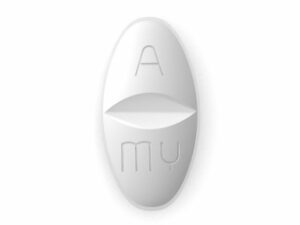
Clonidine (Clonidine) — Patient Guide
Clonidine is a medicine used to treat certain medical conditions, most commonly conditions involving high blood pressure and some nerve-related symptoms. It works by affecting receptors in the brain to reduce nerve signals that increase heart rate and tighten blood vessels. This guide explains how clonidine works, how it is used, important safety information, and what to expect with common interactions—written for patients in Australia.
Basic product information
| Category | Details |
|---|---|
| Generic name | Clonidine |
| Common formulation types | Immediate-release tablets and modified-release options (depending on brand) |
| Medicinal role | Central alpha-2 (α2) adrenergic agonist |
| Typical therapeutic uses | Hypertension, certain attention/impulse-related conditions (where approved), withdrawal-related symptoms, and some pain/nerve-related conditions (depending on clinician judgement and local approvals) |
| Key safety theme | Do not stop suddenly—rebound high blood pressure can occur |
How clonidine works (mechanism of action)
Clonidine acts as a central alpha-2 adrenergic agonist. In simple terms, it reduces the release of certain nerve signals from the brain that normally increase blood vessel tone and heart rate.
By stimulating α2 receptors in the brainstem, clonidine decreases sympathetic outflow (the “fight-or-flight” signals). This leads to:
- Lower blood pressure (less tightening of blood vessels)
- Lower heart rate in some people
- Reduced hyperactivity of the nervous system (which is relevant to certain symptom categories)
Pharmacokinetics (what the body does to clonidine)
Pharmacokinetics describes absorption, distribution, metabolism, and elimination. Exact values can vary by formulation and individual patient factors.
- Absorption: Clonidine is absorbed after oral dosing. Modified-release formulations are designed to release medicine more slowly.
- Distribution: It distributes into body tissues, including the central nervous system, which explains its central effects.
- Metabolism: Clonidine is partly metabolised in the body (the liver contributes to metabolism).
- Elimination: Clonidine and its metabolites are excreted mainly through the kidneys.
- Half-life: The duration of effect is not identical for all people. It can last for many hours, which is why dosing is typically scheduled at specific intervals depending on the formulation.
Kidney function matters: Because renal elimination plays a role, clinicians may adjust dosing in people with reduced kidney function. If you have kidney disease, talk to your prescriber or pharmacist before starting or changing clonidine.
Typical uses in Australia (indications)
The exact approved and commonly used indications can vary by formulation and patient circumstances. In Australia, clonidine is used under clinical direction for conditions that may include:
- Hypertension (high blood pressure): often when other options are not suitable or as an additional therapy.
- Some withdrawal-related symptoms: including symptoms related to opioid withdrawal or other withdrawal states, as part of a medically supervised plan.
- Neuro-related symptom control: some nerve and pain-related conditions may be treated with clonidine where clinically appropriate.
- Attention and impulsivity-related conditions: may be used in selected patients, depending on specialist assessment and local guidance.
Your pharmacist can help you confirm what your specific product is intended for based on your medicine label and local availability.
When to take clonidine (timing and how to space doses)
Timing depends on the formulation and your dosing schedule. Many people are started on a low dose and gradually adjusted.
General timing principles
- Take it at the same times each day to maintain steady effects.
- Expect sedation early on—it may be helpful to take the first dose (or doses that cause drowsiness) in the evening.
- Modified-release products: follow the product instructions closely; do not crush or split unless the label says it is safe.
Missed dose guidance
- If you miss a dose, take it when you remember unless it is close to the next dose.
- Do not double the dose to “catch up” unless your clinician advises otherwise.
- If you miss multiple doses, check with your pharmacist for step-by-step guidance—this is especially important because stopping suddenly can be risky.
Food interactions
Clonidine is generally not heavily dependent on food for absorption. However, food can influence how you feel (for example, with nausea or dizziness), and taking clonidine consistently with or without food can help with tolerability.
- Most people: can take clonidine with or without food.
- If it upsets your stomach: taking it with a meal or snack may improve comfort.
- Be consistent: choose a routine (with or without food) and stick to it.
Always refer to your product label and pharmacist advice for the most accurate instruction for your exact formulation.
Alcohol and medicine interactions
Alcohol
Drinking alcohol while taking clonidine can increase side effects such as:
- Sleepiness or dizziness
- Slower reaction time
- Low blood pressure (especially when standing)
It’s best to limit or avoid alcohol unless your healthcare professional advises it is safe for you. If you choose to drink, do so cautiously and watch for dizziness or faintness.
Other medicine interactions
Clonidine can interact with medicines that affect blood pressure, heart rate, sedation, or the nervous system. Tell your pharmacist about all medicines you take, including over-the-counter products and herbal supplements.
Common interaction categories include:
- Other blood pressure-lowering medicines (e.g., some ACE inhibitors, ARBs, calcium channel blockers, diuretics): may increase risk of too-low blood pressure.
- Medicines that slow the heart (some beta-blockers or certain heart rhythm medicines): combined use may increase risk of bradycardia (slow heart rate).
- Sedatives and sleep medicines (including benzodiazepines): may increase drowsiness.
- Opioids or other medicines that cause sedation: can further increase sleepiness and dizziness.
- Tricyclic antidepressants or other drugs that can affect blood pressure: may alter clonidine’s effects.
- Sudden withdrawal of clonidine can be dangerous; avoid stopping abruptly and follow a taper plan if advised.
If you experience symptoms such as fainting, severe dizziness, unusually slow heartbeat, or marked weakness, seek medical advice promptly.
Dosing: how clonidine is commonly started and adjusted
Dosing is individual. Your prescriber will consider the condition being treated, your age, kidney function, current medications, and response to treatment. The information below is general and should not replace the dosing on your label.
General dosing approach
- Start low: clonidine is often initiated at a lower dose to reduce side effects (especially sleepiness and dizziness).
- Increase gradually: if needed, doses may be increased slowly under supervision.
- Split doses: many regimens use two doses per day, while others may use additional spacing depending on formulation and response.
Example timing patterns (illustrative)
Many patients take clonidine twice daily (morning and evening) or once daily with a modified-release product. Always follow your label and pharmacist instructions for your specific product strength and schedule.
Do not stop suddenly
A key safety point: abrupt discontinuation can cause rebound hypertension, which may be dangerous. If your medicine needs to be stopped, a gradual taper is often required—work with your prescriber and pharmacist.
Safety profile and side effects
Like all medicines, clonidine can cause side effects. Many are dose-related and improve as your body adjusts, but some require urgent attention.
Common side effects
- Sleepiness or fatigue
- Dizziness, especially when standing up (orthostatic hypotension)
- Dry mouth
- Constipation
- Headache
- Low blood pressure symptoms (light-headedness, weakness)
Less common but important effects
- Slow heart rate (bradycardia)
- Skin reactions (rash in some people)
- Changes in mood (report if you notice significant mood changes)
Seek urgent medical help if you experience
- Fainting or severe dizziness
- Chest pain, severe shortness of breath, or very slow or irregular heartbeat
- Severe headache with markedly raised blood pressure after missing doses or stopping suddenly
- Allergic-type reactions (swelling of face/lips, trouble breathing, widespread rash)
Special populations
- Older adults: may be more sensitive to dizziness and falls. Careful monitoring is important.
- People with heart conduction problems: risk of slow heart rate may be higher; follow clinician instructions closely.
- People with kidney impairment: dose adjustments may be needed.
- Children and adolescents: use is only under specialist direction and with careful monitoring (especially for sedation and blood pressure changes).
Practical use tips (getting the most benefit with fewer problems)
- Rise slowly: if you feel light-headed, stand up gradually from sitting or lying positions.
- Check blood pressure if advised: especially during dose changes.
- Use a consistent schedule: set reminders for morning/evening dosing.
- Plan for drowsiness: until you know how clonidine affects you, avoid driving or operating machinery if you feel sleepy.
- Hydrate: dehydration can worsen dizziness. Maintain adequate fluid intake unless restricted for medical reasons.
- Manage dry mouth: sugar-free chewing gum or saliva products can help.
- Constipation support: fibre, fluids, and gentle movement can help; ask your pharmacist about suitable options.
- Never stop suddenly: if you run out, contact your pharmacist for advice before your next dose.
Alternative options
The best alternative depends on what clonidine is being used for (blood pressure, nerve-related symptoms, or withdrawal-related symptom control). Below are examples of options commonly considered by clinicians, but suitability varies.
For hypertension
- Other antihypertensive medicines (e.g., ACE inhibitors, ARBs, calcium channel blockers, thiazide diuretics, beta-blockers—chosen based on individual factors).
- Non-medicine strategies: diet changes, salt reduction, weight management, exercise, and smoking cessation.
For symptom control where clonidine is used
- Other centrally acting options may be considered depending on the condition and patient profile.
- Non-drug measures (behavioural strategies, nerve pain approaches, or supervised withdrawal management plans) may complement therapy.
Your pharmacist can help discuss questions to ask your doctor and outline potential interaction considerations when switching medicines.
Market and legal context in Australia
In Australia, medicines containing clonidine are regulated under the national medicines framework. Clonidine is generally treated as a prescription-only medicine in many settings, meaning access typically involves review by a clinician and dispensing by a pharmacist under Australian regulations.
Availability can vary by formulation (immediate vs modified release) and pack size. When supply is limited, pharmacies may advise on equivalent products where clinically appropriate.
Always confirm what strength and formulation you should use with the product label, as switching between brands and release types may require adjustment.
Recent guidance and monitoring themes
While specific updates can vary by year and jurisdiction, typical monitoring themes for clonidine in current practice include:
- Blood pressure monitoring during initiation and dose changes
- Careful tapering when discontinuing to avoid rebound hypertension
- Review of interacting medicines (especially sedatives and other blood pressure agents)
- Safety counselling about drowsiness, falls risk, and driving
- Patient education about “what to do if a dose is missed”
If you are taking other medicines that affect heart rate or blood pressure, ask your pharmacist to perform an interaction check tailored to your medication list.
Delivery and availability (Australia)
Online pharmacies in Australia typically offer home delivery where permitted by law and supply availability. Delivery times depend on location, stock status, and the chosen shipping method.
To help ensure you receive the correct product, it is important that your order includes the correct:
- Strength
- Formulation (immediate-release vs modified-release, if applicable)
- Pack size
If an exact product is temporarily unavailable, your pharmacy may offer an appropriate substitute only where permitted and clinically suitable. For any substitution, double-check the instructions on the package and confirm dosing with your pharmacist.
FAQ
1) What is clonidine used for?
Clonidine is used to treat conditions such as hypertension and certain symptom categories where reducing excessive nervous system activity can help. Your specific use depends on your diagnosis and local clinical guidance.
2) How soon does clonidine start working?
Many people notice effects within hours of a dose, particularly changes in blood pressure or “overactive” symptoms. Full benefit can take longer and depends on dose titration and the underlying condition.
3) Can I take clonidine with food?
Usually yes. If clonidine upsets your stomach or makes you feel nauseated, taking it with a meal or snack may help. Aim for a consistent routine.
4) Is it safe to drink alcohol?
Alcohol may increase dizziness and drowsiness and can worsen low blood pressure symptoms. It’s often recommended to limit or avoid alcohol unless your pharmacist or doctor says it is safe for you.
5) What happens if I miss a dose?
If you miss one dose, take it when you remember unless it is close to the next scheduled dose. Do not double up. If you miss multiple doses, contact your pharmacist for advice—stopping suddenly can be risky.
6) Why shouldn’t clonidine be stopped suddenly?
Stopping clonidine abruptly can cause rebound effects, including a sudden rise in blood pressure. If discontinuation is needed, a gradual taper plan is often used under clinician guidance.
7) Will clonidine make me sleepy?
Sleepiness and fatigue are common, especially when starting or increasing the dose. Many people adapt after a few days, but until you know how you respond, avoid driving or hazardous activities if you feel drowsy.
8) What should I do if I feel dizzy when standing?
Sit or lie down and rise slowly. Check whether your blood pressure is low if you have a monitor and it is appropriate for you. Tell your pharmacist or clinician—dose adjustment may be needed.
9) What other medicines interact with clonidine?
Tell your pharmacist about all medicines you take. Interactions may involve other blood pressure medications, drugs that slow heart rate, and sedatives that increase drowsiness. Always include over-the-counter products and herbal supplements in your list.
10) Are there alternatives if clonidine doesn’t suit me?
Yes. Alternatives depend on the condition being treated. Options may include other antihypertensives for blood pressure, or different symptom-focused approaches for nerve-related symptoms or withdrawal-related management.
Important patient reminder
This information is intended to help you understand clonidine and prepare for safe, effective use. Your pharmacist can help you interpret your label, manage side effects, and check interactions. If you have any concerns—especially severe dizziness, fainting, slow heart rate, or symptoms of rebound blood pressure—seek medical advice promptly.