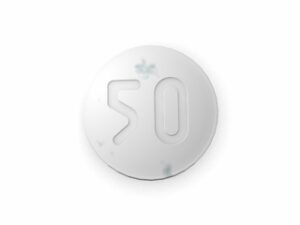



Aromasin (Exemestane) — Patient-Friendly Guide (Australia)
Aromasin contains exemestane, a medicine used to treat certain hormone-sensitive breast cancers after menopause. This guide explains how Aromasin works, when it’s used, how it’s taken, key safety information, and practical tips to help you use it confidently.
Always follow the advice of your healthcare professional. If you’re unsure about your dosing schedule or how to manage side effects, seek personalised guidance.
Quick product information
| Item | Details |
|---|---|
| Brand name | Aromasin |
| Active ingredient | Exemestane |
| Medicine type | Hormone (endocrine) therapy / aromatase inhibitor |
| Common form | Oral tablets |
| Typical dose in adults | Often 25 mg once daily (see “Dosing”) |
| Who it’s used for | Postmenopausal women for certain breast cancer settings (see “Indications”) |
| Key benefit | Reduces oestrogen production to help slow hormone-driven cancer growth |
How Aromasin works (mechanism of action)
Aromasin (exemestane) belongs to a class of medicines called aromatase inhibitors. In postmenopausal women, most oestrogen is produced when the body converts androgens into oestrogens using an enzyme called aromatase.
Exemestane works by irreversibly binding to aromatase, reducing the body’s ability to make oestrogen. With lower oestrogen levels, hormone-sensitive breast cancer cells generally receive less growth support.
Pharmacokinetics (how the body handles the medicine)
Understanding pharmacokinetics can help explain practical points like timing and food. While individual responses vary, the following describes typical drug behaviour:
- Absorption: Exemestane is absorbed after oral dosing. Taking it with food can improve tolerability and help ensure consistent absorption.
- Distribution: It distributes into tissues throughout the body, where it can exert its anti-oestrogen effect.
- Metabolism: Exemestane is metabolised mainly by liver enzymes into inactive or less active metabolites.
- Excretion: Metabolites are eliminated primarily through urine and other pathways.
- Steady effect: Exemestane’s aromatase inhibition contributes to a sustained reduction in oestrogen synthesis.
What Aromasin is used for (indications)
Aromasin is used in postmenopausal women for the treatment of oestrogen receptor–positive breast cancer, including situations such as:
- Early breast cancer (adjuvant therapy) — commonly after initial treatment such as surgery and/or tamoxifen, depending on the treatment plan.
- Advanced breast cancer — including when the disease has progressed after other endocrine therapy.
- Hormone receptor–positive disease where lowering oestrogen supports cancer control.
Your clinician will confirm whether Aromasin is appropriate based on your cancer type, menopausal status, and prior treatments.
Typical dosing and timing
The usual adult dose is 25 mg by mouth once daily. Your prescriber may adjust dosing based on your overall health, side effects, and individual circumstances.
When to take it
- Take your dose once each day at about the same time.
- With food is generally recommended for better absorption and tolerability (see “Food interactions”).
If you miss a dose
- If you miss a dose, take it when you remember if it is not close to your next dose.
- If it is almost time for the next dose, skip the missed dose and continue your normal schedule.
- Do not take a double dose to make up for the missed one.
For personalised advice about missed doses and your schedule, contact your healthcare professional or pharmacist.
Food interactions (including taking with meals)
Food can meaningfully affect how well many oral medicines are absorbed and how they feel in the stomach. For Aromasin, it’s generally best taken with food.
- Taking Aromasin with a meal or a substantial snack may improve absorption and reduce gastrointestinal discomfort.
- Try to maintain a consistent routine (e.g., always with breakfast or always with dinner) to help form a stable daily pattern.
If you have nausea, appetite changes, or reflux, discuss strategies with your pharmacist—such as timing your dose with a meal that suits you.
Alcohol interactions
Aromasin does not have a widely recognised “hard stop” alcohol interaction, but combining alcohol with endocrine therapies may worsen certain side effects in some people.
- Alcohol may increase dizziness, fatigue, or headaches and can worsen sleep quality.
- If you experience hot flushes, mood changes, or joint aches, alcohol may make symptoms feel more intense.
- If you choose to drink, consider moderation and monitor how you feel on the day of dosing.
Seek advice if you have liver disease or other medical conditions, as alcohol can affect liver health and metabolism of medicines.
Interactions with other medicines (important)
Exemestane is metabolised by liver pathways. While many common medicines can be used without issues, some interactions are possible. Always tell your pharmacist or prescriber about all medicines you use, including over-the-counter products and herbal supplements.
Medicines and supplements to discuss
- Strong enzyme inducers (medicines that speed up metabolism) — may reduce effectiveness.
- Hormonal preparations — because Aromasin works by reducing oestrogen production, using other hormone therapies may be inappropriate unless specifically directed.
- Herbal supplements (e.g., products that claim to affect hormones or liver enzymes) — discuss before use.
- Medicines affecting liver enzymes — your pharmacist can check interaction risk based on your exact regimen.
Practical tip: Keep an up-to-date list (or photo) of your medicines and take it to pharmacy check-ups.
Safety profile: side effects and what to watch for
Like all medicines, Aromasin can cause side effects. Many people experience mild to moderate effects that improve over time. Others may require adjustments or additional management.
Common side effects
- Hot flushes
- Joint pain and stiffness (arthralgia)
- Headache
- Tiredness (fatigue)
- Nausea or digestive changes
- Vaginal dryness or other genitourinary symptoms
- Reduced sleep quality or mood changes
- Increased sweating
- Swelling in some cases
Serious but less common warnings
Contact a healthcare professional promptly or seek urgent care if you experience signs of a serious reaction.
- Allergic reaction — rash, swelling of the face/lips, trouble breathing.
- Severe or persistent pain (especially with fever or unusual weakness).
- Unusual bleeding or unexpected symptoms that concern you.
- Signs of blood clot (e.g., leg swelling/pain, sudden shortness of breath, chest pain).
Bone health (important for aromatase inhibitors)
Reducing oestrogen can affect bone density over time. Aromasin may increase the risk of osteoporosis and fractures.
- Discuss bone density testing (e.g., DEXA scans) and preventive strategies with your clinician.
- Ensure adequate calcium and vitamin D intake (supplements only if appropriate for you).
- Weight-bearing exercise can support bone strength.
Managing side effects
Don’t stop Aromasin without medical advice. Many side effects can be managed effectively:
- Joint pain: gentle exercise, physiotherapy, and discussing pain relief options with your pharmacist.
- Hot flushes: cooling strategies, lifestyle adjustments, and speaking with your clinician about options.
- Vaginal dryness: non-hormonal moisturisers/lubricants may help; discuss what’s safe for you.
- Nausea: taking the tablet with food and avoiding large fatty meals may help.
Practical tips for using Aromasin
- Choose a daily routine: link your dose to a consistent meal (e.g., breakfast).
- Use reminders: phone alarms, pill boxes, or pharmacy blister packs can reduce missed doses.
- Hydrate and move: regular gentle activity can support joint comfort and energy levels.
- Track symptoms: keeping a short side-effect diary can help your clinician fine-tune management.
- Bone protection: ask about bone health checks and whether supplements are suitable for you.
- Don’t share medicines: use Aromasin only as directed for your condition.
Alternative options (discuss with your clinician)
Depending on your cancer characteristics, prior treatments, and overall health, there may be other endocrine therapy options. Examples include:
- Tamoxifen (a selective oestrogen receptor modulator) — often used in specific settings.
- Other aromatase inhibitors such as anastrozole and letrozole.
- Fulvestrant — an oestrogen receptor downregulator given by injection in some treatment plans.
- Combination or sequential approaches — treatment may vary based on stage and response.
Availability and suitability depend on your individual care plan. If side effects are difficult, your clinician may consider switching therapy or adding supportive measures.
Market and legal context for Australia (overview)
In Australia, medicines like Aromasin are supplied under national medicines regulation and are typically made available through prescription pathways and approved pharmaceutical supply channels. Pharmacies and healthcare providers follow Australian requirements for safe supply, labelling, and patient counselling.
When choosing an online pharmacy, look for:
- clear Australian supply details (state/territory compliance and verified pharmacy credentials)
- transparent medication sourcing and packaging standards
- pharmacist review and support
- proper cold/temperature handling where needed (less relevant for tablets, but important for overall supply integrity)
Regulations can change over time, and your local pharmacy can provide the most current information.
Recent guidance and treatment considerations
Breast cancer care evolves as new evidence becomes available. Ongoing clinical guidance generally emphasises:
- Individualised endocrine therapy based on menopausal status, receptor status, and prior treatments.
- Monitoring and proactive management of bone health and cardiovascular risk factors where relevant.
- Adherence support (consistent daily dosing is important for benefit).
- Managing symptoms early so therapy can continue safely and comfortably.
Your healthcare team will determine the appropriate duration and follow-up schedule for your situation.
Delivery and availability (online pharmacy)
Aromasin tablets are commonly supplied through Australian pharmacy networks. Delivery times can vary depending on your location and ordering cut-off times.
- Availability: Often available, but stock levels may vary.
- Dispatch: Orders are typically processed after payment verification and pharmacist review where required.
- Delivery options: Standard and express options may be available.
- Packaging: Medicines should be delivered in appropriate, labelled packaging.
If you need help checking current stock or delivery timelines, you can contact customer support before ordering.
FAQ
1. Is Aromasin only for postmenopausal women?
Yes, Aromasin is used for postmenopausal women in typical breast cancer treatment settings. Menopausal status is important because the medicine works by reducing oestrogen production through aromatase inhibition.
2. How long will I need to take Aromasin?
Treatment duration depends on your cancer stage, receptor status, and whether it’s used as adjuvant or for advanced disease. Your clinician will discuss the expected course and follow-up schedule.
3. Can I take Aromasin on an empty stomach?
It’s generally recommended to take Aromasin with food. If you regularly take it without food and feel unwell, discuss with your pharmacist—timing with a meal may help.
4. What should I do if I start having severe joint pain?
Report it to your healthcare professional. Joint pain is a known side effect and may be managed with supportive care. Do not stop the medicine without medical advice.
5. Are there lifestyle changes that help?
Many people find benefit from: regular gentle exercise, staying hydrated, maintaining a healthy weight, and discussing bone-protective strategies. For hot flushes or mood changes, practical symptom management can also help.
6. Does Aromasin cause weight gain?
Weight changes can occur for many reasons during cancer treatment and ageing. Aromasin may contribute indirectly via fatigue, reduced activity, or appetite changes in some people, but responses vary widely.
7. What if I’m taking other medicines or supplements?
Tell your pharmacist about everything you take, including vitamins, herbal products, and over-the-counter medicines. Interaction checks are most accurate when your full list is reviewed.
8. Can I drink alcohol while taking Aromasin?
Moderate alcohol may be acceptable for some people, but alcohol can worsen fatigue, headaches, sleep, or other side effects. If you’re uncertain—especially with liver-related conditions—ask your pharmacist or doctor.
9. What are the warning signs that need urgent help?
Seek urgent medical care for symptoms of an allergic reaction (such as swelling or trouble breathing), or for concerning signs like chest pain, sudden shortness of breath, or symptoms of blood clots.
10. Can I switch to another aromatase inhibitor if Aromasin doesn’t suit me?
In some cases, clinicians may consider switching to another aromatase inhibitor (such as anastrozole or letrozole), or another endocrine option, depending on the reason for stopping and your overall treatment plan.
Summary
Aromasin (exemestane) is an oral aromatase inhibitor used in postmenopausal women for certain hormone receptor–positive breast cancers. It works by lowering oestrogen production, helping reduce stimulation of hormone-sensitive cancer cells. It’s typically taken once daily and is generally best taken with food. Because oestrogen reduction can affect bones, bone health monitoring and symptom management are important parts of care.
If you have questions about your dosing schedule, managing side effects, or interactions with your current medicines, speak with a pharmacist or healthcare professional.