Xeloda (Capecitabine) — Patient-Friendly Information (Australia)
Xeloda is a cancer medicine used to treat certain solid tumours. It is a tablet form of the chemotherapy medicine capecitabine, designed to be converted in the body to an active drug that targets cancer cells. This page explains what Xeloda does, how it works, how it is typically taken, safety considerations, and practical tips for everyday use—tailored to readers in Australia.
Always follow your healthcare team’s instructions. Individual dosing and schedule can vary depending on the cancer type, stage, other treatments, kidney function, and how you respond.
Basic product information
| Item | Details |
|---|---|
| Medicine name | Xeloda |
| Active ingredient | Capecitabine |
| Medicine type | Oral chemotherapy (antimetabolite) |
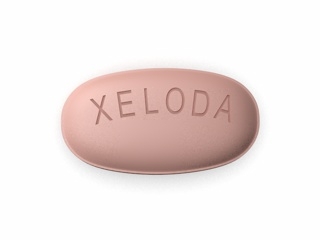
| Typical dosage forms | Tablets in different strengths (commonly 150 mg and 500 mg) |
| How it is used | Taken in cycles, usually twice daily for a set number of days, followed by a break |
| Prescription medicines status | In Australia, Xeloda is generally supplied as a prescription-only medicine |
If you’re using tablets, check the strength on your package and only take the dose your clinician has prescribed. Do not mix tablet strengths unless your instructions specifically tell you how.
What is capecitabine and how does it work?
Xeloda (capecitabine) is a “prodrug,” meaning it is converted in the body into an active anti-cancer drug. After you swallow capecitabine, it undergoes several steps of conversion that ultimately produce 5-fluorouracil (5-FU) inside the body. Tumour tissues often have higher levels of certain enzymes that assist this conversion, which may help deliver the active effect where it is needed.
Mechanism of action (how it attacks cancer)
- Disrupts DNA and RNA formation: The active drug affects molecules needed for DNA/RNA synthesis, leading to impaired growth and division of cancer cells.
- Targets rapidly dividing cells: Like many chemotherapy medicines, it is more effective on cells that are dividing quickly (including cancer cells and some healthy fast-growing cells).
- Enzyme-activated drug delivery: Conversion to 5-FU occurs through enzyme activity, with relatively higher conversion in certain tumour tissues.
Because it also affects other fast-dividing tissues, side effects commonly involve the gut and skin areas like the palms/soles.
Pharmacokinetics (absorption, metabolism, and elimination)
Understanding how the medicine behaves in the body can help explain why dosing schedules and precautions matter. Below is a patient-friendly overview of pharmacokinetics.
- Absorption: Capecitabine is absorbed after oral administration and is converted through enzymatic steps to 5-FU.
- Distribution and conversion: The conversion process involves enzymes such as carboxylesterase and cytidine deaminase, with tumour-associated activity contributing to local formation of 5-FU.
- Metabolism: The active and intermediate metabolites undergo further metabolism in the liver and other tissues.
- Elimination: Metabolites are primarily excreted via the kidneys and, to a lesser extent, through other pathways.
This is why kidney function is important for safe dosing and why your clinician may check blood tests before, during, and between treatment cycles.
Typical use in Australia
Xeloda (capecitabine) is used for several cancers, often in combination with other medicines or as a single agent. The exact regimen depends on the cancer type, stage, and overall treatment plan.
Common indications (uses)
- Breast cancer: Commonly used in certain settings, including adjuvant or metastatic disease depending on guidelines and regimen.
- Colon cancer: Used in both adjuvant and metastatic contexts in selected patients.
- Rectal cancer: May be used in specific protocols depending on treatment strategy.
- Gastric (stomach) cancer: Used for certain advanced or metastatic cases in combination regimens.
- Other solid tumours: Sometimes used off-label or in regimen-specific care pathways where appropriate.
If you are unsure why you are taking Xeloda, ask your treating team. The “why” can determine your dosing schedule and monitoring.
Timing: how Xeloda is usually taken
Xeloda is typically taken twice daily (morning and evening) on days of active treatment, followed by a break. Many regimens use a pattern such as:
- Two doses daily: roughly 12 hours apart
- Active days: often for 14 days
- Rest period: often for 7 days
- Cycle: repeated in cycles as directed
Some cancers and combinations use different schedules. Your prescription label and treatment plan will specify your exact days and timing.
Practical tip: Setting alarms and linking doses to routine meals can help you stay consistent.
Dosing: what determines your dose
The dose of Xeloda is commonly based on body surface area (BSA) and may also be adjusted for:
- Kidney function (e.g., reduced dose for moderate to severe impairment)
- Age and overall health
- Blood test results (liver, kidney, and full blood count)
- Previous or current side effects (dose reductions or treatment interruptions)
- Combination therapy with other agents
In practice, clinicians prescribe a specific number of tablet strengths to match the calculated dose. Because tablets come in different strengths, always double-check the label before each dose.
Example of how a cycle may look (for illustration)
Note: This is an example only. Your actual schedule may differ.
- Day 1–14: Take morning and evening doses
- Day 15–21: Rest / no doses
- Day 22 onward: Start next cycle if labs and clinician assessment allow
Dose modification for side effects
Xeloda commonly requires adjustments if you develop significant side effects, especially:
- Hand-foot syndrome (palmar-plantar erythrodysesthesia)
- Diarrhoea
- Low blood counts
- Severe mouth sores
- Elevated liver enzymes or other lab changes
Your clinician may pause treatment, reduce the next cycle’s dose, or switch schedules. Never adjust doses on your own without medical advice.
Food interactions: taking Xeloda with meals
Food can affect the way capecitabine is absorbed. A common instruction for Xeloda regimens is to take tablets after food (i.e., after a meal). This helps support more consistent absorption.
- Take with or after meals: Follow your treatment team’s instructions for “after food” dosing.
- Consistency matters: Try to take each dose in the same way relative to meals.
- If vomiting occurs: Ask your clinician how to manage missed doses or re-dosing after vomiting.
Because instructions may vary between regimens, check your medication label and written treatment instructions.
Alcohol and medicine interactions
Alcohol
Alcohol can worsen certain chemotherapy side effects (such as fatigue, nausea, dehydration, stomach irritation, and sleep disruption). It may also affect liver metabolism and hydration status. For these reasons, many clinicians advise limiting or avoiding alcohol during treatment.
- Discuss with your clinician: Ask what is appropriate for your health status and treatment plan.
- Watch dehydration: If you experience diarrhoea or reduced fluid intake, alcohol can further dehydrate you.
Medicine interactions (general guidance)
Several medicines can interact with chemotherapy medicines by affecting metabolism, absorption, or side-effect risk. Before starting Xeloda, tell your healthcare team about all medicines and supplements, including:
- Prescription medicines
- Over-the-counter medicines (including pain relievers and anti-inflammatory drugs)
- Herbal products (for example, St John’s wort)
- Vitamins and supplements
In particular, ask your clinician about interactions that may involve:
- Blood-thinning medicines (anticoagulants): Combining with certain anticoagulants can increase bleeding risk.
- Medications affecting liver enzymes: Some drugs can alter metabolism and increase or decrease exposure.
- Other chemotherapy or immunotherapies: Dose timing and monitoring may need adjustment.
- Gout medicines and other specialized drugs: Confirm safe use with your oncology team.
Always consult your healthcare team or pharmacist for a tailored interaction check.
Safety profile: common and important side effects
Like other cancer medicines, Xeloda can cause side effects. Not everyone experiences them, and many side effects are manageable. The most important approach is early recognition and prompt reporting to your healthcare team.
Common side effects
- Hand-foot syndrome: Redness, swelling, pain, tingling, or peeling of palms and soles
- Diarrhoea (sometimes severe)
- Nausea or reduced appetite
- Mouth sores or irritation in the mouth
- Fatigue and weakness
- Skin changes such as rash or dryness
- Low blood counts (may increase infection risk and cause bruising or anaemia symptoms)
- Abnormal liver function tests in some people
Serious side effects — seek urgent medical advice
If you experience any of the following, contact your treatment team promptly or seek urgent care as advised:
- Severe diarrhoea (especially watery stools, dehydration, or diarrhoea lasting more than a short period)
- Signs of infection: fever, chills, or feeling very unwell
- Severe hand-foot syndrome interfering with daily activities
- Severe mouth sores affecting eating or drinking
- Bleeding or unusual bruising due to low platelets
- Allergic reaction symptoms (e.g., swelling of face/lips, difficulty breathing, widespread rash)
Who needs extra caution?
- Older adults or those with frailty
- People with kidney impairment
- People with liver impairment
- Those with a history of severe chemotherapy side effects
- People taking medicines that raise bleeding or infection risk
Practical use tips (daily life with Xeloda)
Prevent and manage hand-foot syndrome
- Moisturise regularly: Use fragrance-free moisturisers and consider thicker creams as recommended by your care team.
- Protect hands and feet: Avoid friction and heat (e.g., hot water, tight shoes, aggressive scrubbing).
- Wear comfortable footwear: Supportive, well-fitted shoes reduce rubbing.
- Report early: Tingly, red, or sore areas should be reported promptly so the team can adjust treatment early if needed.
Manage diarrhoea safely
- Stay hydrated: Sip fluids regularly; oral rehydration solutions may be recommended.
- Follow “early treatment” advice: Your oncology team may provide anti-diarrhoea medication and a plan—use it promptly if symptoms begin.
- Watch severity: Tell your team about frequency changes, dehydration symptoms (dizziness, reduced urine), or persistent diarrhoea.
Oral care for mouth sores
- Gentle hygiene: Use a soft toothbrush and non-irritating mouth rinses as recommended.
- Avoid irritants: Spicy, acidic, or very hot foods may worsen soreness.
- Tell your team early: Severe mouth ulcers may require specific treatment and dose adjustment.
Blood test monitoring
Xeloda treatment is usually monitored with regular blood tests to check blood counts and organ function. Attend appointments and arrange blood tests on time, particularly before each cycle.
Missed doses and vomiting
If you miss a dose or you vomit after taking a dose, you should follow your clinician’s guidance. Because re-dosing can vary, do not guess. Keep a record of missed doses and symptoms and inform your healthcare team.
Handling tablets safely
- Use as directed: Only handle tablets with clean hands.
- Keep away from others: Store securely to prevent accidental ingestion by children or pets.
- Ask about disposal: Your pharmacist can advise on safe disposal of unused tablets.
Alternative options (what else may be used)
Treatment options depend on cancer type, stage, prior therapy, and individual factors. Your clinician may consider alternatives such as other oral chemotherapy agents, intravenous chemotherapy, targeted therapies, or radiotherapy.
Possible alternatives to discuss with your oncology team
- Other fluoropyrimidines (e.g., 5-fluorouracil-based regimens or related medicines)
- Capecitabine-containing combinations or different schedules
- Intravenous chemotherapy options depending on cancer type
- Targeted therapies or immunotherapies where appropriate (based on tumour markers)
- Supportive care measures to manage symptoms alongside anti-cancer therapy
If Xeloda is not suitable due to side effects or other reasons, your team may recommend an adjusted regimen or a different medicine.
Australia market and legal context (availability and regulations)
In Australia, medicines are supplied through regulated pharmacy channels and generally follow national requirements for prescription medicines, packaging, and dispensing. For cancer medicines such as Xeloda, supply is typically managed through standard pharmacy services and oncology pathways to support safe use and monitoring.
Availability can vary by strength, pack size, and local supply conditions. Pharmacies may order specific strengths or packs if they are not routinely stocked.
Your pharmacist can help confirm what is available in your area, estimated ordering timeframes, and expected delivery options.
Recent guidance and monitoring updates (what to expect)
Treatment guidance for capecitabine can evolve with new research, including:
- Refinements to dose modification rules based on severity of side effects
- Improved supportive care strategies (e.g., earlier diarrhoea management plans)
- Ongoing assessment of safety in special populations, such as older adults or people with kidney impairment
- Regimen adjustments when capecitabine is combined with other medicines
Your treating team will follow the most current clinical protocols available to them. If you have questions about your schedule or monitoring, ask what guideline or regimen is being used.
Delivery and availability (online pharmacy considerations)
Xeloda tablets may be available through online pharmacy services depending on stock and state/territory regulations. Delivery options often include courier delivery with packaging designed to protect medicines from heat and damage.
What to expect when ordering
- Strength and pack size matter: Ensure the tablets strength matches your dose plan.
- Order timing: If stock is limited, pharmacies may require additional time to obtain the product.
- Storage: Keep tablets in the original packaging and store at recommended room temperature away from moisture.
- Confidentiality: Many online pharmacy services offer discreet packaging options.
If you need your medicine quickly for the start of a cycle, consider ordering early and confirming dispatch timeframes with the pharmacy.
FAQ
1) What is Xeloda used for?
Xeloda (capecitabine) is used to treat certain cancers such as breast, colon, rectal, and gastric cancers, depending on the stage and specific treatment regimen. Your healthcare team can explain the exact reason in your case.
2) How do I take Xeloda?
Xeloda is usually taken twice daily and commonly after food. Tablets are swallowed whole with water. Your dose and cycle schedule depend on your regimen. Always follow your medication label and clinic instructions.
3) What time should I take the morning and evening doses?
Try to space the doses about 12 hours apart. For example, after breakfast and after dinner. If your schedule is different, aim for regular spacing and consistent meal timing.
4) Can I drink alcohol while taking Xeloda?
Alcohol may worsen side effects and affect hydration and overall tolerance. Many people are advised to limit or avoid alcohol. Ask your oncology team what level is safe for you.
5) What should I do if I miss a dose?
Missing a dose can sometimes change how your cycle works. Because specific advice varies, contact your healthcare team or pharmacist for guidance. Keep track of missed doses and report them at your next check-in.
6) What are the most important side effects to watch for?
Key side effects include hand-foot syndrome, diarrhoea, mouth sores, nausea, fatigue, and low blood counts. Seek prompt medical advice for severe diarrhoea, fever/infection signs, severe hand-foot syndrome, or any concerning symptoms.
7) How can I reduce the risk of hand-foot syndrome?
Moisturise regularly, protect hands and feet from heat and friction, wear comfortable footwear, and report early skin symptoms so your team can advise on dose adjustments or supportive care.
8) Are there food interactions?
Food can affect absorption. Many regimens instruct taking Xeloda after meals. Stick to the routine provided by your healthcare team.
9) Does Xeloda affect blood tests?
Yes. Xeloda can cause changes in blood counts and may affect liver function tests. Regular blood tests help ensure it is safe to continue and help guide dose modifications.
10) What can I do to manage diarrhoea?
Start hydration early and follow the diarrhoea action plan provided by your oncology team. Report diarrhoea promptly, especially if it is severe, persistent, or associated with dehydration.
11) What other medicines should I mention to my pharmacist?
Mention all medicines and supplements, including over-the-counter products and herbal remedies. Interactions can affect safety, bleeding risk, infection risk, and metabolism.
12) Is Xeloda available on the Pharmaceutical Benefits Scheme (PBS)?
Subsidy status depends on indication, regimen, and eligibility criteria. Ask your pharmacist whether your specific use is listed and what costs may apply. They can also advise on accessing medicines through appropriate pathways.
Key reminders
- Take Xeloda exactly as scheduled and in the correct tablet strengths.
- Follow “after food” timing if that’s what your label specifies.
- Report symptoms early—especially diarrhoea, fever/infection signs, or hand-foot syndrome.
- Attend regular blood tests and clinic reviews for safe dose adjustments.
- Tell your healthcare team about all medicines, supplements, and any alcohol use.