

Fluorouracil (5‑FU) – Patient Information (Australia)
Fluorouracil, often abbreviated as 5‑FU, is a well‑known anticancer medicine used in a variety of treatment settings. It belongs to a group of drugs called antimetabolites. It works by interfering with how fast‑growing cancer cells build and repair their genetic material.
This page provides patient‑friendly information about what fluorouracil is, how it works, how it behaves in the body, what it’s used for, and key safety and practical considerations. If you have questions about your specific regimen, your prescriber and oncology team can provide guidance tailored to your situation.
Quick overview
- Generic name: Fluorouracil (5‑FU)
- Medicine type: Antimetabolite / chemotherapy
- How it may be given: Typically as an injection or infusion, sometimes as part of combination treatment
- Common uses: Certain cancers of the gastrointestinal tract, breast, head and neck, and skin (depending on formulation and protocol)
- Key safety issues: Low blood counts, infection risk, mouth/throat sores, diarrhoea, nausea, fatigue, and irritation at the injection site (and skin concerns with topical forms)
Note: In Australia, fluorouracil may be supplied as different formulations depending on the indication (for example, injections for systemic use, and separate products such as topical creams for certain skin conditions). The information below focuses on fluorouracil in general; your exact product, dosing schedule, and precautions depend on your clinician’s plan.
Basic product information
Fluorouracil is a synthetic version of a normal body component used in DNA and RNA synthesis. Because many cancer cells grow rapidly and rely heavily on these pathways, fluorouracil can selectively affect rapidly dividing cells (though it can also affect healthy fast‑growing cells, leading to side effects).
- Strength and formulation: Varies by product and route of administration.
- Brand names: Different brands may exist depending on manufacturer and availability.
- Where it fits: Often used in combination regimens with other medicines to improve effectiveness.
Mechanism of action (how it works)
Fluorouracil primarily interferes with DNA and RNA production. It is converted in the body into active metabolites that disrupt essential processes in cancer cell growth.
- Inhibits thymidylate synthase: This reduces the production of thymidine, a building block needed for DNA replication.
- Incorporates into RNA: Some metabolites can also interfere with RNA function, affecting protein synthesis.
- Net effect: Slows or stops DNA/RNA synthesis, leading to cancer cell death or reduced tumour growth.
The way fluorouracil is scheduled (timing and infusion pattern) can influence effectiveness and side‑effect profile, which is why dosing schedules can vary between protocols.
Pharmacokinetics (what the body does to the medicine)
Pharmacokinetics describes how the body absorbs, distributes, metabolises, and eliminates a drug.
- Absorption: For injectable/infusional fluorouracil, absorption is not typically the issue; the medicine enters the bloodstream via the planned route.
- Distribution: Fluorouracil distributes widely into tissues. It can affect both tumour and healthy tissues.
- Metabolism: Fluorouracil is metabolised mainly in the liver by multiple enzymatic pathways.
- Enzyme interactions: Fluorouracil metabolism can be influenced by nutritional status and certain enzyme systems.
- Elimination: The drug and its metabolites are cleared primarily via the kidneys and through metabolic processes.
Your clinicians may monitor blood tests and adjust treatment if blood counts or organ function change. Dose adjustments may also consider prior chemotherapy, liver function, kidney function, and overall tolerance.
Typical uses and indications (what it treats)
Fluorouracil is used for multiple cancers. The exact indication depends on formulation and treatment protocol. Common indications include:
- Gastrointestinal cancers: Such as colorectal cancer (often with combination regimens).
- Pancreatic and other GI malignancies: Depending on protocol and treatment goals.
- Breast cancer: In certain regimens (varies with subtype and stage).
- Head and neck cancers: In selected treatment plans.
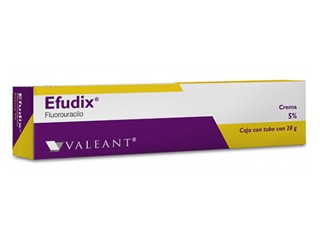
- Skin conditions: Some topical fluorouracil products are used for certain precancerous skin lesions and superficial skin conditions (for example, actinic keratoses). Topical use is typically quite different from systemic chemotherapy and follows separate instructions.
Some protocols combine fluorouracil with medicines that enhance its effect (for example, folinic acid / leucovorin), or other chemotherapy agents.
Timing and treatment scheduling
Fluorouracil is given in cycles. The exact timing depends on the regimen (for example, weekly or multi‑day schedules, sometimes with infusion over specific time periods).
- Pre‑treatment checks: Blood tests (full blood count), assessment of symptoms, and sometimes kidney/liver tests.
- During treatment: Regular monitoring for side effects (e.g., diarrhoea, mouth sores, infection signs).
- Between cycles: Recovery time for blood counts and normal tissues.
If you miss a scheduled dose or experience severe side effects, your oncology team will decide whether to delay treatment, reduce the dose, or stop it based on your clinical status.
Food interactions
Fluorouracil systemic therapy is not generally described as having a “strict” single food interaction in the way some medicines do. However, nutrition and hydration matter because fluorouracil can cause nausea and diarrhoea.
- Hydration: Drink fluids as advised, especially if you develop diarrhoea.
- Small, frequent meals: Can help if appetite is reduced.
- Handling mucositis (mouth sores): Soft, bland foods may be easier to tolerate.
- Vitamin and supplement caution: Avoid high‑dose supplements unless approved by your oncology team, as some nutritional products may interact indirectly with treatment tolerability.
Your dietitian or oncology nurse can help you create a practical eating plan during treatment.
Alcohol and medicine interactions
Alcohol
Alcohol may worsen some side effects such as nausea, fatigue, and mouth irritation. It can also affect hydration status. In addition, alcohol may complicate liver function monitoring for some patients.
- General advice: Discuss alcohol with your oncology team.
- Avoid if advised: If your clinician has warned against alcohol due to liver health, low blood counts, or other risks, follow that advice.
Other medicines (important interactions)
Fluorouracil can interact with other medications primarily through changes in metabolism, effects on blood counts, or additive side effects (such as increased risk of bleeding or infection depending on the combination).
Tell your healthcare team about all medicines you take**, including:
- Prescription medicines
- Over‑the‑counter medicines (including pain relief)
- Herbal products and “natural” supplements
- Vaccines (timing may matter during chemotherapy)
Your clinician may use interaction checkers to evaluate combinations. Because protocols differ, the most important interaction considerations should come from your treatment team based on the exact regimen and formulation you receive.
Dosing (how fluorouracil is typically calculated)
Dosing of systemic fluorouracil is usually calculated based on body surface area (BSA) (height and weight) and adjusted according to blood test results, tolerance, and sometimes liver/kidney function.
- Body surface area: Common method for chemotherapy dosing.
- Cycle length: Varies by regimen.
- Combination therapy: Doses may be modified when used with other medicines.
- Dose modifications: If blood counts are low or severe side effects occur (e.g., grade 3–4 diarrhoea), treatment may be delayed or dose reduced.
Important: The exact dose and schedule must be confirmed for your specific protocol. Do not alter your dose or schedule without guidance from your healthcare team.
Safety profile (what to watch for)
Fluorouracil can cause side effects because it affects rapidly dividing cells. Some side effects are common and manageable; others require urgent medical attention.
Common side effects
- Low blood counts (myelosuppression): Neutropenia (risk of infection), anaemia, or thrombocytopenia
- Gastrointestinal effects: Diarrhoea, nausea, vomiting, abdominal discomfort
- Mouth and throat effects: Mouth sores (mucositis), taste changes
- Fatigue: Often cumulative across cycles
- Skin/nail changes: Can occur (varies by route and protocol)
- Hair changes: Hair loss can occur with some chemotherapy regimens; risk depends on combination and individual factors
Serious side effects (seek urgent care)
Contact urgent medical services or your oncology team immediately if you experience:
- Fever or signs of infection: For example, fever (as defined by your team), chills, or feeling very unwell
- Severe diarrhoea: Particularly if it’s frequent, watery, or accompanied by dehydration
- Severe mouth sores: Especially if you cannot drink or swallow
- Bleeding or unusual bruising: Suggesting low platelets
- Allergic reactions: Rash, swelling of face/lips, breathing difficulty
- Chest pain or shortness of breath: Prompt assessment is essential
Safety considerations by route
- Systemic (injection/infusion): Side effects often include low blood counts and gastrointestinal toxicity.
- Topical fluorouracil (skin conditions): Skin redness, burning, and irritation are common in treated areas. Systemic absorption is usually lower but irritation can be significant and still requires proper use and follow-up.
Practical use tips (patient-friendly)
Before treatment
- Keep all appointments: Blood tests and monitoring are key to safe treatment.
- Plan for side effects: Ask about anti‑nausea medicines, diarrhoea management, and mouth care.
- Hydration plan: Know what to do if diarrhoea starts (when to call and what products to use).
- Oral hygiene: Use gentle brushing and alcohol‑free mouth rinses if recommended.
During treatment
- Monitor temperature: Many oncology teams instruct patients to check for fever.
- Report symptoms early: Early treatment of diarrhoea, mouth sores, or infection can prevent complications.
- Protect against infection: Avoid close contact with people who have contagious illnesses and follow infection-control advice from your team.
- Manage nausea: Take prescribed anti‑nausea medication as directed, often before nausea becomes severe.
When to call your healthcare team
If you experience any concerning symptoms, don’t wait for the next appointment. In particular:
- Fever or chills
- Diarrhoea that is worsening or not responding to your plan
- Unable to drink or keep fluids down
- New or severe mouth sores
- Unusual bruising or bleeding
Alternative options
Cancer treatment often involves choices based on the type and stage of cancer, genetic markers, previous treatments, other health conditions, and patient preferences. Alternatives may include other chemotherapy medicines, targeted therapy, immunotherapy, radiotherapy, or supportive care measures.
Examples of alternatives (depends on indication)
- Other chemotherapy agents used in similar cancers (varies by protocol)
- Targeted therapies for selected tumour types (based on biomarkers)
- Immunotherapy in appropriate settings
- Radiation therapy for certain localised tumours
- For skin lesions (topical): Other topical medicines may be used instead of fluorouracil, depending on the diagnosis and size/location of lesions
Your oncology team can explain why fluorouracil is chosen and what alternatives might be appropriate if adjustments are needed.
Market and legal context for Australia
In Australia, chemotherapy medicines are regulated under the Therapeutic Goods Act and related regulations administered through the TGA (Therapeutic Goods Administration). Medicines and formulations used in cancer care generally require appropriate oversight and safe handling.
Online pharmacy availability may differ by product type and route (for example, systemic injectable products are typically supplied through established healthcare pathways). Topical options for specific skin conditions may be available under different distribution arrangements.
This page is informational and does not replace advice from your healthcare professional.
Recent guidance and monitoring trends
While specific “recent guidance” depends on your cancer type and regimen, oncology practice commonly emphasises:
- Individualised dose adjustments based on toxicity and blood counts
- Earlier supportive care for diarrhoea, mucositis, and nausea
- Close infection monitoring, particularly during periods of low neutrophils
- Patient education on “call early” symptoms (fever, severe diarrhoea, dehydration)
- Protocol‑based management when fluorouracil is combined with other drugs that influence side‑effects
Your oncology unit may also follow the latest evidence from Australian and international guidelines to refine regimens and supportive care.
Delivery and availability (Australia)
Availability and delivery options depend on the specific fluorouracil product, formulation, and the healthcare pathway required for safe dispensing. If an injectable or infusion product is ordered, it may need to be delivered through processes that maintain appropriate storage conditions and enable collection by authorised services.
- Storage requirements: Follow the storage instructions on the product packaging or provided by the pharmacy.
- Delivery timelines: Delivery times vary by location and product category.
- Cold chain: Some products require temperature control; confirm requirements at checkout or with customer support.
- Documentation: You may be asked for specific details required for safe supply and handling.
If you’re ordering for home use (e.g., topical formulations), ensure you read the complete instructions and confirm which formulation you have received before applying.
FAQ – Fluorouracil
1) What is fluorouracil used for?
Fluorouracil is used to treat several types of cancer, including gastrointestinal cancers (commonly colorectal cancer in combination regimens) and other malignancies. Some topical fluorouracil products are also used for certain precancerous skin lesions.
2) How is fluorouracil given?
Systemic fluorouracil is usually given as an injection or infusion in a hospital or clinic setting as part of a planned chemotherapy cycle. Topical fluorouracil (if applicable) is applied to the skin only as directed for that specific skin condition.
3) How long does a treatment cycle take?
It varies by regimen. Common schedules use repeating cycles over weeks, with dosing on specific days and recovery periods between cycles.
4) Can I eat normally while on fluorouracil?
Many people can eat normally, but some develop nausea, diarrhoea, or mouth sores. Small, frequent meals, bland foods, and hydration can help. Seek diet advice if appetite or intake drops.
5) Are there foods I must avoid?
There is no single universal food that must be avoided for all patients on fluorouracil. However, if you have diarrhoea or mouth sores, your clinician may recommend avoiding foods that irritate your stomach or mouth. If you develop severe symptoms, follow your oncology team’s specific diet and hydration advice.
6) Is alcohol allowed?
Alcohol can worsen side effects such as nausea and fatigue and may complicate liver monitoring. Ask your oncology team what level (if any) is appropriate for you.
7) What medicines interact with fluorouracil?
Interactions depend on the full regimen. Tell your healthcare team about all prescription medicines, over‑the‑counter products, and supplements. Your team can check for interactions and advise appropriately.
8) What side effects are most common?
Common side effects include low blood counts, diarrhoea, nausea, mouth sores, and fatigue. Side effects can differ depending on the combination and the route.
9) When should I seek urgent help?
Seek urgent medical advice if you develop fever or signs of infection, severe diarrhoea, dehydration, inability to drink, severe mouth sores, unusual bleeding/bruising, or breathing/swelling symptoms suggestive of allergy.
10) What can I do to reduce the impact of mouth sores?
Use gentle oral hygiene, consider alcohol‑free rinses if recommended, avoid sharp or spicy foods, and report mouth sores early so your team can prescribe treatments to help you stay comfortable and hydrated.
11) Are there alternatives if I can’t tolerate fluorouracil?
Yes—treatment options may include dose adjustments, switching to an alternative chemotherapy agent, or changing to a different protocol depending on your cancer type and prior treatments. Discuss options with your oncology team.
12) Where can I find reliable information for my exact product?
Use the consumer medicines information leaflet (CMI) provided with your product, and confirm any specific instructions with your healthcare provider or pharmacist.
Summary
Fluorouracil (5‑FU) is an anticancer medicine that works by disrupting DNA and RNA synthesis, targeting rapidly dividing cancer cells. Its effectiveness depends on the planned regimen and scheduling, while safe use requires close monitoring for side effects such as low blood counts, diarrhoea, and mouth sores. If you experience symptoms that could indicate infection or severe gastrointestinal toxicity, contact your healthcare team promptly.
If you would like, you can also check the specific product leaflet for your formulation and route of administration, since instructions can differ between systemic and topical uses.