Samsca (Tolvaptan) — Patient Guide (Australia)
Samsca contains tolvaptan, a medicine used in specific cases of low sodium in the blood (hyponatraemia). This guide explains how Samsca works, when it’s used, how it’s taken, key safety information, and practical tips to help you use it safely and confidently.
| Product name | Active ingredient | What it’s for | How it works (summary) |
|---|---|---|---|
| Samsca | Tolvaptan | Certain types of hyponatraemia | Blocks V2 receptors to increase free water loss (“aquaresis”) |
| Common strengths (varies by market) | Tolvaptan | As directed | Initial dosing may be monitored closely |
Basic product information
Samsca is a prescription-only medicine in many countries, including Australia. It is used to treat clinically significant hyponatraemia—especially when sodium needs to be increased carefully and efficiently, and when standard approaches may be insufficient.
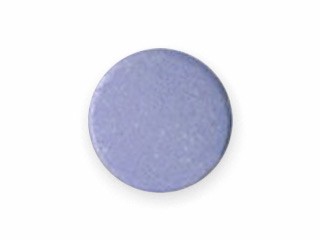
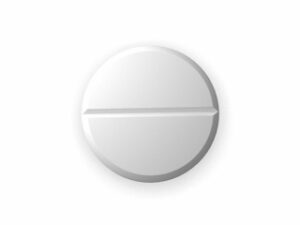
The medicine comes as tablets containing tolvaptan. Your healthcare professional will advise the exact dose and schedule for your situation.
What is hyponatraemia?
Hyponatraemia means your blood sodium level is lower than expected. Sodium helps maintain fluid balance and normal nerve and muscle function.
Hyponatraemia can range from mild to life-threatening. Symptoms may include:
- Headache
- Nausea or vomiting
- Confusion
- Sleepiness or fatigue
- Weakness
- In severe cases: seizures, severe confusion, or coma
The seriousness depends on the severity, how quickly it developed (acute vs chronic), and what caused it.
How Samsca works (mechanism of action)
Tolvaptan is a vasopressin (antidiuretic hormone, ADH) receptor antagonist—specifically it blocks the V2 receptors in the kidney.
Normally, ADH helps the body retain water. In hyponatraemia, too much ADH activity (or a body state that mimics ADH effect) can lead to water retention, diluting sodium.
By blocking V2 receptors, tolvaptan promotes excretion of free water (often called “aquaresis”) without significantly losing electrolytes like sodium. This can increase serum sodium levels.
Pharmacokinetics (how the body handles it)
Pharmacokinetics describes what the body does to the medicine (absorption, distribution, metabolism, and elimination).
- Absorption: Tolvaptan is absorbed after oral dosing. Effect may be influenced by food (see Food interactions below).
- Onset: Changes in urine water excretion and serum sodium may occur after the first dose. Clinical protocols often require close monitoring early in treatment to ensure safe sodium correction.
- Distribution: The drug distributes into the body tissues as it exerts its kidney effects.
- Metabolism: Tolvaptan is primarily metabolised in the liver via the CYP3A family of enzymes. This is important because several medicines can interact by affecting CYP3A.
- Elimination: Metabolites are eliminated mainly via non-renal routes (details vary), and the overall clearance supports once-daily dosing in many protocols.
Because dosing and monitoring are important for safety, always follow your healthcare professional’s instructions closely.
Typical use and indications
Samsca is used to treat specific forms of hyponatraemia where increasing serum sodium is clinically necessary. It is generally considered in situations such as:
- Severe, symptomatic hyponatraemia where careful correction is needed
- Hyponatraemia where fluid restriction alone is insufficient
- Cases where there is evidence of an ADH-mediated water retention component
Your doctor will consider factors such as symptom severity, the likely cause of hyponatraemia, how long it has been present (acute vs chronic), and your overall health.
Important: Treatment decisions should be individualised. Not all hyponatraemia is the same, and tolvaptan may not be suitable for every person.
When and how to take Samsca (timing and dosing principles)
Dosing should be tailored to your condition, baseline sodium level, symptoms, and response to treatment. Early therapy often requires monitoring of serum sodium to avoid overly rapid correction.
Typical dosing approach (overview)
- Initial dose: Often started at a low dose to reduce the risk of rapid sodium increase.
- Adjustment: The dose may be adjusted based on sodium response and tolerance.
- Duration: Treatment length depends on the underlying cause and whether sodium stabilises.
Timing (best practice)
- Once daily: Many regimens are once-daily, commonly taken in the morning.
- Monitor early: Sodium levels are typically checked soon after starting or changing dose.
- Avoid missing doses: If you miss a dose, take it only if advised by your healthcare professional.
Always use the instructions provided with your medicine. Do not change the dose unless advised.
Food interactions (what you should know)
Food can affect how tolvaptan is absorbed. As a general rule:
- Ask your pharmacist or doctor about specific guidance for how to take your tablets with meals.
- Some patients may be advised to take tolvaptan consistently with regard to meals (e.g., always with or always without food) to keep absorption predictable.
If you have been given specific meal instructions, follow them carefully.
Alcohol interactions
Alcohol can affect hydration and can also worsen dizziness, drowsiness, or confusion—symptoms that can overlap with hyponatraemia or treatment effects. It may also make it harder to maintain stable fluid intake.
- Avoid excessive alcohol while your sodium levels are being corrected.
- If you plan to drink alcohol, discuss with your healthcare professional whether it’s safe for you.
If you notice new or worsening confusion, severe headache, fainting, or extreme thirst, seek medical advice promptly.
Medicine interactions (important drug–drug considerations)
Tolvaptan is metabolised by CYP3A enzymes. Medicines that inhibit or induce these pathways can increase or decrease tolvaptan levels, affecting safety and effectiveness.
Examples of interaction risk areas
- Strong CYP3A inhibitors may raise tolvaptan exposure and increase risk of adverse effects. Examples can include some antifungals and certain antibiotics (the exact products depend on your region).
- CYP3A inducers may reduce tolvaptan levels and weaken its effect.
- Other medicines affecting fluid/electrolyte balance (e.g., diuretics) may change how your sodium responds and may require extra monitoring.
- Medications used for hypertension or heart failure may interact indirectly through changes in kidney function and fluid balance.
Always tell your healthcare professional and pharmacist about:
- All medicines you take (including non-prescription products)
- Herbal products and supplements (especially those affecting liver enzymes)
- Recent changes in medicines or dosages
Interaction severity varies from person to person; your pharmacist can help check compatibility.
Safety profile and precautions
Samsca can be effective for selected patients, but it has important safety considerations—particularly around liver safety and the rate of sodium correction.
Key risks
- Overly rapid correction of sodium: Raising sodium too quickly can cause serious neurological complications. This is why monitoring is crucial, especially early in treatment.
- Liver injury: Tolvaptan can be associated with elevations in liver enzymes and, in some cases, serious liver problems. Monitoring may be required.
- Excessive water loss / dehydration: Because it increases free water excretion, you may become overly thirsty or dehydrated if intake is not appropriate.
- Changes in urine volume: You may urinate more frequently during aquaresis.
When to seek urgent help
Contact urgent medical help if you develop:
- Severe confusion, seizures, or worsening drowsiness
- Symptoms suggesting severe dehydration (fainting, very dry mouth, inability to keep fluids down)
- Yellowing of the skin or eyes, dark urine, or severe upper abdominal pain (possible liver-related symptoms)
Who should be extra cautious?
Extra care may be needed if you have:
- Liver disease or a history of liver problems
- Significant kidney impairment
- Conditions that increase risk of electrolyte imbalance
- Other factors that affect ADH levels (your clinician will assess this)
Your healthcare professional will assess risks and decide whether Samsca is appropriate.
Practical use tips (to get the best and safest outcome)
- Attend monitoring: Early sodium and liver monitoring may be scheduled. Keep appointments.
- Follow fluid guidance: Your doctor may advise how to manage fluid intake during treatment. Don’t drastically increase or restrict fluids unless instructed.
- Plan for more urination: Especially at the start, you may need access to toilets more often. Taking the dose earlier in the day can help some people.
- Track symptoms: Note headache, nausea, dizziness, confusion, or thirst changes and report them.
- Avoid doubling up: If you forget a dose, don’t take extra tablets to compensate unless advised.
- Keep a medication list: Include doses and timing for each medicine to support interaction checks.
If you have questions about how to manage thirst and hydration while taking Samsca, ask your pharmacist.
Alternative options (depending on the cause of hyponatraemia)
Management of hyponatraemia depends on cause and severity. Options may include:
- Fluid restriction (commonly used for mild to moderate cases)
- Oral salt tablets or salt supplementation (in selected cases)
- Hypertonic saline (for severe or symptomatic hyponatraemia in acute settings)
- Demeclocycline (less commonly used; limited by side effects)
- Other vasopressin-targeting medicines (availability varies; your clinician will decide what’s appropriate)
The “best” alternative is determined by whether the hyponatraemia is acute or chronic, the cause (e.g., heart failure, certain hormone conditions, medication effects), and your symptoms.
Market and legal context in Australia (general guidance)
Medicines such as Samsca are regulated under Australia’s medicines framework. Availability, brand presentation, and prescribing requirements are determined by the Australian regulatory and prescribing environment.
For an online pharmacy, this typically means:
- Legitimate supply is dependent on appropriate documentation and patient eligibility processes.
- Pharmacies must comply with Australian laws on safe dispensing, record-keeping, and supply practices.
- Patient counselling and medicine interaction checks are important components of safe use.
If you are unsure about eligibility or how online ordering works in Australia, contact the pharmacy’s support team.
Recent guidance (monitoring and safety emphasis)
Clinical practice and regulatory communications over time have emphasised key safety themes with tolvaptan-containing medicines, especially:
- Safe correction of sodium (avoid rapid changes)
- Liver monitoring and prompt evaluation of symptoms suggestive of liver injury
- Appropriate patient selection based on cause and clinical status
Your healthcare professional may follow local protocols for laboratory monitoring and dose adjustment. Always follow the most current advice provided by your treating team.
Delivery and availability (online pharmacy information)
Availability can vary by supplier and stock levels. When ordering online in Australia, a pharmacy typically handles:
- Stock checks and order confirmation
- Secure packaging to protect tablets
- Delivery timeframes based on your location (metro vs regional)
- Cold chain requirements if applicable (most tablets do not require refrigeration, but follow label directions)
If you need a specific strength or pack size, choose carefully and check stock availability during checkout. The pharmacy may also contact you if verification or counselling is required.
FAQ
1) What is Samsca used for?
Samsca (tolvaptan) is used to treat certain cases of hyponatraemia where increasing serum sodium is clinically necessary. The exact suitability depends on the cause and severity of your condition.
2) How fast does Samsca work?
Sodium and urine output may change within hours after the first dose. Because correction must be controlled, monitoring is often arranged soon after starting and/or adjusting dose.
3) Why do I need blood tests during treatment?
Blood tests help ensure your sodium level is rising at a safe rate and that your liver remains healthy. This is an important part of safe tolvaptan use.
4) Will Samsca make me pee more?
Yes. Because tolvaptan increases excretion of free water, you may notice increased urination. Planning your day and taking the dose earlier (if advised) can help.
5) Can I drink water normally?
Follow the guidance provided by your clinician. Do not drastically change fluid intake without advice. Too much or too little fluid can affect sodium correction.
6) Is Samsca safe for everyone with low sodium?
Not necessarily. Hyponatraemia has different causes, and treatment varies. Your doctor will determine whether tolvaptan is appropriate based on your diagnosis, severity, and overall health.
7) What happens if I miss a dose?
Contact your pharmacist or healthcare professional for advice. Do not take extra tablets to make up the missed dose unless instructed.
8) Are there common side effects?
Possible side effects include increased thirst, increased urination, dizziness, dry mouth, and changes in laboratory values. Report any concerning symptoms—especially signs of dehydration or possible liver problems.
9) What medicines commonly interact with tolvaptan?
Medicines that affect liver enzymes (particularly CYP3A) may alter tolvaptan levels. Always provide your full medication list to your pharmacist for interaction screening.
10) When should I seek urgent medical help?
Seek urgent help if you develop severe confusion, seizures, fainting, inability to keep fluids down, or symptoms suggestive of liver injury (such as jaundice or dark urine).
Key takeaways
- Samsca (tolvaptan) treats specific types of hyponatraemia by blocking ADH V2 receptors.
- It increases free water excretion, which can raise sodium—but correction must be carefully monitored.
- Liver monitoring and safe management of fluid balance are important for safety.
- Food and medicine interactions can affect how Samsca works, so take it exactly as advised and review interactions.
- If you feel unwell or have concerning symptoms, contact a healthcare professional promptly.