

Antabuse (Disulfiram) – Patient Information (Australia)
Antabuse contains disulfiram, a medicine used to help people who have problems with alcohol dependence stay away from alcohol. It works by causing unpleasant effects if alcohol is consumed during treatment.
This guide is written to help you understand how disulfiram works, how it is used, important food and medicine interactions, what to expect, and how to use it safely. If you have questions about your personal situation, speak with a healthcare professional.
Basic product information
| Product | Details |
|---|---|
| Brand name | Antabuse |
| Active ingredient | Disulfiram |
| Medicinal use | Support in alcohol dependence by producing adverse reactions to alcohol |
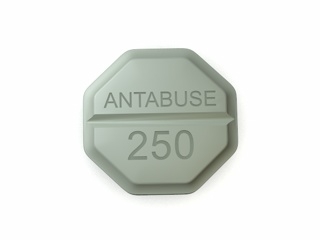
| Common dosage form | Tablets (strength varies by product/market) |
| How it works | Blocks alcohol metabolism, leading to accumulation of alcohol breakdown products |
| Key safety focus | Absolute avoidance of alcohol-containing products and certain medicines/foods |
How Antabuse (disulfiram) works
Disulfiram discourages alcohol intake by interrupting the body’s normal processing of alcohol.
- Under normal conditions, the enzyme aldehyde dehydrogenase helps break down alcohol into harmless substances.
- Disulfiram inhibits aldehyde dehydrogenase (and may also affect other steps), so alcohol and related by-products build up.
- This can lead to a rapid onset of unpleasant symptoms such as flushing, nausea, vomiting, headache, palpitations, low blood pressure and a general feeling of severe discomfort.
Important: The goal is to make alcohol consumption intolerable while disulfiram is active in your body. Even small amounts of alcohol—such as those in some medicines or sauces—may trigger reactions in some people.
Pharmacokinetics (how the body handles disulfiram)
Pharmacokinetics describes absorption, distribution, metabolism, and elimination. While exact values may vary between individuals and formulations, the following points are typical for disulfiram:
- Absorption: Disulfiram is absorbed after oral dosing.
- Metabolism: Disulfiram is metabolised in the body to active metabolites (including compounds that contribute to its alcohol-deterrent effect).
- Onset and duration: The medicine produces effects that can last beyond the day you take a dose. Because metabolites persist, alcohol reactions may occur even if alcohol is consumed after stopping treatment.
- Elimination: Metabolites are eliminated over time (primarily via metabolism and excretion processes).
Practical takeaway: Disulfiram can remain active for some time. For that reason, careful alcohol avoidance is required during treatment and for a period after stopping, as advised by your healthcare professional.
Typical uses in alcohol dependence
Antabuse is used as part of a structured approach to alcohol dependence to support abstinence. Disulfiram is often chosen when a person needs a strong deterrent and is motivated to remain alcohol-free, sometimes with family or support supervision.
Disulfiram may be used alongside counselling or behavioural support. It is not a “substitute” for treatment planning; it is one component of a broader management strategy.
Who it may suit
Antabuse may be considered when:
- A patient is committed to avoiding alcohol completely
- There is reliable adherence to daily medicine use
- Education and supervision are feasible (for example, support from family/caregivers)
- Other alcohol dependence treatments are unsuitable or have not been effective
It may not be appropriate for everyone—see the Safety profile and who should avoid it section below.
Indications (what the medicine is for)
In Australia, Antabuse/disulfiram is indicated for the maintenance of abstinence in people with alcohol dependence by producing an unpleasant reaction if alcohol is consumed.
It is generally used as a deterrent rather than to treat acute alcohol intoxication.
Dosing and timing (general guidance)
Dosing must be individualised. Your healthcare professional will advise the dose and schedule appropriate for you.
Typical approach
- Initial waiting period before starting: Disulfiram is usually started after alcohol has been fully cleared from your system to reduce risk and ensure the intended response occurs reliably. The exact timing depends on how much and how recently alcohol was consumed.
- Starting dose: A lower starting dose may be used, especially in people who are sensitive or have certain medical conditions.
- Maintenance: A daily dose is commonly used, sometimes with dose adjustments based on response and tolerability.
Timing during treatment
- Take at the same time each day to help adherence.
- Follow the prescribed schedule exactly.
- If you miss a dose, do not “double up” to make up for it—seek advice from a healthcare professional or pharmacist.
Alcohol exposure caution: Because disulfiram’s effect can persist, alcohol avoidance remains important even if you forget a dose or stop treatment (as advised by your healthcare professional).
Food and drink interactions (including “hidden alcohol”)
Disulfiram reactions can occur not only from drinking alcoholic beverages, but also from foods and drinks that contain alcohol or alcohol-based ingredients.
Common sources of alcohol to watch for
- Cooking wines, alcoholic cooking ingredients
- Alcohol-containing sauces (some soy/teriyaki blends, marinades, certain desserts)
- Fermented foods where alcohol may be present in small amounts
- Vinegar (usually safe in normal culinary amounts, but check if products contain added alcohol)
- Fruit products or extracts labelled as containing alcohol
- Some confectionery (e.g., liqueur chocolates)
How to reduce risk
- Read ingredient labels and avoid products listing alcohol such as “ethanol”, “spirit”, or “liqueur”.
- Ask your pharmacist for advice about specific foods or medicines.
- Be extra cautious with “complex” products (baked goods, marinades, and premium desserts).
Alcohol interactions (what happens if you drink)
Drinking alcohol while taking Antabuse can cause a reaction that may range from uncomfortable to dangerous.
Typical symptoms
- Facial flushing and warmth
- Headache
- Nausea and vomiting
- Throbbing or pounding heartbeat (palpitations)
- Shortness of breath or chest discomfort
- Low blood pressure, dizziness, faintness
When to seek urgent help
Get urgent medical assistance if you experience severe symptoms such as:
- Severe or persistent vomiting
- Fainting or collapse
- Chest pain, severe breathing difficulty, or confusion
- Signs of dehydration or inability to keep fluids down
After any alcohol reaction: inform a healthcare professional and avoid further alcohol exposure until you receive guidance.
Medicine interactions (important cautions)
Many medicines and health products may contain alcohol (for example, some liquid preparations, tonics, or certain cough/cold syrups). Alcohol-containing products can trigger a reaction.
Medicines and substances that may be relevant
- Liquid medicines or mixtures where the solvent/base includes ethanol
- Some cough/cold and sleep preparations formulated with alcohol
- Some mouthwashes or throat sprays containing alcohol
- Herbal preparations or tinctures (often alcohol-based)
- Other medications that may affect the liver or interact with metabolism
Always check: label ingredients for “alcohol”, “ethanol”, “spirit”, or “tincture”. When uncertain, ask your pharmacist.
Other interaction considerations
Disulfiram can affect the body’s handling of some drugs and may contribute to side effects in certain combinations. Provide a complete medication list (including over-the-counter medicines, vitamins, herbal products, and topical products) to your healthcare professional.
Safety profile and who should avoid Antabuse
Like all medicines, disulfiram can cause side effects and may not be appropriate for everyone. The key safety issues include possible liver effects and the risk of severe reactions if alcohol is taken.
Common side effects (may occur)
- Sleepiness or fatigue
- Headache
- Nausea
- Metallic or unusual taste
- Skin rash (in some people)
Serious risks to be aware of
- Liver problems: disulfiram has the potential to affect liver function. Tell your clinician promptly if you develop signs such as yellowing of the skin/eyes (jaundice), dark urine, unusual tiredness, or persistent nausea.
- Neurological effects: some people may experience nerve-related symptoms (for example, tingling, numbness, or weakness). Report new neurologic symptoms promptly.
- Severe alcohol reactions: as described earlier, these can be dangerous.
- Psychiatric effects: mood changes or confusion may occur; seek medical advice promptly.
Who should generally avoid or use with extra caution
Antabuse/disulfiram may be unsuitable or require careful assessment if you have:
- Significant liver disease or a history of abnormal liver function
- Severe heart disease or cardiovascular instability
- Psychiatric conditions or a history of severe mental health issues
- Neuropathy (nerve problems) or other neurological conditions
- Recent alcohol exposure before starting—your clinician will advise safe timing
Pregnancy and breastfeeding: discuss with a healthcare professional if you are pregnant, planning pregnancy, or breastfeeding. The risks and benefits must be considered carefully.
Practical use tips (how to use Antabuse safely)
- Commit to complete alcohol avoidance: beverages, medicines, mouth products, and cooking ingredients.
- Carry an information card or notes for support people: “Disulfiram—no alcohol.” This can be important in emergencies.
- Use non-alcohol alternatives for oral care where possible (e.g., alcohol-free mouthwash), and confirm with a pharmacist.
- Keep a medication list: include all prescriptions, over-the-counter products, and supplements.
- Label your household products: some tonics or herbal tinctures may be kept at home—avoid them during treatment.
- Don’t rely on “small sips”: reactions can happen even with limited alcohol exposure.
- Stay hydrated and follow general health advice, especially if you experience nausea or vomiting.
Missed dose and stopping treatment
If you miss a dose, follow advice from a pharmacist or healthcare professional. In general:
- A missed dose may reduce the protective deterrent effect on that day, but disulfiram effects can persist for some time.
- Stopping treatment does not instantly eliminate the risk—alcohol avoidance should continue for a period after discontinuation, as guided by your healthcare professional.
Alternative options for alcohol dependence (Australia)
There are several evidence-based approaches for alcohol dependence. Your clinician may consider:
- Other medicines that help reduce cravings or support abstinence (options vary depending on individual suitability and history).
- Psychological therapies such as counselling, motivational approaches, cognitive behavioural strategies, or relapse prevention plans.
- Withdrawal management for people at risk of severe withdrawal symptoms (medical supervision may be needed).
- Support groups and community services for long-term coping and relapse prevention.
If you’re considering switching or combining treatments, discuss it with a healthcare professional so safety monitoring and timing can be optimised.
Market and legal context for Australia
In Australia, medicines are regulated under the Therapeutic Goods Administration (TGA) framework. Disulfiram is supplied as an approved medicine and is subject to pharmacy and medicines scheduling rules. Availability may depend on product strength, brand, and local supply.
Online pharmacy listings commonly show product information, including dosage form and strength, along with safety notices and ingredient details. In general, medications used for alcohol dependence are typically managed with ongoing clinical oversight to support safe use, monitoring, and counselling.
Product advice: Always verify the specific strength and presentation in the listing you are purchasing, as tablet strengths and packaging can vary.
Recent guidance and monitoring (general)
Guidance for alcohol dependence treatments evolves over time. In practice, clinicians often focus on:
- Safety screening (especially liver function and overall medical suitability)
- Education about alcohol in foods and medicines
- Monitoring for side effects and adherence
- Supportive counselling to improve outcomes
Your healthcare professional may recommend periodic blood tests (for example, liver function) depending on your risk profile and duration of therapy.
Delivery and availability (Australia)
Availability can vary by supplier and stock levels. When purchasing Antabuse online:
- Check the product strength and form shown on the website.
- Confirm packaging size (number of tablets) and expiry date where displayed.
- Delivery timeframes depend on location, courier service, and dispatch schedule.
- Some pharmacies may require additional steps to comply with Australian medicine supply regulations.
Storage: Store tablets as directed on the label (typically at room temperature, away from moisture and heat) and keep out of reach of children.
FAQ
Can I take Antabuse if I only drink a small amount of alcohol?
No. Disulfiram can cause reactions even with small amounts of alcohol. Avoid alcohol completely—including beer, wine, spirits, and products containing alcohol such as some cough syrups, tonics, desserts, and certain sauces.
How long after stopping Antabuse do I need to avoid alcohol?
Disulfiram effects can persist due to active metabolites. The exact time depends on dose, duration of therapy, and your individual physiology. Ask your healthcare professional for personalised timing guidance before you reintroduce alcohol.
What should I do if I accidentally consume alcohol?
If you experience symptoms, seek urgent medical help—especially if you have severe vomiting, fainting, chest pain, or difficulty breathing. Contact a healthcare professional for advice. In any case, stop further alcohol exposure and do not attempt to “test” your reaction.
Are there medicines or mouth products that contain alcohol?
Yes. Some liquid medicines, herbal tinctures, and mouthwashes/throat preparations may contain alcohol. Always read ingredient labels. Ask your pharmacist for alcohol-free alternatives when available.
Can I use cooking products like wine or alcohol-based vinegar?
It’s best to avoid alcohol-containing cooking products. For food, check labels and choose alcohol-free versions. Many plain vinegars are safe in typical culinary amounts, but avoid products where alcohol has been added.
What side effects should worry me?
Seek medical advice promptly if you develop jaundice (yellow skin/eyes), dark urine, severe persistent nausea/vomiting, confusion, severe weakness/tingling, or any severe reaction after alcohol exposure.
Is Antabuse used to “treat hangovers”?
No. Antabuse is used to support abstinence in alcohol dependence by making alcohol consumption unpleasant. It is not intended for acute hangover treatment.
Can Antabuse be combined with counselling?
Yes. Many successful treatment plans combine medication with counselling and behavioural support. This can help address triggers, coping strategies, and relapse prevention.
How do I improve the chance the medicine works?
Key steps include taking your dose consistently, avoiding all alcohol sources, using reminders, and engaging in supportive therapy or counselling. If there’s a risk you may forget, discuss safe support options with your healthcare professional.
Where can I get help if I’m struggling with alcohol dependence?
If you need support, speak with a healthcare professional. In Australia, you can also contact local alcohol and drug services or counselling providers. If you’re in immediate danger, call emergency services.
Note: This information is general and cannot replace medical advice tailored to you. Your healthcare professional can help determine whether Antabuse/disulfiram is appropriate and safe based on your medical history, current medicines, and risk factors.