


Terazosin Hydrochloride (Australia) – Patient-Friendly Guide
Terazosin hydrochloride is a medicine used to treat certain urinary and prostate conditions and, in some people, to help lower blood pressure. It belongs to a group of medicines called alpha-1 (α1) blockers, which relax specific muscles in the prostate and bladder to improve urine flow. In addition, it can relax blood vessels to support healthy blood pressure.
This guide explains what terazosin is used for, how it works, how the body handles it, how to take it safely, and important interactions and safety considerations. If you have any questions about whether terazosin is suitable for you, speak with a qualified healthcare professional.
1. Basic product information
| Category | Details |
|---|---|
| Medicine name | Terazosin hydrochloride |
| Medicine type | Alpha-1 adrenergic blocker (α1 blocker) |
| Common uses | Urinary symptoms of benign prostatic hyperplasia (BPH) / enlarged prostate; some uses may involve blood pressure management under medical guidance |
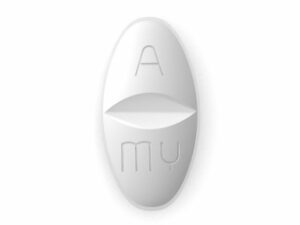
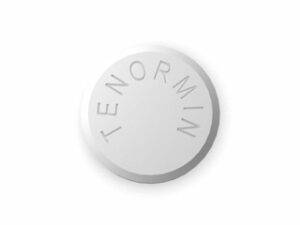
| Available forms | Often tablets (strengths vary by product/brand) |
| Typical onset | May improve urinary symptoms within days; blood pressure effects may take days to weeks depending on dose and individual response |
Important: Brand names and tablet strengths can differ across Australia. Always check the label on your specific product.
2. How terazosin works (mechanism of action)
Terazosin blocks alpha-1 receptors located mainly in the smooth muscle of the prostate and the bladder neck. By relaxing these muscles, terazosin helps:
- Reduce resistance to urine flow
- Improve stream strength
- Decrease urinary urgency and frequency
- Improve symptoms associated with an enlarged prostate (BPH)
Because alpha-1 receptors are also present in blood vessels, terazosin can relax vessel walls, leading to lower blood pressure in some patients.
3. Pharmacokinetics (how the body handles it)
Pharmacokinetics describes how terazosin is absorbed, distributed, metabolised and eliminated.
- Absorption: Terazosin is absorbed after oral dosing. The rate and extent of absorption can vary between individuals.
- Distribution: It is distributed throughout the body, including tissues involved in urinary function and blood vessel tone.
- Metabolism: Terazosin is mainly metabolised by the liver.
- Elimination: Metabolites are excreted, primarily through the kidneys and also via bile/feces depending on metabolism.
- Onset and duration: The medicine is designed for daily use; effects on urine flow and/or blood pressure develop progressively, especially when dose increases are gradual.
Practical implication: Because terazosin is metabolised in the liver, dosing and monitoring may need adjustment in people with liver impairment. Your clinician will consider this when determining your dose plan.
4. Typical use and timing
Typical use
- Benign prostatic hyperplasia (BPH): Used to relieve urinary symptoms such as weak stream, difficulty starting urination, frequent urination, and urgency.
- Blood pressure management: Terazosin may be used in selected patients for hypertension under medical guidance.
Timing of doses
Many people are advised to take terazosin in the evening, particularly at the start of treatment or when increasing the dose. This helps reduce the risk of first-dose dizziness (a drop in blood pressure when starting or increasing the dose).
- Early treatment / dose changes: Taking the first dose (and subsequent dose increases) at night is commonly recommended.
- Consistency: Take it at the same time each day if possible.
Missed dose: If you miss a dose, take it when you remember unless it is close to your next dose. If you have missed several days, contact your healthcare professional before restarting, as blood pressure monitoring and dose re-titration may be needed.
5. Indications (when terazosin is used)
In Australia, terazosin is commonly indicated for:
- Lower urinary tract symptoms due to BPH (enlarged prostate in men)
- Hypertension in certain cases, depending on the treatment plan and individual patient factors
Not everyone with urinary symptoms needs terazosin. Other causes (for example, urinary tract infection, bladder stones, prostate cancer, medications that affect urination) must be considered. Your clinician may run tests before starting therapy.
6. Dosing (general guidance)
Dose regimens can vary based on the condition being treated, age, response, and other medicines. The dose should always be based on guidance from your healthcare professional and the product label.
General approach: starting low and increasing gradually
A common feature of terazosin therapy is gradual dose titration to reduce the risk of side effects such as dizziness and fainting from blood pressure drops.
Example titration concept (illustrative):
- Start with a low dose
- Increase after an interval based on tolerance and effect
- Continue titration until symptom control is achieved
Because specific step-by-step schedules differ between patients and product strengths, follow your clinician’s directions exactly.
How to take terazosin tablets
- Swallow the tablet with a glass of water.
- Do not crush or chew unless your specific tablet instructions allow it.
- Keep to your daily routine (often evening).
If you stop and restart
If you have stopped terazosin for more than a short period, the risk of a drop in blood pressure may return. Restarting may require dose reintroduction at the lowest dose. Seek medical advice before restarting.
7. Food interactions
Food can affect how quickly some medicines work. For terazosin, taking it consistently relative to meals may help you maintain predictable effects.
- General advice: Take terazosin the way you were instructed—either with or without food—aiming for consistency.
- Tell your pharmacist: If you notice symptoms like dizziness after starting or after dose changes, your clinician may review timing, dose, and other factors.
Practical tip: If your prescriber suggested taking it at night, taking it after dinner may feel more comfortable, especially if you have dizziness with the initial dose.
8. Alcohol and medicine interactions
Alcohol
Alcohol can increase the risk of dizziness, light-headedness, and low blood pressure, especially when starting terazosin or increasing the dose.
- Avoid heavy drinking when you are beginning therapy or adjusting dose.
- If you choose to drink alcohol, do so in moderation and monitor how you feel (especially when standing up).
Other medicines that may interact
Terazosin can interact with other medicines that affect blood pressure or the nervous system. Important interaction categories include:
- Other blood pressure medicines (may intensify blood pressure lowering)
- Nitrates used for chest pain (may increase the chance of low blood pressure)
- Phosphodiesterase-5 inhibitors (PDE5 inhibitors) such as sildenafil, vardenafil, or tadalafil for erectile dysfunction or pulmonary hypertension (may increase risk of dizziness/low BP)
- Medicines for prostate symptoms or other alpha blockers (together may increase side effects)
- Medicines that cause dizziness (for example, some antidepressants, antipsychotics, or sedatives)
- Medications affecting liver metabolism (your clinician may review potential impacts)
Always inform your pharmacist or doctor of all medicines you use, including non-prescription items, vitamins, herbal products, and any recent changes.
9. Safety profile (what to watch for)
Most people tolerate terazosin well, but like all medicines it can cause side effects. Some effects are more likely early in treatment or after dose increases.
Common side effects
- Dizziness or light-headedness
- Headache
- Low blood pressure, especially when standing (orthostatic hypotension)
- Weakness or tiredness
- Fluid retention (swelling, especially in ankles/feet)
Serious but less common risks
- Fainting (syncope), particularly during the first days or after dose increases
- Rapid heartbeat or palpitations in some people
- Priapism (painful erection lasting hours) — seek urgent medical attention
- Intraoperative Floppy Iris Syndrome risk: Alpha-1 blockers can be associated with floppy iris during cataract surgery. Tell your eye surgeon if you take or have taken terazosin.
When to seek urgent help
Contact urgent medical services or seek immediate care if you experience:
- Fainting or severe dizziness
- Chest pain, severe shortness of breath, or signs of an allergic reaction (swelling of face/lips, difficulty breathing, rash)
- A prolonged painful erection
10. Practical use tips (to improve comfort and safety)
- Stand up slowly: Dizziness is more likely when rising from sitting or lying down. Move gradually.
- Be cautious during dose changes: The highest risk of low blood pressure is often in the first days after starting or increasing the dose.
- Hydrate appropriately: Dehydration can worsen low blood pressure. Follow general hydration advice from your clinician.
- Monitor symptoms: Track urinary improvements and any dizziness. This can help your clinician fine-tune dose.
- Avoid driving if affected: If you feel dizzy, avoid driving or operating machinery.
- Tell your doctors: Inform all healthcare professionals that you take terazosin, including dentists and eye specialists.
11. Alternative options
If terazosin isn’t suitable (or doesn’t provide enough relief), several alternatives may be considered depending on the cause of symptoms and your medical history.
Other alpha-1 blockers
- Tamsulosin
- Alfuzosin
- Doxazosin
These can differ in side effect profiles and dosing schedules. Your clinician can help choose an option based on blood pressure, urinary symptom pattern, and other medicines.
Other BPH treatment types
- 5-alpha-reductase inhibitors (for example, finasteride or dutasteride) – typically used for larger prostate size and may take longer to show benefit.
- Combination therapy (alpha blocker + 5-alpha-reductase inhibitor) in selected cases.
- Non-medication options such as lifestyle changes or procedures, depending on severity and complications.
Discuss alternatives with your healthcare professional, especially if you have side effects, inadequate symptom relief, or additional health conditions.
12. Market and legal context for Australia
In Australia, terazosin hydrochloride is regulated under the national framework for medicines. Depending on the exact product and strength, it may be supplied under specific pharmacy rules and may require a clinician’s direction for safe use.
Online pharmacies in Australia generally follow Australian health and regulatory requirements for supply, identity verification (where applicable), and safe medication handling. Availability, pack sizes, and brand names can differ between suppliers.
Always use genuine Australian-sourced products supplied through compliant channels. Avoid buying from unverified sources to reduce the risk of counterfeit or incorrect-strength products.
13. Recent guidance and important notes (practical updates)
Healthcare guidance for alpha-1 blockers continues to emphasise:
- Starting low and titrating slowly to reduce dizziness and fainting risk.
- Extra caution with cataract surgery: patients using alpha-1 blockers should inform eye surgeons to reduce the risk of intraoperative complications.
- Reviewing interactions, particularly with PDE5 inhibitors for erectile dysfunction and other blood pressure-lowering medicines.
- Monitoring in vulnerable patients (for example, older adults, people with low baseline blood pressure, or those taking multiple medications).
If you have recently been discharged from hospital, started new medications, or have had a dose interruption, it’s especially important to re-check your dosing plan with your healthcare professional.
14. Delivery, availability and ordering (online pharmacy)
Availability can vary by strength and brand. Many online pharmacies offer:
- Multiple pack sizes (commonly 30 or 90 tablets, depending on product)
- Home delivery across Australia within standard courier timeframes
- Pharmacist support via phone or online consultation channels
Delivery considerations:
- Delivery time depends on your location and the supplier’s stock levels.
- Keep track of expected delivery dates to avoid running out of medicine.
- Check the package upon arrival to ensure you received the correct strength and form.
Storage: Store tablets at room temperature as directed on the label. Keep away from moisture and out of reach of children.
15. FAQ (Frequently asked questions)
How quickly will terazosin improve my urinary symptoms?
Some people notice improvements within days, while others may take longer. Consistent daily use and gradual dose titration are important. If you don’t notice improvement after the expected period or you worsen, speak with your clinician.
Why do I feel dizzy when I start terazosin or increase the dose?
Terazosin can lower blood pressure, especially when you first start it or after a dose increase. This is why many people are advised to take it in the evening and stand up slowly.
Should I take terazosin with food?
Follow your product instructions and your healthcare professional’s advice. If you notice dizziness, consider consistent timing relative to meals (often at night). Don’t change your routine without guidance.
Can I drink alcohol while taking terazosin?
Alcohol may increase dizziness and blood pressure-lowering effects. Limit alcohol intake, especially during the early days of treatment or after dose changes.
What if I miss a dose?
Take the missed dose when you remember unless it’s close to your next dose. If you miss several days, contact your healthcare professional before restarting, as you may need dose reintroduction.
Can terazosin affect cataract surgery?
Yes. Alpha-1 blockers have been associated with a condition called Intraoperative Floppy Iris Syndrome during cataract surgery. Tell your ophthalmologist if you take terazosin (or have taken it in the past).
Does terazosin cause sexual side effects?
Some people experience changes such as reduced libido or erectile difficulties. Rarely, painful prolonged erections (priapism) can occur and require urgent medical attention.
What other medicines should I be careful with?
Be cautious when combining terazosin with other blood pressure medicines, nitrates, and PDE5 inhibitors (such as sildenafil or tadalafil), as these may increase the risk of low blood pressure and dizziness. Always check all medicines with your pharmacist.
Is terazosin safe for everyone?
Not necessarily. Safety depends on your medical history, blood pressure, liver function, other medicines, and risk factors for dizziness. People prone to low blood pressure, those taking interacting medicines, and those undergoing eye surgery need extra planning with their clinician.
What should I do if I feel faint?
If you feel you might faint, sit or lie down immediately and seek urgent medical advice. Fainting can signal a significant blood pressure drop, particularly after starting or dose changes.
Summary
Terazosin hydrochloride is an alpha-1 blocker commonly used to relieve urinary symptoms from an enlarged prostate and, in certain patients, to support blood pressure management. It works by relaxing smooth muscle in the prostate/bladder neck and blood vessels. Because terazosin can lower blood pressure—particularly at the start—dizziness and orthostatic hypotension may occur, making careful dose titration and evening dosing important. Tell all healthcare providers you take terazosin, especially if you have planned cataract surgery.
If you would like help choosing between treatment options or understanding how terazosin fits with your current medicines, speak with a qualified pharmacist or healthcare professional.