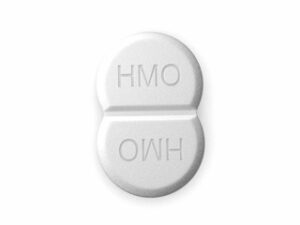
Trandate (Labetalol) – Patient Information (Australia)
Trandate contains labetalol, a medicine used to lower high blood pressure and to treat certain heart-related and circulation conditions. This page explains how Trandate works, how it is used, what to expect, and important safety information—written in clear, patient-friendly language for people in Australia.
Please note: information on this page is general. Your prescriber and pharmacist may tailor treatment to your specific health needs.
Quick Facts
- Active ingredient: Labetalol
- Medicine type: Beta (β) and alpha (α) blocker (antihypertensive)
- Common uses: High blood pressure; hypertensive emergencies (in hospital settings); other selected cardiovascular uses
- How it works: Reduces heart workload and relaxes blood vessels
- Common side effects: Dizziness, tiredness, slow heartbeat, nausea
- Availability: Dispensed through pharmacies in Australia (form and brand may vary by supply)
Basic Product Information
Trandate is the brand name for labetalol. Labetalol is a medicine that blocks specific receptors involved in blood pressure and heart rate regulation, helping to lower blood pressure and ease strain on the cardiovascular system.
In clinical practice, labetalol may be used in both urgent hospital settings and longer-term management depending on the formulation and situation. Your pharmacist can confirm which product form you have (for example, tablet strength or an injectable preparation in hospital).
How Trandate (Labetalol) Works
Mechanism of action
Labetalol works by blocking:
- Beta-adrenergic receptors (β-blockade): Slows the heart rate and reduces the force of contraction.
- Alpha-adrenergic receptors (α1 blockade): Relaxes (dilates) blood vessels, reducing resistance to blood flow.
The combined effect helps lower blood pressure without causing as much reflex speeding of the heart as some medicines that block only one receptor type.
Pharmacokinetics (Absorption, Distribution, Metabolism, Elimination)
Pharmacokinetics refers to how the body handles a medicine—how it is absorbed, how it moves around the body, and how it is broken down and removed.
- Absorption: When taken by mouth, labetalol is absorbed from the gastrointestinal tract.
- Onset of action: Blood pressure lowering may begin within hours, with full effect depending on dose and individual response.
- Distribution: Labetalol distributes into body tissues and crosses into relevant compartments according to normal drug distribution patterns.
- Metabolism: Labetalol is mainly metabolised by the liver.
- Elimination: Metabolites and the drug are eliminated primarily through the liver and via bile and/or other routes.
Because the liver plays an important role, people with liver impairment may require extra caution and dose adjustment. Your clinician will consider your medical history and liver function.
Typical Uses in Australia
Trandate (labetalol) is commonly used for:
- Hypertension (high blood pressure): Particularly when a controlled reduction in blood pressure is needed.
- Hypertensive emergencies and severe high blood pressure: Often in hospital settings, where rapid management is required.
- Selected cardiovascular conditions: Your clinician may use labetalol for other specific indications based on your overall health and risk factors.
The exact indication depends on the formulation (tablet vs injection) and your clinical situation.
When and How to Take Trandate
Timing and routine
- Take at the same times each day to maintain steady blood levels.
- With food or after food may improve comfort for some people and can reduce stomach upset.
- If you are given a specific schedule (for example, morning and evening dosing), follow that schedule.
- Do not stop suddenly without medical advice—abrupt stopping of beta-blockers can cause a rebound rise in heart rate or blood pressure in some people.
What to do if you miss a dose
If you miss a dose, take it when you remember if it is not close to the next dose. If it is close to the next dose, skip the missed dose and continue with your usual schedule. Avoid taking double doses to make up for a missed tablet.
Food Interactions
Food can affect how some medicines are absorbed or tolerated. For labetalol, eating can sometimes reduce stomach discomfort.
- Generally: Taking Trandate with food is often acceptable.
- Consistency matters: If you prefer taking it with food, keep doing so consistently.
Always check the packaging and your pharmacist’s advice for the specific product you receive.
Alcohol and Medicine Interactions
Alcohol
Alcohol can lower blood pressure further and increase side effects such as dizziness or light-headedness, especially when you first start Trandate or when the dose is increased. If you drink alcohol:
- Use caution and avoid excessive amounts.
- Be careful when standing up (to reduce risk of falls).
- If you feel faint or unusually weak, avoid alcohol and speak with your pharmacist or doctor.
Important medicine interactions
Labetalol can interact with other medicines. Inform your pharmacist about everything you take, including prescription medicines, over-the-counter products, and herbal supplements.
Common interaction areas include:
- Other blood pressure medicines (e.g., ACE inhibitors, ARBs, diuretics, calcium-channel blockers): may increase blood-pressure lowering; sometimes this is intended, but monitoring is important.
- Other medicines that slow the heart (certain antiarrhythmics, some calcium-channel blockers like verapamil/diltiazem): may increase risk of slow heart rate or conduction problems.
- Diabetes medicines and insulin: beta-blockers may mask some symptoms of low blood sugar (e.g., shakiness and palpitations). Sweating may still occur.
- Antiarrhythmic or sedating medicines: may increase dizziness or heart-related side effects.
- Drugs affecting liver metabolism: because labetalol is metabolised in the liver, medicines that change liver enzyme activity may affect levels of labetalol.
This is not a complete list. Your pharmacist can check interactions for your individual medicine list.
Indications (Why Trandate is Prescribed)
In practice, Trandate (labetalol) is indicated for:
- Treatment of high blood pressure (hypertension), including situations where careful control of blood pressure is required.
- Severe hypertension (including hypertensive crises/emergencies) under medical supervision.
- Selected conditions in cardiology depending on your clinical assessment.
The correct indication and route depend on your situation and the product form you receive.
Dosing: What Patients Typically Need to Know
Dosing is individual. The right dose depends on your blood pressure readings, heart rate, age, other conditions (such as liver impairment), and the presence of other medicines.
General dosing principles
- Start low, then adjust: Many clinicians begin with a conservative dose and increase gradually based on response.
- Monitor heart rate and blood pressure: Dose changes are often guided by home readings and clinical measurements.
- Use caution in liver disease: because the liver contributes to metabolism.
Typical dosing pattern (example guidance)
Many patients take labetalol in divided doses (for example, multiple times per day), but your prescription instructions will specify your exact schedule. If you are unsure, ask your pharmacist to confirm your dosing timetable.
Important: Never change the dose on your own. If your blood pressure remains high or you experience side effects, contact your healthcare professional.
Safety Profile and Side Effects
Common side effects
Side effects vary between individuals. Commonly reported effects include:
- Dizziness or light-headedness
- Tiredness or reduced energy
- Slow heartbeat (bradycardia)
- Nausea or gastrointestinal discomfort
- Cold hands and feet (from blood vessel effects)
Less common but important side effects
- Low blood pressure, especially when standing (orthostatic hypotension)
- Worsening shortness of breath in susceptible individuals
- Altered blood sugar symptoms in diabetes (masking of hypoglycaemia signs)
- Changes in liver function (rare; more likely in predisposed individuals)
Seek urgent medical advice if
Contact emergency services or seek urgent medical attention if you experience:
- Fainting, severe dizziness, or signs of dangerously low blood pressure
- Chest pain, severe shortness of breath, or collapse
- Swelling of the face/lips, trouble breathing, or rash consistent with allergy
- Severe weakness or confusion with dangerously abnormal pulse or blood pressure
Who should use extra caution?
- Asthma or certain lung conditions: beta-blockers can affect airway function. A clinician will assess suitability.
- Very slow heart rate or certain conduction disorders.
- Diabetes (monitor blood glucose and be aware of symptom changes).
- Liver impairment.
- Older adults: may be more sensitive to drops in blood pressure.
Practical Use Tips (How to Get the Best Results)
- Check your blood pressure regularly: Use a validated home blood pressure monitor and record readings at the same times each day.
- Track your pulse: If you feel unwell, check your heart rate. Tell your clinician if your pulse is consistently very low.
- Stand up slowly: If you feel dizzy, rise gradually from sitting/lying positions.
- Stay consistent with timing: Missing doses or irregular timing can reduce effectiveness.
- Don’t combine with multiple “dual actions” without checking: If you take several heart/blood pressure medicines, ask your pharmacist to review for duplication and interactions.
- Keep an updated list of medicines: Include prescriptions, over-the-counter products, and supplements.
Alternative Options for High Blood Pressure
If Trandate (labetalol) is not suitable or if additional control is needed, healthcare providers may consider other blood pressure medicines. The best choice depends on your health profile, side effect tolerance, and other conditions.
Common classes of alternatives
- ACE inhibitors (e.g., enalapril, lisinopril)
- ARBs (e.g., losartan, valsartan)
- Calcium channel blockers (e.g., amlodipine)
- Thiazide or thiazide-like diuretics (e.g., hydrochlorothiazide, indapamide)
- Other beta-blockers (depending on your condition)
Your clinician will choose based on factors such as kidney function, heart rate, lung conditions, and overall cardiovascular risk.
Market and Legal Context for Australia
Medicines containing labetalol are supplied in Australia under the regulations that apply to prescription medicines. Availability can depend on supply chains and product formulations.
For any changes to supply, brand availability, or medicine updates, your pharmacist can help you find the most appropriate option. Always ensure you receive the correct strength and dosage form for your treatment plan.
Recent Guidance and Monitoring (What to Expect)
Australian clinical practice emphasises:
- Regular blood pressure monitoring and dose review until targets are achieved.
- Assessing side effects, especially dizziness, fatigue, and heart-rate changes.
- Reviewing interactions when new medicines are started (including antibiotics, pain medicines, and supplements).
- Liver function caution in people with known liver disease or symptoms suggesting liver problems (e.g., unusual fatigue, dark urine, yellowing of skin/eyes).
If you’re newly starting Trandate, you may be asked to check blood pressure and pulse more frequently during the dose-adjustment period.
Delivery and Availability (Online Pharmacy)
Availability of Trandate (labetalol) may vary by brand, strength, and stock. Online pharmacies in Australia typically:
- Verify that the medicine matches the requested strength and format
- Dispense from approved suppliers
- Package safely for transport
- Offer standard and sometimes express delivery options depending on location
Delivery times depend on your postcode and the pharmacy’s dispatch schedule. If the exact item is temporarily unavailable, the pharmacy may contact you about suitable options consistent with Australian dispensing requirements.
Storage
- Store at room temperature unless your label states otherwise.
- Keep in the original packaging to protect from light and for identification purposes.
- Keep out of reach of children.
- Check the expiry date before use.
Important Warnings (Safety Considerations)
- Do not stop suddenly without advice—this can cause rebound effects.
- Use caution with dehydration (e.g., vomiting/diarrhoea or excessive sweating), as blood pressure may drop further.
- Be careful driving or operating machinery if you feel dizzy or unusually tired, especially at the start of treatment.
- Inform healthcare providers (including dentists and emergency departments) that you are taking labetalol.
Information at a Glance
| Category | What to know about Trandate (Labetalol) |
|---|---|
| Medicine class | Beta and alpha blocker (antihypertensive) |
| Main benefit | Lowers blood pressure and reduces cardiovascular strain |
| Typical onset | Blood pressure lowering may begin within hours (varies by dose and individual) |
| Food effects | May be taken with food; consistency can help tolerance |
| Alcohol | Can increase dizziness and lower blood pressure further |
| Key monitoring | Blood pressure, heart rate, and side effects |
| Notable cautions | Asthma/lung disease, slow heart rate, diabetes, liver impairment |
FAQ – Trandate (Labetalol)
1) How long does Trandate take to work?
Many people notice blood pressure changes within hours after a dose. The overall effect and how quickly you reach target levels depends on your dose, formulation, and individual response. If you’re monitoring at home, use your clinician’s suggested timetable.
2) Will Trandate affect my heart rate?
Yes. Because labetalol blocks beta receptors, it can lower heart rate. This is expected in many patients, but if you experience symptoms such as faintness, severe fatigue, or very slow pulse, contact your healthcare professional.
3) Can I take Trandate with food?
Often, yes. Taking it with food may improve tolerance for some people. If your instructions indicate a specific method (with food or on an empty stomach), follow the label or your pharmacist’s advice.
4) What if I miss a dose?
Take it when you remember if it’s not too close to the next scheduled dose. Otherwise, skip the missed dose and continue your usual schedule. Do not double up.
5) Is it safe to drink alcohol while taking Trandate?
Alcohol can further lower blood pressure and increase dizziness. If you choose to drink, do so carefully and monitor how you feel—especially when starting or increasing your dose.
6) Does Trandate interact with other medicines?
It can interact with other drugs that affect heart rate, blood pressure, blood sugar, or liver metabolism. Tell your pharmacist about all medicines and supplements you use so they can check for interactions.
7) Can Trandate mask symptoms of low blood sugar?
Yes. Beta-blockers may reduce some warning signs of hypoglycaemia, such as palpitations and tremor. People with diabetes should monitor blood glucose regularly and discuss safety plans with their clinician.
8) What side effects are most common?
Dizziness, tiredness, slow heartbeat, and nausea are among the more common side effects. If side effects are persistent, severe, or worsening, speak with your healthcare professional.
9) Should I stop Trandate if I feel better?
No. High blood pressure typically requires ongoing management. Stopping suddenly can be unsafe. If you want to change treatment, discuss it with your prescriber or pharmacist.
10) Are there alternatives if Trandate doesn’t suit me?
Yes. Other antihypertensive options may be used depending on your health needs, such as ACE inhibitors, ARBs, calcium channel blockers, or diuretics. Your clinician will recommend the most appropriate alternative.
Disclaimer: This information is provided for general education. It does not replace personalised medical advice. If you have questions about Trandate (labetalol) or you experience concerning symptoms, contact your pharmacist or doctor.