Actos (Pioglitazone) — Patient Information (Australia)
Actos contains pioglitazone, a medicine used to help manage blood sugar in certain adults with type 2 diabetes. This page explains how Actos works, how it is used, what to expect, and key safety information to help you use your medicine with confidence.
Note: This information is general and may not cover every situation. Always follow the advice provided by your healthcare professional.
1) Basic product information
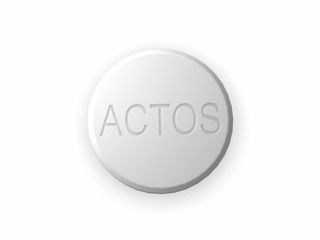
- Brand name: Actos
- Generic name: Pioglitazone
- Medicine type: Thiazolidinedione (TZD)
- Indication (general): Type 2 diabetes (used to improve blood glucose control)
- Common strengths: Common tablet strengths include 15 mg, 30 mg, and 45 mg (availability can vary)
- Administration: Oral tablets
2) What Actos is used for (indications)
Actos (pioglitazone) is used in adults with type 2 diabetes to improve blood glucose control. It is typically used:
- As monotherapy when appropriate, or
- In combination with other glucose-lowering medicines when blood sugar is not well controlled.
Your clinician will choose the most suitable treatment based on your overall health, other medicines, kidney and liver function, heart health, and your current blood glucose results.
3) How Actos works (mechanism of action)
Pioglitazone improves insulin sensitivity in the body. It primarily works by activating the PPAR-γ (peroxisome proliferator-activated receptor gamma) pathway. In practical terms, this helps:
- Increase insulin sensitivity in tissues such as muscle and fat
- Improve glucose uptake in peripheral tissues
- Reduce insulin resistance, helping lower blood glucose levels
Unlike medicines that stimulate the pancreas to produce more insulin (e.g., some sulfonylureas), Actos generally has a lower risk of causing hypoglycaemia when used alone. However, the risk can increase when combined with other medicines.
4) When you’ll notice effects (timing)
Pioglitazone is not an immediate “fast-acting” medicine. Many people notice benefits gradually.
- Early changes: Some improvement may be seen within days to a few weeks.
- Full effect: It may take several weeks to reach the greatest glucose-lowering effect.
- Monitoring: HbA1c (a marker of longer-term blood sugar control) is usually assessed after a period of time to evaluate overall effectiveness.
If you are starting or changing your dose, do not judge success only by day-to-day readings. The main measure is overall blood sugar control over time.
5) Typical use and how it fits into diabetes care
Actos is used as part of a broader approach to type 2 diabetes care, which often includes:
- Healthy eating (individualised dietary advice)
- Regular physical activity
- Weight management if appropriate
- Smoking cessation if relevant
- Blood glucose monitoring and periodic blood tests
Actos may be chosen when insulin resistance is a key feature of your diabetes and when your clinician considers it a good option given your health profile.
6) Dosing — general guidance
The exact dose and schedule should be determined by your healthcare professional. Dosing can depend on:
- Your current diabetes treatment
- Your response and blood glucose results
- Liver function and other health considerations
- Whether you are using other glucose-lowering medicines
General starting approach: Many patients start at a lower dose and may be increased gradually. Usual daily doses in practice can range based on clinician assessment (e.g., 15 mg, 30 mg, or 45 mg once daily).
How to take: Take the tablet once daily, at the same time each day if possible. Swallow the tablet with water. You can take it with or without food (see food section below).
7) Food interactions and dietary considerations
Pioglitazone can generally be taken with or without food. Food may slightly affect the timing of absorption, but it does not typically change the overall effectiveness in a way that requires special dietary scheduling.
- If you forget a dose: Take it when you remember if it is not close to the next dose. If it is nearly time for the next dose, skip the missed dose and continue as normal.
- Do not double up: Avoid taking two doses at once to make up for a missed tablet.
8) Alcohol and medicine interactions
Alcohol
Alcohol can affect blood glucose levels and increase the risk of side effects in some people. In general:
- Moderation is important. Large or binge drinking episodes can worsen blood sugar control.
- If you take other diabetes medicines that can cause hypoglycaemia, alcohol can increase risk.
- Discuss with your clinician how much alcohol is safe for you.
Other medicines
Pioglitazone can interact with other medicines, including those that influence liver enzymes or blood glucose. Tell your pharmacist or clinician about all medicines and supplements you use.
- Insulin or insulin secretagogues: When combined with medicines such as insulin or sulfonylureas, the risk of hypoglycaemia may increase.
- Enzyme inducers/inhibitors: Some medicines may affect the metabolism of pioglitazone. Examples can include certain drugs used for epilepsy or infections, though the exact interaction depends on your medicine list.
- Other treatments for diabetes: Your clinician may adjust doses to reduce the risk of low blood sugar.
If you start a new medicine (including over-the-counter products), check with a pharmacist to confirm there are no significant interactions.
9) Pharmacokinetics — what the body does to the medicine
Understanding how pioglitazone behaves in the body can help set expectations.
- Absorption: Pioglitazone is absorbed after oral dosing. Food generally does not require dose adjustments.
- Distribution: It binds to plasma proteins and distributes to tissues.
- Metabolism: Pioglitazone is metabolised primarily in the liver via enzyme pathways.
- Active metabolites: It has metabolites that contribute to overall pharmacologic effect.
- Elimination: Metabolites are excreted mainly via urine and faeces.
- Half-life: Pioglitazone and its metabolites have a relatively prolonged duration, which contributes to gradual onset and sustained effects.
Because metabolism involves the liver, liver health and regular monitoring are important for safety (see “Safety profile”).
10) Safety profile — important warnings and side effects
Like all medicines, Actos can cause side effects. Some are mild and common; others are serious and require urgent medical attention.
Common or expected side effects
- Weight gain (may occur over time)
- Fluid retention (oedema), such as swelling in the ankles/feet
- Possible mild changes such as increased appetite
Serious risks to be aware of
-
Heart failure and fluid retention:
Pioglitazone can cause or worsen congestive heart failure in some people due to fluid retention.
Your clinician will assess your heart function before and during treatment.
Seek medical help urgently if you develop symptoms such as: shortness of breath, rapid weight gain, swelling of legs/feet, or feeling unusually tired. - Liver function changes: Because pioglitazone is metabolised in the liver, your clinician may arrange liver blood tests. Contact a healthcare professional promptly if you experience signs of liver problems such as yellowing of the skin/eyes, dark urine, unusual tiredness, or persistent nausea/vomiting.
- Macular oedema (eye swelling): Rarely, thiazolidinediones have been associated with macular oedema. If you notice changes in vision (blurred vision or reduced vision), contact an eye/medical professional promptly.
- Fracture risk: In some patient groups, thiazolidinediones have been associated with an increased risk of bone fractures, especially in women. Your clinician can advise on bone health strategies.
Hypoglycaemia (low blood sugar)
Actos alone typically carries a lower risk of hypoglycaemia. However, the risk increases when used with:
- Insulin
- Sulfonylureas (e.g., glimepiride, gliclazide)
Symptoms of low blood sugar may include sweating, shaking, dizziness, hunger, headache, fast heartbeat, irritability, or confusion. If you use medicines that raise hypoglycaemia risk, ask your clinician what action plan to follow.
11) Practical use tips
- Take it every day: Consistency helps maintain steady glucose control.
- Monitor weight and swelling: If you notice rapid weight gain or swelling in your legs/ankles, contact your clinician, especially in the first months of therapy.
- Keep up with blood tests: Your doctor may monitor liver function and diabetes control markers (e.g., HbA1c).
- Review your full medication list: Include vitamins and herbal products when speaking to your pharmacist.
- Know warning signs: Have an action plan for breathlessness, swelling, and visual changes.
- Don’t stop suddenly: If you want to stop Actos or change treatment, discuss it with your healthcare professional first.
12) Alternative options for type 2 diabetes
Treatment for type 2 diabetes is individual. Depending on your health goals, kidney function, weight considerations, and heart risk, clinicians may consider alternatives such as:
- Metformin (commonly first-line)
- Sulfonylureas (may increase hypoglycaemia risk)
- DPP-4 inhibitors
- SGLT2 inhibitors
- GLP-1 receptor agonists (in injectable form for some products)
- Insulin (if needed for glucose control)
If you are considering alternatives, it’s best to talk about benefits and risks tailored to you. Pioglitazone may be chosen for specific clinical reasons, and it may not be suitable for everyone.
13) Market and legal context in Australia (overview)
In Australia, medicines are regulated through the Therapeutic Goods Administration (TGA), and products are listed with specific prescribing and supply arrangements. Diabetes medicines may be subject to particular classification rules.
Availability and supply conditions can vary between brands, strengths, and distribution channels. Your local pharmacist can confirm the product status and what information is needed for purchase and safe supply.
Australia also has national guidance documents and clinical pathways for diabetes management, which may influence when and how Actos is used in practice.
14) Recent guidance and evolving best practice (what to know)
Diabetes care guidelines are periodically updated based on new evidence and safety monitoring. Common themes in recent years include:
- Individualising therapy by cardiovascular and kidney risk factors
- Careful selection of medicines for people at higher risk of fluid retention or heart failure
- Monitoring for side effects such as oedema and changes in liver function when clinically appropriate
- Using HbA1c and patient-relevant outcomes to guide treatment adjustments
If you have heart failure risk, liver concerns, or vision changes, discuss your suitability for Actos and whether monitoring should be increased.
15) Delivery and availability
Online pharmacies in Australia typically support ordering for eligible products and delivery to residential addresses where permitted. Availability can vary by:
- Tablet strength and pack size
- Stock levels at suppliers and warehouses
- Seasonal demand
During checkout, you should see estimated dispatch times and delivery options. If a product is temporarily out of stock, some services may offer notifications or alternative options.
To ensure safe supply, you may be asked to confirm relevant details (e.g., allergy history and suitability checks) as required by local pharmacy processes.
16) Product details at a glance
| Feature | What to expect |
|---|---|
| Active ingredient | Pioglitazone |
| Medicine class | Thiazolidinedione (TZD) |
| How it helps | Improves insulin sensitivity and reduces insulin resistance |
| When it starts working | Gradual onset; full effect may take weeks |
| Dosing pattern | Typically once daily (dose varies by individual) |
| Food interactions | Generally can be taken with or without food |
| Key safety focus | Fluid retention/heart failure risk, liver monitoring, vision changes |
17) FAQ — Frequently asked questions
Is Actos the same as pioglitazone?
Yes. Actos is the brand name. Pioglitazone is the generic name (active ingredient).
How long does it take for Actos to work?
Many people notice improvement gradually. Some effect may be seen within weeks, while the full glucose-lowering benefit may take several weeks. HbA1c is commonly used to assess overall effectiveness over time.
Can I take Actos with food?
Generally, yes. Pioglitazone can be taken with or without food. Choose the routine that best helps you remember your daily dose.
Will Actos cause weight gain?
Weight gain is a known possible side effect, and it may relate to changes in fluid balance and increased appetite in some people. Monitoring your weight and reporting rapid changes to your clinician is important.
What if I get swelling in my ankles or shortness of breath?
These can be signs of fluid retention. Seek urgent medical advice if symptoms suggest worsening heart failure, such as breathlessness, rapid weight gain, or noticeable swelling.
Does Actos cause low blood sugar?
When used alone, the risk of hypoglycaemia is typically lower than with some other diabetes medicines. However, the risk is higher when combined with insulin or sulfonylureas.
Can I drink alcohol while taking Actos?
Alcohol can affect blood glucose control and may increase side effects in some individuals. It’s best to discuss safe drinking limits with your healthcare professional, especially if you take other diabetes medicines.
Are there alternatives if Actos is not suitable?
Yes. Depending on your diabetes profile and risk factors, clinicians may consider other glucose-lowering options such as metformin, DPP-4 inhibitors, SGLT2 inhibitors, GLP-1 receptor agonists, sulfonylureas, or insulin. The best choice depends on your individual health and goals.
Do I need liver tests while on pioglitazone?
Your clinician may arrange liver function monitoring, especially if there are risk factors or symptoms suggesting liver problems. Report symptoms such as yellowing of the skin/eyes, dark urine, or persistent nausea/vomiting promptly.
Where should I store Actos tablets?
Store tablets according to the instructions on the pack (typically in a cool, dry place, away from moisture and heat). Keep out of reach of children.
Talk to your pharmacist if you have questions about your specific dose, side effects, or how Actos fits with your current diabetes plan.