
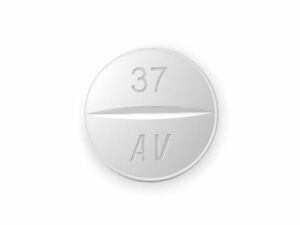
DDAVP (Desmopressin) – Patient-Friendly Guide (Australia)
DDAVP is a brand of desmopressin, a medicine that helps the body hold onto water and—depending on the condition— can also support normal blood clotting by promoting release of clotting factor activity. It is commonly used for conditions where the body produces too little antidiuretic hormone (ADH) or where additional treatment is needed to manage urine production.
This page explains what DDAVP is, how it works, what it’s used for, typical dosing schedules, important interactions (including food, alcohol, and other medicines), safety considerations, and practical tips for using it correctly.
Quick product facts
| Category | Details |
|---|---|
| Active ingredient | Desmopressin |
| Common forms (examples) | Tablets, oral melts (where available), and intranasal formulations |
| What it does | Reduces urine production by acting like ADH; supports clotting activity in relevant conditions |
| Main safety focus | Risk of low sodium (hyponatraemia) if too much water is taken |
| Key practical point | Follow fluid guidance closely—do not “compensate” by drinking extra fluids |
What is DDAVP?
DDAVP (desmopressin) is a synthetic version of the body’s antidiuretic hormone (ADH). In the kidneys, ADH signals the body to reabsorb more water back into the bloodstream. Desmopressin mimics this action.
Desmopressin is also used in certain bleeding disorders because it can increase the release of clotting-related factors from blood vessel lining cells.
How DDAVP works (mechanism of action)
DDAVP reduces urine output:
- Desmopressin acts on V2 receptors in the kidney (collecting ducts).
- This increases water reabsorption and leads to more concentrated urine and less urine volume.
DDAVP can support blood clotting in selected conditions:
- It promotes release of von Willebrand factor and factor VIII activity (mechanism varies by condition).
- This can help improve bleeding tendency in disorders where these factors are reduced.
Pharmacokinetics (how the body handles it)
Pharmacokinetics can vary based on formulation (tablet vs intranasal), individual factors, and the condition being treated. In general:
- Absorption: After dosing, desmopressin is absorbed and enters the bloodstream; intranasal absorption may be influenced by nasal health and technique.
- Distribution: It distributes into body fluids; effects are primarily exerted in the kidneys.
- Metabolism: Desmopressin is not extensively broken down in the liver like many other drugs.
- Elimination: The medicine is mainly eliminated via the kidneys. In people with impaired kidney function, dosing may require extra caution and specialist advice.
Because desmopressin works by changing water balance, it is essential to follow fluid intake guidance and dosing instructions.
Typical uses for DDAVP in Australia
DDAVP is used for a range of situations. Common indications include:
- Diabetes insipidus (central) (including in adults and children), where the body does not produce enough ADH.
- Nocturnal enuresis (bedwetting) in appropriate patients, typically after certain behavioural and clinical considerations.
- Primary nocturnal enuresis (age and eligibility depend on local guidance and product specifics).
- Bleeding disorders where desmopressin improves clotting factor activity (for example, selected von Willebrand disease subtypes or mild haemophilia A—depending on clinical assessment).
- Peri-procedural use in bleeding conditions under specialist haematology guidance (where appropriate).
Not every product form is suitable for every indication; your treating clinician and the product’s instructions determine the best option.
Timing and how to take DDAVP
Timing depends on the condition being treated and the formulation (tablet/oral melt vs intranasal). The key principles are:
- Take it at the times your prescriber and/or product instructions specify.
- Try to take doses consistently (for example, same time each evening for night-time indications).
- Watch fluids: because the medicine can cause the body to retain water, fluid intake may need limitation.
Example schedules (for understanding)
Schedules vary widely. Below are examples of timing patterns commonly seen, but your exact plan may differ.
- Diabetes insipidus: doses may be spread through the day and/or at night to match urine output needs.
- Nocturnal enuresis: commonly taken in the evening so it acts overnight.
- Bleeding disorders: timing is coordinated around procedure or bleeding events under specialist direction.
If you miss a dose, follow the guidance provided with your DDAVP product or from your healthcare team. Do not double up unless advised.
Food interactions
Food may affect absorption of certain oral forms of desmopressin. As a general principle:
- Check the specific product instructions for tablet/oral melt guidance.
- Some oral formulations may be less predictable with food; clinicians may recommend timing relative to meals to reduce variability.
If you notice changes in how well the medicine works (for example, changes in urine frequency), discuss this with your healthcare team. They may review dosing time and the form you’re using.
Alcohol interactions
Alcohol can increase the risk of dehydration in some situations, but it can also worsen sleep and may influence fluid balance behaviours (especially in night-time indications such as bedwetting).
More importantly, the main safety risk with DDAVP is low sodium caused by excessive water retention. Alcohol can indirectly affect hydration habits and monitoring. Consider:
- Avoid heavy alcohol intake unless your clinician has said it’s acceptable for you.
- Follow fluid guidance even if you drink alcohol—do not “make up” by drinking extra water.
Medicine interactions (including important considerations)
Several medicines can influence sodium levels, kidney function, or the way the body retains water. Always tell your healthcare team and pharmacist about all medicines you take, including supplements and over-the-counter products.
Medications that can increase the risk of hyponatraemia (low sodium)
Using DDAVP together with other drugs that affect water balance can raise the risk of hyponatraemia. These include, for example:
- Diuretics (especially certain types)
- Selective serotonin reuptake inhibitors (SSRIs) and some other antidepressants
- Carbamazepine
- Other medicines that can cause low sodium as a side effect
Kidney-related factors
- Medicines that reduce kidney perfusion or affect renal function may change desmopressin handling.
- Dehydration from vomiting, diarrhoea, fever, or intense exercise can also increase risk because the body’s water and salt balance becomes more unstable.
Talk to a pharmacist if you use any of the following
- Non-steroidal anti-inflammatory drugs (NSAIDs) and similar pain medicines
- Medicines for diabetes that affect fluids/sodium
- Any “cold/flu” or antiemetic medicines that may affect hydration or kidney function
- Herbal products marketed for water retention or diuresis
Because interaction risk depends on your specific health situation and formulation, a pharmacist can help check your medication list.
Indications and eligibility (what DDAVP is used for)
Below is a patient-friendly overview of common indications. Final suitability depends on your age, diagnosis, medical history, and the specific DDAVP product instructions.
1) Central diabetes insipidus
DDAVP reduces excessive thirst and frequent urination caused by low ADH.
2) Nocturnal enuresis (bedwetting) / primary nocturnal enuresis
DDAVP may reduce nighttime urine production to help reduce bedwetting episodes.
Important: successful treatment depends on correct use, appropriate fluid management, and safety monitoring.
3) Selected bleeding disorders
DDAVP may improve bleeding tendency by increasing specific clotting-related factors. It’s used under haematology direction for the appropriate condition and bleeding risk.
Dosing guidance (general information)
Dosing is highly individual. The dose and schedule depend on the indication, age, and response. Below are general principles and typical ranges seen in clinical practice; your DDAVP product instructions and clinician’s plan take priority.
General principles
- Start low and adjust carefully where appropriate.
- Monitor urine output and symptoms for diabetes insipidus and bedwetting.
- Monitor sodium levels when required, especially during initiation, dose changes, intercurrent illness, or risk situations.
- Do not increase the dose to “make it work faster” without medical advice.
Common dosing patterns by indication (examples)
| Indication | Typical timing pattern | What “success” looks like |
|---|---|---|
| Central diabetes insipidus | Often split doses throughout the day and/or at night | Stable fluid balance with reduced excessive thirst and urination |
| Nocturnal enuresis | Often taken in the evening to control nighttime urine production | Fewer bedwetting episodes overnight |
| Selected bleeding disorders | Timed around procedures/bleeding episodes under specialist direction | Improved clotting factor activity to reduce bleeding |
Form matters: tablets, oral melts, and intranasal products are not always interchangeable milligram-for-milligram. Follow the exact product directions provided with your DDAVP.
Safety profile and side effects
DDAVP is generally well tolerated when used correctly. However, because it affects water balance, the most important potential risk is hyponatraemia (low sodium). This can be serious.
Most important risk: hyponatraemia (low sodium)
Risk is increased if too much fluid is taken, if doses are too high, or during illness/dehydration where fluid and salt balance becomes unpredictable.
Seek urgent medical attention if severe symptoms occur:
- Severe headache
- Confusion or unusual behaviour
- Vomiting
- Drowsiness or reduced consciousness
- Seizures
Other possible side effects
Side effects can vary by individual and formulation. Common or reported effects may include:
- Nausea or stomach discomfort
- Headache
- Dizziness
- Flushing or mild reactions
- For intranasal forms: nasal irritation or nosebleeds (as applicable)
If you experience any worrying symptoms, stop and seek medical advice promptly (or emergency care if symptoms suggest serious hyponatraemia).
Who needs extra caution?
- People with risk factors for low sodium
- People with kidney problems
- Older adults (higher risk of electrolyte imbalance)
- Children, especially when fluid intake is not closely managed
- Anyone who develops vomiting, diarrhoea, fever, or significant dehydration
Practical use tips (to get the best results safely)
- Follow fluid instructions closely. If your clinician provided fluid limits, use them exactly. “Thirst” is not the same as “safe to drink” while on DDAVP.
- Measure and track outcomes if treating bedwetting or diabetes insipidus. For example, keep simple notes on night-time events or urine output.
- Be consistent with timing each day, particularly for bedtime dosing.
- Illness plan: when you’re sick with vomiting/diarrhoea/fever or you’re unable to drink normally, contact a healthcare professional for specific advice about continuing DDAVP.
- Intranasal technique matters: if using a nasal formulation, use the technique described in the product instructions. Avoid sharing the device and keep it clean as directed.
- Don’t mix with extra water: especially around dosing times. If thirst management is difficult, ask your pharmacist or clinician for a safe plan.
Alternatives to DDAVP
Alternative approaches depend on the indication. Your pharmacist or clinician can discuss options tailored to you. Possible alternatives include:
For central diabetes insipidus
- Other desmopressin formulations (different routes such as nasal vs oral) or adjusted dosing schedules
- In some cases, different supportive strategies for fluid and monitoring may be recommended
For nocturnal enuresis
- Behavioural strategies (motivational therapy, bladder training)
- Enuresis alarm therapy for suitable patients
- Other medication strategies depending on eligibility and clinician assessment
For bleeding disorders
- Specific haematology-directed treatments (for example, factor products or other measures depending on the diagnosis)
- Individualised periprocedural management plans
The “best” alternative depends on effectiveness, safety, convenience, and whether fluid management can be followed reliably.
DDAVP in the Australian market: legal and guidance context
In Australia, medicines are regulated by the Australian Government (including the Therapeutic Goods Administration, TGA) and are supplied through community pharmacies. DDAVP products may be subject to specific prescription and dispensing rules depending on formulation and indication. Availability can vary between strengths and dosage forms.
Clinical practice in Australia is guided by product information and relevant professional guidance for the specific condition (for example, paediatric enuresis management pathways, diabetes insipidus monitoring strategies, and haematology protocols for bleeding disorders).
Because DDAVP carries a known risk of hyponatraemia, up-to-date safety information from the product’s current documentation and healthcare team advice is important—particularly during initiation or dose changes.
Recent safety and monitoring focus (general themes)
Across many countries—including Australia—ongoing safety emphasis has included:
- Preventing hyponatraemia through careful dosing and fluid management
- Heightened caution for children and night-time indications, where fluid intake can unintentionally be higher (and symptoms may be hard to recognise)
- Re-evaluating dosing and considering sodium testing when clinically indicated, such as during illness or if symptoms occur
Always follow the directions included with your DDAVP product and the specific advice of your healthcare team.
Delivery and availability (online pharmacy)
DDAVP availability can vary by:
- Strength (dose)
- Formulation (tablets, oral melts, intranasal)
- Market supply and packaging
- Your location and delivery options
When ordering online, choose the exact DDAVP product that matches your current plan (including the same form and strength). If you’re unsure, contact a pharmacist before placing your order.
Delivery timelines depend on the pharmacy’s shipping service and local area. Many online pharmacies provide tracking updates once dispatched.
FAQ
1) What is DDAVP used for?
DDAVP (desmopressin) is used for conditions such as central diabetes insipidus, certain types of bedwetting (nocturnal enuresis), and selected bleeding disorders where it can improve clotting factor activity.
2) How long does DDAVP take to work?
The onset depends on the formulation and your condition. In night-time or urine-related indications, improvement is typically expected overnight when dosed correctly. If you’re not seeing expected benefit, discuss whether timing or formulation needs adjustment.
3) Can I drink normally while taking DDAVP?
Fluid advice is a critical part of DDAVP safety. Your clinician may give fluid limits—especially for nocturnal enuresis or higher-risk situations. Follow those instructions closely and do not exceed recommended intake.
4) What happens if I drink too much while on DDAVP?
Drinking excessive amounts of fluid can increase the risk of low sodium (hyponatraemia), which can become serious. If you suspect you’ve had too much fluid or notice severe symptoms (such as confusion, severe headache, vomiting, or seizures), seek urgent medical help.
5) Are tablet and intranasal DDAVP interchangeable?
Not usually. Different formulations are not necessarily equivalent in dose and absorption. Always use the same formulation and strength as directed, and confirm any changes with a pharmacist.
6) What should I do if I miss a dose?
Follow the missed-dose instructions provided with your DDAVP product or as advised by your healthcare team. In general, avoid doubling doses unless instructed.
7) Can DDAVP be taken with food?
Food may affect absorption of some oral formulations. Check your specific product instructions for whether to take with or without food, and aim for consistent timing from day to day.
8) Is it safe to take DDAVP with other medicines?
Many medicines can influence sodium balance or kidney function. It’s important to check interactions, especially with diuretics, antidepressants (such as SSRIs), carbamazepine, and other drugs that can lower sodium. Consult a pharmacist with your full medication list.
9) Are there signs I should stop and seek medical advice?
If you develop symptoms consistent with hyponatraemia—such as severe headache, confusion, persistent vomiting, unusual drowsiness, or seizures— seek urgent medical attention immediately.
10) What are practical tips for children using DDAVP for bedwetting?
Success and safety rely on correct dosing, careful evening fluid management, and close parent/guardian monitoring. If your child becomes unwell (vomiting, diarrhoea, fever) or you’re unsure about continuing DDAVP, contact a healthcare professional for advice.