Glyburide (Glibenclamide) – Patient Guide
Glyburide is a diabetes medicine used to help lower blood glucose (sugar) in adults with type 2 diabetes. This guide explains how it works, how it’s typically taken, food and alcohol interactions, safety considerations, and practical tips to support everyday use in Australia.
Note: People respond differently to diabetes medicines. Always follow the instructions given by your healthcare professional and read the consumer medicine information (CMI) supplied with your product.
Basic product information
| Category | Details |
|---|---|
| Generic name | Glyburide (also known as glibenclamide) |
| Medicine class | Oral sulfonylurea (blood glucose–lowering medicine) |
| Uses | Type 2 diabetes (as part of a diabetes care plan) |
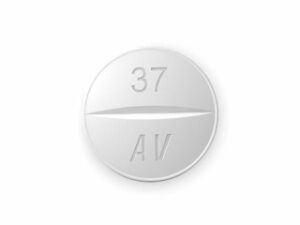
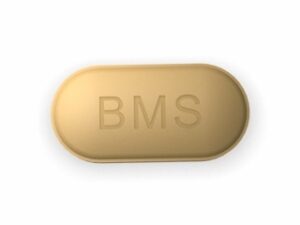
| Typical form | Tablets (strength varies by brand) |
| Key safety issue | Hypoglycaemia (low blood sugar), especially with missed meals or other medicines |
What is glyburide used for?
Glyburide helps manage type 2 diabetes by improving insulin release from the pancreas and reducing blood glucose. It is used when diet, weight management, and physical activity alone are not enough to control blood sugar.
Indications (who it’s for)
- Adults with type 2 diabetes who require additional glucose control.
- Often used when other treatments are not suitable, not sufficient, or based on individual clinical factors.
Glyburide is generally not used for type 1 diabetes, and it is not the usual treatment for diabetic ketoacidosis.
How it works: mechanism of action
Glyburide belongs to the sulfonylurea class. It works primarily by:
- Stimulating insulin release: It binds to receptors on pancreatic beta cells, helping the cells release insulin.
- Improving glucose uptake: Increased insulin helps move glucose from the blood into tissues and reduces production/release of glucose by the liver (to a lesser extent, depending on overall metabolic conditions).
Because glyburide increases insulin secretion, the risk of hypoglycaemia is an important safety consideration, particularly when meals are delayed, reduced, or skipped.
Pharmacokinetics (how the body handles glyburide)
“Pharmacokinetics” describes what the body does to a medicine—absorption, distribution, metabolism, and elimination. While product-specific details can vary, the following principles apply to glyburide:
- Absorption: Glyburide is absorbed after oral administration. Taking it at the right time relative to meals can influence blood sugar response.
- Onset and duration: The blood glucose–lowering effect typically develops within a few hours. The effect often persists long enough that meal timing and consistent routine matter.
- Metabolism: It is metabolised in the liver, producing inactive or less active metabolites.
- Elimination: Metabolites are eliminated largely via the biliary and renal routes (through bile and urine), depending on individual factors.
If you have liver or kidney impairment, medicine handling can be affected, increasing the risk of side effects such as hypoglycaemia. Your healthcare professional may adjust dosing or choose an alternative.
Typical use and timing
Glyburide is usually taken with or shortly before food to reduce the likelihood of low blood sugar. The exact timing depends on your individual dosing plan and the specific product strength.
When to take your dose
- Take with the first main meal of the day if prescribed once daily (common practice for some regimens).
- For split dosing (e.g., twice daily), take each dose with or before your respective meals. Try to keep the timing consistent day to day.
If you miss a meal or it’s significantly delayed, do not “try to catch up” by taking doses differently without advice. Instead, follow your healthcare professional’s guidance on missed doses and hypoglycaemia prevention.
Food interactions
Food timing is particularly important with glyburide because its insulin-stimulating effect may continue even if you eat less.
What to know
- Do not skip meals when you are taking glyburide.
- Carbohydrate intake matters: If you reduce carbohydrate substantially (for example, very low-carb diets) without adjusting diabetes medicines, the risk of hypoglycaemia may increase.
- Consistent routine helps: Regular meal timing can reduce glucose swings.
Practical examples
- If you’re running late for lunch, consider having a planned snack/meal if it’s part of your diabetes plan.
- If appetite is poor due to illness, ask your healthcare professional about whether to adjust dosing.
Alcohol interactions
Alcohol can increase the risk of hypoglycaemia with sulfonylureas like glyburide and can also interfere with diabetes management.
General guidance
- Avoid binge drinking and take care with timing—especially if you drink on an empty stomach.
- Be cautious when ill or eating less: Alcohol may worsen low blood sugar risk.
- Monitor glucose more frequently if you choose to drink and you have a way to test. Keep fast-acting carbohydrate available if advised by your healthcare professional.
If you’re unsure whether alcohol is safe for you, ask your healthcare professional for personalised advice.
Medicine interactions (other medicines that may affect safety)
Glyburide can interact with other medicines, potentially increasing or decreasing its glucose-lowering effect. Always inform your healthcare professional about all medicines you take, including over-the-counter products and supplements.
Medicines that may increase hypoglycaemia risk
- Other glucose-lowering medicines (e.g., insulin, metformin, some GLP-1 receptor agonists, DPP-4 inhibitors, SGLT2 inhibitors): combined effects may require dose adjustments.
- Certain antibiotics or antimicrobial medicines can alter blood glucose control in some people.
- Some heart and blood pressure medicines may mask warning symptoms of low blood sugar in certain cases.
Medicines that may reduce glyburide’s effect (higher glucose)
- Corticosteroids (e.g., prednisolone) can raise blood glucose levels.
- Some diuretics (water tablets) may affect glucose control indirectly.
- Hormonal medicines can sometimes change glucose levels.
When to seek advice
Contact a healthcare professional if you start, stop, or change dose of any medicine—especially if you notice changes in glucose readings, symptoms of hypoglycaemia, or symptoms of high blood sugar.
Dosing: how glyburide is usually started and adjusted
Dosing should be individualised. Your healthcare professional may start with a low dose and gradually adjust it based on:
- Your blood glucose readings (home testing if you do it)
- Your HbA1c results
- Meal patterns, kidney function, age, and risk of hypoglycaemia
General dosing principles
- Start low and adjust slowly to reduce hypoglycaemia risk.
- Use consistently: taking doses at irregular times may increase glucose variability.
- Do not increase quickly without medical review.
The exact strength and regimen (once daily or split doses) vary by product and patient factors. Follow the dose written on your label or your clinician’s instructions.
If you miss a dose
If you miss a dose, the best action depends on your dosing schedule and your meal timing. For many medicines in this class, patients are advised not to double up. Follow the instructions provided with your medicine or seek advice from your healthcare professional if unsure.
Safety profile: side effects and when to get help
Glyburide can be effective, but safety—especially low blood sugar—is important.
Common or notable side effects
- Hypoglycaemia (low blood sugar) – the most important risk.
- Weight gain can occur with sulfonylureas in some people.
- Headache or dizziness may occur, sometimes related to glucose changes.
- Gastrointestinal upset may occur in some patients.
- Skin reactions (less common) such as rash or itching.
Recognising hypoglycaemia
Symptoms can vary. Early warning signs may include:
- Shaking, sweating, feeling anxious or “on edge”
- Hunger
- Dizziness or light-headedness
- Blurred vision
- Palpitations
Severe hypoglycaemia can include confusion, inability to eat or drink, fainting, seizures, or loss of consciousness.
What to do if low blood sugar occurs
- Take fast-acting carbohydrate (e.g., glucose tablets/gel or sugar-containing drink) if you are able to swallow safely.
- Recheck blood glucose if you can, and repeat carbohydrate if needed (follow your action plan).
- If you become unconscious or can’t take sugar by mouth, urgent medical assistance may be required. Keep your local emergency plan in mind.
Ask your healthcare professional about whether you should carry glucose and whether a hypoglycaemia action plan is recommended for you.
When to seek urgent help
- Severe symptoms of hypoglycaemia (confusion, seizure, collapse, unconsciousness).
- Signs of a serious allergic reaction: swelling of face/lips, breathing difficulty, widespread rash.
- Symptoms of very high blood sugar: extreme thirst, frequent urination, nausea/vomiting, drowsiness, or rapid breathing.
Practical use tips for everyday life
Small routines can make glyburide safer and easier to manage. The tips below may help:
Make timing predictable
- Take doses with meals as directed.
- Keep meal times similar when possible.
- Plan ahead for work shifts, travel, or days when you might eat later than usual.
Know your meal plan
- If you follow a specific diet plan, discuss it with your healthcare professional to ensure dosing remains appropriate.
- Be cautious with sudden major dietary changes—particularly reduced carbohydrate intake.
Consider home glucose monitoring
- If you monitor blood glucose, review patterns rather than single readings and discuss them at your next appointment.
- If your readings are low or you have symptoms, seek advice promptly—do not wait for the next routine visit.
Be extra careful during illness
Illness can change eating patterns and glucose control. You may be less likely to eat normally, increasing hypoglycaemia risk. Ask your healthcare professional for “sick day” guidance.
Keep a medication list
- Carry a list of your medicines, especially if you need urgent care.
- Include any insulin or other glucose-lowering agents you use.
Alternative diabetes options
Diabetes management is individual. If glyburide isn’t suitable or doesn’t provide adequate control, there are other treatment options. Your healthcare professional will consider your overall health, kidney function, cardiovascular risk, weight goals, and risk of hypoglycaemia.
Common alternatives (examples)
- Metformin (often first-line in type 2 diabetes, depending on suitability).
- DPP-4 inhibitors (e.g., sitagliptin, vildagliptin).
- GLP-1 receptor agonists (e.g., liraglutide, semaglutide) – injectable options.
- SGLT2 inhibitors (e.g., empagliflozin, dapagliflozin) – oral options.
- Insulin for some people when control is not achieved or during certain clinical situations.
- Other sulfonylureas (some patients may be switched within the class based on tolerance and dosing needs).
Switching medicines should always be planned with your healthcare professional to avoid gaps in control or excessive hypoglycaemia risk.
Market and legal context in Australia
In Australia, medicines are regulated by the Therapeutic Goods Administration (TGA). The classification of diabetes medicines (including oral glucose-lowering drugs) may require supply under specific conditions. Availability may vary by brand, strength, and local supply arrangements.
Online pharmacies that operate in Australia typically provide medicines in accordance with Australian laws and relevant regulatory requirements. Always ensure you purchase from a licensed/authorised supplier and follow the information on the product packaging.
Recent guidance and updates (what to watch for)
Diabetes treatment recommendations evolve based on new clinical evidence and updates to prescribing information. In general, modern diabetes care places emphasis on:
- Individualised treatment plans based on HbA1c, hypoglycaemia risk, weight considerations, and comorbidities.
- Using medicines with proven benefits for patients at higher cardiovascular or kidney risk (where appropriate).
- Regular review of glycaemic control and side effects.
If you’ve been prescribed glyburide for some time, it’s still important to have periodic reviews to confirm it remains the best option for you.
Delivery and availability (online pharmacy)
Availability of glyburide can depend on stock levels, tablet strengths, and brand variations. When ordering online in Australia, you may see:
- Estimated delivery times displayed at checkout.
- Cold-chain considerations: typically not needed for tablets, but follow the product packaging instructions.
- Packaging: medicines are usually supplied in original, labelled packs to help ensure correct identification.
If you need your medicine urgently (e.g., while travelling or close to running out), contact the pharmacy or check stock status before ordering.
Buying safely: what to confirm before you place an order
- Correct strength and formulation: Check the label for the mg strength.
- Expiry date: Ensure products have sufficient shelf life.
- Allergy history: If you’ve reacted to sulfonylureas or related ingredients, confirm suitability.
FAQ – Glyburide
1) Is glyburide the same as glibenclamide?
Glyburide is commonly used as another name for glibenclamide in many contexts. Products may list one or the other—check the active ingredient on your packaging to confirm.
2) How quickly will glyburide lower my blood sugar?
Glyburide can begin working within a few hours after taking a dose. The full effect and the best dosing schedule are confirmed over time using glucose readings and HbA1c measurements.
3) What are the most common signs that my blood sugar is too low?
Common signs include sweating, shaking, hunger, dizziness, blurred vision, palpitations, and anxiety. If you have symptoms, treat promptly with fast-acting carbohydrate if appropriate.
4) Can I take glyburide if I’m not eating?
Generally, you should avoid taking sulfonylureas without eating, because missed meals increase hypoglycaemia risk. If you’re unable to eat, speak with your healthcare professional for specific guidance.
5) Is alcohol safe with glyburide?
Alcohol may increase hypoglycaemia risk and make glucose control harder. If you choose to drink, avoid empty stomach drinking and be especially cautious. Ask your healthcare professional if alcohol is appropriate for you.
6) What medicines commonly interact with glyburide?
Interactions can occur with other glucose-lowering medicines (increasing hypoglycaemia risk) and with medicines that can change glucose levels (such as corticosteroids) or affect symptoms. Always review all medicines you take with your healthcare professional or pharmacist.
7) What should I do if I miss a dose?
Follow the instructions provided with your medicine. In many cases, doubling up is not recommended. Because your meal timing matters, it’s safest to ask your pharmacist or healthcare professional for guidance specific to your regimen.
8) Who should be extra cautious when using glyburide?
People at higher risk of hypoglycaemia—such as older adults, those with kidney impairment, those with irregular meal patterns, or those taking other glucose-lowering medicines—may require extra caution and close monitoring.
9) Are there alternatives if glyburide doesn’t suit me?
Yes. Treatment options for type 2 diabetes include several medicine classes and insulin in some cases. Your healthcare professional can recommend alternatives based on your blood glucose targets, comorbidities, and risk profile.
10) How often should my diabetes treatment be reviewed?
Typically, HbA1c and treatment tolerability are reviewed regularly (often every few months, depending on your plan). Hypoglycaemia, changing health status, new medicines, and changes in lifestyle may require earlier review.
Summary
Glyburide is an oral sulfonylurea used to help lower blood glucose in adults with type 2 diabetes. It stimulates insulin release, which is why consistent meal timing is crucial. The main safety concern is hypoglycaemia, so it’s important to take glyburide with food as directed, monitor for symptoms, and consider interactions with alcohol and other medicines.