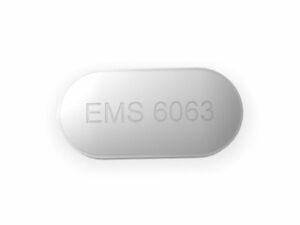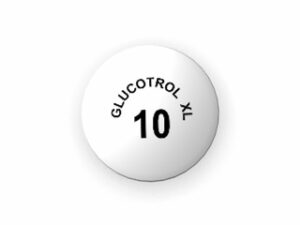

Glycomet (Metformin) – Patient Guide (Australia)
Glycomet is a brand of metformin, a medicine widely used to help manage blood glucose (sugar) in people with type 2 diabetes. It works by improving the way your body uses and produces glucose. Many people take metformin long-term because it is well established, generally well tolerated, and helps reduce blood glucose levels.
This guide explains how Glycomet works, how it’s taken, what to expect, important safety information, and practical tips. It also covers interactions, alcohol considerations, and relevant Australia-focused guidance for diabetes care.
Quick Facts
- Active ingredient: Metformin (usually available as immediate-release or modified-release forms depending on the product)
- Common uses: Type 2 diabetes management; sometimes used in specific prediabetes or off-label specialist contexts
- How it helps: Lowers blood glucose mainly by reducing liver glucose production and improving insulin sensitivity
- Key considerations: Taking with food may reduce stomach side effects; alcohol and kidney problems require extra caution
- Monitoring: Kidney function and vitamin B12 levels may be monitored during long-term use
What Glycomet (Metformin) Is
Glycomet contains metformin, an oral medicine from the biguanide class. It is used to treat type 2 diabetes by lowering blood sugar and improving metabolic control. Metformin is often a first-line option for people with type 2 diabetes, alongside healthy eating, physical activity, and other diabetes treatments if needed.
In Australia, metformin is commonly supplied through pharmacies under various brand names and generic forms. Exact tablet strengths and the release type (immediate-release vs modified-release) depend on the specific product.
How It Works (Mechanism of Action)
Metformin primarily improves blood glucose control by:
- Reducing glucose production in the liver (so less glucose is released into the bloodstream)
- Improving insulin sensitivity (so your body uses insulin more effectively)
- Reducing intestinal glucose absorption (to a smaller degree)
- Improving glucose uptake by certain tissues
Unlike some other diabetes medicines, metformin by itself usually does not cause hypoglycaemia (low blood sugar) because it doesn’t directly force the pancreas to release extra insulin. However, risk can increase if metformin is combined with other glucose-lowering medicines (such as insulin or sulfonylureas).
Pharmacokinetics (How the Body Handles It)
Pharmacokinetics describes how the medicine is absorbed, distributed, metabolised, and eliminated.
Absorption
- Metformin is absorbed from the gastrointestinal tract.
- Taking it with food can improve tolerance and may affect absorption rate.
Distribution
- Metformin distributes into body tissues and has a tendency to accumulate in the gastrointestinal tract and liver.
Metabolism
- Metformin is not significantly metabolised in the body.
Elimination
- Metformin is cleared mainly by the kidneys via renal excretion.
- This is why kidney function matters for safe dosing and ongoing use.
Typical Uses in Australia
Glycomet (metformin) is used for:
- Type 2 diabetes mellitus: As part of glucose management, often alongside lifestyle changes.
- Combination therapy: When one medicine is not enough to reach target glucose levels, metformin may be combined with other agents.
- Selected clinical scenarios: Your healthcare professional may consider metformin for particular risk profiles or early stages of dysglycaemia in line with local guidance and clinical judgement.
Always follow the plan agreed with your healthcare team, including diet, exercise, and monitoring schedules.
When and How to Take Glycomet (Timing)
Timing can vary depending on the formulation and your personal plan. The guidance below is general and patient-friendly.
General timing tips
- Take with meals (or right after meals) to reduce stomach upset.
- Start low and go slow if you’re new to metformin—this can help minimise side effects.
- Try to take doses at consistent times each day.
- If you miss a dose, do not double to catch up—take the next dose at the usual time.
Immediate-release vs modified-release
Some metformin products are designed to release medicine quickly (immediate-release) and others slowly (modified-release). Your dosing schedule may differ:
- Immediate-release is often taken 2–3 times daily depending on the regimen.
- Modified-release is often taken once daily (or as directed) and should be swallowed whole if that is how it’s made to be taken.
Important: Follow the instructions on your specific product label and your healthcare professional’s direction. Do not switch between immediate-release and modified-release without guidance.
Food Interactions and Dietary Considerations
Metformin’s main “food interaction” is about tolerability rather than a dangerous chemical interaction.
- Taking with food: Often reduces nausea, diarrhoea, or abdominal discomfort.
- High-fibre or consistent meal patterns: May help some people maintain better gastrointestinal comfort, though this varies.
- Alcohol with meals: Increases overall risk because alcohol can worsen dehydration and affect glucose control.
If you experience persistent stomach symptoms, discuss options such as dose adjustment, taking with larger meals, or switching to a modified-release formulation (where appropriate).
Alcohol and Medicine Interactions
Alcohol deserves special attention with metformin. The main concern is the risk of lactic acidosis, a rare but serious condition where lactic acid builds up in the bloodstream.
General alcohol guidance
- Limit alcohol and avoid binge drinking.
- If you drink, keep it moderate and ensure you are well hydrated and eating regularly.
- Avoid alcohol when you are unwell, fasting, dehydrated, or not eating properly.
When to be extra cautious
Extra caution is important if you have:
- Kidney impairment
- Liver disease
- Severe infection or dehydration
- Low oxygen levels (e.g., severe breathing problems)
For personalised advice, ask your healthcare professional or pharmacist about your typical alcohol intake and any other medicines you take.
Other Medicine Interactions
Metformin can interact with other medicines, mainly by affecting kidney function, glucose control, or the risk of acid build-up. Some interactions are well recognised in clinical practice.
Common interaction categories
- Medicines that affect kidney function (e.g., some blood pressure medications and diuretics): may change how metformin is cleared.
- Contrast dyes for imaging (iodinated contrast): may require temporary changes to metformin in certain situations to reduce risk during kidney-stress.
- Other glucose-lowering medicines (e.g., insulin, sulfonylureas): may increase the likelihood of hypoglycaemia.
- Medicines affecting vitamin B12: long-term metformin can lower B12 levels; other factors may contribute.
Tell your pharmacist or doctor if you use
- Any prescription medicines
- Any complementary medicines or supplements
- Frequent use of pain relief medications (especially if dehydration is possible)
Do not stop or start medicines without advice, particularly if you use multiple treatments for diabetes.
Indications (What Glycomet Is Indicated For)
Glycomet (metformin) is indicated for the management of:
- Type 2 diabetes (as monotherapy or in combination with other glucose-lowering medicines, depending on clinical needs).
Exact indications and eligibility can vary by product and individual clinical context. Your healthcare professional can confirm what applies to you.
Dosing Information (General Guidance)
Dosing depends on kidney function, age, the formulation (immediate-release vs modified-release), and your treatment goals. The information below is general and does not replace personalised dosing instructions.
Typical approach
- Start with a low dose to reduce gastrointestinal side effects.
- Increase gradually based on blood glucose response and tolerability.
- Some people need dose adjustments if they experience persistent diarrhoea or nausea.
Kidney function matters
Because metformin is cleared by the kidneys, dosing may be reduced or avoided if kidney function is significantly reduced. Your clinician may check your estimated glomerular filtration rate (eGFR) before and during treatment.
Missed dose
- If you miss a dose, take it when you remember unless it’s close to the next dose.
- Do not take two doses at once.
Practical tip: Use a daily medication reminder and keep a consistent routine around meals.
Safety Profile and Side Effects
Most people tolerate metformin well, especially when taken with food and started gradually. Side effects are often dose-related and improve over time.
Common side effects
- Gastrointestinal symptoms such as nausea, diarrhoea, abdominal discomfort, bloating
- Metallic taste (sometimes reported)
Less common but important risks
- Vitamin B12 deficiency: can occur with long-term use. Symptoms of deficiency may include fatigue, weakness, numbness, or tingling.
- Lactic acidosis (rare): a serious condition associated with high lactic acid levels, particularly in people with severe kidney impairment, dehydration, heavy alcohol use, or acute illness.
Seek urgent medical attention if
Stop and seek urgent medical advice if you experience symptoms suggestive of lactic acidosis, such as:
- Severe weakness or unusual muscle pain
- Fast or deep breathing
- Unusual sleepiness or dizziness
- Abdominal pain with vomiting
- Feeling very unwell, especially during an illness
While these events are uncommon, it’s important to know the warning signs.
Practical Use Tips for Better Tolerance
- Take with meals: especially your largest meal if that suits your routine.
- Increase slowly: do not accelerate dose changes unless your clinician advises.
- Hydrate: dehydration increases the risk of complications.
- Monitor your glucose: keep track of blood sugar as recommended to gauge effectiveness.
- Watch for B12 symptoms: discuss testing if you have tingling, numbness, or persistent fatigue.
- Be “sick-day aware”: if you become very unwell (vomiting, diarrhoea, fever, unable to eat/drink), contact your healthcare professional about whether to temporarily pause metformin.
Recent Guidance and Clinical Considerations (Australia)
Diabetes management guidelines evolve as new evidence becomes available. In Australia, diabetes care commonly follows evidence-based recommendations from leading diabetes organisations and professional bodies. While exact details depend on your circumstances, several current themes are widely emphasised:
- Individualised targets: glucose targets and treatment intensity are tailored to age, comorbidities, and risk of hypoglycaemia.
- Kidney assessment: kidney function evaluation is important for safe metformin use and dosing decisions.
- Vitamin monitoring: long-term metformin may require periodic vitamin B12 monitoring in appropriate patients.
- Sick-day planning: many clinicians advise temporary holding of certain medicines during significant acute illness, dehydration, or reduced intake—particularly where kidney stress is possible.
- Medication review: interactions and side-effect management are regularly reviewed in routine diabetes care.
For the most up-to-date guidance relevant to you, consult your pharmacist or treating clinician, especially if your kidney function changes or you experience recurrent side effects.
Delivery and Availability in Australia
Glycomet (metformin) is widely available through pharmacies and many online pharmacy services across Australia. Availability may vary depending on:
- Tablet strength (e.g., common strengths differ by product and manufacturer)
- Formulation type (immediate-release vs modified-release)
- Packaging (e.g., blister packs or bottles)
When ordering online, you can typically expect delivery options that may include:
- Standard delivery for non-urgent orders
- Express delivery where available
- Tracking on dispatch for many services
Note: Delivery timeframes and eligibility may depend on your location and stock availability. Check the product page at checkout for current shipping options.
Alternative Options
If metformin is not suitable or not tolerated, healthcare professionals may consider alternatives. Options can include other glucose-lowering medicines or different metformin formulations.
Within the metformin family
- Modified-release metformin (often used to improve gastrointestinal tolerability)
- Different brands or tablet strengths to match your dosing needs
Other diabetes medicine classes
Depending on your health profile (including kidney function, cardiovascular status, and risk of hypoglycaemia), clinicians may use medicines such as:
- GLP-1 receptor agonists
- SGLT2 inhibitors
- DPP-4 inhibitors
- Insulin (in some cases)
- Sulfonylureas or other options as appropriate
Choice depends on benefits, side-effect profiles, personal goals, and local clinical guidance.
Frequently Asked Questions (FAQ)
1) Is Glycomet the same as metformin?
Yes. Glycomet is a brand name that contains metformin as the active ingredient. Different brands may have different tablet strengths and release types.
2) How long does it take to work?
Metformin can start lowering blood glucose within days, but the full effect on overall diabetes control is usually assessed over weeks. Your clinician may adjust the dose based on your glucose readings and HbA1c results.
3) Can I take it with food?
Yes—taking metformin with meals is often recommended to improve stomach comfort. If you’ve had nausea or diarrhoea, discuss your timing with a pharmacist; changes such as taking with your largest meal may help.
4) Does metformin cause weight gain or weight loss?
Metformin is generally considered weight-neutral for many people. Some individuals may experience modest weight loss, especially early on, while others notice minimal change. Diet and activity remain key drivers.
5) What should I do if I get diarrhoea or stomach cramps?
Stomach side effects are common at the start and often improve. Taking doses with food, staying hydrated, and allowing time for your body to adjust can help. If symptoms are severe, persistent, or affect daily life, contact a healthcare professional—dose adjustment or modified-release options may be considered.
6) Will Glycomet cause low blood sugar?
Metformin alone typically does not cause hypoglycaemia. However, low blood sugar can occur when metformin is combined with other glucose-lowering medicines such as insulin or sulfonylureas. Know the signs of hypoglycaemia and follow your diabetes management plan.
7) Can I drink alcohol while taking metformin?
Moderation is advised, and binge drinking should be avoided. If you’re unwell, dehydrated, or not eating properly, it’s best to avoid alcohol and seek advice. Alcohol increases risk factors for serious complications.
8) Do I need kidney tests?
Often yes. Because metformin is cleared by the kidneys, clinicians may check kidney function (e.g., eGFR) before starting and periodically during treatment.
9) Why is vitamin B12 monitoring discussed?
Long-term metformin use can reduce vitamin B12 levels in some people. Testing may be considered—especially if you have symptoms suggestive of deficiency.
10) What if I need an X-ray/CT with contrast dye?
Some imaging contrast agents may temporarily affect kidney function. Ask your healthcare professional or pharmacist how to handle metformin around the time of contrast. They will advise whether a temporary hold is appropriate based on your kidney function and the specific scan.
Product Information Summary Table
| Category | Details (Patient-Friendly) |
|---|---|
| Brand | Glycomet (metformin) |
| Medicine class | Biguanide |
| Main role | Helps lower blood glucose in type 2 diabetes |
| How it works | Reduces liver glucose output and improves insulin sensitivity |
| How the body clears it | Primarily via the kidneys (kidney function is important) |
| How to take | Usually with meals; timing depends on formulation |
| Common side effects | Nausea, diarrhoea, abdominal discomfort (often early on) |
| Key precautions | Kidney problems, dehydration/acute illness, and excessive alcohol use |
| Important monitoring | Kidney function; consider vitamin B12 monitoring for long-term use |
When to Talk to Your Pharmacist or Doctor
Reach out for advice if:
- You experience ongoing or severe gastrointestinal side effects
- You have symptoms that could suggest vitamin B12 deficiency
- You develop an acute illness involving vomiting, diarrhoea, fever, or reduced food and fluid intake
- Your kidney function changes or you have known kidney disease
- You plan to undergo imaging with contrast
- You are unsure whether alcohol is appropriate for your personal risk level
For safe and effective use, it’s helpful to keep a complete list of your medicines (including supplements) and share it with your pharmacist or clinician.
Disclaimer: This information is general and does not replace medical advice tailored to your situation. Always refer to your product packaging and the guidance provided by your healthcare professional.