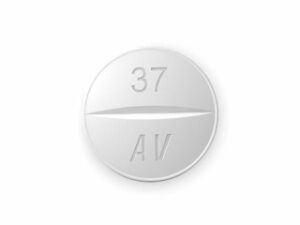


Actoplus Met (Metformin Hydrochloride) – Patient Information
Actoplus Met contains metformin hydrochloride, a medicine widely used to improve blood sugar control in people with type 2 diabetes. This page is designed to help you understand what the medicine is for, how it works, how to take it, and what safety information to consider. Always follow the instructions provided by your doctor and the product label.
Note: Product availability and exact formulations can vary by brand and local regulations in Australia. For the most current information, refer to the consumer medicine information (CMI) leaflet supplied with the product.
Basic product information
- Active ingredient: Metformin hydrochloride
- Medicine type: Oral anti-diabetic medicine (biguanide class)
- Common therapeutic use: Management of type 2 diabetes
- Typical dosage forms: Tablets (strengths vary by product/brand presentation)
What Actoplus Met is used for (typical use)
Metformin helps lower blood glucose levels and improve insulin sensitivity. It is commonly used in people with type 2 diabetes, either:
- As monotherapy (when suitable), especially if lifestyle measures alone are not enough
- In combination with other glucose-lowering medicines if additional control is needed
In some individuals, metformin may be used to support metabolic health alongside diet, weight management and physical activity. Your personal treatment plan depends on your blood sugar results, kidney function and other health conditions.
Indications (when it may be appropriate)
Metformin is indicated for:
- Type 2 diabetes mellitus to improve glycaemic control
- In certain care plans, as part of combination therapy to reach target HbA1c and fasting/post-meal glucose
Your clinician will consider factors such as kidney function and overall risk profile before choosing or continuing metformin.
How Actoplus Met works (mechanism of action)
Metformin primarily lowers blood glucose by:
- Reducing glucose production by the liver (decreases hepatic gluconeogenesis)
- Improving insulin sensitivity in peripheral tissues
- Increasing glucose uptake and utilisation in muscle
- Often producing a relatively low risk of hypoglycaemia when used alone because it does not typically drive the pancreas to release extra insulin
Over time, improved insulin sensitivity and reduced liver glucose output help lower fasting and post-meal blood sugar, contributing to better overall HbA1c (a measure of long-term blood glucose control).
Pharmacokinetics (how the body handles metformin)
Understanding pharmacokinetics can help explain how metformin behaves in the body:
- Absorption: Metformin is absorbed from the gastrointestinal tract. Food can influence the rate of absorption and may reduce gastrointestinal side effects.
- Distribution: It distributes into body tissues; it is not extensively metabolised in the body.
- Metabolism: Metformin is not significantly metabolised.
- Elimination: The kidneys eliminate metformin primarily via renal excretion. Kidney function is critical for safe use.
- Half-life: The elimination half-life is typically around several hours (exact values vary by formulation and patient factors).
Key safety implication: Because metformin is cleared by the kidneys, reduced kidney function can increase metformin levels and raise the risk of adverse effects.
When to take Actoplus Met (timing)
Timing depends on your prescribed regimen. In general:
- Take with meals to reduce stomach upset, especially during the first weeks.
- If you take it twice daily, many people take doses with breakfast and dinner (or as directed).
- If it’s prescribed three times daily, you may be advised to take it with meals throughout the day.
Be consistent: Taking your doses at similar times each day can help maintain stable blood sugar control.
Food interactions and what to expect
Metformin is generally recommended with or after food to minimise gastrointestinal effects such as:
- nausea
- diarrhoea
- abdominal discomfort
- loss of appetite
Food does not typically “cancel out” metformin’s effects, but taking it with meals can improve tolerability.
Alcohol and food safety
Metformin and alcohol both affect metabolism. Alcohol can increase the risk of lactic acidosis (a rare but serious condition) in susceptible people, especially with:
- binge drinking
- heavy or frequent alcohol intake
- fasting or poor oral intake
- significant liver disease
- severe infection or dehydration
Practical guidance: Keep alcohol intake moderate and follow advice from your healthcare professional. If you plan to drink alcohol, discuss a safe limit and timing with your clinician.
Medicine interactions (alcohol and other drugs)
Tell your doctor or pharmacist about all medicines you take, including over-the-counter products, vitamins, herbal supplements and any imaging contrast you may require. Some interactions can change metformin levels or affect blood sugar control.
Common interaction considerations
- Other glucose-lowering medicines: When combined with insulin or sulfonylureas, there may be an increased risk of hypoglycaemia. Monitor symptoms and blood glucose as advised.
- Medicines that may affect kidney function: Some drugs can impair kidney function or alter fluid balance, which may affect metformin clearance.
- Diuretics (water tablets): Can affect hydration status and kidney function.
- Non-steroidal anti-inflammatory drugs (NSAIDs): If used frequently or at high doses, may affect kidney function in certain people.
- Contrast media for imaging: Metformin may be temporarily withheld in certain situations involving iodinated contrast, especially if kidney function is reduced or there are additional risk factors. Your clinician will advise the correct plan.
Alcohol interactions
As mentioned above, avoid heavy alcohol consumption. If you drink alcohol, do so carefully and avoid drinking when you are unwell, dehydrated, fasting, or not eating adequately.
Dosing: how much is usually taken
Only your healthcare professional can determine the correct dose for you. Dosage may be adjusted based on kidney function, blood sugar results, tolerability and your current treatment.
General dosing approach (typical clinical practice)
- Starting dose: Often begins low to reduce gastrointestinal side effects.
- Titration: The dose is usually increased gradually over time based on HbA1c and blood glucose readings and tolerability.
- Maintenance dose: The final dose is individualised.
Kidney function limits: Metformin dosing must be guided by your estimated glomerular filtration rate (eGFR) or other kidney assessment. If your kidney function changes, your dose may need review.
Practical tip on dose changes
If you miss a dose, do not take a double dose to “catch up.” Take your next scheduled dose and contact your pharmacist or doctor for advice if you are unsure.
Safety profile (important warnings and side effects)
Most people tolerate metformin well, but like all medicines it can cause side effects. The most important safety considerations include gastrointestinal effects and the rare risk of lactic acidosis.
Common side effects
- Gastrointestinal symptoms: nausea, diarrhoea, abdominal discomfort, bloating, flatulence
- Metallic taste or reduced appetite
These effects are often most noticeable at the start and typically improve as your body adjusts, particularly when taken with meals and when doses are increased gradually.
Serious but rare risk: lactic acidosis
Lactic acidosis is rare, but it is serious and requires urgent medical attention. Risk is increased in situations such as significant kidney impairment, dehydration, severe infection, heavy alcohol intake, or conditions that reduce oxygen supply to tissues.
Seek urgent help immediately if you develop symptoms such as:
- unusual muscle pain
- trouble breathing
- severe weakness or marked tiredness
- stomach pain with persistent nausea and vomiting
- dizziness or feeling faint
- sleepiness or unusual drowsiness
Vitamin B12 deficiency
Long-term metformin use can reduce vitamin B12 levels in some people. This may contribute to anaemia or nerve-related symptoms such as tingling or numbness.
- Discuss periodic monitoring with your clinician, especially if you have symptoms of anaemia or neuropathy.
- Do not start supplements unless advised, but ask whether B12 testing or supplementation is appropriate for you.
Contraindications and precautions (high-level)
Metformin may not be suitable or may require special caution in certain situations, including:
- Significant kidney impairment (dose limits or discontinuation may apply)
- Severe dehydration or severe illness with reduced oral intake
- Liver disease or conditions that increase lactic acidosis risk
- Situations requiring temporary changes around procedures (e.g., contrast imaging), as directed
Your clinician may also consider other diabetes medicines you use and your overall cardiovascular and metabolic risk profile.
Practical use tips to improve comfort and results
- Start low, go slow: If you’re newly starting metformin, gradual dose increases often help reduce stomach upset.
- Take with meals: This is one of the easiest ways to reduce side effects.
- Stay hydrated: Dehydration can increase risk in some situations and may worsen tolerance.
- Monitor blood glucose: Follow your clinician’s plan (fasting and/or post-meal) and attend HbA1c reviews.
- Report new symptoms: Especially prolonged diarrhoea, vomiting, unusual weakness, or signs of infection.
- Review other medicines: If you start a new medicine (including “natural” products), check interactions.
- Regular kidney checks: Kidney function tests may be repeated periodically, especially if you are older or have other risk factors.
Alternative options
Depending on your individual needs, alternative approaches may include:
- Other oral glucose-lowering medicines (e.g., sulfonylureas, DPP-4 inhibitors, SGLT2 inhibitors, thiazolidinediones) – choice depends on your health profile and goals.
- Injectable therapies (e.g., GLP-1 receptor agonists, insulin) – used when appropriate.
- Lifestyle measures (dietary changes, weight management, exercise, smoking cessation, sleep and stress management), which remain essential alongside medication.
Your clinician can help you choose the best option based on factors such as kidney function, cardiovascular risk, weight goals, side effect tolerance and cost considerations.
Market and legal context for Australia (high-level)
In Australia, metformin-containing products are regulated medicines supplied through pharmacy channels. Availability, prescribing practices and supply arrangements are governed by Australian health policies and medicines regulation.
- Regulation: Medicines are evaluated and listed for therapeutic use in Australia.
- Quality and consistency: Approved products must meet Australian regulatory standards for quality, manufacturing and labelling.
- Clinical guidance: Treatment decisions typically reflect Australian Diabetes Society and national guideline recommendations, including individualised targets and safety monitoring such as kidney function checks for metformin.
Note on information updates: Clinical guidance may evolve over time. If you’re unsure about the most current advice for your situation, ask your pharmacist or healthcare professional.
Recent guidance (what to expect in current practice)
In contemporary diabetes care in Australia, clinicians generally emphasise:
- Individualised targets for HbA1c and blood glucose control
- Safety monitoring, especially kidney function for metformin and risk assessment for lactic acidosis
- Cardio-renal risk consideration when choosing combination therapy (for example, selecting agents that may benefit heart or kidney outcomes in appropriate patients)
- Medication review as health conditions change (age, kidney function, hydration status, illness episodes)
- Patient education about “sick day” management—temporary changes during vomiting, severe infection, dehydration or reduced intake may be advised by your clinician
If you experience a significant illness, surgery, or an imaging procedure with contrast, contact your healthcare team for tailored instructions.
Delivery, availability and ordering in Australia
Actoplus Met (metformin hydrochloride) may be supplied by Australian pharmacies, including online pharmacy services where available. Availability depends on stock levels, formulation strength and local distribution.
Delivery considerations
- Dispatch time: Orders are typically processed during business hours subject to stock availability.
- Delivery times: Delivery speed varies by location and courier services.
- Cold chain: Metformin tablets do not generally require refrigeration.
If you need your medicine by a specific date, check the estimated delivery timeframe at checkout and consider ordering ahead of planned travel or appointment dates.
FAQ
1) How long does it take for Actoplus Met to work?
Many people notice improvements in fasting blood glucose within days to weeks, while HbA1c changes typically take several weeks to reflect long-term control. Your clinician may adjust the dose gradually as you respond.
2) Can I stop Actoplus Met if my blood sugar looks good?
Diabetes management often requires ongoing treatment. Stopping metformin can lead to loss of glucose control. Discuss any changes with your clinician before stopping.
3) What should I do if I miss a dose?
Take it when you remember unless it’s close to the next dose. Do not take a double dose. If you’re unsure, ask your pharmacist for advice based on your schedule.
4) Will Actoplus Met cause weight gain?
Metformin is generally considered weight-neutral or may cause modest weight benefit for some people compared with medicines that increase insulin secretion. Individual responses vary.
5) Can I drink alcohol while taking metformin?
Occasional, moderate alcohol may be acceptable for some people, but heavy drinking increases risk, including the rare risk of lactic acidosis. Avoid binge drinking and alcohol when you’re unwell, dehydrated, fasting, or not eating adequately. Ask your clinician for personalised advice.
6) What if I get diarrhoea or nausea?
These are common early side effects, especially when doses start higher or are taken without food. Taking the tablets with meals and increasing dose gradually can help. If diarrhoea is severe, persistent, or associated with dehydration or vomiting, seek medical advice.
7) Do I need blood tests while using Actoplus Met?
Your clinician may monitor HbA1c, kidney function (eGFR/creatinine), and sometimes vitamin B12 levels—especially with long-term use or symptoms suggestive of deficiency.
8) Can I take Actoplus Met with other diabetes medicines?
Often, yes—metformin is commonly combined with other therapies. However, combination choices depend on your overall health, kidney function and risk of hypoglycaemia. Always follow your prescribed regimen.
9) Should I stop metformin before imaging with contrast?
Sometimes metformin is temporarily withheld around certain contrast imaging, depending on kidney function and the type of procedure. Your clinician will advise whether and when to stop and restart.
10) Is metformin safe for older adults?
Metformin can be suitable for many older adults, but kidney function becomes more important with age. Dose adjustments and more frequent monitoring may be required.
Summary
Actoplus Met (metformin hydrochloride) is a widely used medicine for type 2 diabetes. It helps lower blood glucose by reducing liver glucose production and improving insulin sensitivity. It is usually taken with meals to improve tolerability. Because metformin is cleared by the kidneys, kidney function testing is a key safety step. While common side effects include gastrointestinal upset, the rare risk of lactic acidosis means it’s important to be aware of warning signs—especially during severe illness, dehydration, or heavy alcohol intake.
If you have questions about your dosing schedule, interactions, or whether metformin is suitable for your health situation, consult your pharmacist or healthcare professional.