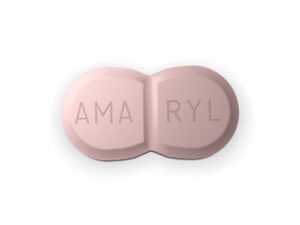
Glimepiride (Oral) – Patient-Friendly Information (Australia)
Glimepiride is an oral medicine used to help manage type 2 diabetes by improving the way your body uses insulin and by reducing blood sugar levels. This page explains how glimepiride works, how it’s typically taken, key safety considerations, and what to expect in everyday use.
The information below is general and not a substitute for advice from your healthcare professional. Individual needs, other medicines, kidney/liver function, and diabetes control goals can affect what is appropriate for you.
Basic product information
| Category | Details |
|---|---|
| Generic name | Glimepiride |
| Medicine type | Oral blood glucose–lowering medicine (sulfonylurea) |
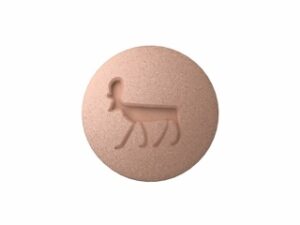
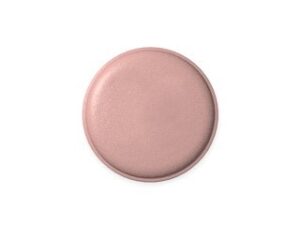
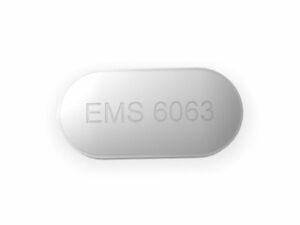
| Common form | Tablets (strengths vary by product) |
| Key effect | Helps the pancreas release insulin; lowers blood glucose |
| Typical use | Type 2 diabetes, usually when diet/exercise and other options are insufficient |
How glimepiride works (mechanism of action)
Glimepiride belongs to the sulfonylurea class. It mainly works by:
- Stimulating insulin release from pancreatic beta cells. It binds to a target on the beta cell surface, which helps close potassium channels and triggers insulin secretion.
- Improving glucose control by increasing insulin availability and supporting reduction in blood sugar.
Glimepiride is most effective when the body still produces insulin. If the pancreas can’t make enough insulin, glimepiride may not provide sufficient control.
Pharmacokinetics (how the body handles it)
Pharmacokinetics describe absorption, distribution, metabolism, and elimination. While individual results vary, the following points are broadly relevant:
- Absorption: Orally administered glimepiride is absorbed from the gastrointestinal tract.
- Peak levels: Blood levels typically rise after dosing and peak within a few hours (time to peak can vary by person and formulation).
- Protein binding: It is highly bound to plasma proteins.
- Metabolism: Glimepiride is metabolised primarily in the liver. Metabolites are formed and then excreted.
- Elimination: The medicine and its metabolites are eliminated mostly via the kidneys and partly via the bile/faeces.
Kidney function matters: reduced kidney function may increase exposure to the medicine and raise the risk of low blood sugar (hypoglycaemia).
Typical use and indications
Glimepiride is used for the management of type 2 diabetes mellitus. It may be used:
- When blood glucose levels are not adequately controlled with diet and exercise alone
- As monotherapy in selected patients
- In combination with other diabetes medicines when additional glucose-lowering is needed (based on clinical judgment)
It is not intended for type 1 diabetes and is generally not used for diabetic ketoacidosis.
When to take glimepiride (timing and routine)
Glimepiride is typically taken once daily. The most important practical point is to coordinate dosing with meals to reduce the risk of hypoglycaemia.
Common timing advice
- Many people take glimepiride with breakfast or with the first main meal of the day.
- If your prescriber has told you to take it at a different time, follow that plan.
- Try to take it at the same time each day for consistency.
What if you miss a dose?
If you miss a dose, take your next dose at the usual time. Do not double up to make up for a missed dose unless instructed by your healthcare professional.
Food interactions and practical meal guidance
Food does not “cancel out” the medicine, but timing with meals is important. Glimepiride increases insulin release, which can lower blood sugar—especially if you skip meals.
Key food-related considerations
- Take with food: Taking glimepiride with your meal helps reduce the risk of hypoglycaemia.
- Don’t skip meals: Missing meals or eating significantly less than usual can raise the risk of low blood sugar.
- Consistent carbohydrate intake: If you use carb counting or have a structured diet, keep meals consistent where possible.
Unlike some medicines, there is not usually a “specific fruit/vegetable” interaction. The main driver is whether you eat enough carbohydrate and whether you take the tablet with or close to your meal.
Alcohol and medicine interactions
Alcohol can affect blood sugar and can increase the risk of side effects. For many people with diabetes, alcohol may:
- Lower blood glucose (especially with poor food intake), increasing hypoglycaemia risk
- Make it harder to recognise symptoms of low blood sugar
- Increase liver strain, particularly if you have liver problems
If you drink alcohol, consider discussing a safe drinking plan with your healthcare professional. General guidance often includes having alcohol with food and monitoring blood glucose more frequently when alcohol intake changes.
Other medicine interactions (important)
Some medicines can increase glimepiride’s blood-sugar-lowering effect (raising hypoglycaemia risk), while others can reduce its effect (worsening glucose control).
Because interaction risk depends on your exact medicines and doses, it’s important to review your medication list. Below are examples of interaction types commonly considered with sulfonylureas:
- Medicines that may increase hypoglycaemia risk: certain antibiotics, antifungals, and some anti-inflammatory or heart medicines can alter blood glucose responses or metabolism.
- Medicines that may reduce glimepiride effectiveness: some corticosteroids, certain diuretics, and medicines that affect metabolic pathways can raise blood glucose levels.
- Beta-blockers: can mask hypoglycaemia symptoms such as palpitations (you may still feel other symptoms).
Always check with your pharmacist if you start, stop, or change the dose of any medicine, including over-the-counter products and supplements.
Dosing (general information)
Dosing should be individualised based on blood glucose levels, response, age, kidney function, and risk of hypoglycaemia. Your healthcare professional will determine your starting dose and adjustments.
General dosing principles
- Start low and adjust gradually to minimise the risk of hypoglycaemia.
- Use the lowest effective dose to achieve adequate glucose control.
- Dose changes may be based on your glucose readings and diabetes monitoring (such as HbA1c).
If you are older, have reduced kidney function, eat irregularly, or have had previous hypoglycaemia, your prescriber may choose more conservative dosing.
Do not change your dose without guidance
Changing dose or timing can significantly affect your blood sugar. If you have concerns about your current dose, discuss them with your healthcare professional.
Safety profile and side effects
Like all medicines, glimepiride can cause side effects. Not everyone experiences them. The most clinically important risk is hypoglycaemia.
Common and important side effects
- Low blood sugar (hypoglycaemia): may cause sweating, shakiness, dizziness, hunger, headache, confusion, or palpitations. Severe hypoglycaemia can lead to unconsciousness.
- Weight gain: some people gain weight over time with sulfonylurea therapy.
- Gastrointestinal symptoms: nausea or indigestion can occur in some people.
- Allergic reactions: rash or other hypersensitivity reactions may occur (seek help if swelling or breathing issues occur).
Serious but less common risks
- Blood disorders: rare effects on blood counts (e.g., low white blood cells) have been reported.
- Liver problems: rare changes in liver function may occur.
- Prolonged or recurrent hypoglycaemia: risk is increased with kidney impairment or missed meals.
Who should take extra care?
- People with kidney impairment (increased hypoglycaemia risk)
- Older adults, particularly those who eat irregularly or have decreased awareness of hypoglycaemia
- People who are at higher risk due to other medicines, heavy alcohol use, or a history of hypoglycaemia
Practical use tips (to get the best results safely)
Following these practical steps can improve safety and help you manage diabetes effectively while taking glimepiride.
Blood glucose monitoring
- Follow your diabetes plan for testing frequency.
- If you feel symptoms of low blood sugar, check your blood glucose immediately if you can.
- Monitor more closely if your routine changes (travel, shift work, changes in exercise, illness).
Recognise and treat hypoglycaemia
Hypoglycaemia is a key risk with sulfonylureas. Learn the symptoms that apply to you. Common practical steps include:
- Take fast-acting carbohydrate (for example glucose tablets or juice) when you suspect low blood sugar.
- Recheck blood glucose after a short interval if recommended by your plan.
- Follow with a snack or meal if advised, especially if the next meal is some time away.
- If you experience severe symptoms, require assistance, or cannot safely swallow, seek urgent medical help.
Stay consistent with meals and activity
- Keep meal times steady if possible.
- Exercise is beneficial, but sudden increases in activity can lower blood sugar—plan accordingly.
- If you’re ill (vomiting, not eating), ask your healthcare professional about what to do with your diabetes medicines.
Use an adherence routine
- Pair your tablet with a daily routine (e.g., breakfast).
- Use a pill organiser or set an alarm to reduce missed doses.
Alternative options for type 2 diabetes (overview)
Diabetes treatment is tailored to your health profile, glucose targets, weight goals, kidney function, and risk of hypoglycaemia. If glimepiride is not suitable or not achieving targets, healthcare professionals may consider other options such as:
Other medicine classes commonly used
- Metformin: often first-line for many people; works mainly by reducing glucose production and improving sensitivity.
- DPP-4 inhibitors: increase insulin release and decrease glucagon in a glucose-dependent manner.
- GLP-1 receptor agonists: injectable options that increase satiety and reduce glucose.
- SGLT2 inhibitors: oral options that reduce glucose reabsorption in the kidney.
- Thiazolidinediones: improve insulin sensitivity.
- Insulin: used when needed for adequate control.
- Other sulfonylureas: if a sulfonylurea is appropriate, an alternative agent may be considered.
Your healthcare professional will choose alternatives based on effectiveness, side-effect profile, and your personal risk factors.
Market and legal context in Australia
In Australia, medicines are regulated by the Therapeutic Goods Administration (TGA). Diabetes medicines are part of a structured healthcare system that includes prescribing practices, pharmacy dispensing requirements, and ongoing safety monitoring through post-market surveillance.
Availability of glimepiride may vary by brand, strength, and formulation. Always ensure you purchase from reputable sources and check that the product is consistent with what your pharmacist recommends.
Recent guidance and evolving diabetes care
Diabetes management recommendations can evolve as new evidence emerges. Broadly, modern diabetes care increasingly emphasises:
- Individualised glucose targets and risk–benefit assessment of each medicine
- Cardiovascular and kidney outcomes when choosing treatments (for many patients)
- Lower risk of hypoglycaemia when possible, especially for people at higher risk
- Regular review of therapy as kidney function, weight, comorbidities, and lifestyle change
If you’re taking glimepiride and you’re concerned about hypoglycaemia risk, weight changes, or whether your regimen is still the best match for your health goals, discuss your treatment review with your healthcare professional.
Delivery and availability (online pharmacy)
Online pharmacies in Australia typically provide ordering and home delivery options where permitted. Delivery times can vary depending on location and stock availability. To support safe supply, pharmacies may require verification steps and may not be able to dispense if items are out of stock.
- Stock: Availability may depend on brand and strength.
- Packaging: Tablets should be kept in their original packaging.
- Storage: Store at room temperature away from moisture and heat unless packaging instructions differ.
- Tracking: Many services provide tracking updates after dispatch.
If you need a specific strength or brand, consider contacting the pharmacy for confirmation before ordering.
Storage and handling
Follow the storage instructions on the product label. As a general rule:
- Keep tablets in a dry place.
- Protect from excessive heat.
- Keep out of reach of children.
FAQ – Glimepiride
1) What is glimepiride used for?
Glimepiride is used to help manage type 2 diabetes by lowering blood glucose through increased insulin release.
2) How quickly does glimepiride start working?
Glimepiride begins to lower blood glucose after absorption, with blood levels rising within a few hours. However, the full effect on diabetes control is usually judged over days to weeks using glucose readings and HbA1c.
3) Can I take glimepiride without eating?
It’s generally safer to take it with food, because skipping meals increases the risk of hypoglycaemia. If you regularly eat late or skip breakfast, discuss an appropriate dosing strategy with your healthcare professional.
4) What happens if I miss a dose?
Take your next dose at the usual time. Do not double the dose to catch up unless your healthcare professional advises you to.
5) What are the symptoms of low blood sugar?
Symptoms can include sweating, shaking, hunger, dizziness, headache, palpitations, and confusion. If you feel unwell or suspect low blood sugar, check your glucose if possible and treat according to your diabetes plan.
6) Does alcohol affect glimepiride?
Yes. Alcohol can increase the risk of hypoglycaemia and may make symptoms harder to recognise. If you drink, consider having alcohol with food and monitor your blood glucose more closely—ask your healthcare professional for personal guidance.
7) Can glimepiride be used with other diabetes medicines?
Often, yes. Combination therapy is sometimes used for better glucose control, but the exact choice and dosing depend on your health profile and hypoglycaemia risk. Review your full medication list with a pharmacist or healthcare professional.
8) Is weight gain possible?
Weight gain can occur with sulfonylureas in some people. Managing diet, activity, and diabetes control can help minimise unwanted changes. If weight gain is a concern, discuss alternatives or adjustments with your healthcare professional.
9) Who should be extra careful with glimepiride?
People with kidney impairment, older adults, those who eat irregularly, and those with a history of hypoglycaemia should be especially cautious and follow monitoring advice closely.
10) Are there alternatives if glimepiride isn’t suitable?
Yes. Depending on your needs, healthcare professionals may consider other classes such as metformin, DPP-4 inhibitors, GLP-1 receptor agonists, SGLT2 inhibitors, thiazolidinediones, or insulin. Availability and choice depend on clinical factors and risk profile.
Key takeaways
- Glimepiride is a once-daily oral sulfonylurea used for type 2 diabetes.
- It works mainly by stimulating insulin release.
- Take it with food and keep meals consistent to reduce the risk of hypoglycaemia.
- Alcohol can increase hypoglycaemia risk—use caution and follow personalised advice.
- Regular monitoring and medication reviews help ensure your diabetes regimen remains safe and effective.