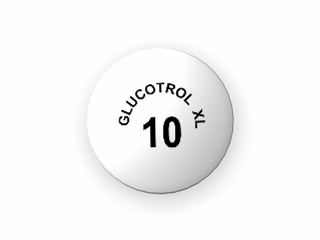
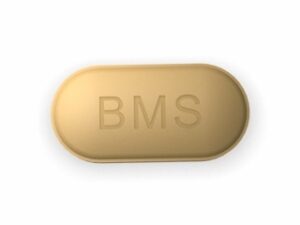
Glucotrol (Glipizide) – Patient Information (Australia)
Glucotrol is a medicine that contains glipizide, a type of medicine commonly used to improve blood glucose (sugar) control in adults with type 2 diabetes. This page explains how Glucotrol works, how it is typically used, what to expect, and important safety information.
Note: Diabetes medicines work best alongside healthy eating, physical activity, and regular monitoring of blood glucose. If anything in this page doesn’t match the way your medicine has been prescribed for you, follow your healthcare professional’s advice.
Basic product information
| Category | Details |
|---|---|
| Medicine name | Glucotrol (glipizide) |
| Medicine type | Oral blood glucose-lowering medicine (sulfonylurea) |
| Common use | Type 2 diabetes (in adults) to help lower blood sugar |
| How it is taken | Tablets by mouth |
| Key safety consideration | Risk of hypoglycaemia (low blood sugar), especially if meals are skipped |
How Glucotrol works (mechanism of action)
Glipizide belongs to the sulfonylurea class. It helps lower blood glucose primarily by:
- Stimulating insulin release from the pancreas (beta cells), which increases insulin availability to move glucose out of the bloodstream and into tissues.
- Improving glycaemic control by reducing blood sugar levels, especially after meals and during daily glucose fluctuations.
Important: Because glipizide relies on the pancreas to release insulin, it may be less effective in people with severely reduced pancreatic insulin production. It also carries a risk of hypoglycaemia when insulin levels rise too much.
Pharmacokinetics (what the body does with the medicine)
Pharmacokinetics describes absorption, distribution, metabolism, and elimination.
- Absorption: Glipizide is absorbed from the gut after oral administration. Food can influence the rate at which glucose control stabilises by slowing gastric emptying and helping reduce post-dose glucose dips.
- Onset: Blood glucose lowering can begin within hours after taking a dose, which is why meal timing matters.
- Metabolism: Glipizide is metabolised mainly in the liver.
- Elimination: Metabolites are excreted through the body’s normal clearance pathways (predominantly via the kidneys).
Practical takeaway: Your healthcare professional may adjust dose based on age, kidney function, liver function, and your diabetes control targets.
Typical use and when it starts working
Glucotrol is generally used in type 2 diabetes to help:
- Lower fasting blood glucose
- Reduce post-meal blood glucose spikes
- Help achieve overall improved HbA1c (a long-term blood sugar measure)
How quickly it works:
- Some glucose-lowering effects may be noticed within the first day or two, but
- Changes in HbA1c typically take several weeks to reflect a new stable regimen.
Indications (what it is used for)
In Australia, glipizide-containing products like Glucotrol are used for adults with type 2 diabetes when lifestyle changes (diet and exercise) and, in some cases, other glucose-lowering treatments are not sufficient.
It may be used:
- As monotherapy (alone), or
- In combination with other medicines for type 2 diabetes, depending on individual needs and blood glucose results.
Timing: how to take Glucotrol
Glucotrol tablets are usually taken before meals, as food timing helps reduce the risk of hypoglycaemia.
Common timing guidance:
- Take each dose before a meal (often 30 minutes prior, depending on the exact product and schedule given to you).
- Do not skip meals after taking a dose.
- If you miss a dose, take it only if it fits safely with your meal schedule—otherwise, leave it and continue the next dose at the usual time.
Tip: Many people find it easier to link doses to their meal routine (e.g., breakfast and dinner) so they are consistent day to day.
Food interactions (what to eat and what to avoid)
Food does not “react” with glipizide like some medicines do, but meal timing is crucial because sulfonylureas can lower blood glucose.
- With meals: Taking Glucotrol before eating helps align the insulin release with the incoming glucose from food.
- Skipping meals: Skipping or delaying meals after a dose increases the risk of hypoglycaemia.
- Balanced diet: Consistent carbohydrate intake generally supports steadier blood glucose control.
If you’re unwell or not eating: If you cannot eat normally (e.g., vomiting, diarrhoea, very poor appetite), glucose levels can still drop—so speak with a healthcare professional about whether your doses should be temporarily adjusted.
Alcohol and medicine interactions
Alcohol
Alcohol can affect blood sugar in several ways, including:
- Increasing the risk of hypoglycaemia, especially if you drink on an empty stomach or while meals are reduced.
- Masking the warning signs of low blood sugar.
Safety tips:
- Limit alcohol intake and never drink on an empty stomach.
- Consider checking blood glucose more frequently after drinking.
Other medicines
Glipizide may interact with other medicines that affect blood sugar or liver/kidney function.
Medicines that can increase hypoglycaemia risk may include:
- Other blood glucose-lowering medicines (e.g., insulin, other oral diabetes medicines)
- Some antibiotics and anti-inflammatory medicines (depending on the specific drug)
- Some medications that affect the liver or change how glipizide is processed
Medicines that may reduce Glucotrol’s effect can include:
- Certain steroids (e.g., prednisone)
- Some hormone therapies
- Medicines that can raise blood glucose levels
Best practice: Tell your pharmacist or doctor about all medicines you take, including over-the-counter products and herbal supplements, so they can check for interaction risk.
Dosing: typical approach
Dose varies by individual and depends on factors such as age, kidney and liver function, baseline blood glucose, and whether you are starting therapy or switching from another diabetes medicine.
Starting dose and adjustments
Glipizide is usually started at a low dose and adjusted gradually based on blood glucose readings. This approach reduces the likelihood of hypoglycaemia.
- Start low: Many adults begin with a modest dose.
- Titrate gradually: Dose may be increased at intervals (commonly every several days to weeks) to achieve target glucose levels.
- Maximum daily dose: There is an upper limit based on safety and product information—your healthcare professional will stay within these limits.
How to follow your dose plan
- Use the same dosing times each day.
- Monitor blood glucose regularly (as advised) to see how your body responds.
- If you experience repeated low blood sugar, contact your healthcare professional promptly—dose may need adjustment.
Safety profile and side effects
Common side effects
Some people experience:
- Low blood sugar (hypoglycaemia) – the most important risk
- Headache
- Dizziness
- Nausea or digestive discomfort
- Fatigue
Serious risks (seek medical advice urgently)
Hypoglycaemia can be serious. Symptoms can include:
- Sweating, shakiness
- Hunger, nausea
- Drowsiness, confusion
- Blurred vision
- Palpitations (feeling heart racing)
Severe hypoglycaemia may involve fainting, seizure, or inability to swallow. This is an emergency.
Other possible serious effects: Some individuals may experience allergic reactions or liver-related issues. If you develop rash, swelling, breathing difficulty, or yellowing of the skin/eyes, get medical help urgently.
Practical use tips (making treatment easier and safer)
- Don’t skip meals: Your meal schedule is part of the medicine plan. Plan snacks if there’s a chance of delayed eating.
- Carry fast sugar: If you’re prone to low blood sugar, keep glucose tablets, gel, or a sugary drink handy.
- Check blood glucose: Follow your clinician’s monitoring schedule, especially when starting or changing dose.
- Know your symptoms: Learn early signs of hypoglycaemia and respond quickly.
- Be cautious with exercise: Exercise can lower glucose. Check levels before and after higher-intensity sessions if advised.
- Stay consistent: Taking doses at irregular times or with irregular meals can worsen glucose swings.
- Review medicines during illness: Sick days can change appetite and glucose needs.
When to speak with a healthcare professional
Contact your healthcare professional or seek urgent advice if:
- You have repeated episodes of low blood sugar
- Your blood glucose is persistently above target despite correct dosing
- You develop symptoms suggestive of infection, dehydration, or significant illness (which can affect glucose control)
- You plan major changes to diet, fasting patterns, or exercise routines
Alternative options for type 2 diabetes
There are several alternatives to glipizide. The best option depends on your medical history, kidney function, cardiovascular risk, weight goals, and hypoglycaemia risk.
Common alternative classes include:
- Metformin (often first-line for many people)
- DPP-4 inhibitors (lower glucose with a lower hypoglycaemia risk than sulfonylureas for many patients)
- SGLT2 inhibitors (can help with glucose control and may offer cardiovascular/renal benefits in selected patients)
- GLP-1 receptor agonists (often used when weight loss is a goal or when specific patient factors apply)
- Other sulfonylureas (different options within the same class)
- Insulin for more advanced diabetes or when oral medicines are insufficient
Discuss with a clinician: Switching medicines should be done carefully to avoid both high and low blood sugar.
Market and legal context for Australia
In Australia, diabetes medicines are regulated under the Australian regulatory framework, including requirements for product approval, quality, and pharmacy supply. Glucose-lowering medicines like glipizide are supplied in accordance with Australian medicines rules and may be available through pharmacy channels depending on product scheduling and prescriber requirements at the time.
Pharmacy availability: Availability can vary by brand, pack size, and whether generic options are on the market. Your pharmacist can help confirm the exact product, strength, and dosing instructions.
Recent guidance and monitoring (practical updates to know)
Diabetes care guidance in Australia commonly emphasises:
- Individualised targets for HbA1c and glucose, rather than one-size-fits-all
- Early identification and prevention of hypoglycaemia
- Considering patient-specific factors such as age, kidney function, cardiovascular risk, and ability to manage complex regimens
- Ongoing monitoring of HbA1c, weight, and risk of complications
If you are starting or changing glipizide therapy, it is especially important to monitor blood glucose more closely during the early period and after any dose changes.
Delivery and availability (online pharmacy)
Glucotrol (glipizide) availability may vary. Online pharmacies in Australia typically provide options such as:
- Standard delivery to metropolitan and regional areas
- Express delivery where offered
- Choice of store pickup if the pharmacy supports it
Packaging and handling: Diabetes tablets should be stored at room temperature and kept away from moisture and heat. Always check the package for exact storage instructions.
Order accuracy: Ensure you select the correct strength and tablet type (different products may have different dosing schedules).
FAQ – Glucotrol (Glipizide)
1) What is Glucotrol used for?
Glucotrol (glipizide) helps lower blood glucose in adults with type 2 diabetes by stimulating insulin release from the pancreas.
2) How should I take Glucotrol?
It is typically taken before meals and meal timing matters. Avoid skipping meals after taking a dose to reduce the risk of hypoglycaemia.
3) What happens if I miss a dose?
If you miss a dose, take it only if it fits safely with your meal schedule. Otherwise, leave the missed dose and continue with your next dose at the usual time. If you’re unsure, check with your pharmacist or clinician.
4) How do I recognise low blood sugar?
Common symptoms include sweating, shakiness, hunger, dizziness, headache, confusion, and palpitations. Severe low blood sugar may involve fainting or seizures—this is an emergency.
5) What should I do if my blood sugar is low?
Follow your “low blood sugar” action plan. Typically, take fast-acting sugar (such as glucose tablets or a sugary drink), recheck blood sugar, and then eat a snack or meal if needed. If you have severe symptoms or cannot swallow, seek urgent help.
6) Can I drink alcohol while taking Glucotrol?
Alcohol can increase hypoglycaemia risk and may mask symptoms. If you choose to drink, do so with caution and never drink on an empty stomach. Consider checking your blood glucose more often after drinking.
7) Are there interactions with other medicines?
Yes. Many medicines can affect blood glucose levels or how glipizide behaves in the body. Inform your pharmacist about all medicines and supplements, including over-the-counter products.
8) Does food affect Glucotrol?
Meal timing is important. Taking it before meals helps align insulin release with glucose intake. Skipping or delaying meals increases the chance of low blood sugar.
9) Who should be extra careful when using glipizide?
People at higher risk for hypoglycaemia—such as older adults, those with irregular eating, kidney impairment, or those taking other glucose-lowering medicines—should be monitored closely and may need dose adjustments.
10) What are safer alternatives if I’m prone to low blood sugar?
Some diabetes medicine classes have lower hypoglycaemia risk than sulfonylureas for many patients. Your clinician can help choose an alternative based on your health profile and targets.
Disclaimer: This information is for general education and does not replace advice from a qualified healthcare professional. If you have questions about your specific treatment, dosing, or symptoms, speak with a pharmacist or doctor.