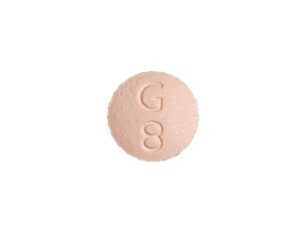



Sleepose (Melatonin) – Patient Guide (Australia)
Sleepose is an over-the-counter sleep aid containing melatonin. It’s designed to help support your body’s natural sleep–wake rhythm. If you have trouble falling asleep, adjusting your routine, or experiencing jet lag, Sleepose may be a helpful option for short-term sleep support.
This guide explains how melatonin works, when to take it, what to watch for, and how to use it safely. It also includes practical tips and information relevant to the Australian market and consumer health context.
Product overview
- Brand: Sleepose
- Active ingredient: Melatonin
- Form: Oral tablets/capsules (varies by product presentation)
- Strength: Available strengths vary—check your specific pack for the exact dose.
- Use type: Sleep-wake rhythm support (short-term and situational use)
- Availability: Typically available from online and retail pharmacies in Australia, subject to local supply and product listing.
Always check the product label for the exact strength, directions for use, and any additional ingredients.
How melatonin works (mechanism of action)
Melatonin is a hormone that your brain (specifically the pineal gland) naturally releases in response to darkness. It helps “signal” that it’s evening, supporting your circadian rhythm—your internal 24-hour clock that regulates sleepiness, alertness, and timing of various body functions.
When you take melatonin:
- It acts as a timing signal for your brain and body.
- It may help you fall asleep sooner by promoting sleepiness at the right time.
- It can help adjust sleep timing when your schedule changes (e.g., shift work or travel).
Melatonin is not the same type of medicine as many traditional sleeping tablets. Instead of strongly sedating you immediately, it primarily supports the body’s natural timing of sleep.
Pharmacokinetics (what the body does to melatonin)
Understanding how melatonin moves through the body can help you choose the best timing.
Absorption and onset
- Melatonin is absorbed after you take it by mouth.
- For many people, effects begin within about 30–60 minutes, but the timing can vary.
Distribution
- Melatonin distributes throughout the body, including the brain regions involved in sleep–wake regulation.
Metabolism
- Melatonin is mainly metabolised by the liver (enzymatic breakdown).
- This is important when considering drug interactions, especially with medicines that also affect liver enzymes.
Elimination
- Melatonin is cleared from the body relatively quickly compared with its period of effect.
- Residual sleepiness can still occur in some people the next morning, depending on dose and individual sensitivity.
Note: Exact pharmacokinetic behaviour can differ depending on formulation and individual factors such as age and liver function.
Typical use cases and indications
Sleepose (melatonin) is commonly used for:
- Jet lag (to help adjust your body clock after travel across time zones)
- Sleep onset difficulties (trouble falling asleep)
- Delayed sleep pattern (for people whose sleep timing is shifted later than desired)
- Adjusting sleep schedule around events or changes in routine
In Australia, consumer melatonin products are often used for circadian rhythm support. However, appropriate use depends on the product and strength, and you should follow the label directions.
When to take Sleepose (timing guidance)
Timing is one of the most important factors for melatonin effectiveness.
General timing
- Take melatonin close to your desired bedtime.
- Many people take it about 30–60 minutes before bed.
For jet lag
- Start melatonin in the evening at the destination time.
- Use it for a short period while your body adjusts, following label directions.
For delayed sleep phase
- Take melatonin earlier in the evening relative to your usual sleep onset time, aiming to shift your schedule gradually.
- Consistency is key—avoid taking it at random times.
Practical reminder: Avoid “double-dosing” if you wake up. If you miss a dose, take the next dose at the correct time rather than catching up.
Dosing (follow your specific product label)
Melatonin dosing can vary by product strength and age group. The safest approach is to follow the instructions on your Sleepose pack.
Common consumer dosing patterns (general information)
- Many adults start at a low dose (often 0.5 mg to 1 mg), especially if sensitive to sedation.
- Some products may allow higher doses depending on the formulation and label directions.
Steps to choose a dose responsibly
- Start low if you’re new to melatonin.
- Use it briefly (e.g., for short-term travel or temporary sleep issues), unless a clinician has advised a different plan.
- Do not exceed the maximum dose printed on the label.
Children and adolescents: Melatonin products may have age-specific directions. Always check the label and use only as directed for the age group on the pack.
If you are unsure which dose applies to your Sleepose product, check the packaging or speak to a pharmacist.
Food interactions and absorption
Food can influence how quickly melatonin is absorbed.
- Taking melatonin with food may affect onset time for some formulations.
- For many people, taking it on an empty stomach or with a light snack results in more predictable timing.
Recommendation: Follow the label. If the product indicates “take on an empty stomach” or “take after food,” use that guidance. If there is no instruction, consider taking it at the same time each night, typically shortly before bed.
Alcohol interactions
Melatonin may not work as intended if alcohol is involved, and alcohol can worsen sleep quality.
- Avoid alcohol close to bedtime when using Sleepose.
- Combining alcohol and melatonin may increase next-day drowsiness or impair alertness.
If you drink alcohol, consider delaying melatonin until you are ready for sleep and follow the label dosing instructions carefully.
Interactions with other medicines
Melatonin can interact with some medicines by affecting sedation, sleep patterns, or how the liver processes drugs.
Medicines that may increase drowsiness
- Other sedatives or sleep aids
- Antihistamines that cause drowsiness (for allergy or travel sickness)
- Some antidepressants, anti-anxiety medicines, or antipsychotics (depending on the specific drug)
Medicines that may affect melatonin metabolism
- Medicines that influence liver enzymes may change melatonin levels.
- If you take medicines regularly (especially those metabolised in the liver), check with a pharmacist for specific interaction advice.
Hormonal or immune-related concerns
- Melatonin can influence certain physiological pathways. If you have chronic medical conditions or take long-term therapy, seek individual advice.
General safety approach: Before starting Sleepose, review all medicines and supplements you use. Include prescription medicines, over-the-counter products, and herbal remedies.
Safety profile (what to expect and when to seek help)
Most people tolerate melatonin well when taken at the recommended dose. However, side effects can occur.
Common side effects
- Headache
- Dizziness
- Nausea or stomach discomfort
- Drowsiness or “hangover” effects the next day
- Vivid dreams or unusual dreaming
Less common considerations
- Daytime sleepiness (especially at higher doses)
- Changes in mood in some individuals
When to stop and seek advice
Seek prompt medical advice if you experience:
- Severe allergic reaction symptoms (e.g., swelling of face/lips, trouble breathing)
- Persistent or worsening symptoms
- Marked daytime impairment (e.g., unsafe drowsiness)
Who should be cautious
- Pregnancy or breastfeeding (seek professional advice before use)
- Older adults (may be more sensitive to sedation)
- People with autoimmune conditions or on immunosuppressive therapy (discuss with a healthcare professional)
- People with epilepsy or seizure disorders (discuss with a healthcare professional)
- People with liver impairment (metabolism may be affected)
Practical use tips (getting the best results)
- Maintain a consistent sleep schedule: Go to bed and wake up at similar times each day.
- Use light wisely: Bright light in the evening can delay your circadian rhythm. Dim lights before bed where possible.
- Reduce stimulating activities: Limit intense exercise, heavy meals, and stressful tasks late at night.
- Create a wind-down routine: Try reading, gentle stretching, or relaxation breathing before bed.
- Use the correct timing: Taking melatonin too late may shift your rhythm the wrong way.
- Start low and reassess: If you feel too drowsy, reduce the dose (or speak with a pharmacist).
Driving and machinery: If Sleepose affects you, avoid driving or operating machinery until you know how you respond.
Alternative options for sleep support
If Sleepose isn’t suitable or you want additional strategies, there are other options.
Non-medicine approaches (often first-line)
- Cognitive behavioural therapy for insomnia (CBT-I): Evidence-based and effective for long-term insomnia patterns.
- Sleep hygiene: Reduce caffeine late in the day, keep a cool dark bedroom, and limit screen time before bed.
- Scheduled light exposure: Morning light can help shift the circadian clock earlier.
Other product categories
- Short-term relaxation or sleep-promoting supplements (availability varies; check ingredients and warnings)
- Herbal products (quality and evidence vary; check interactions)
- Other sleep aids available in Australia (discuss options with a pharmacist)
Important: Avoid using multiple sleep products at the same time without advice, as combinations may increase sedation or cause unpredictable effects.
Australia market & legal context (consumer information)
In Australia, melatonin products may be stocked by pharmacies and online retailers depending on their classification and approved indications. Availability can vary by product form (immediate-release vs prolonged-release), strengths, and whether a product is listed for consumer use.
Consumer health guidance in Australia generally emphasises:
- Using sleep aids appropriately and for short durations when they are intended for situational use
- Checking ingredients and dosage instructions on the pack
- Considering behavioural strategies and sleep hygiene alongside any product use
Packaging and labelling: In Australia, products should carry clear instructions, warnings, and ingredient listings. Always follow the specific instructions on your Sleepose pack.
Recent guidance and current best practice (general overview)
Sleep medicine guidance internationally increasingly focuses on aligning treatment to the underlying cause of sleep problems, such as circadian rhythm disturbance, behavioural factors, stress, or medical conditions. For melatonin use, best practice typically highlights:
- Timing matters—taking melatonin at the right time relative to bedtime and your circadian phase.
- Start with the lowest effective dose and avoid long-term use without review.
- Prioritise sleep hygiene and CBT-I for persistent insomnia.
- Be cautious with interactions, especially with sedatives and other sleep medicines.
If your sleep problems are frequent, severe, or last longer than expected, consider speaking with a pharmacist or healthcare professional for personalised advice.
Delivery and availability (online pharmacy in Australia)
Sleepose may be available for purchase through online pharmacies across Australia. Availability depends on local supply and the specific strength/formulation.
What to expect when ordering
- Product listing: Ensure you select the correct strength and pack size.
- Dispatch times: Typically vary by supplier, warehouse location, and stock status.
- Delivery: Options can include standard delivery or express delivery (where offered).
- Packaging: Products are usually delivered in tamper-evident packaging.
Tip: Check the “delivery” or “shipping” section at checkout for estimated arrival dates and any regional restrictions.
Safety checklist before you start Sleepose
- Have you read the product label directions for your specific Sleepose strength?
- Will you be taking it close to bedtime at the correct time?
- Do you take medicines that may cause drowsiness or interact with melatonin?
- Will you avoid alcohol near bedtime?
- Are you planning to drive or operate machinery shortly after taking it?
FAQ – Sleepose (Melatonin)
1) What is Sleepose used for?
Sleepose (melatonin) supports the body’s sleep–wake rhythm. It’s commonly used for trouble falling asleep, jet lag, and adjusting sleep timing related to circadian rhythm changes. Always follow the label instructions for the intended use.
2) How quickly does melatonin work?
Many people notice effects within about 30–60 minutes after taking melatonin, though results can vary. The timing of your dose relative to bedtime is important.
3) What time should I take it?
Typically, take Sleepose 30–60 minutes before bed or as directed on the pack. For jet lag, take it in the evening based on destination time.
4) Can I take Sleepose every night?
It’s generally intended for situational sleep support. If you find you need it frequently, consider reviewing your sleep strategy and speaking with a pharmacist or healthcare professional for guidance.
5) Will melatonin make me feel “hungover”?
Some people may experience morning drowsiness, especially with higher doses or sensitive individuals. Starting at the lowest effective dose and following timing instructions can help.
6) Is melatonin addictive?
Melatonin is not considered addictive in the way that some sedative medicines can be. However, your sleep routine and habits still matter—long-term sleep problems should be assessed.
7) Can I drink alcohol while using Sleepose?
It’s best to avoid alcohol near bedtime. Alcohol can reduce sleep quality and may increase sedation or next-day effects.
8) Are there interactions with other sleep medicines or antihistamines?
Yes, melatonin may add to drowsiness when combined with sedative medicines, sleep aids, or drowsy antihistamines. Check with a pharmacist if you use other products for sleep or allergies.
9) Can children take melatonin?
Melatonin products may have age-specific dosing and warnings. Always check the label for the approved age range and directions for use. If you’re considering use for a child, speak with a pharmacist for advice.
10) What if I miss a dose?
If you miss a dose, take it only at the next scheduled time. Don’t take an extra dose to “catch up.”
11) What should I do if it doesn’t help?
First, make sure timing is correct and you’re using good sleep habits (consistent schedule, reduced evening light, and limiting caffeine late in the day). If problems persist, seek personalised advice.
Quick reference table
| Topic | What to know |
|---|---|
| Active ingredient | Melatonin |
| Main benefit | Supports sleep–wake timing and circadian rhythm |
| Typical timing | Usually 30–60 minutes before desired bedtime |
| With food | Food may affect onset in some cases; follow label directions |
| Alcohol | Avoid alcohol near bedtime |
| Interactions | Be cautious with other sedatives/sleep aids and certain medicines affecting metabolism |
| Common side effects | Headache, dizziness, nausea, next-day drowsiness, vivid dreams |
| Best for | Jet lag and sleep timing difficulties |
Disclaimer: This information is general and patient-friendly. Always read the Sleepose pack label for exact directions, warnings, and ingredient details. If you have ongoing sleep issues, a medical condition, or you take regular medicines, consider speaking with a pharmacist or healthcare professional for personalised advice.