Spiriva (Tiotropium Bromide) – Patient Guide (Australia)
Spiriva is a long-acting inhaled medicine containing tiotropium bromide. It helps to keep airways open and makes breathing easier for people with chronic lung conditions, particularly chronic obstructive pulmonary disease (COPD) and certain cases of asthma when used as advised by a clinician.
This guide explains how Spiriva works, how it’s used, what to expect, and important safety information. It is written for general information only and is not a substitute for advice from your healthcare professional.
1) Basic product information
- Active ingredient: Tiotropium bromide
- Medicine type: Long-acting antimuscarinic / anticholinergic inhaler
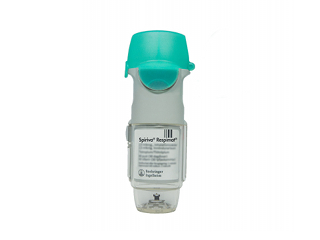
- How it’s taken: Inhalation using the specific device supplied with your product (commonly HandiHaler for older presentations or Respimat for others, depending on what you have)
- Typical dosing frequency: Usually once daily (device-dependent)
- Common conditions treated: COPD; sometimes asthma as add-on therapy
Important: The exact inhalation steps depend on whether you are using Spiriva HandiHaler or Spiriva Respimat. Always follow the device instructions provided with your product or by your pharmacist.
2) What Spiriva is used for (indications)
Spiriva is used to help manage symptoms and reduce episodes related to chronic airway disease.
Common indications
- COPD (chronic obstructive pulmonary disease): For maintenance treatment to relieve symptoms and improve lung function.
- Asthma (selected patients): As add-on maintenance therapy in certain people whose asthma is not adequately controlled with other preventer medicines.
Not for sudden breathlessness: Spiriva is not a “reliever” for sudden wheezing or acute attacks. For sudden symptoms, you typically need a fast-acting reliever inhaler (such as a short-acting beta2-agonist) as advised.
3) How Spiriva works (mechanism of action)
Tiotropium bromide is an antimuscarinic medicine. It works by blocking muscarinic receptors in the airways.
- It reduces airway “tightening” by relaxing bronchial smooth muscle.
- It helps decrease bronchoconstriction (narrowing of the airways).
- It may help reduce mucus-related symptoms by improving airflow.
Because tiotropium is long-acting, its effect lasts through the day, helping to maintain open airways between doses.
4) Pharmacokinetics (how the body handles it)
After inhalation, tiotropium acts mainly locally in the lungs. Some absorption occurs into the bloodstream, but the medicine is designed for sustained activity in the airways.
Key points (general)
- Onset: Relief typically begins after the first dose, with stronger and more consistent effect developing with regular daily use.
- Absorption: Inhaled tiotropium is absorbed through lung tissue; systemic exposure is generally limited compared with oral dosing.
- Distribution: It distributes to tissues and can be detected in the bloodstream.
- Metabolism: Metabolism is limited; much of the unchanged drug is eliminated.
- Elimination: Primarily excreted via the kidneys.
Kidney function matters: Because tiotropium is mostly cleared by the kidneys, your clinician may consider your kidney function, especially if you have significant renal impairment.
5) Typical timing and how to take Spiriva
Typical schedule: Once daily, at the same time each day if possible. Consistent use helps maintain symptom control.
Timing tips
- Choose a time that fits your routine (morning or evening).
- Use your reliever inhaler for sudden symptoms as prescribed or recommended by your healthcare professional.
- If you miss a dose, generally take it when you remember on the same day unless it’s nearly time for the next dose—follow the advice you were given for your specific product and device.
Do not double dose to make up for a missed dose unless a clinician specifically instructs you to.
6) Food interactions
Spiriva is taken by inhalation, and food is unlikely to affect the medicine’s delivery to your lungs.
- Typical guidance: You can usually take Spiriva with or without food.
- If you have stomach upset: This is not typical for inhaled tiotropium, but if you experience persistent symptoms, ask your pharmacist or doctor.
7) Alcohol interactions and other medicine interactions
Alcohol
There are no well-known direct interactions between tiotropium and alcohol. However, alcohol may worsen shortness of breath or dehydration in some people, which can make breathing symptoms feel worse.
- If you choose to drink alcohol, do so in moderation.
- Avoid alcohol if it triggers reflux or worsens your asthma/COPD symptoms.
- Seek medical advice if you experience unusual dizziness or worsening breathing after alcohol.
Other medicine interactions
Because Spiriva is delivered to the lungs, interactions are generally less frequent than with oral medicines. Still, it’s important to consider your current regimen.
- Other anticholinergic medicines: Using multiple antimuscarinic drugs together may increase side effects (for example, dry mouth or constipation). Examples include some medicines for overactive bladder or other inhalers with anticholinergic effects.
- Other inhaled bronchodilators: Many people use Spiriva alongside other inhaled therapies (e.g., inhaled corticosteroids and relievers). Combining maintenance inhalers is common under medical guidance.
- Kidney-related medicines: Because tiotropium is largely cleared by the kidneys, medicines that affect kidney function may be relevant. Your pharmacist can help review your medication list.
Always tell your pharmacist about all medicines and supplements you use, including:
- Prescribed and over-the-counter medicines
- Herbal products
- Any anticholinergic treatments (including some bladder medications)
8) Dosing – what you typically use
Dosing depends on the condition and the Spiriva product/device you have.
| Condition | Typical dose frequency | Notes |
|---|---|---|
| COPD (maintenance) | Once daily | Inhaled as per your specific device instructions. |
| Asthma (add-on maintenance in selected patients) | Once daily | Use only if advised as part of an overall asthma plan. |
Device instructions vary: The number of inhalations/cartridges per dose differs between Spiriva device types. Follow the directions that came with your specific product.
9) Safety profile – common and serious side effects
Most people tolerate Spiriva well. However, as with all medicines, side effects can occur.
Common side effects
- Dry mouth
- Constipation or changes in bowel habits
- Throat irritation or mild cough after inhalation
- Headache
- Urinary symptoms may occur in some people (especially if you have urinary retention risk)
Serious side effects – get urgent medical help
Seek urgent medical attention or contact emergency services if you experience:
- Allergic reaction (e.g., swelling of face/lips, hives, difficulty breathing)
- Severe worsening of breathing right after using the inhaler
- Eye pain or sudden vision changes (possible narrow-angle glaucoma symptoms)
- Severe constipation with abdominal pain, vomiting, or inability to pass stool/gas
- Urinary retention (difficulty urinating or inability to urinate), particularly if you have prostate enlargement or bladder outlet obstruction
When to contact your healthcare professional promptly
- If symptoms worsen or your inhaler technique may be incorrect
- If you notice persistent dry mouth, constipation, or urinary problems
- If you experience frequent chest tightness requiring reliever inhaler use more than usual
10) Practical use tips for best results
Spiriva works by delivering medicine deep into the lungs. Proper technique is crucial for benefit.
Before you start
- Check the expiry date.
- Make sure the device and cartridges/solution match your Spiriva product.
- Clean and store the device according to the instructions.
Technique essentials (general)
- Do not exhale into the device (this can affect dose delivery).
- Inhale steadily and deeply as instructed—avoid a quick “snatch” breath if your device requires a slower inhalation.
- Hold your breath briefly after inhaling if your device instructions recommend it.
- If you use other inhalers, follow your plan for order and timing as advised.
After inhalation
- Wipe the mouthpiece if needed.
- If you get throat irritation, consider rinsing your mouth with water (spit out). This is especially helpful if you use inhaled corticosteroids as well, though Spiriva itself doesn’t typically require mouth rinsing.
How to know it’s working
- Improved symptom control over days to weeks.
- Reduced breathlessness during usual activities.
- Less reliance on your reliever inhaler (as advised for your condition).
Tip: If you’re not feeling better, don’t stop or adjust the dose yourself—have your inhaler technique checked by a pharmacist or nurse. Many “treatment failures” relate to inhaler technique or incorrect device use.
11) Missed dose
If you forget a dose, take it as soon as you remember on the same day, unless it’s close to your next scheduled dose. If you are unsure, ask your pharmacist for advice based on your exact product and device.
Do not double up unless told to by a healthcare professional.
12) Alternatives to Spiriva (tiotropium)
Depending on your condition and device preference, alternative long-acting bronchodilators may be available.
Possible alternatives (class-based)
- Other long-acting antimuscarinics (e.g., umeclidinium, aclidinium, glycopyrronium) – inhaled once daily or multiple times daily depending on the product.
- Long-acting beta2-agonists (LABAs) – e.g., formoterol or salmeterol (usually used as monotherapy in some cases or combined with other medicines).
- Combination inhalers – some treatments combine an antimuscarinic (LAMA) and LABA, and some include inhaled corticosteroids (ICS) depending on severity.
Which is right for you? Choice depends on symptoms, lung function, exacerbation history, existing medications, and inhaler technique. Your pharmacist can help compare options.
13) Delivery and availability in Australia
In Australia, Spiriva is typically available through authorised pharmacy supply channels. Online pharmacies usually offer delivery options such as:
- Standard delivery (business days)
- Express delivery (where available)
- Click-and-collect (if offered by the pharmacy)
Cold chain: Spiriva inhalers generally do not require refrigeration under typical storage conditions. Store in a cool, dry place and follow the packaging instructions.
Availability may vary depending on the exact device type (e.g., different Spiriva presentations). If you can’t find the exact product you use, contact the pharmacy support team so they can help locate the closest suitable option.
14) Market and legal context (Australia)
Medicines in Australia are regulated under the Therapeutic Goods Administration (TGA) framework. In general:
- Medicines are listed or registered as appropriate by the TGA.
- Pharmacists are required to follow Australian medicines supply and quality standards.
- Online pharmacies should operate under relevant state/territory and Commonwealth requirements and provide safe, compliant supply practices.
If you’re unsure whether a specific product/device is appropriate for you, your pharmacist can guide you and may also check that the correct presentation is supplied.
15) Recent guidance and clinical considerations
Clinical recommendations for COPD and asthma may be updated periodically by respiratory societies and guideline bodies. While exact updates vary over time, general themes include:
- Inhaler technique checks at regular intervals
- Ensuring correct maintenance therapy with long-acting bronchodilators when indicated
- Using reliever inhalers correctly for sudden symptoms
- Regular review of symptom control and side effects
For the most up-to-date advice, your pharmacist or clinician can refer to current local guidelines and product-specific information for your Spiriva presentation.
16) Safety checklist – who should take extra care
You may need extra caution with tiotropium if you have certain conditions. Discuss with a healthcare professional if you have:
- Glaucoma (especially narrow-angle glaucoma)
- Problems passing urine, enlarged prostate, or bladder outlet obstruction
- Severe constipation or history of intestinal motility problems
- Significant kidney disease
- Any history of allergic reactions to similar medicines
17) FAQ
How long does it take for Spiriva to start working?
Many people notice improved breathing after initial use, though consistent daily use helps build steady control. If you feel no improvement after a reasonable period, or symptoms worsen, seek guidance to review technique and overall treatment plan.
Is Spiriva a reliever inhaler for sudden breathlessness?
No. Spiriva is a long-acting maintenance medicine. It is not designed for rapid relief during an acute attack. Use your prescribed reliever inhaler for sudden symptoms.
Can I use Spiriva with my other inhalers?
Often yes. Many treatment plans include a combination of inhaled medicines. Tell your pharmacist about all inhalers you use so they can help check compatibility and timing.
What if I accidentally inhale incorrectly or get medicine in my eyes?
Avoid aiming medicine toward the eyes. If you get inhaled spray or powder near the eyes and experience eye pain or vision changes, seek urgent medical attention. For device-specific technique, check the instructions that came with your Spiriva.
Does Spiriva cause dry mouth?
Dry mouth is one of the more common side effects of antimuscarinic medicines. Staying hydrated, using sugar-free lozenges, and maintaining good oral hygiene can help. If it’s severe, talk to your pharmacist.
Can I drink alcohol while taking Spiriva?
There is no known direct interaction with alcohol, but alcohol may worsen breathing for some people. If you drink, do so moderately and monitor how your breathing responds.
Should I stop Spiriva if I feel better?
Do not stop abruptly without advice. Spiriva is typically used for long-term maintenance to prevent symptoms from returning.
What should I do if I miss a dose?
Take it when you remember on the same day, unless it’s nearly time for your next dose. Do not double dose. If unsure, ask your pharmacist for product-specific guidance.
Are there any food interactions?
Food is unlikely to meaningfully affect Spiriva because it is inhaled. You can usually take it with or without food.
What are common reasons Spiriva may not seem to work?
The most frequent causes are inhaler technique errors, incorrect device assembly, missing doses, or using Spiriva as a reliever rather than for maintenance. A medication review and technique check can make a big difference.
Summary
Spiriva (tiotropium bromide) is a long-acting inhaled antimuscarinic medicine used mainly for COPD maintenance and, in selected patients, asthma add-on maintenance. It helps relax airway muscles and improve airflow, making daily breathing easier. For best results, use it once daily as directed and focus on correct inhaler technique. If you experience troubling side effects, worsening breathing, or symptoms that don’t improve, speak with your pharmacist or healthcare professional promptly.