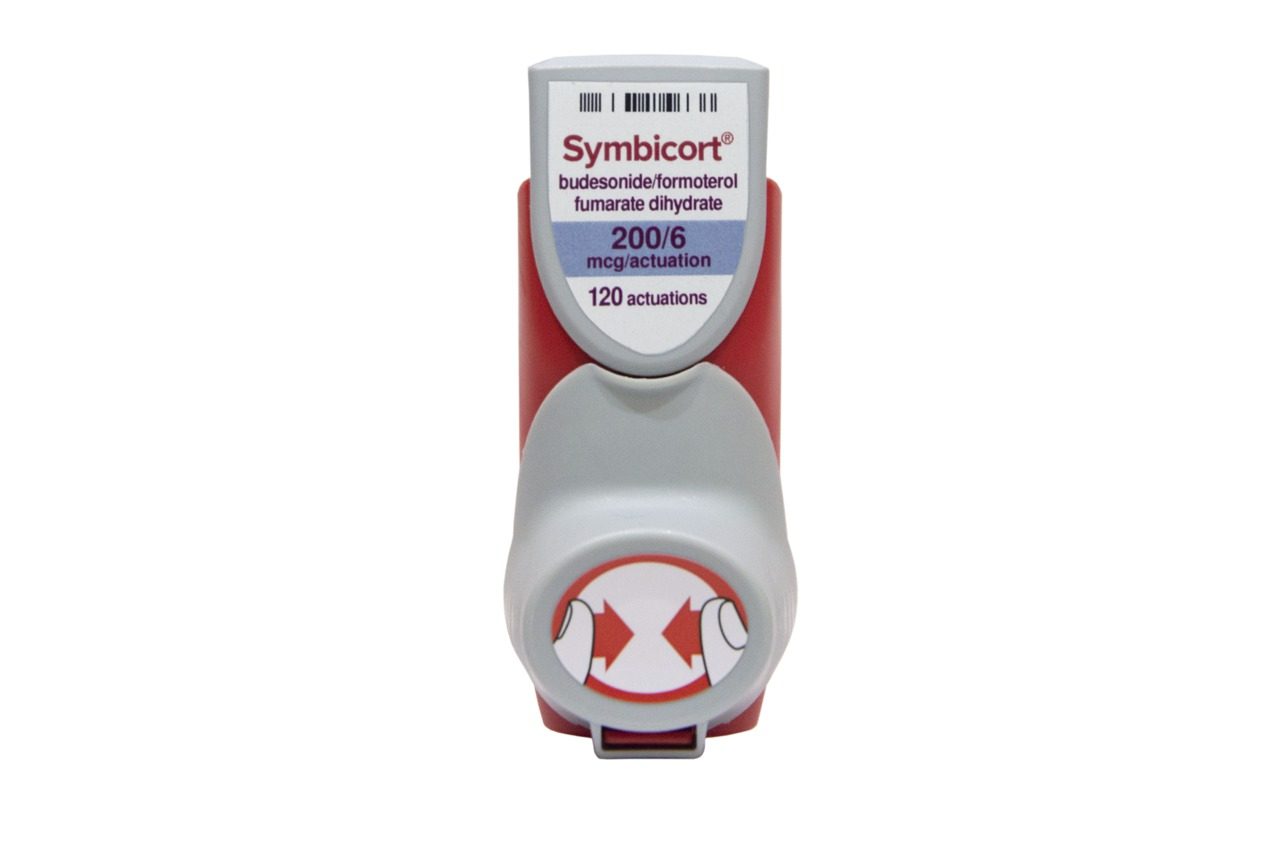

Symbicort (Powder Form) – Budesonide / Formoterol Fumarate Dihydrate (Australia)
Symbicort is an inhaled medicine used to control and relieve symptoms of certain lung conditions, most commonly asthma and chronic obstructive pulmonary disease (COPD). It contains two active ingredients:
- Budesonide – a corticosteroid that reduces airway inflammation.
- Formoterol fumarate dihydrate – a long-acting bronchodilator (LABA) that helps keep airways open.
This guide is written to be patient-friendly and to help you understand what Symbicort is, how it works, how to use it, and what to consider for safety. Always follow the instructions provided with your product and any healthcare guidance you have received.
Quick product overview
| Feature | What it means for you |
|---|---|
| Brand | Symbicort (Powder Form) |
| Active ingredients | Budesonide + Formoterol fumarate dihydrate |
| Medicinal form | Inhalation powder delivered via an inhaler device |
| How it helps | Reduces inflammation (budesonide) + relaxes airway muscles and improves airflow (formoterol) |
| Common uses | Asthma control and COPD symptom management |
| Typical dosing style | Usually regular maintenance dosing; some people may use it as directed for symptom relief |
| Key safety tip | Rinse your mouth after use to reduce the risk of oral thrush |
How Symbicort works (mechanism of action)
Symbicort combines two complementary medicines that target different parts of breathing problems:
-
Budesonide (inhaled corticosteroid)
- Calms inflammation in the airways.
- Helps reduce swelling and mucus production.
- Over time, improves symptom control and reduces flare-ups.
-
Formoterol (long-acting beta2-agonist, LABA)
- Relaxes smooth muscle in the airways.
- Improves airflow by helping bronchi widen.
- Acts quickly compared with many other LABAs (useful for relief when used according to your plan).
Together, they help open the airways and reduce the underlying inflammation that drives ongoing symptoms.
Pharmacokinetics (how the body handles the medicine)
Pharmacokinetics describes what happens after inhalation—absorption, distribution, metabolism, and elimination. Symbicort acts locally in the lungs, but small amounts may be absorbed into the bloodstream.
Absorption and distribution
- Inhaled delivery targets the airways directly, so much of the effect happens in the lungs.
- Some drug may be swallowed after inhalation; this contributes to systemic exposure.
Metabolism
- Budesonide and formoterol are metabolised mainly in the liver.
- Enzyme systems (including CYP pathways) help break the molecules down into inactive or less active metabolites.
Elimination
- The medicine and its metabolites are eliminated primarily via urine and faeces.
In everyday use, the key clinical point is that inhaled therapy aims to provide lung benefit with relatively lower whole-body exposure than oral corticosteroids. If you have liver disease or take medicines that affect metabolism, it’s important to discuss this with your pharmacist or doctor.
Typical indications (what Symbicort is used for in Australia)
Symbicort is used for:
-
Asthma
- To help control symptoms and prevent flare-ups.
- To improve lung function and reduce the need for additional reliever medicine.
-
COPD
- To help relieve symptoms and reduce exacerbations in eligible patients.
Whether Symbicort is appropriate for you depends on your diagnosis, symptom pattern, current inhaler technique, and other medicines. Your clinician may also review inhaler choices based on your response over time.
When and how to take it (timing and adherence)
Many people use Symbicort as a regular controller to maintain good symptom control. The exact schedule depends on your individual treatment plan and the device strength prescribed.
Typical timing
- Maintenance (controller) use is often taken twice daily (morning and evening), spaced as directed.
- Some treatment regimens may include use for symptom relief as well; follow the specific instructions supplied with your plan.
Consistency matters
If you skip doses or stop abruptly, asthma or COPD symptoms may worsen. If you feel your medicine isn’t working or you’re needing it more often than expected, seek advice rather than adjusting doses on your own.
Food interactions
Because Symbicort is inhaled, food interactions are generally not a major concern. However:
- If some medicine is swallowed, it may be affected by general digestion rather than specific foods.
- Rinsing your mouth after use is still recommended to reduce local side effects (such as oral thrush), regardless of meals.
To help you remember, many people take their inhaler at a similar time each day alongside morning and evening routines. This can support adherence and consistent lung protection.
Alcohol and medicine interactions
Alcohol
There are no direct, specific alcohol restrictions unique to Symbicort for most patients. However, alcohol can influence:
- Sleep quality and respiratory control (especially in those with COPD).
- Breathing pattern during illness or at night.
- Medication adherence and awareness of symptoms.
If alcohol triggers wheeze or you notice worsening breathlessness after drinking, discuss this with your healthcare team.
Other medicines that may interact
Symbicort components can interact with certain medicines—particularly those affecting the cardiovascular system or liver metabolism. Below are common interaction categories to be aware of. Your pharmacist can check your full list of medicines and supplements.
-
Beta-blockers (for example, some medicines for heart conditions)
- May reduce the effect of formoterol.
- In asthma, non-selective beta-blockers can be risky; selective choices may be safer but require clinician guidance.
-
Other inhaled or oral beta2-agonists
- Using additional bronchodilators may increase side effects such as tremor or palpitations.
-
Diuretics (“water tablets”) and some other medicines affecting potassium
- Formoterol can, in some situations, contribute to low potassium levels.
- This is more relevant with higher doses or combination therapies.
-
CYP3A4 inhibitors (liver enzyme inhibitors)
- Examples include certain antifungals and some antibiotics.
- These may increase budesonide exposure, potentially raising systemic steroid effects in some cases.
-
Corticosteroids (other steroid medicines)
- Taking additional steroids (oral or inhaled) may increase overall steroid effects.
Tell your pharmacist about: all prescription medicines, over-the-counter medicines, herbal products, and supplements you use.
Dose information (general guidance)
Important: The exact dose depends on your diagnosis (asthma vs COPD), age, severity, and the strength of Symbicort in your product. Follow the written directions that came with your inhaler and any personalised action plan.
Common dosing patterns
- Asthma
- Often a twice-daily maintenance approach.
- Some regimens use Symbicort for both maintenance and relief depending on your plan.
- COPD
- Usually maintenance dosing to reduce symptoms and exacerbations.
If you miss a dose
- If you forget a dose, take it when you remember unless it’s near the time of your next dose.
- Do not take extra doses to make up for a missed dose.
- If you are unsure, ask your pharmacist for advice.
How to use Symbicort (practical use tips)
Symbicort powder inhalers require correct technique to deliver the dose effectively. If you’re not sure you’re using your inhaler properly, ask for a demonstration at your local pharmacy.
General technique tips
- Use the device exactly as instructed for your specific Symbicort powder inhaler model.
- Exhale fully before placing the mouthpiece (avoid blowing into the device).
- Seal your lips around the mouthpiece.
- Inhale quickly and deeply to draw the powder into your airways.
- Hold your breath for several seconds (as advised in the instructions) before exhaling slowly.
After using your inhaler
- Rinse your mouth with water and spit it out after each dose (especially with budesonide-containing products).
- This helps reduce the risk of oral thrush and hoarseness.
Check for correct inhaler performance
- Ensure the device is not empty and is stored correctly (keep it dry and protected as directed).
- Keep track of how many doses remain to avoid running out unexpectedly.
Safety profile: side effects and what to do
Like all medicines, Symbicort can cause side effects. Many people tolerate it well when used correctly. Side effects may be more likely if the dose is too high or if technique is poor.
Common or expected side effects
- Hoarseness or voice changes
- Sore throat
- Oral thrush (thrush in the mouth)
- Headache
- Tremor (more typical with beta-agonists like formoterol)
- Palpitations or feeling “fast heartbeats”
- Muscle cramps (less common)
Less common but important risks
- Reduced adrenal function is uncommon with inhaled use at correct doses, but risk may increase with higher doses or frequent oral steroid use.
- High blood sugar or fluid retention is uncommon at inhaled doses but may occur, especially with long-term steroid exposure.
- Bone thinning risk is primarily a concern with longer-term steroid exposure; discuss your overall steroid history with your clinician.
When to seek urgent help
Seek urgent medical attention if you experience signs of a serious allergic reaction or severe breathing problems, such as:
- Swelling of the face, lips, tongue, or throat
- Severe rash or hives
- Sudden worsening of breathing that does not improve with your reliever as directed
- Chest pain, fainting, or severe palpitations
Talk to your pharmacist or doctor if
- You need reliever medicine much more often than usual
- Your symptoms are not improving over time
- You develop persistent mouth symptoms suggesting thrush (white patches, soreness, burning)
- You have ongoing cough, wheeze, or breathlessness despite correct inhaler use
Safety in special situations
- Pregnancy and breastfeeding: Many inhaled asthma/COPD treatments may be continued when needed. Discuss benefits and risks with a healthcare professional.
- Children: Use in paediatric patients depends on the specific product strength and age indication. Technique training is especially important.
- Elderly: Older adults may be more sensitive to formoterol-related side effects like tremor or heart rate changes.
- Liver impairment: As budesonide is metabolised in the liver, your clinician may monitor you more closely if you have liver impairment.
Practical troubleshooting: improving results
If Symbicort doesn’t seem to be working, the cause is often one of the following: incorrect inhaler technique, not using it consistently, or a need to review the overall asthma/COPD plan.
- Technique problems are common with powder inhalers—ask your pharmacy staff to watch your technique.
- Adherence issues: even effective medicines won’t work well if doses are missed.
- Environmental triggers: allergies, smoke, dust, and infections can worsen symptoms.
- Incorrect inhaler choice or dose: your clinician may adjust based on symptom frequency and lung function.
If you are frequently waking at night, using reliever frequently, or experiencing worsening shortness of breath, contact your clinician for a review.
Alternative options (other treatments you may be offered)
Depending on your diagnosis and severity, alternative inhaled therapies may include:
-
Inhaled corticosteroid (ICS) alone
- For some people with mild asthma or specific clinical situations.
-
ICS/LABA combinations (like other budesonide/formoterol products or different combinations)
- Common when symptoms require both anti-inflammatory and bronchodilator control.
-
Long-acting muscarinic antagonist (LAMA)
- Often used in COPD, sometimes in combination with LABA/ICS depending on severity.
-
Reliever medicines
- Usually short-acting bronchodilators for quick symptom relief when needed.
-
Non-pharmacological support
- Smoking cessation (for COPD), trigger control, vaccinations, and pulmonary rehabilitation for eligible COPD patients.
Your pharmacist or doctor can explain which option fits your symptoms and current control level. Don’t switch products without guidance, especially because different devices have different techniques.
Australia market & legal context (patient information)
In Australia, inhaled medicines like Symbicort are supplied through pharmacy channels under the applicable Australian regulatory framework. Requirements may include:
- Approved indications and consumer information consistent with the Australian regulatory authority’s product information.
- Pharmacist involvement in supply and counselling to ensure correct use and safe therapy.
- Device-specific instructions to support correct administration.
For the most current product details, you may refer to the Australian product information documents available through official sources. Guidance in clinical practice for asthma and COPD is typically aligned with Australian standards of care.
Recent guidance and clinical context
Asthma and COPD management guidance in Australia has continued to emphasise:
- Correct inhaler technique and regular review of technique.
- Written action plans for asthma (and appropriate management plans for COPD).
- Using the right controller at the right dose and reassessing if control is poor.
- Minimising unnecessary steroid exposure while maintaining control—never stopping controller therapy suddenly without advice.
In asthma, many contemporary approaches focus on preventing flare-ups and reducing reliance on reliever-only strategies. Your clinician may recommend a particular Symbicort regimen based on your symptom pattern and risk factors.
Delivery and availability (online pharmacy)
Symbicort (Powder Form) is generally available from Australian pharmacies and online pharmacy stores that ship to eligible areas. Availability can vary by strength and device type.
- Ordering: You’ll typically choose the correct strength and pack quantity listed on the product page.
- Dispatch: Orders are commonly processed during business hours, with delivery timelines depending on your location.
- Storage on arrival: Keep the inhaler dry and follow any storage instructions on the packaging.
If you’re unable to find your exact strength, contact customer support or your pharmacist for alternatives that match your prescribed regimen.
FAQ about Symbicort (Powder Form)
1) Is Symbicort a reliever or a preventer?
Symbicort is primarily a controller medicine because it contains budesonide (an anti-inflammatory steroid). Depending on your treatment plan and how your clinician prescribed it, it may also be used for symptom relief in some situations. Always follow the timing and use instructions provided for your specific plan.
2) How quickly will Symbicort work?
Formoterol can begin working fairly quickly by relaxing airway muscles, while budesonide works over time to reduce inflammation. Many people feel early improvements, but full anti-inflammatory benefits typically build over days to weeks with regular use.
3) What if I keep needing my reliever inhaler?
Needing reliever treatment more often than usual may mean your asthma/COPD is not well controlled or that you’re having a flare. Check your inhaler technique and adherence, then contact your healthcare professional for a review and a personalised adjustment plan.
4) Do I need to rinse after using Symbicort?
Yes. Rinsing your mouth and spitting out the water helps reduce the risk of oral thrush and hoarseness caused by steroid deposition in the mouth.
5) Can I use Symbicort with other inhalers?
Many people use multiple inhalers, but combinations should be coordinated to avoid duplicating medicines or increasing side effects. Tell your pharmacist all inhalers you use (including rescue inhalers) so they can review the full regimen.
6) Does Symbicort cause tremor or a fast heartbeat?
Tremor and palpitations can occur due to formoterol. If these symptoms are persistent, severe, or accompanied by chest pain, dizziness, or worsening breathing, seek medical advice promptly.
7) What should I do if I get thrush?
If you develop white patches, soreness, or burning in the mouth, stop and rinse your mouth after inhaling and speak to your pharmacist or doctor. Treatment may include antifungal care and a review of inhaler technique.
8) Can I stop Symbicort suddenly when I feel better?
Do not stop suddenly unless a clinician advises it. Stopping controller therapy can lead to loss of asthma control or increased exacerbation risk.
9) Are there lifestyle tips that improve outcomes?
Yes—avoid smoking and second-hand smoke, manage known triggers (allergens, dust, mould, cold air), stay up to date with vaccinations, and follow your written action plan.
10) Where can I find the exact instructions for my inhaler device?
Use the instructions leaflet and device-specific guide that comes with your Symbicort pack. If you have questions about technique, your pharmacist can help.
Summary
Symbicort (Powder Form) combines budesonide and formoterol to control airway inflammation and improve airflow. When used correctly and consistently, it can help reduce symptoms and help prevent flare-ups in asthma and COPD.
- Take it at the times and dose recommended for your treatment plan.
- Use correct inhaler technique and rinse your mouth after each dose.
- Seek advice if symptoms worsen, side effects are troublesome, or you need reliever medicine more often than usual.