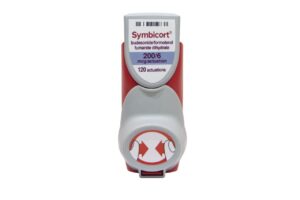
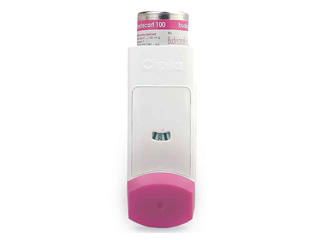
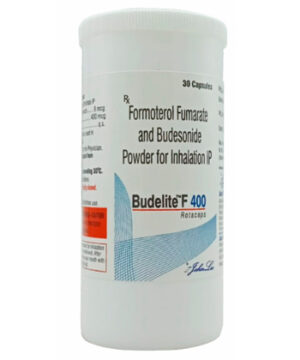

Budesonide Inhaler (Australia) — Patient-Friendly Medicine Guide
Budesonide inhaler is a corticosteroid medicine used to help control inflammation in the airways. It is commonly prescribed for conditions such as asthma and, in some forms, other chronic airway problems where ongoing control of inflammation is needed.
This guide explains how budesonide inhalers work, when and how to use them, what to expect, common safety points, and answers to frequently asked questions. Always follow the instructions given by your clinician and the consumer medicine information (CMI) supplied with your specific product.
Key Product Information
| Feature | What to know |
|---|---|
| Active ingredient | Budesonide |
| Medicine type | Inhaled corticosteroid (anti-inflammatory) |
| How it’s used | Inhalation into the lungs (prevents and controls inflammation) |
| Common conditions | Asthma; some products may be used in other airway conditions as advised |
| Common benefits | Reduces airway swelling and sensitivity, improves symptom control, lowers risk of flare-ups |
| Important note | It does not provide instant relief like a reliever inhaler; it works over time |
How Budesonide Inhalers Work (Mechanism of Action)
Budesonide is an inhaled corticosteroid. After you inhale the medication, it acts mainly in the airways:
- Reduces inflammation in the bronchial lining (airways).
- Decreases mucus production and airway swelling.
- Improves airway responsiveness, making it easier to breathe and reducing symptoms triggered by asthma triggers.
- Helps prevent flare-ups (also called exacerbations), particularly when used consistently.
Important: Budesonide inhalers are controller medicines. They are not designed for immediate relief during sudden symptoms.
Pharmacokinetics (How the Body Handles the Medicine)
Understanding pharmacokinetics can help set expectations about how quickly inhaled budesonide begins to work and why technique matters.
- Absorption in the lungs: A portion of the inhaled dose reaches the airways; technique and device type influence how much is deposited.
- Systemic absorption: Some medication can be swallowed (especially with inhalers that deposit medication in the throat) and may enter the gastrointestinal tract.
- First-pass metabolism: Budesonide is extensively metabolised in the liver (the “first-pass” effect).
- Elimination: Metabolites are removed primarily via the kidneys.
- Onset: Asthma control improves over hours to days, with best results usually over 1–2 weeks (sometimes longer depending on severity and adherence).
Your clinician may also adjust your dose based on symptom control and risk of exacerbations.
Typical Uses in Australia
Budesonide inhalers are used to treat conditions where airway inflammation needs long-term control. The most common use is in:
- Asthma — to prevent symptoms and reduce the chance of flare-ups.
Some inhaled budesonide-containing products are also used in other airway conditions depending on the formulation and clinical guidance. Your specific product label and CMI will state the approved indications for that formulation.
Indications (When Budesonide is Recommended)
In practical terms, budesonide inhalers are generally recommended when:
- You have persistent asthma symptoms (e.g., symptoms more than occasionally).
- You need regular preventive therapy to reduce flare-ups.
- Symptoms suggest ongoing airway inflammation, even if symptoms vary day-to-day.
- Your clinician recommends stepping up or down therapy based on current control.
Do not stop or change your budesonide dose without professional advice, even if you feel better. Inhaled corticosteroids work best when used consistently.
How to Take Budesonide Inhaler: Timing and Routine
Follow your prescribed (or product-label) directions. General advice for controller inhalers:
- Consistency matters: Use every day as directed, even when you feel well.
- Choose a convenient time: Many people use it twice daily (morning and evening) if that’s their regimen, or once daily if prescribed for their specific product.
- Use the right technique: Incorrect technique can reduce dose delivery to the lungs and increase side effects in the mouth/throat.
Typical timing tips:
- Take it at the same times each day to maintain steady control.
- If you miss a dose, take it when you remember unless it’s close to the next dose—then skip the missed dose and continue your regular schedule. (Follow your CMI for the exact advice for your product.)
Step-by-Step Practical Use Tips (Including Mouth Rinsing)
Proper inhaler technique is one of the most important factors in getting the full benefit.
- Prepare the device according to its type (metered-dose inhaler, dry powder inhaler, or other device). Check your device instructions or the CMI.
- Exhale fully away from the device.
- Seal your lips around the mouthpiece (if applicable) and start a slow, steady inhalation as directed by your device type.
- Actuate and inhale (for pressurised devices) or follow the breath-activated instructions for your device.
- Hold your breath for about 5–10 seconds (or as comfortably possible) to allow medicine to settle in the lungs.
- Rinse and spit after use (recommended):
- Use water to rinse the mouth, then spit it out.
- This can reduce the risk of thrush (oral candidiasis) and hoarseness.
If you use a spacer (often recommended for many pressurised inhalers, especially for children or when technique is difficult), ask your pharmacist or clinician how to use it correctly.
Food Interactions (Are There Any?)
Because budesonide is delivered to the lungs, food interactions are generally not a major concern. However:
- Most people can take inhaled budesonide with or without food.
- If the medication deposits in the throat and you swallow some of it, routine food intake typically does not cause clinically meaningful interactions.
- For the most accurate instruction, always refer to your product’s CMI.
Alcohol and Medicine Interactions
Alcohol
There are no specific, well-established interactions between alcohol and inhaled budesonide that would require avoiding alcohol for most people. However:
- Alcohol can trigger symptoms in some people with asthma (e.g., via airway irritation or reflux).
- If alcohol worsens breathing or causes coughing/wheezing, consider limiting intake and discussing with your clinician.
Other medicines (important interactions)
Certain medicines can affect how budesonide is metabolised in the liver, potentially increasing its effects. Examples include:
- Strong CYP3A4 inhibitors (e.g., some antifungals and certain antibiotics) can raise budesonide levels.
- Oral corticosteroids used alongside inhaled budesonide may increase overall steroid exposure.
- Other inhaled therapies (e.g., long-acting bronchodilators, relievers) may be used together as part of an asthma plan.
Always inform your pharmacist or clinician about all medicines you take, including:
- Prescription and over-the-counter medicines
- Herbal products and supplements
- Any recent courses of antibiotics/antifungals
Dose Information (General Guidance)
Dosing varies by:
- Your age
- The severity of the condition
- The specific product and device (micrograms per puff or dose)
- Whether it’s used alone or as part of combination therapy
Do not use a different dose from your product label or clinician instructions. If you’re unsure, check the CMI or ask your pharmacist.
Typical dosing patterns (examples only)
Many budesonide inhalers are used as:
- Once daily in some asthma regimens
- Twice daily in many other regimens
The exact number of inhalations and strength (e.g., micrograms per dose) must be confirmed for your specific product.
How Soon Will It Work? What to Expect
- Early improvement: Some people notice symptom reduction within the first few days.
- Best effect: Maximum benefit typically takes 1–2 weeks (sometimes longer) with consistent use.
- Reliever use: If you use a separate reliever (like a fast-acting bronchodilator), your clinician may advise how to manage your reliever use while starting or adjusting budesonide.
If your breathing does not improve, symptoms worsen, or you need your reliever much more often than usual, seek medical advice promptly.
Safety Profile: Common, Serious, and When to Get Help
Budesonide inhalers are generally well tolerated when used correctly at the recommended dose. Like all medicines, they have potential side effects.
Common side effects
- Hoarseness or changes in voice
- Sore throat
- Oral thrush (white patches or soreness in the mouth)
- Cough immediately after inhaling (sometimes)
These are often reduced by:
- Using correct inhaler technique
- Rinsing and spitting after each dose
- Using a spacer (if appropriate for your device)
Less common concerns
- Systemic corticosteroid effects are less likely with inhaled therapy than with oral steroids, but risk can increase with higher doses or long-term use.
- Children may be monitored for growth if high doses are used over time (your clinician will advise).
- Rarely, skin thinning, bruising, or cataracts/glaucoma may occur with prolonged steroid exposure; report any eye symptoms.
Seek urgent medical advice if
- You have severe worsening of breathing
- You have signs of a serious allergic reaction (e.g., swelling of face/lips, difficulty breathing beyond your typical asthma symptoms, hives)
- You develop symptoms suggesting thrush that are severe, not improving, or accompanied by fever or significant pain
- You experience chest tightness or wheeze that does not respond as expected to your asthma action plan
Safety for Special Situations
Children
Budesonide inhalers may be used in children as part of asthma management. Technique and dosing are especially important. A spacer is often recommended, and parents/carers should ensure correct inhaler use and mouth rinsing when appropriate.
Pregnancy and breastfeeding
Inhaled corticosteroids may be used during pregnancy and breastfeeding when needed for asthma control. Poor asthma control can pose risks to both parent and baby. Discuss treatment options with your clinician to weigh benefits and risks.
Older adults
Older adults can use budesonide inhalers safely in many cases, but should be monitored for side effects—particularly voice changes, thrush, and, with long-term higher doses, possible systemic effects.
Practical Tips for Better Results
- Check technique regularly: Technique problems are common. Ask your pharmacist or nurse to observe your inhaler use periodically.
- Don’t skip rinsing: Rinse your mouth and spit after each dose to reduce thrush and hoarseness.
- Know your roles: Use a reliever for quick relief as directed, and use budesonide as the prevention/controller.
- Track symptoms: Keep note of day symptoms, night waking, and reliever use. This helps your clinician adjust therapy.
- Monitor your action plan: Follow your written asthma plan for flare-ups.
- Replace devices as required: Many inhalers have dose counters or expiry dates—check them.
Alternative Options (What Else May Be Used?)
Depending on your condition, severity, and response, clinicians may consider alternatives or add-ons. Common options include:
- Other inhaled corticosteroids (e.g., fluticasone, beclomethasone) with different strengths and dosing schedules.
- Combination inhalers that include an inhaled corticosteroid plus a long-acting bronchodilator (used for better overall control in some people).
- Other controller medicines such as leukotriene receptor antagonists or long-acting bronchodilators in select cases (depending on individual assessment).
- Reliever medicines for fast symptom relief (not a substitute for controller use).
Your clinician can help choose an option based on your symptoms, triggers, inhaler preference, and device technique.
Delivery and Availability in Australia
Many budesonide inhalers are available through Australian pharmacies and can be ordered online by eligible customers. Availability can vary by:
- The exact strength and device type (and whether it’s a standalone inhaler or combination product)
- Formulation requirements and stock levels
- Whether the product is in current supply
When purchasing online, ensure the product matches the dose and device instructions you expect. Check packaging details and follow the CMI included with your product.
Delivery considerations: Delivery timeframes depend on the pharmacy, your location, and courier service. Some pharmacies may offer standard or express shipping. If you need urgent relief for asthma symptoms, contact your pharmacy directly for availability and delivery options.
Market and Legal Context for Australia (General Information)
Medicines in Australia are regulated under the Therapeutic Goods Administration (TGA) framework. Inhaled medicines like budesonide inhalers are supplied in line with Australian prescribing and dispensing rules and must meet quality and safety requirements.
Online pharmacies typically supply medicines in accordance with Australian legal requirements and may require appropriate customer eligibility checks. Always ensure you are receiving the correct product for your needs and that it is within its expiry date.
Recent Guidance and Updates (What to Keep in Mind)
Asthma management guidance in Australia is influenced by internationally recognised best practice and local clinical recommendations. Key ongoing themes include:
- Inhaler technique is essential and should be reviewed regularly.
- Consistent controller use reduces flare-ups and improves long-term control.
- Step-up/step-down therapy may be used when symptoms are well controlled to minimise exposure while maintaining safety.
- Risk of thrush and hoarseness should be addressed with mouth rinsing and technique.
If you haven’t had a review of your asthma treatment plan in a while, it’s a good idea to ask your clinician or pharmacist for an update—especially if you’ve had recent flare-ups.
FAQ — Budesonide Inhaler
1) Is budesonide inhaler a reliever or a preventer?
Budesonide inhaler is a preventer/controller. It treats inflammation and helps prevent symptoms and flare-ups. It typically does not work instantly for sudden breathlessness, unlike a fast-acting reliever inhaler.
2) How long does it take before I feel better?
Some improvement may occur within days, but best results often take 1–2 weeks with regular use. If you feel worse or your breathing rapidly deteriorates, seek medical advice.
3) Why am I still using my reliever?
While budesonide reduces inflammation over time, your reliever is used for faster symptom relief. Your action plan should explain how to manage reliever use during flare-ups or when starting a controller.
4) What should I do if I miss a dose?
Take it as soon as you remember unless it’s near your next dose. Do not double up. Check the CMI for your exact product for specific instructions.
5) How can I prevent thrush and hoarseness?
Rinse your mouth with water and spit it out after each dose. Using a spacer (if suitable for your inhaler type) and ensuring correct technique can also help.
6) Can I use budesonide if I drink alcohol?
There is usually no direct interaction, but alcohol may worsen asthma symptoms in some people. If alcohol triggers coughing or wheeze, consider reducing intake and discussing options with your clinician.
7) Are there interactions with other medicines?
Certain medicines may affect steroid metabolism, potentially changing budesonide exposure. Tell your pharmacist or clinician about all medicines you take, especially some antifungals and antibiotics, and any other steroid medicines.
8) Is long-term use safe?
Inhaled corticosteroids are commonly used long-term in asthma when benefits outweigh risks. The risk of systemic effects is generally lower than with oral steroids. Using the lowest effective dose and regular reviews helps maintain safety.
9) Can children use budesonide inhalers?
Yes, budesonide inhalers may be used in children as part of asthma treatment plans. Correct technique (often with a spacer) is vital. Clinicians may monitor growth and overall well-being for higher-dose or long-term use.
10) What if I accidentally use more than prescribed?
If you think you may have taken too much, contact your pharmacist or seek medical advice. Inhaled steroids at higher doses may increase side effects, such as thrush or systemic effects, depending on the amount and duration.
Summary
Budesonide inhaler is an inhaled corticosteroid designed to control asthma by reducing airway inflammation. For best results, use it consistently, with correct inhaler technique, and rinse your mouth after each dose. While it is not a reliever for sudden symptoms, it can significantly improve long-term breathing and reduce flare-ups when used as part of a personalised asthma management plan.
If you have questions about the right device, correct technique, or how your budesonide should fit into your asthma action plan, speak with your pharmacist or clinician.