
Budesonide/Formoterol Inhaler (Budesonide Formoterol) — Patient Information
Budesonide/Formoterol Inhaler is a combination medicine used to help manage conditions such as asthma and chronic obstructive pulmonary disease (COPD) where both: airway inflammation and airflow narrowing are important. It contains:
- Budesonide – an inhaled corticosteroid (ICS) that reduces inflammation in the airways
- Formoterol – a long-acting beta2-agonist (LABA) that relaxes airway muscles to improve breathing
This page explains what the medicine does, how it works, how to use it safely and effectively, and what to consider regarding interactions, safety, dosing, and availability in Australia.
Key Product Information
| Category | Details |
|---|---|
| Medicine type | Combination inhaler: inhaled corticosteroid (budesonide) + long-acting beta2-agonist (formoterol) |
| Common uses | Asthma maintenance (and in some regimens, symptom relief as directed), COPD maintenance |
| Onset and timing | Formoterol can start working quickly; budesonide benefits build over days to weeks |
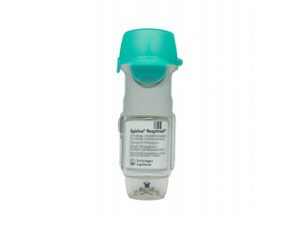
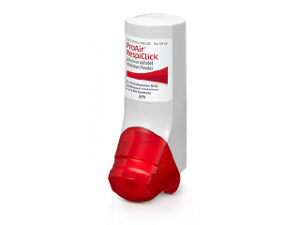
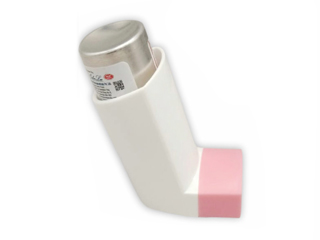
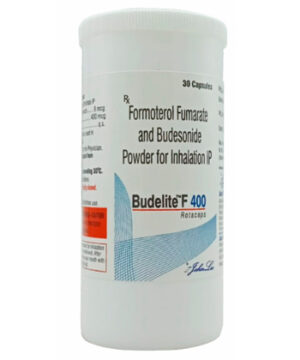
| How it’s taken | Inhaled (usually via a press-and-breathe or dry powder device depending on brand/presentation) |
| Where it acts | Primarily in the lungs/airways |
| Inhaler technique | Correct technique is essential for effectiveness |
Important: Different brands and strengths exist. Always check the label and follow the specific instructions provided with your inhaler device and by your healthcare professional.
How Budesonide/Formoterol Works (Mechanism of Action)
Breathing problems in asthma and COPD often involve both airway inflammation and airway muscle tightening, which narrows the airways.
-
Budesonide (ICS):
- Reduces inflammatory chemicals in the airways
- Helps decrease swelling and mucus production
- Improves airway responsiveness over time
-
Formoterol (LABA):
- Stimulates beta2 receptors on airway smooth muscle
- Causes relaxation of airway muscles
- Improves airflow and reduces symptoms like wheeze and shortness of breath
Why the combination matters: Inhaled corticosteroid therapy treats the underlying inflammation (budesonide), while formoterol provides bronchodilation (airway opening). Together, they help control symptoms and reduce the risk of flare-ups when used correctly.
Pharmacokinetics (How the Body Handles the Medicine)
Pharmacokinetics describes how the medicine is absorbed, distributed, metabolised, and eliminated. For inhaled medicines, drug delivery to the lungs and correct inhaler technique strongly influence overall effectiveness.
Absorption
- Inhaled delivery: Both budesonide and formoterol are delivered directly to the airways.
- Lung deposition: A larger portion delivered to the lungs generally improves local effect and reduces unwanted effects elsewhere.
- Swallowing some dose: Like many inhaled therapies, some medication may reach the throat and be swallowed; it can then be absorbed via the gastrointestinal tract.
Distribution
- Both components distribute into body tissues after absorption. Local lung concentrations are the main goal.
Metabolism
- Budesonide: Metabolised largely in the liver (primarily by enzymes such as CYP3A4).
- Formoterol: Also metabolised mainly in the liver with further pathways contributing to elimination.
Elimination
- Excretion occurs mainly through urine and may also involve other pathways depending on metabolites.
- The overall duration of symptom control is influenced by the inhaled dose, lung retention, and metabolism.
Practical implication: People taking medicines that affect liver enzymes (for example, some antifungals or certain antibiotics) may have altered exposure to these inhaled components. For this reason, always check for interactions.
Typical Use and Timing
Budesonide/formoterol is used for ongoing control. It is not just for immediate relief (unless your specific treatment plan is designed to use it for symptom relief).
When it’s usually taken
- Asthma: Typically taken regularly to maintain control.
- COPD: Usually taken regularly as maintenance therapy.
Timing and routine
- Use it at the times prescribed (often twice daily for maintenance).
- Take doses consistently and avoid missed doses where possible.
- If you’ve been instructed to use it for symptom relief in certain regimens, follow your personal action plan.
Missed dose: If you miss a dose, take it when you remember unless it’s close to the next dose. Do not double up unless advised.
Foods, Alcohol, and Interactions
Food interactions
Because budesonide/formoterol is inhaled, there are typically no major food interactions. Some people still notice minor effects such as throat irritation, but food generally does not meaningfully change how the medicine works.
Tip: If you notice throat irritation, rinse your mouth and gargle after using your inhaler (unless your specific brand instructions say otherwise). This helps reduce the risk of oral thrush.
Alcohol and medicine interactions
- Alcohol: Alcohol doesn’t directly neutralise the medicine, but it can worsen breathing, sleep quality, dehydration, or inflammation in some people. If you have asthma or COPD, it’s wise to keep alcohol moderate and be alert to increased breathlessness.
-
Other medicines that may interact: Discuss any of the following with your pharmacist or clinician:
- Beta-blockers (including some eye drops): can reduce the effect of formoterol or potentially trigger bronchospasm in susceptible people.
- Non-selective beta-blockers: higher risk for airway symptoms; selective options may be considered in some cases but should be clinician-led.
- Other bronchodilators (including LABAs or frequent short-acting beta2 agonists): may increase side effects if overused.
- Diuretics (“water tablets”) and certain medicines that lower potassium: together with beta2 agonists can increase the risk of low potassium.
- Some antidepressants (e.g., tricyclics, MAO inhibitors) and other medicines affecting heart rhythm: may increase cardiovascular effects risk.
- Some antifungals and antibiotics that affect liver enzymes (e.g., CYP3A4 inhibitors): may increase budesonide exposure.
If you’re unsure about an interaction, you can bring a list of your medicines (including vitamins, herbal products, and eye drops) to your pharmacist.
Indications (What It’s Used For)
Budesonide/formoterol inhalers are used to treat:
- Asthma: Helps control symptoms and reduce the risk of flare-ups. In some specific asthma plans, it may be used both for maintenance and symptom relief (often referred to as a “single inhaler” approach). The exact regimen depends on your prescribed product and your individual care plan.
- COPD: Helps improve symptoms and reduce exacerbations in people with chronic obstructive pulmonary disease.
The best approach depends on your severity, symptoms, lung function, and whether you also use other inhalers (such as short-acting relievers).
Dosing Guidance (General Information)
Dosing depends on the condition being treated, your age, symptom control, and the specific inhaler strength. Always follow your prescribed instructions and the product label.
Typical maintenance dosing patterns
- Asthma: Often taken twice daily for maintenance (frequency and strength vary).
- COPD: Often taken twice daily for maintenance (strength varies).
Reliever versus maintenance use
Some asthma action plans use this combination inhaler for both maintenance and relief. Other plans use a separate “reliever” (often a short-acting beta2-agonist).
- If your plan is to use budesonide/formoterol for symptom relief, follow the maximum number of inhalations specified for your product and action plan.
- If your plan uses a separate reliever inhaler, budesonide/formoterol is primarily for ongoing control.
Do not exceed recommended maximum doses
Overuse can increase the risk of side effects from formoterol (such as tremor, fast heart rate, or low potassium) and may indicate poor asthma/COPD control requiring review.
Safety Profile and Side Effects
Budesonide/formoterol is generally well tolerated when used correctly. However, like all medicines, it can cause side effects.
Common side effects
- Throat irritation or hoarseness
- Oral thrush (candidiasis) — more likely if mouth isn’t rinsed after use
- Cough or mild irritation after inhalation
- Headache
- Tremor (formoterol effect)
- Palpitations or feeling “on edge” (formoterol effect), usually dose-related
Less common but important effects
- Low potassium (hypokalaemia): risk may be higher with high doses or certain interacting medicines (e.g., diuretics).
- Raised blood sugar: may occur particularly in susceptible people.
- Adrenal suppression (with higher or long-term corticosteroid exposure): uncommon with inhaled doses but more relevant with high-dose ICS or additional steroid use.
- Eye complications: long-term steroid exposure (usually risk relates to cumulative corticosteroid exposure, including oral steroids) may increase risk of cataracts or glaucoma—clinician-led monitoring may be recommended.
- Infection risk: inhaled steroids can slightly increase susceptibility to infections like thrush.
Seek urgent medical help if
- You have severe breathing difficulty or your symptoms rapidly worsen
- You experience chest pain, fainting, or severe palpitations
- Signs of a severe allergic reaction occur (e.g., swelling of face/lips, hives, trouble breathing beyond your usual condition)
Long-term safety considerations
- Inhaled corticosteroids generally have a lower risk profile than oral steroids, but the lowest effective dose should be used.
- Regular reviews help ensure your asthma/COPD remains controlled with minimal medication burden.
Practical Use Tips (Get the Best Out of Your Inhaler)
Correct inhaler technique is one of the biggest factors behind good symptom control. If you have questions, ask your pharmacist to watch your technique.
General steps (adapt to your specific device instructions)
- Check your inhaler: Ensure it’s not empty and that you understand how to prime/load it (depending on device type).
- Breathe out fully: away from the inhaler (helps create space for inhaled medicine).
- Seal your lips: around the mouthpiece if using a metered-dose inhaler style.
- Press and inhale (if applicable): press the canister at the right moment for metered dose devices, or follow the breath-activation/loading method for other devices.
- Hold your breath: for about 5–10 seconds (or as tolerated) to allow deposition in the lungs.
- Rinse and spit (ICS tip): rinse your mouth and gargle after use to reduce thrush risk.
When you might need extra support
- If you find it hard to coordinate pressing with inhaling
- If you have hand-strength issues or tremor
- If you have frequent symptoms despite regular use
In these cases, your pharmacist or clinician may recommend a spacer device (for appropriate inhaler types), a technique re-check, or a different device.
Alternative Options (What Else May Be Used)
Depending on your diagnosis and symptom pattern, alternatives may include:
- Inhaled corticosteroids alone (ICS): for asthma where bronchodilation needs are less prominent
- ICS/LABA alternatives: other combinations with different dosing strengths or device types
- Triple therapy for COPD (ICS/LABA/LAMA): in some patients with more frequent exacerbations or persistent symptoms
- Bronchodilator-only options: for certain COPD symptom patterns (depending on clinical guidance)
Your pharmacist can explain differences among inhaler types and help you identify which option best fits your needs and device preference.
Australia Market & Legal Context (At a Glance)
In Australia, inhaled respiratory medicines are regulated under the Therapeutic Goods framework. Availability may vary by brand, strength, and intended use, with some products being supplied by prescription and others available under pharmacy arrangements depending on local rules.
- Label accuracy: Ensure the inhaler you receive matches the strength and directions on your regimen.
- Device differences: Even if two inhalers share the same active ingredients, they can have different strengths and operating instructions.
- Continuity of care: If you switch brands or devices, technique and dose timing may change slightly.
Pharmacy staff can assist with safe supply, explanation of instructions, and checking interactions with your other medicines.
Recent Guidance and Monitoring (What to Expect in Ongoing Care)
Asthma and COPD management in Australia commonly emphasises:
- Using inhaled therapy regularly for maintenance control
- Using the correct reliever strategy based on your action plan
- Reviewing inhaler technique at follow-up visits
- Stepping therapy up or down depending on control and side effects
- Addressing comorbidities (e.g., allergic rhinitis, reflux, smoking exposure, infections)
If you are using budesonide/formoterol and still experiencing symptoms, it’s important to reassess technique, triggers, adherence, inhaler type, and whether your treatment plan needs adjustment. Do not stop suddenly without clinical advice.
Delivery and Availability
Availability depends on the specific brand and strength. In an online pharmacy setting, stock can vary and may require confirmation at dispatch.
- What to check: The strength (how many micrograms per actuation, if applicable), the number of inhalations per device, and the device type.
- Packaging: Ensure the product is sealed and within expiry date on arrival.
- Shipping times: Delivery estimates depend on your location and current logistics.
If you’re unsure whether the inhaler you’re buying matches your existing regimen, contact customer support or speak with a pharmacist before using it.
FAQ
1) What is budesonide/formoterol used for?
It’s used to treat and maintain control of asthma and COPD by reducing airway inflammation (budesonide) and improving airflow (formoterol). Some asthma plans may also use it as part of a reliever-and-maintainer strategy depending on the regimen provided.
2) How quickly will it work?
Formoterol can start working relatively quickly to ease breathing. Budesonide works more slowly; benefits typically build over days to weeks with regular use.
3) Do I still need a reliever inhaler?
It depends on your individual asthma/COPD action plan and the regimen prescribed for your specific product. Some people use a separate reliever, while others may use budesonide/formoterol for both maintenance and relief under specific plans. Follow your personal instructions.
4) Should I rinse my mouth after using it?
Yes. Rinsing your mouth and gargling (then spitting out) after inhaled steroid use helps reduce the risk of oral thrush and hoarseness.
5) What if my breathing gets worse while using it?
If symptoms worsen quickly, you may need urgent assessment and an appropriate reliever. Contact your clinician or seek urgent care if you’re struggling to breathe, using your reliever frequently, or your symptoms are not responding as expected.
6) Can I use it with other inhalers?
Many people use multiple inhalers (for example, relievers and maintenance therapies). Using more than one long-acting bronchodilator can increase side effects, so ensure your regimen is coordinated by a clinician or pharmacist.
7) Are there foods or drinks I must avoid?
There are typically no major dietary restrictions with inhaled budesonide/formoterol. However, alcohol may worsen breathing or triggers in some people, so moderation and awareness of your body’s response is advised.
8) Can I drive or operate machinery after using it?
Usually, inhaled budesonide/formoterol does not significantly impair driving ability. However, if you feel dizzy, jittery, or unusually unwell, avoid driving and seek advice.
9) How do I know my inhaler technique is correct?
If you’ve had frequent symptoms or you’re unsure, ask a pharmacist to watch your technique. Small changes—like timing the actuation/inhalation or breath holding—can make a big difference.
10) What should I do if I forget a dose?
Take it when you remember unless it’s close to your next dose. Do not double dose unless instructed.
Bottom Line
Budesonide/formoterol inhalers combine two medicines to support long-term control of airway inflammation and airflow limitation. With correct technique, regular use, and appropriate follow-up, many people with asthma or COPD experience fewer symptoms and reduced risk of flare-ups.
If you have any concerns about side effects, interactions with your current medicines, or whether your inhaler matches your care plan, speak with a pharmacist for personalised guidance.