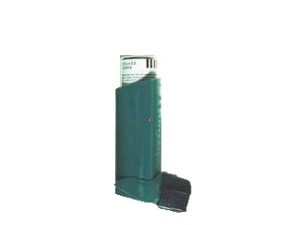
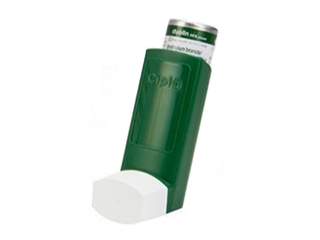
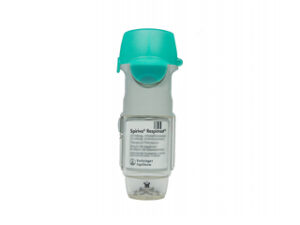
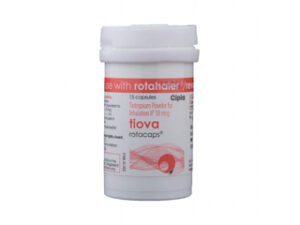
Tiova Inhaler (Tiotropium Bromide) — Patient Information (Australia)
Tiova Inhaler contains tiotropium bromide, a medicine used to help people with certain long-term lung conditions breathe more easily. This page explains what it does, how to use it correctly, what to expect, and key safety information—written for everyday understanding.
Quick Facts
- Medicine: Tiotropium bromide
- Type: Long-acting inhaled antimuscarinic (bronchodilator)
- How it works: Relaxes airway muscles and helps keep airways open
- Common use: Chronic obstructive pulmonary disease (COPD) and related airflow limitation
- How often: Usually once daily (depending on the specific device and prescriber directions)
- Best effect: Builds over time; aim for consistent daily use
Basic Product Information
| Category | Details |
|---|---|
| Brand | Tiova Inhaler |
| Active ingredient | Tiotropium bromide |
| Medicine class | Inhaled long-acting antimuscarinic bronchodilator |
| Route | Inhalation (delivered to the lungs) |
| Typical dosing pattern | Often once daily, via a specific inhaler technique |
Availability and exact strength can vary by product format (e.g., inhaler type). Always check the pack label for the correct device and dosing instructions.
How Tiova Inhaler Works (Mechanism of Action)
Tiotropium bromide belongs to a group of medicines called antimuscarinics (also known as anticholinergics). In the airways, natural chemical signals (including acetylcholine) can stimulate airway narrowing.
Tiotropium blocks muscarinic receptors in the airways. This helps:
- Relax smooth muscle in the bronchi (airways)
- Reduce bronchoconstriction (airway tightening)
- Improve airflow and breathing comfort over time
- Support symptom control for long-term lung disease
Because it is long-acting, it helps maintain open airways throughout the day and night with regular daily use.
Pharmacokinetics (What the Body Does to the Medicine)
Pharmacokinetics describes how the body absorbs, distributes, metabolises, and eliminates a medicine. With inhaled tiotropium, most effects relate to local action in the lungs.
Absorption and lung targeting
- Tiotropium is inhaled, delivering medicine directly to the airways.
- Only a portion of the dose reaches the lungs; some may be swallowed and absorbed through the gut.
Distribution
- Once absorbed, tiotropium distributes into the body, including the systemic circulation.
- Its key clinical benefit comes from the local bronchodilator effect.
Metabolism
- Tiotropium is not extensively metabolised.
Elimination
- Tiotropium is primarily eliminated by the kidneys.
- Reduced kidney function may increase medicine exposure, so appropriate caution and monitoring may be advised.
Individual responses vary. If you have kidney disease or concerns about metabolism and clearance, discuss them with your healthcare professional.
Typical Use and Indications
Tiova Inhaler is used for long-term management of chronic obstructive pulmonary disease (COPD). It is intended to help improve breathing and reduce symptoms such as breathlessness and airflow limitation.
In some patients, tiotropium may also be used in other airflow-limiting conditions where antimuscarinic therapy is appropriate. Your clinician will confirm whether tiotropium is suitable for your specific diagnosis and treatment plan.
Common goals of therapy
- Improve or maintain lung function
- Reduce breathlessness
- Support daily symptom control
- Reduce impact of COPD on everyday activities
Timing and How Long It Takes to Work
Because Tiova Inhaler is a long-acting bronchodilator, it is generally used as a maintenance medicine. It works gradually and you should take it at the same time each day.
- When to take: Often once daily, as directed for your device/pack.
- Onset: Some patients notice improvement shortly after use, while others benefit over several days.
- Consistency matters: Regular use helps maintain the benefit throughout the day and night.
Important: Tiotropium is not designed for immediate relief of sudden breathing attacks. For sudden symptoms, your action plan may involve a fast-acting “reliever” inhaler. Follow your clinician’s instructions.
Dosing (General Guidance for Adults)
Dosing depends on the exact inhaler device and the strength available in your country. Always follow the directions provided by your healthcare professional and the instructions on the product pack.
Typical adult dosing pattern
- Common schedule: Once daily maintenance dosing.
- Do not exceed the prescribed dose or use it more frequently unless advised.
Missed dose
- If you miss a dose, take it when you remember unless it’s close to the next dose.
- In that case, skip the missed dose and continue with your usual schedule.
If you’re unsure, contact your pharmacist for personalised advice based on your pack instructions.
Food Interactions
Tiotropium is delivered via inhalation and has minimal dependence on food. For most people, food does not significantly affect the medicine’s effectiveness.
- No special fasting is generally required.
- If you accidentally swallow medication from the device, this usually does not create a clinically meaningful interaction with meals.
Still, always follow the device technique carefully to maximise lung delivery.
Alcohol and Medicine Interactions
Alcohol
There are no well-established direct interactions between tiotropium and alcohol. However, alcohol can worsen breathlessness in some people with lung disease and may affect judgement, coordination, and adherence to inhaler technique.
- If you drink alcohol, do so in moderation.
- Be mindful of changes in breathing and avoid alcohol if it worsens your symptoms.
Other medicines
Tell your pharmacist or doctor about all medicines you use, including tablets, inhalers, and over-the-counter products. Interactions may include other inhaled or systemic medicines that have anticholinergic activity.
Common interaction considerations
- Other antimuscarinic/anticholinergic medicines: Using multiple anticholinergic medicines together may increase side effects such as dry mouth, urinary retention, or blurred vision.
- Inhaled bronchodilators (e.g., beta-agonists): Combination therapy may be used in COPD plans; interactions depend on the regimen.
- Medicines affecting urinary retention risk: Caution may be needed in people with prostate enlargement or bladder problems.
If you are taking other inhalers (including maintenance and reliever types), ensure your treatment plan is coordinated so you know what to use daily and what to use for sudden symptoms.
Safety Profile and Side Effects
Most people tolerate tiotropium well. Side effects can occur, and some symptoms require prompt medical attention—especially if they suggest an allergic reaction or severe eye/urinary effects.
Common side effects
- Dry mouth
- Sore throat or throat irritation
- Cough
- Headache
- Constipation (may occur in some people)
Less common but important effects
- Urinary retention (difficulty passing urine), particularly in people with known urinary problems
- Blurred vision or eye pain if medication gets into the eyes
- Dizziness or palpitations in some patients
Seek urgent medical help if
- You develop signs of an allergic reaction such as swelling of the face/lips, hives, or trouble breathing beyond your usual pattern.
- You experience severe eye pain or significant vision changes after inhalation.
- You cannot urinate or have severe discomfort when trying to urinate.
Who should use caution
- Eye conditions such as narrow-angle glaucoma (risk increases if mist reaches eyes)
- Urinary retention or significant prostate/bladder issues
- Kidney problems (since tiotropium is primarily eliminated by kidneys)
- Older adults may be more susceptible to anticholinergic side effects
This information is general. Your clinician or pharmacist can tailor advice based on your health history.
Practical Use Tips (How to Get the Best Results)
The effectiveness of an inhaler depends heavily on correct technique. Follow the instructions on your specific Tiova inhaler device. If possible, ask your pharmacist or clinician to watch you use it.
Technique essentials
- Read the device instructions: Different inhalers require different steps.
- Prepare properly: If your device requires priming or loading a dose, do it exactly as instructed.
- Breathe out gently: Before inhaling the dose, exhale away from the device (as directed).
- Inhale slowly and deeply (unless your device instructions specify otherwise).
- Hold breath for a few seconds if your technique guide advises it.
- Avoid getting mist into your eyes—especially if you notice eye irritation.
After using the inhaler
- If you experience throat irritation, rinse your mouth and spit (only if your product instructions support this for your device).
- Note any side effects or symptom changes, particularly during the first week.
Device care and storage
- Keep the inhaler dry and store it at the recommended temperature range on the pack.
- Check dose counters (if included) and replace the device when empty or expired.
Alternative Options (If Tiova Inhaler Isn’t Suitable)
COPD treatment commonly uses combinations of bronchodilators. Alternative options may include:
- Other long-acting antimuscarinics (different tiotropium-related formulations or molecules)
- Long-acting beta-agonists (LABAs)
- Combination inhalers (e.g., LAMA + LABA)
- Short-acting relievers for rescue symptom relief (as part of an action plan)
- Inhaled corticosteroids in selected patients based on exacerbation history and severity (not an antimuscarinic)
Your clinician can guide which alternative best matches your COPD severity, symptom pattern, and past response to therapy.
Australia: Market, Legal and Guidance Context
In Australia, medicines are regulated by the Therapeutic Goods Administration (TGA), and community and hospital pharmacy practices follow national standards. Inhaled respiratory medicines are commonly used as part of guideline-based COPD management.
Ongoing clinical guidance for COPD management is influenced by evidence from international and Australian sources, including recommendations on:
- Regular bronchodilator therapy for symptomatic COPD
- Assessing symptoms and exacerbation risk to guide medication intensity
- Correct inhaler technique and adherence support
Recent guidance and updates can occur as new evidence emerges. If you would like, you can ask your pharmacist to summarise current COPD inhaler recommendations and how tiotropium fits in.
Delivery, Availability and Ordering (Australia)
Tiova Inhaler may be available from licensed pharmacy websites and physical pharmacies in Australia, depending on stock levels. When ordering online, confirm:
- Product name and strength match what you need
- Inhaler type (device design) is the one you have been taught to use
- Expiry date is sufficiently far in the future
- Shipping timelines to your location and delivery expectations
Delivery options vary by provider and postcode. Some pharmacies offer standard shipping and express options. If you need the medicine urgently, check the estimated dispatch and delivery times during checkout.
Storage and Disposal
- Store according to the label (commonly below the temperature range stated on the pack).
- Keep away from heat and direct sunlight.
- Do not use after the expiry date.
- Disposal: Return unused or expired medicine to a pharmacy take-back program if available. Follow local waste guidelines where take-back is not offered.
Frequently Asked Questions (FAQ)
1) Is Tiova Inhaler a reliever or a maintenance medicine?
Tiova Inhaler is generally a maintenance medicine for long-term COPD control. It is not intended for immediate relief of sudden breathing difficulty. If you have a reliever inhaler as part of your COPD action plan, use it for sudden symptoms as instructed by your healthcare professional.
2) How quickly will I feel better?
Some people notice improvement after using tiotropium, but the full benefit may develop over days with consistent daily use. If you do not notice any benefit after an appropriate trial period, speak with your pharmacist or doctor—adjustments may be needed.
3) Can I take Tiova with food?
Yes. Tiotropium inhaled therapy is not significantly affected by food for most people. Focus on using the inhaler correctly at the same time each day.
4) What should I do if I miss a dose?
Take it when you remember unless it is close to the next scheduled dose. Do not double up. If you are unsure, ask your pharmacist for advice specific to your dosing schedule.
5) What if the medicine irritates my throat?
Throat irritation or cough can occur. Ensure you are using the correct inhaler technique. Some people find relief by rinsing their mouth and spitting after inhalation (only if this is consistent with your device instructions).
6) Can Tiova Inhaler affect my eyes?
Antimuscarinic medicines can rarely cause eye-related side effects if mist gets into the eyes. If you experience eye pain, redness, or blurred vision after inhalation, seek urgent medical attention.
7) I have trouble passing urine—should I be concerned?
Tiotropium can potentially worsen urinary retention in susceptible individuals. If you have prostate/bladder problems or notice new difficulty urinating, contact your healthcare professional promptly.
8) Are there interactions with other inhalers?
Tiova is often used alongside other COPD medicines, such as long-acting bronchodilators or reliever inhalers, depending on your plan. Interactions are most relevant with medicines that also have anticholinergic effects. Provide your full medication list to your pharmacist for checks.
9) Can I drink alcohol while using Tiova?
There is no well-known direct chemical interaction between tiotropium and alcohol. However, alcohol may worsen breathlessness and affect how well you manage your inhaler routine. Moderate use is generally sensible, and avoid alcohol if it worsens symptoms.
10) What should I do if I use my inhaler incorrectly?
Incorrect technique can reduce the medicine delivered to the lungs. If you’re uncertain, request a technique check from your pharmacist or use the official device instructions to practise. Do not keep taking extra doses—use your prescribed schedule.
Key Takeaways
- Tiova Inhaler (tiotropium bromide) helps open airways and support long-term COPD symptom control.
- Use it consistently, usually once daily, and practise the inhaler technique.
- It is a maintenance medicine, not a substitute for fast relief of sudden breathlessness.
- Be alert to side effects that affect eyes or urine, especially if you have relevant health conditions.
- If you have questions about dosing, technique, or interactions with your other medicines, speak with your pharmacist.