Fluticasone + Salmeterol (Fluticasone + Salmeterol) — Patient Guide (Australia)
Fluticasone + Salmeterol is a medicine used to help control long-term airway conditions such as asthma and chronic obstructive pulmonary disease (COPD). It combines two medicines in one inhaler: fluticasone (an inhaled corticosteroid) and salmeterol (a long-acting bronchodilator).
This guide explains how the medicine works, how to use it safely, what to expect, important interactions, and frequently asked questions for people in Australia.
Basic product information
- Medicines: Fluticasone + Salmeterol
- Type: Inhaled combination therapy (controller medicine)
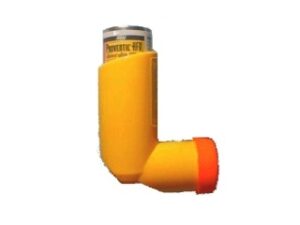
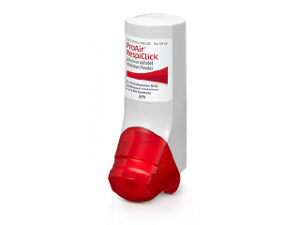
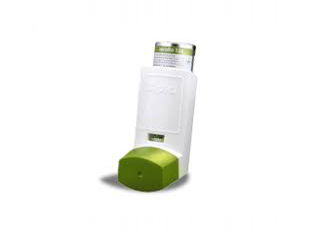
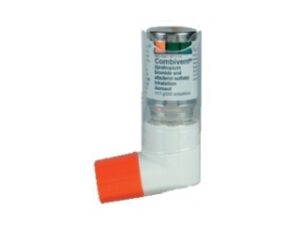
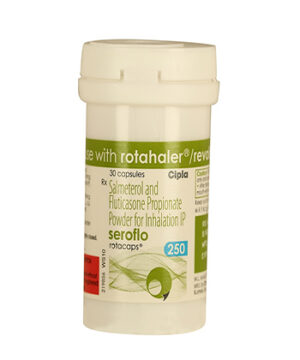
- Common forms: Metered-dose inhaler (often called an Evohaler-type device) or dry powder inhaler/other branded variants, depending on the specific product strength and device
- Where it’s used: Airways (lungs and bronchi)
Because different brands and strengths exist, always check your specific pack for the exact dose (micrograms per actuation) and instructions for your inhaler device. This is especially important for timing, number of puffs, and inhaler technique.
How it works (mechanism of action)
Fluticasone + salmeterol works in two complementary ways to improve symptoms and reduce flare-ups:
1) Fluticasone (inhaled corticosteroid)
- Reduces inflammation in the airways
- Helps decrease airway swelling and mucus production
- Improves long-term control and reduces risk of asthma/COPD exacerbations
2) Salmeterol (long-acting beta2-agonist, LABA)
- Relaxes smooth muscle in the airways
- Widens the bronchi to improve airflow
- Provides longer-lasting bronchodilation (helps symptoms between doses)
Together, they reduce both inflammation and bronchoconstriction for better day-to-day control.
Typical use
Fluticasone + salmeterol is generally used as a maintenance/controller medicine to prevent symptoms and reduce the likelihood of flare-ups. Many people also have a separate reliever medicine for sudden symptoms.
Common indications
- Asthma: For long-term control when symptoms are not adequately managed with an inhaled corticosteroid alone.
- COPD: For maintenance treatment in appropriate patients to improve symptoms and reduce exacerbations.
Whether it’s appropriate for you depends on your diagnosis, severity, current symptom control, and previous response to inhaled therapies.
Timing: when and how to take your doses
Fluticasone + salmeterol is usually taken regularly to maintain control. Many regimens are twice daily (morning and evening), but your specific dosing schedule depends on the product and your treatment plan.
- Take consistently: Try to take doses at similar times each day.
- Don’t “double up”: If you miss a dose, take it when you remember unless it’s close to the next dose.
- For sudden breathlessness: Use your reliever plan as directed; this combination is for long-term control rather than rapid rescue.
Onset of effect: Some bronchodilation can be felt earlier, but the anti-inflammatory benefits develop over days to weeks. If you’re starting this medicine, give it time to work while continuing proper technique and adherence.
Pharmacokinetics (what the body does to the medicine)
Inhaled medicines deliver drug directly to the lungs, but some medication is swallowed and absorbed through the gastrointestinal tract. The exact profile can vary by device and individual factors.
Absorption
- Inhalation: A portion of the dose reaches the airways; a portion deposits in the mouth/throat and may be swallowed.
- Systemic absorption: Both components may be absorbed to a limited extent after inhalation, including through swallowing.
Distribution
- Once absorbed, both components can distribute into body tissues.
- Because fluticasone is highly lipophilic, it can show extensive tissue binding.
Metabolism
- Fluticasone: Primarily metabolised by CYP3A4 in the liver (and to some extent in the gut).
- Salmeterol: Also processed largely via CYP3A4 pathways.
Elimination
- Metabolites are eliminated mainly through bile/feces and to a lesser degree via urine.
Why this matters: medicines that strongly inhibit CYP3A4 can increase systemic exposure and the risk of side effects.
Food interactions
Because fluticasone + salmeterol is delivered via inhalation, food interactions are generally less significant than with tablets. However, swallowed fractions may still be affected by digestion and metabolism.
- In general: There are no common dietary restrictions specifically required for most people.
- Practical tip: Rinse your mouth after inhalation to help reduce local side effects (such as oral thrush and hoarseness), especially if you have a sensitive mouth/throat.
Alcohol interactions
There is no single universal alcohol rule for everyone using fluticasone + salmeterol, but alcohol can affect respiratory health and may worsen asthma/COPD symptoms indirectly.
- Alcohol and breathing: Heavy alcohol intake can impair sleep and breathing patterns, potentially worsening symptom control.
- Alcohol and safety: If you feel dizzy, unwell, or your breathing worsens after drinking, avoid further alcohol and seek medical advice.
If you have liver disease or take other medicines that interact with salmeterol or fluticasone, discuss alcohol use with your healthcare professional.
Medicine interactions
Drug interactions are important because fluticasone and salmeterol are metabolised through CYP3A4. Some medicines can increase levels of these inhaled drugs, raising the risk of systemic side effects.
Key interaction groups
- Strong CYP3A4 inhibitors (may significantly increase drug exposure):
- Examples may include some antifungals and certain antibiotics
- Also includes some HIV antivirals
- Moderate CYP3A4 inhibitors (may increase exposure to a lesser degree)
- Other LABA medicines: using multiple long-acting bronchodilators together can increase side effect risk.
- Beta-blockers: can reduce the effectiveness of beta2-agonists (certain types may be safer than others—this needs clinician guidance).
- Diuretics (water tablets) and systemic steroids: increased risk of potassium changes or other steroid-related effects may be considered depending on your overall regimen.
What to do
- Tell your healthcare professional about all medicines you use (including “as needed” inhalers, tablets, eye drops, creams, and herbal products).
- Be especially careful when starting new medicines, including antibiotics or antifungals.
- Do not stop interacting medicines suddenly without advice.
Dosing: typical regimens and how to check yours
Dosing depends on the specific inhaler strength and your condition (asthma vs COPD). Common schedules are twice daily, but follow the instructions for your exact product.
Check your strength
Your inhaler label typically includes two values (one for fluticasone and one for salmeterol), such as:
- Fluticasone (e.g., in micrograms per actuation)
- Salmeterol (e.g., in micrograms per actuation)
If you’re unsure, look at your packaging or consult the pharmacist on the day you obtain your medicine.
General dosing principles
- Use the lowest effective dose that maintains control, as determined by your healthcare professional.
- Adherence matters: Using doses less frequently than prescribed can lead to poorer control and more symptoms.
- Rinse after inhalation: especially with inhaled corticosteroids, to reduce mouth/throat side effects.
Safety profile: common side effects and when to get help
Most people tolerate fluticasone + salmeterol well. However, it can cause side effects, particularly with incorrect inhaler technique, high doses, or certain risk factors.
Common side effects
- Hoarseness or voice changes
- Throat irritation
- Oral thrush (white patches in mouth, soreness) — reduced by rinsing your mouth after use
- Headache
- Muscle cramps or mild shakiness (often from the bronchodilator component)
- Palpitations (feeling heartbeats), especially shortly after dosing in some people
Serious or urgent symptoms
Seek urgent medical help if you experience:
- Severe worsening breathing or chest tightness that does not improve with your reliever plan
- Allergic reaction (swelling of face/lips/tongue, hives, severe rash, breathing difficulty)
- Chest pain, fainting, or severe irregular heartbeat
- Signs of infection in the mouth/throat not improving, or high fever
Long-term steroid-related considerations
Inhaled corticosteroids generally have fewer systemic effects than oral steroids, but risk increases with higher doses or long-term use. Clinicians monitor asthma/COPD control and may aim for the minimum effective dose.
- Potential systemic effects (uncommon but possible) may include effects on bone health, skin, or eye health (e.g., cataracts/glaucoma), especially with higher exposure.
- Regular review of dose and technique is important.
Practical use tips (inhaler technique, routine, and reminders)
Correct inhaler technique is one of the biggest factors affecting how well fluticasone + salmeterol works. Poor technique can lead to reduced benefit and increased side effects.
Before using
- Know your device: Shake only if your specific device type requires it (some inhalers are pressurised metered-dose; others are breath-activated dry powder).
- Check dose counter/indicator: Replace when it shows the inhaler is near empty.
- Stand or sit upright: Helps lung expansion and improves delivery.
During use (general principles)
- Slow, steady inhalation and correct timing to activate the device (varies by inhaler type).
- Hold your breath for a few seconds after inhaling if you are able.
- Use a spacer if recommended or if you have trouble coordinating breaths (often beneficial for pressurised metered-dose inhalers).
After use
- Rinse your mouth and spit (do not swallow) to reduce thrush/hoarseness.
- If you wear dentures, remove and rinse them after the dose.
Routine tips
- Use a daily reminder (phone alarm, medication chart).
- Store at appropriate temperatures as stated on the pack.
- Keep track of your symptoms and whether your reliever is used more often than usual.
When to review your treatment
Review your asthma or COPD plan if you notice:
- Increasing use of your reliever medicine
- Symptoms at night or early morning
- Reduced exercise tolerance
- Frequent flare-ups
- Side effects that persist despite mouth rinsing and correct technique
If control worsens, it does not necessarily mean you should stop the inhaler—rather, your treatment plan may need adjustment, including technique check, adherence, triggers, and dose optimisation.
Alternative options (other treatment approaches)
Alternatives depend on your diagnosis, current control, and health history. Options may include:
Asthma alternatives
- Inhaled corticosteroid (ICS) alone (for some people at certain stages)
- ICS + LABA combinations with different dosing strengths
- Other add-on therapies (for severe asthma or specific phenotypes, determined by specialists)
COPD alternatives
- Long-acting bronchodilator options (LABA or LAMA)
- Combination inhalers (e.g., LABA/LAMA, or ICS-containing regimens for selected patients)
- Non-pharmacological support such as pulmonary rehabilitation and smoking cessation where relevant
If you’re switching from one inhaler to another, the device and dosing schedule may differ. Always ensure you understand the new technique and how many puffs to take.
Market and legal context for Australia (what to expect)
Medicines used for asthma and COPD in Australia are supplied through regulated channels and must comply with Australian pharmaceutical standards. Combination inhalers containing a long-acting beta-agonist and an inhaled corticosteroid are widely used in clinical practice.
- Supply categories: In Australia, many inhaler medicines are supplied under prescription-only or pharmacist-guided models depending on the specific product and schedule.
- Brand variations: Different manufacturers may offer various strengths and inhaler devices (e.g., pressurised metered-dose vs dry powder).
- Clinical guidelines: Asthma and COPD management is guided by evidence-based recommendations and ongoing reviews.
For the most accurate information, rely on the product pack instructions and guidance provided by Australian healthcare professionals.
Recent guidance (high-level clinical considerations)
Clinical guidance in Australia (including updates from respiratory and asthma organisations over recent years) commonly emphasises:
- Stepwise asthma management: Regular review of control and stepping up/down treatment based on symptoms and exacerbations.
- Correct inhaler technique: Technique checks are repeatedly highlighted because they directly affect outcomes.
- Managing LABA safety: In asthma, LABA medicines are used in combination with inhaled corticosteroids to reduce risks associated with LABA monotherapy.
- COPD optimisation: Individualising treatment based on symptoms, exacerbation history, and inhaler suitability.
- Reducing overuse of relievers: Frequent reliever use can be a marker of poor control.
Your healthcare professional can tailor your regimen in line with current best practice.
Delivery and availability
Fluticasone + salmeterol inhalers are commonly available in Australia through community pharmacies and online pharmacy services (subject to applicable regulations and supply rules). Availability can vary by brand, inhaler type, and strength.
- Delivery: Many online pharmacies offer home delivery within Australia for eligible products.
- Stock variation: If your preferred strength or device is temporarily unavailable, you may be offered an equivalent option after checking suitability.
- Cold chain: Inhalers typically do not require refrigeration, but follow pack storage instructions.
FAQ — Frequently asked questions
1) Is fluticasone + salmeterol a reliever medicine?
Generally, fluticasone + salmeterol is a controller/maintenance inhaler for long-term control. It is not designed to provide rapid relief during sudden attacks. Follow your personal reliever plan for emergencies.
2) How long does it take to work?
You may notice some improvement earlier due to bronchodilation, but anti-inflammatory benefits usually build over several days to weeks. Consistent daily use is important.
3) What if I forget a dose?
Take it when you remember unless it’s nearly time for the next dose. Avoid taking extra doses to “catch up” unless advised by your healthcare professional.
4) Should I rinse my mouth after using it?
Yes. Rinsing your mouth and spitting (not swallowing) after each use helps reduce the risk of oral thrush and hoarseness.
5) Can I drink alcohol while using this inhaler?
Moderate alcohol may not directly interact with the inhaler for most people, but alcohol can worsen sleep and respiratory symptoms in some. If you notice breathing is affected, reduce or avoid alcohol and seek advice.
6) Are there medicines I should avoid?
Because fluticasone and salmeterol are metabolised by CYP3A4, strong CYP3A4 inhibitors can increase medicine levels. Always tell your pharmacist about all medicines and supplements you use.
7) What side effects should worry me?
Seek urgent care if you have signs of a severe allergic reaction, sudden severe breathing deterioration, chest pain, fainting, or severe irregular heartbeat. For persistent hoarseness or mouth sores, contact a healthcare professional promptly.
8) Can I use it if I have an infection?
You may still use it as part of your controller therapy, but an infection can worsen symptoms. If you develop fever, increasing cough, or signs of significant infection, consult your healthcare professional for assessment and treatment guidance.
9) Do I need a spacer?
If you use a pressurised metered-dose inhaler, a spacer may improve delivery and reduce throat deposition. Whether you need one depends on your specific device and technique—ask your pharmacist or healthcare professional.
10) Can children or teenagers use it?
Some age groups may use fluticasone + salmeterol depending on their asthma severity and product formulation. Dosing and device technique are especially important—use only as directed for the child’s situation.
Summary table: key patient takeaways
| Topic | What to know |
|---|---|
| Purpose | Maintenance/controller inhaler to reduce inflammation and improve airflow in asthma/COPD. |
| How it works | Fluticasone reduces airway inflammation; salmeterol relaxes airway muscles for longer bronchodilation. |
| When to take | Usually twice daily (or as directed). Use consistently for best control. |
| Food effects | No major dietary restrictions generally; rinse mouth after inhalation. |
| Alcohol | No universal direct interaction, but heavy alcohol may worsen symptoms indirectly. |
| Interactions | CYP3A4 inhibitors may increase exposure; discuss all medicines with your pharmacist. |
| Side effects | Hoarseness, throat irritation, mouth thrush; rare serious breathing worsening or allergic reactions. |
| Technique | Correct inhaler use is crucial; consider a spacer if using a pressurised metered-dose device. |
Important: If your breathing worsens, your reliever is needed more often, or you experience concerning symptoms, seek medical advice promptly. Effective inhaler technique, adherence, and regular review are key to safe, successful long-term control.