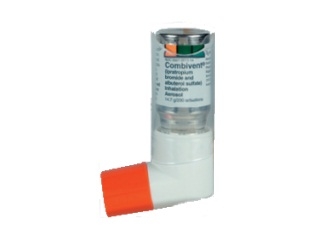
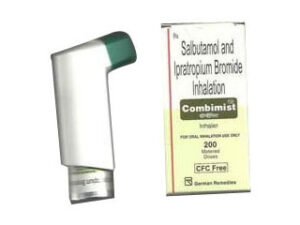
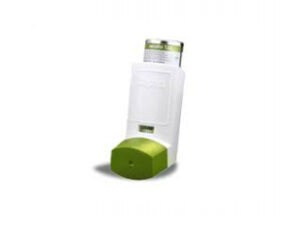
Combivent® (Levosalbutamol / Ipratropium bromide) — Patient Information (Australia)
Combivent is a combination respiratory medicine used to help relieve breathing difficulties in people with certain long-term lung conditions. It contains two active ingredients: levosalbutamol and ipratropium bromide. Together, they work in complementary ways to improve airflow and reduce symptoms such as wheeze, breathlessness and shortness of breath.
This guide explains how Combivent works, how it is used, what to expect, and key safety information. It is written to be easy to understand and suitable for online pharmacy visitors in Australia.
Quick Overview
- Brand name: Combivent®
- Active ingredients: Levosalbutamol + Ipratropium bromide
- Medicine type: Bronchodilator combination
- Common uses: Relief of breathing symptoms in chronic obstructive pulmonary disease (COPD) and related conditions, as advised by your clinician
- How it works: Opens airways (levosalbutamol) and reduces airway spasms/secretions (ipratropium)
- Typical form: Inhaler (device type may vary by product presentation)
Always use your specific inhaler device exactly as instructed for that product.
How Combivent Works (Mechanism of Action)
Combivent is designed to target airway narrowing using two mechanisms:
-
Levosalbutamol (a fast-acting beta-2 agonist):
Levosalbutamol stimulates beta-2 receptors in the smooth muscle of the airways. This helps relax the airway muscles, leading to bronchodilation (widening of the air passages). It can also reduce bronchospasm and improve airflow. -
Ipratropium bromide (an antimuscarinic / anticholinergic):
Ipratropium blocks muscarinic receptors (particularly M3) in the airways. This reduces cholinergic bronchoconstriction and can help decrease mucus-related airway tightening. The result is additional bronchodilation and improved breathing.
Using a beta-agonist and an antimuscarinic together can provide symptom relief when either component alone is not enough.
Pharmacokinetics (How the Body Handles It)
Because Combivent is administered by inhalation, much of the effect occurs in the lungs. Exact measurements vary between individuals and device technique.
- Absorption: After inhalation, levosalbutamol and ipratropium are delivered to the airways. A portion may reach the lungs, while some may deposit in the mouth/throat and be swallowed.
- Onset of action: Bronchodilator effects are generally felt within minutes due to direct delivery to the airways.
- Distribution: The medicine acts locally in the lung tissue to relieve bronchoconstriction.
-
Metabolism and elimination (general):
Levosalbutamol is metabolised (processed by the body) and then eliminated primarily via urine.
Ipratropium has limited systemic absorption compared with inhaled dose; metabolism occurs mainly through hepatic pathways and elimination is largely renal.
In general, because systemic absorption from inhalation is relatively limited (especially for ipratropium), side effects that depend on whole-body exposure are less common than with some other formulations—though they can still occur.
Typical Use in Australia (Indications)
Combivent is used as a bronchodilator to relieve breathing symptoms in adults with conditions such as chronic obstructive pulmonary disease (COPD) and related obstructive airway disease, where a combination bronchodilator is appropriate.
Your doctor or pharmacist will advise which condition(s) apply to you and how often to use the inhaler based on severity of symptoms, lung function, and response to treatment.
Dosing and When to Take It (Timing)
Dosing can depend on the specific inhaler presentation and your individual treatment plan. For online pharmacy information, the key is to follow your prescriber’s or pharmacist’s instructions and the directions on the product packaging.
| Situation | Typical approach (general guidance) | What to remember |
|---|---|---|
| Ongoing symptom control | Used regularly as part of your airway treatment plan (exact schedule varies) | Do not change frequency without advice. |
| Worsening symptoms (“flare”) | May provide relief when you feel symptoms increasing | If you need it much more often than usual or symptoms do not improve, seek medical advice urgently. |
| Missed dose | Use when you remember unless it is close to your next dose | Do not double up. |
Correct timing and inhaler technique can make a difference to how well Combivent works. If you are unsure about your technique, ask your pharmacist for a demonstration.
How to Use Combivent Safely and Effectively (Practical Tips)
Combivent is an inhaled medicine, meaning the technique matters. The steps below are general—follow the instructions provided with your exact device.
- Use as directed: stick to your scheduled dosing and any “as needed” plan you have been given.
- Shake if required: some inhalers need shaking. Follow the packaging instructions.
- Breathe out fully first: before inhaling the dose, breathe out gently (away from the mouthpiece).
- Seal lips around mouthpiece: ensure a good seal to prevent leaks.
- Start a slow, deep inhalation: begin breathing in slowly as you activate the device.
- Hold your breath briefly: hold for about 5–10 seconds if comfortable, then breathe out slowly.
- Wait between puffs: if more than one puff is prescribed, wait about 1 minute (or as instructed) between doses.
- Clean the mouthpiece: keep it clean and dry according to the product instructions.
- Track dose use: if you’re frequently running out early, your treatment plan may need review.
If you use a spacer (where relevant to your device), ask your pharmacist whether it is appropriate for your Combivent inhaler presentation.
Food Interactions
Combivent is administered by inhalation, and it is generally not affected by food directly. This means you can usually take it regardless of meals.
- Swallowed residue: Some inhaled medication may be swallowed after use. However, this typically does not require meal timing changes.
- Practical tip: If your inhaler causes mouth dryness or irritation, rinsing or gargling after use may help (especially if you also use inhaled corticosteroids).
If you are unsure or have a complex medication routine (e.g., feeding tubes or special diets), ask your pharmacist for tailored advice.
Alcohol and Medicine Interactions
Alcohol is not known to directly interact with Combivent in a way that would make the combination categorically unsafe for most people. However, alcohol can worsen breathing in some individuals by affecting coordination, sleep quality and overall respiratory function—particularly in people with COPD or other lung disease.
- Consider reducing alcohol: If alcohol makes your symptoms worse, you may benefit from limiting intake.
- Be cautious with sedation: Alcohol combined with other medicines that make you drowsy can increase risk of falls or impaired breathing.
- Hydration and nutrition: Dehydration can contribute to thick mucus; staying hydrated may help maintain airway comfort.
For medicine interactions, the most important considerations are medicines that affect heart rate, potassium levels, or beta-agonist effects.
Important Medicine Interactions
The combination nature of Combivent means interactions can involve either ingredient. Always tell your pharmacist or doctor about all medicines you use, including over-the-counter products and herbal supplements.
-
Other beta-agonists (e.g., salbutamol/other “reliever” inhalers):
Using multiple beta-agonist medicines together may increase the likelihood of side effects such as tremor or faster heart rate. -
Other anticholinergics:
Combining ipratropium with other anticholinergic medicines may increase effects like dry mouth or urinary retention in susceptible people. -
Non-selective beta blockers (e.g., some older heart medicines):
These can reduce the effectiveness of beta-agonists. If you take a beta blocker, ask your clinician which type you are prescribed. -
Diuretics (“water tablets”) and corticosteroids:
Some can affect potassium levels. Low potassium (hypokalaemia) can increase risk of rhythm problems in certain situations, especially if you use bronchodilators frequently during exacerbations. -
Medicines affecting heart rhythm (antiarrhythmics) or QT-prolonging medicines:
In some people, beta-agonists may contribute to rhythm risk, particularly with high doses. A clinician should consider your overall medication profile.
Seek urgent care if you experience chest pain, fainting, severe palpitations, or significant worsening breathlessness.
Safety Profile and Side Effects
Like all medicines, Combivent can cause side effects. Many are mild and improve as your body adjusts. If you experience any serious reactions or symptoms that worry you, contact a healthcare professional promptly.
Common or expected side effects
- Tremor
- Nervousness or jitteriness
- Headache
- Dry mouth
- Throat irritation
- Muscle cramps (may occur with changes in electrolytes)
- Fast heartbeat (palpitations)
Less common but important side effects
-
Worsening breathing or paradoxical bronchospasm (rare)
If this happens, stop use and seek urgent advice. -
Heart rhythm changes
Get urgent medical help if you have severe palpitations, dizziness, or fainting. - Urinary retention or difficulty passing urine (more likely in men with enlarged prostate)
-
Eye effects (if mist gets into the eyes): blurred vision, eye pain, or halos around lights
This is uncommon but important—rinse eyes with water and seek medical advice if symptoms occur.
When to seek urgent help
In Australia, call 000 or seek emergency care if you have severe breathlessness, bluish lips/face, inability to speak full sentences, severe chest pain, or collapse.
If symptoms are worsening and you are needing your reliever much more often than usual, contact your healthcare provider urgently—this can indicate an exacerbation that may require additional treatment.
Special Populations (Who Should Be Extra Careful)
- Heart conditions or arrhythmias: beta-agonist effects can influence heart rate.
- High blood pressure: your clinician may monitor you for changes.
- Diabetes: beta-agonists can affect blood sugar in some people.
- Thyroid disease: may increase risk of palpitations.
- Glaucoma (especially narrow-angle): anticholinergic effects can precipitate eye problems if mist enters the eye.
- Prostate enlargement / urinary retention: ipratropium may worsen urinary symptoms in some.
- Pregnancy and breastfeeding: use depends on clinical assessment of benefit versus risk—ask your healthcare professional.
- Children: use is generally for adults; dosing in children should only be per clinician instructions.
Recent Guidance and Clinical Context (Australia)
In Australia, COPD and related obstructive airway disease management commonly follows guidance from respiratory and primary care bodies. In general terms, treatment plans may include:
- Regular maintenance therapy (for example, long-acting inhalers where appropriate)
- Reliever/rescue medication for symptoms and exacerbations
- Action plans for flare-ups
- Smoking cessation support and vaccination
Combivent may be used where a combination short-acting bronchodilator is part of symptom management. Your clinician may review your inhaler regimen periodically and adjust based on control, exacerbation history and lung function.
Because COPD treatment is individual, the “best” regimen varies. If your symptoms are not well controlled, discuss options rather than simply increasing dose yourself.
Alternative Options
There are other inhaled bronchodilators available in Australia. Alternatives depend on your specific diagnosis, severity, and symptom pattern. Common categories include:
- Single-agent short-acting bronchodilators (e.g., short-acting beta-agonists or short-acting antimuscarinics)
- Long-acting bronchodilators (often used as maintenance therapy in COPD, such as long-acting beta-agonists and/or long-acting muscarinic antagonists)
- Combination inhalers for maintenance (for example, long-acting bronchodilator combinations; sometimes paired with inhaled corticosteroids where indicated)
- Other inhaler delivery devices depending on technique and preferences
If Combivent no longer provides enough relief or causes side effects, ask a pharmacist or doctor about suitability of other bronchodilators, including long-acting options that may improve day-to-day control and reduce exacerbations.
Delivery and Availability in Australia
Combivent availability may vary by pharmacy and brand supply. Many online pharmacies in Australia stock respiratory medicines and can provide home delivery where eligible.
- Stock status: Availability can change, especially for specific inhaler pack sizes.
- Delivery timeframes: Delivery depends on your location and the courier service used.
- Packaging: Medicines are typically dispatched in protective packaging to prevent damage.
- Cold chain: Combivent inhalers generally do not require refrigeration, but always follow product storage instructions.
If you need Combivent urgently (for example, during a symptom flare), check with the pharmacy regarding current dispatch times and alternative nearby pickup options (if offered).
Storage and Handling
- Store at room temperature unless the label says otherwise.
- Protect from heat and moisture.
- Keep out of reach of children.
- Check the expiry date before use.
- Do not use beyond expiry.
If your inhaler appears damaged, missing a cap, or doesn’t deliver correctly, don’t keep using it—ask your pharmacist for advice.
Frequently Asked Questions (FAQ)
1) Is Combivent a reliever or a maintenance inhaler?
Combivent is a bronchodilator combination that can be used to relieve breathing symptoms as part of an overall treatment plan. Whether you use it as part of regular therapy, “as needed,” or both depends on your specific condition and instructions from your clinician.
2) How quickly will Combivent work?
Inhaled bronchodilators typically begin working within minutes. If you don’t feel any improvement, or your breathing rapidly worsens, contact a healthcare professional. Do not ignore severe symptoms.
3) What if I need Combivent more often than usual?
Needing it much more frequently can signal worsening disease control or an exacerbation. Speak to your clinician promptly for an action plan and medication review.
4) Can I use Combivent with other inhalers?
Many people use multiple inhalers (for example, controller medicines and relievers). Always follow your personalised plan. If you’re using multiple bronchodilators, ask your pharmacist to check for overlapping ingredients and to ensure correct timing.
5) Should I rinse my mouth after using Combivent?
Rinsing or gargling can help reduce dryness or irritation. While Combivent is not an inhaled corticosteroid, good inhaler hygiene may still improve comfort.
6) Are there any foods I should avoid?
Food does not usually interact with Combivent in a clinically significant way. You can typically take it with or without meals.
7) Can I drink alcohol while using Combivent?
In general, alcohol is not a direct ingredient interaction, but alcohol can worsen breathing in some people. If you notice symptoms worsen after alcohol, consider limiting intake and discuss concerns with your healthcare professional.
8) Who should not use Combivent or should check first?
People with certain conditions—such as glaucoma, urinary retention, significant heart rhythm issues, or those taking interacting medicines like non-selective beta blockers—should check with a clinician. Always review your health history with a pharmacist.
9) What should I do if I accidentally get the mist in my eyes?
If you get medication in your eyes and develop eye pain, blurred vision, or halos around lights, rinse with water and seek urgent advice. Eye effects can be serious.
10) What are some signs that my breathing needs urgent help?
Seek urgent medical attention if you have severe breathlessness, difficulty speaking, chest pain, fainting, blue lips/face, or symptoms that don’t improve after using your inhaler as directed.
Key Takeaways
- Combivent combines levosalbutamol and ipratropium bromide to open airways and reduce bronchospasm.
- It is used to help relieve symptoms in obstructive airway disease, commonly conditions such as COPD, when combination bronchodilation is appropriate.
- Inhaler technique and correct timing are essential for best results.
- Watch for side effects such as tremor, palpitations, dry mouth, and rare eye or urinary problems.
- If symptoms worsen or you need it much more than usual, seek medical advice to manage exacerbations safely.
For personalised advice on your medicines, inhaler technique, and interaction checks, speak with your pharmacist or doctor.