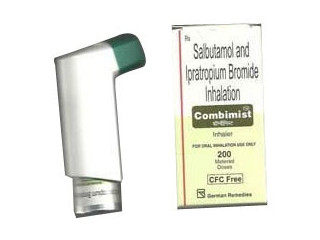

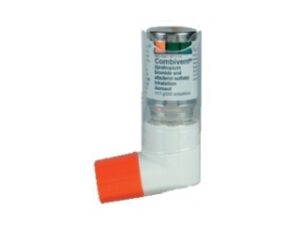
Combimist L Inhaler (for Inhalation)
Combimist L Inhaler is a combination inhaler used to help manage symptoms of certain chronic lung conditions. It delivers medicines directly to the airways, aiming to reduce inflammation and relax bronchial muscles to improve breathing. This page explains how the inhaler works, how to use it properly, what to expect, and important safety information for people in Australia.
Quick product overview
| Feature | What to know |
|---|---|
| Product | Combimist L Inhaler (inhalation) |
| What it’s used for | Management of chronic airway disease such as chronic obstructive pulmonary disease (COPD) and/or asthma as advised by your healthcare professional |
| How it works | Combination of medicines that help open the airways and reduce inflammation |
| Typical dosing | Often taken as regular maintenance doses (frequency depends on the prescribed regimen) |
| Best results | Use consistently, with correct inhaler technique, and follow your action plan |
| Common side effects | Dry mouth, throat irritation, hoarseness, tremor, headache (varies by person) |
Note: Exact ingredient strengths and dosing instructions can vary by product pack and patient profile. Always check the carton and the information provided by your pharmacist or clinician.
What is Combimist L Inhaler?
Combimist L Inhaler is a multi-ingredient inhaled medicine designed to treat ongoing symptoms of airway disease. Because it is inhaled, it acts directly in the lungs, where it can help:
- reduce airway inflammation
- relax airway muscles to improve airflow
- support more stable day-to-day breathing and reduce flare-ups
In many patients, inhalers like Combimist L are used as maintenance therapy—meaning they are intended to be taken regularly to control symptoms over time.
How it works (mechanism of action)
Combimist L is typically a combination inhaler. While the exact components depend on the product version, the mechanism generally reflects two complementary effects:
- Bronchodilation (airway opening): One component helps relax the smooth muscle around the airways. This makes it easier to breathe and reduces wheeze and breathlessness.
- Anti-inflammatory action: Another component helps lower inflammation in the airways. This can reduce symptom severity and frequency of exacerbations.
When used correctly and consistently, these actions can improve lung function and help prevent worsening symptoms.
Pharmacokinetics (how the body handles it)
Because Combimist L is delivered by inhalation, most of the medicine is intended to act locally in the lungs. Overall pharmacokinetic behaviour can include:
- Absorption: A portion of the inhaled dose deposits in the lungs, while some may be swallowed and later absorbed through the gastrointestinal tract.
- Distribution: Medicines that reach the bloodstream may distribute to tissues as determined by their chemical properties.
- Metabolism: Many inhaled medicines undergo metabolism—often in the liver—into active or inactive metabolites.
- Elimination: Clearance occurs primarily through metabolism and excretion via urine and/or bile.
Timing matters: the bronchodilator effect can begin relatively quickly, while anti-inflammatory benefits may build over days to weeks with regular use.
Typical uses and indications
Combimist L Inhaler may be used for maintenance treatment of conditions affecting the airways. Common indications for combination inhaler therapy in Australia include:
- COPD (chronic obstructive pulmonary disease): such as chronic bronchitis and/or emphysema, to help improve breathing and reduce exacerbations.
- Asthma: for patients needing more than one type of controller medicine, when recommended in a personalised asthma action plan.
Important: The inhaler’s exact role (controller vs. reliever, and the appropriate regimen) should be determined by your clinician based on your symptoms, severity, and response to treatment.
When and how to take Combimist L Inhaler (timing guidance)
Combimist L is usually used on a regular schedule rather than only when symptoms flare up. Typical timing patterns may include:
- Once or twice daily depending on the prescribed regimen
- aiming for consistent times each day to maintain control
Do not increase your dose without advice. If you experience worsening breathing, you may need a different or additional reliever treatment as advised in your action plan.
When to expect improvement:
- Breathing relief: may occur within minutes to hours (especially due to bronchodilation)
- Inflammation control: may take longer—often days to weeks—especially for reducing flare-ups
Dosing information (general guidance)
Because individual prescriptions vary, dosing instructions should follow the directions provided with your specific pack and by your healthcare professional. In general, inhaled controller regimens:
- are scheduled (e.g., morning and/or evening)
- have a maximum daily dose you should not exceed
- may be adjusted if symptoms are not controlled or side effects occur
If you miss a dose:
- Take it as soon as you remember if it’s not close to the next dose.
- If it’s almost time for the next dose, skip the missed dose and continue your normal schedule.
- Do not double the dose.
Food interactions
Inhaled medicines like Combimist L are primarily delivered to the lungs. As a result, food interactions are usually minimal. However, because some of the inhaled dose may be swallowed, general digestive-related considerations apply:
- No special fasting or dietary restrictions are typically required.
- If you notice throat irritation or hoarseness, consider rinsing your mouth after use (if appropriate for your product and plan).
If you have swallowing difficulties or experience regular cough after dosing, speak with your pharmacist or clinician—technique changes can help.
Alcohol and medicine interactions
Alcohol can affect breathing patterns and may worsen symptoms of some lung conditions. While it may not directly “react” with inhaled medicines in a typical sense, alcohol can:
- increase dizziness or fatigue in some people
- trigger reflux in some users, potentially worsening cough or asthma symptoms
- impair judgement and reduce adherence to the dosing schedule
Because Combimist L contains more than one medicine, interactions can depend on the exact components. Common interaction themes for inhaled combination therapies include:
- Other medicines affecting heart rate rhythm: Some bronchodilators can influence heart rate. Combining with certain other medicines may increase effects.
- Medicines that affect potassium levels: Some drugs can lower potassium and, in combination with certain inhaled bronchodilators, may increase the risk of rhythm problems.
- Beta-blockers: Non-selective beta-blockers can interfere with bronchodilator effectiveness (selective agents may be different, but this should be clinician-guided).
- Diuretics and steroids: Depending on your other medicines, changes in potassium or steroid effects may be relevant.
Tell your pharmacist if you use:
- heart medications (especially for rhythm or rate control)
- diuretics (“water tablets”)
- antidepressants or other psychotropic medicines
- other inhalers or nebulisers
- regular over-the-counter medicines and herbal products
Alcohol caution: If you choose to drink alcohol, do so in moderation and avoid drinking when you are unwell or your breathing is already unstable. If alcohol worsens symptoms, discuss this with your healthcare team.
Safety profile and possible side effects
Most people tolerate Combimist L well when used correctly. Like all medicines, it may cause side effects. These can vary depending on the dose, inhaler technique, and individual sensitivity.
Common side effects
- throat or mouth irritation
- hoarseness or voice changes
- dry mouth
- headache
- tremor or jitteriness (more likely if a bronchodilator component is strong or dosing is higher than needed)
- cough shortly after inhaling (sometimes technique-related)
Less common but important side effects
- palpitations (awareness of heartbeat)
- muscle cramps
- worsening chest tightness (rare; technique or asthma/COPD control issues may contribute)
- thrush (oral fungal infection), particularly with inhaled steroid-containing regimens
Seek urgent medical help if you have
- severe trouble breathing or wheezing that doesn’t improve
- swelling of the face, lips, tongue, or throat
- hives, rash with breathing difficulty, or signs of a severe allergic reaction
- chest pain, fainting, or severe palpitations
Practical use tips (how to get the best results)
Correct inhaler technique is one of the most important factors affecting how well the medicine reaches your airways. While every inhaler device can differ, these general tips can help:
- Use the inhaler as directed for your device type (metered-dose inhaler vs. dry powder vs. other styles).
- Check your inhaler routinely for expiration and whether the dose counter indicates remaining doses (if applicable).
- Coordinate pressing and breathing (for spray-type inhalers) or inhale deeply and forcefully (for dry powder inhalers, depending on device instructions).
- Hold your breath briefly after inhaling (typically 5–10 seconds if you can) to allow deposition in the lungs.
- Rinse and spit after use if your inhaler includes an inhaled steroid component and your pharmacist/plan advises it (helps reduce risk of thrush).
- Keep spacer use in mind: If your clinician recommends a spacer (particularly for inhaler spray types), using one can improve delivery and reduce throat irritation.
- Report technique difficulties—many people can improve after a short demonstration.
If you’re switching from another inhaler: ask your pharmacist to review the new device with you. Even small technique differences can affect dosing.
What to do if symptoms worsen
If your breathing becomes more difficult, you may experience a flare. Controller inhalers like Combimist L are not usually intended to rapidly relieve sudden severe symptoms. If you have an asthma action plan or COPD action plan:
- follow the steps in your written plan
- use your recommended reliever medication if instructed
- contact your healthcare professional if symptoms are not improving or you need relief more frequently
Seek urgent care if you are struggling to speak full sentences, experiencing severe chest tightness, or your reliever is not helping.
Alternative treatment options
Depending on your diagnosis (asthma vs. COPD), severity, and response, clinicians may consider other inhaled therapies. Alternatives may include:
- Different controller inhalers (e.g., inhaled corticosteroid alone, or other combinations)
- Long-acting bronchodilators (such as long-acting beta agonists and/or long-acting muscarinic antagonists)
- Short-acting relievers for rapid symptom relief (used as directed)
- Nebuliser treatments in some cases (especially if inhaler technique is difficult)
- Non-medicine options such as smoking cessation support, pulmonary rehabilitation for COPD, and inhaler education
Your pharmacist can explain what changes are being considered and whether they are clinically equivalent, but any switch should be guided by your healthcare professional.
Market and legal context for Australia
In Australia, inhaler medicines are regulated under the TGA (Therapeutic Goods Administration) and must meet quality, safety, and performance standards. Medicines may be supplied through pharmacies according to their scheduling and product information.
For online purchasing, reputable Australian pharmacies follow requirements intended to ensure safe supply, including:
- checking eligibility to dispense the medicine appropriately
- supplying consumer medicines information (CMI) where required
- providing guidance on safe use, storage, and side effects
- encouraging customers to consult a pharmacist for questions
Recent guidance (general): Australian respiratory care continues to emphasise correct inhaler technique, adherence to controller therapy, and the importance of using written asthma/COPD action plans. Updated clinical practice is regularly reviewed through national guidance and specialist bodies. Your pharmacist can summarise what is currently recommended for your condition and device type.
Delivery, availability, and storage (Australia)
Delivery and availability: Stock availability can vary by brand and strength. When ordering from an Australian online pharmacy, delivery timing depends on location and courier service. Most pharmacies provide:
- estimated dispatch times
- delivery time estimates based on your postcode
- tracking details once shipped
Storage: Keep the inhaler according to the label instructions. In general:
- store at controlled room temperature unless otherwise stated
- protect from moisture and direct heat
- keep out of reach of children
If your inhaler appears damaged, has an unexpected odour, or you suspect it’s not working correctly, do not use it—return or contact your pharmacy for advice.
FAQ about Combimist L Inhaler
1) Is Combimist L a reliever or a controller?
Combimist L is usually used as a controller/maintenance inhaler to help manage symptoms over time. It may provide some symptom relief, but sudden severe symptoms are typically treated with a reliever medicine as directed by your action plan.
2) How long does it take to work?
Some breathing improvement can occur soon after use due to bronchodilation. However, the full benefits—especially reduced airway inflammation and fewer flare-ups—often take days to weeks with regular use.
3) What if I feel my symptoms are getting worse?
Check your inhaler technique, ensure doses aren’t missed, and follow your asthma/COPD action plan. If you need your reliever more often than usual or your breathing is deteriorating, contact your healthcare professional promptly.
4) Do I need to rinse my mouth after using it?
If your inhaler includes an inhaled steroid component, rinsing and spitting after use may reduce the risk of thrush and hoarseness. Follow the guidance provided with your product or by your pharmacist.
5) Can I use Combimist L with other inhalers?
Many people use more than one inhaler, but the combination must be planned to avoid duplicating therapies or missing a reliever. Tell your pharmacist what you currently use (including nebulisers, over-the-counter inhalers, and any as-needed medications).
6) Are there any food interactions?
Food interactions are generally minimal for inhaled medicines. However, technique and swallowed medication can affect throat comfort. If you notice cough after inhaling, ask about inhaler technique and whether a spacer may help.
7) Can I drink alcohol while using Combimist L?
Moderation is advised. Alcohol can worsen breathing symptoms for some people and may increase dizziness or fatigue. If alcohol triggers cough or breathlessness, avoid it and discuss this with your pharmacist or clinician.
8) What side effects are most common?
Common effects include throat irritation, hoarseness, dry mouth, headache, and sometimes tremor or jitteriness. If side effects are persistent or worsening, seek advice.
9) When should I stop using it and get medical help?
Do not stop suddenly without advice. Seek urgent medical help for severe allergic reactions, significant worsening breathing, or chest pain and severe palpitations.
10) How should I store my inhaler?
Store as directed on the label, typically at room temperature away from moisture and heat, and keep it out of children’s reach.
Important reminder
Always use Combimist L Inhaler exactly as directed for your individual situation. If you have questions about proper inhaler technique, expected effects, or whether your current medicines may interact, speak with a pharmacist. Correct use can make a substantial difference to symptom control and long-term respiratory health.