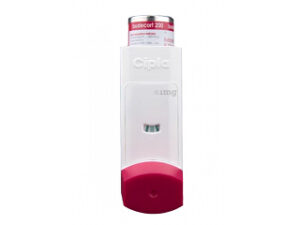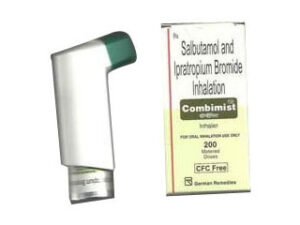
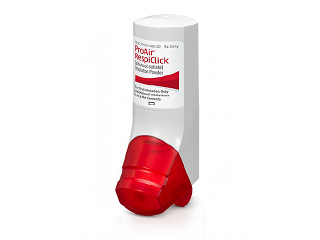
Proair Inhaler (Salbutamol / Albuterol)
Proair Inhaler is a fast-acting “reliever” medicine used to relieve breathing difficulties caused by conditions such as asthma and chronic obstructive pulmonary disease (COPD). It contains salbutamol (albuterol), which works quickly to open the airways and make breathing easier.
This patient-friendly guide explains how Proair Inhaler works, when it’s used, how to take it safely, what to expect, and important safety information. It is written for people in Australia and reflects general consumer guidance. Always follow the instructions provided with your medicine and consult a healthcare professional for personalised advice.
Basic Product Information
| Item | Details |
|---|---|
| Medicine name | Proair Inhaler |
| Active ingredient | Salbutamol (Albuterol) |
| Type | Short-acting beta2-agonist (SABA) reliever inhaler |
| How it’s used | Inhalation into the lungs |
| When it helps | Sudden wheeze, shortness of breath, chest tightness (reversible bronchospasm) |
| Expected onset | Often within minutes |
| Typical duration | Several hours for many people (often up to ~4–6 hours) |
How Proair Inhaler Works (Mechanism of Action)
Salbutamol belongs to a group of medicines called beta2-adrenergic agonists. When you breathe it in, it targets beta2 receptors in the smooth muscle lining the airways.
- Relaxes airway smooth muscle → helps open narrowed airways.
- Reduces bronchospasm → improves airflow.
- May also reduce airway swelling to some extent, though its main benefit is rapid bronchodilation.
Because it works quickly, Proair Inhaler is used to relieve symptoms during flare-ups or sudden breathing difficulty. It does not replace controller medicines for ongoing inflammation (e.g., inhaled corticosteroids).
Pharmacokinetics (How the Body Handles the Medicine)
Inhaled salbutamol primarily acts locally in the lungs. A portion of the dose is deposited in the airways, while some may be swallowed after inhalation.
Absorption and distribution
- Local lung effect occurs rapidly after inhalation.
- Systemic absorption can occur from the lungs and the portion swallowed.
Metabolism
Salbutamol is generally metabolised in the body (primarily in the liver) to less active metabolites. This means the body clears the medicine over time, helping the effect wear off after several hours.
Elimination
Metabolites are excreted mainly through the kidneys (urine). Individual clearance varies depending on age, kidney function, and overall health.
Typical Use and When to Take It
Proair Inhaler is a reliever for symptoms such as:
- Wheezing
- Shortness of breath
- Chest tightness
- Cough related to bronchospasm (often in asthma or COPD)
Timing
For many people, symptom relief begins within minutes after taking a dose. It can be helpful to:
- Use at the first sign of symptoms (e.g., wheeze or tight chest).
- Allow time between puffs if more than one is needed (follow the directions provided with your inhaler or by your clinician).
- Assess response after a short period. If symptoms persist or worsen, seek medical advice promptly.
When it should not be used as the only treatment
If you have asthma or COPD, frequent reliance on a reliever can be a warning sign that your condition is not well controlled. People who regularly need SABA reliever often require review of their long-term management plan.
Indications (What It’s Used For)
Proair Inhaler is indicated for the relief of reversible airway narrowing in conditions such as:
- Asthma (including treatment of acute bronchospasm symptoms)
- COPD where bronchospasm is present and symptoms benefit from bronchodilation
It may also be used before exercise in some people to prevent exercise-induced symptoms, as advised by a healthcare professional.
Dosing: General Guidance
Dosing varies by age, diagnosis, severity, and the specific inhaler strength. Always use the dosing instructions provided with your product and/or by your doctor or pharmacist.
Common dosing patterns (general information)
- Adults and older adolescents: typically a small number of inhalations for symptom relief, repeated only if needed and as directed.
- Children: dosing is often adjusted by age and needs careful instruction, ideally with a spacer if recommended.
Important: If you require frequent doses, have severe symptoms, or are using your reliever more than usual, this should prompt a review of your asthma/COPD management plan.
How to use it properly (step-by-step)
- Check the inhaler: Ensure it is not damaged and that it has been primed if newly opened or not used for some time (follow the instructions for your specific device).
- Breathe out fully away from the mouthpiece.
- Seal your lips around the mouthpiece.
- Press once to release a dose while starting to breathe in slowly and deeply.
- Continue breathing in to fill your lungs.
- Hold your breath for about 10 seconds (or as long as comfortable).
- Breathe out slowly.
- If you need another puff, wait the recommended interval before repeating.
Using a spacer
A spacer can help more medicine reach the lungs and reduce coordination problems, especially for children, older adults, or anyone finding inhalation technique difficult. Ask your pharmacist whether a spacer is recommended for your situation.
Practical Tips for Safer, More Effective Relief
- Know when to seek urgent help: If you have severe difficulty breathing, cannot speak in full sentences, or your symptoms do not improve promptly after using your reliever, seek emergency medical attention.
- Keep track of doses used: Frequent use can indicate worsening control and may require treatment review.
- Check inhaler technique: Even correct medicines may not work well if technique is poor. Consider asking for a demonstration at a pharmacy.
- Keep your inhaler accessible: Store it where you can reach it quickly during symptoms.
- Don’t shake more than directed: If your inhaler requires shaking, do so gently and consistently, according to instructions.
Food Interactions
Salbutamol inhalation generally has no direct interaction with food. However, some dose may be swallowed after inhalation.
- If you experience nausea or stomach upset, taking your doses at a comfortable time relative to meals may help.
- For most people, food does not significantly affect inhaled salbutamol’s performance.
Alcohol and Medicine Interactions
Alcohol
There is no well-known direct “classic” interaction between inhaled salbutamol and moderate alcohol intake. However, alcohol can affect breathing and overall health, and may increase the risk of dehydration, sleepiness, or symptom perception in some people.
- If you notice symptoms worsen after alcohol, consider avoiding or limiting intake and discuss with a pharmacist or doctor.
- Seek advice if you have severe asthma/COPD or other heart conditions.
Medicine interactions (important)
Some medicines can affect how salbutamol works or increase side effects. Key interaction considerations include:
- Beta-blocker medicines (e.g., some treatments for high blood pressure or heart conditions): They may reduce the bronchodilator effect of salbutamol. Non-selective beta-blockers can be particularly problematic.
- Other asthma/COPD medicines: Using additional bronchodilators may increase the overall dose of airway-relieving therapy; follow your plan to avoid overuse.
- Diuretics (“water tablets”) and certain other medicines: High-dose beta2 agonists can sometimes lower potassium levels, which may be more likely with specific medicines that also affect electrolytes. This is more relevant with frequent/high dosing.
- Medicines affecting heart rhythm (antiarrhythmics, some antidepressants, and others): While not always a direct interaction, combined effects on heart rhythm and heart rate can be relevant, particularly if you take higher than usual doses.
- Stimulants (e.g., some decongestants or attention-deficit medicines): These may increase jitteriness or palpitations in sensitive individuals.
If you take any regular medicines, including over-the-counter products, it’s a good idea to check with a pharmacist for interaction advice.
Safety Profile and Side Effects
Most people tolerate salbutamol well when used as directed. However, it can cause side effects, particularly at higher doses or with frequent use.
Common side effects
- Tremor (shaking), often in the hands
- Headache
- Feeling “jittery” or restless
- Fast heartbeat (palpitations)
- Muscle cramps (in some people)
Less common but important side effects
- Irregular heartbeat or worsening chest discomfort
- Worsening shortness of breath (paradoxical bronchospasm is uncommon)
- Low potassium with frequent/high dosing (may contribute to muscle weakness or cramps)
When to get urgent help
Seek urgent medical assistance if you experience:
- Severe breathing difficulty or a serious asthma/COPD flare-up
- Chest pain, fainting, severe dizziness
- Rapid or irregular heartbeat with feeling unwell
- Symptoms that do not improve after using your reliever
Special Cautions
Talk to a healthcare professional before use (or use with extra care) if you have:
- Heart rhythm disorders or significant heart disease
- Uncontrolled high blood pressure
- Hyperthyroidism
- Diabetes (beta2 agonists may affect blood sugar in some people)
- Low potassium history
Alternative Options (Other Relievers and Controllers)
Depending on your condition and symptom pattern, there are alternative treatment options. Your healthcare professional can help decide what fits best.
Reliever alternatives
- Other short-acting beta2 agonists (often similar to salbutamol)
- Ipratropium (a short-acting anticholinergic) may be used in some COPD action plans, sometimes in combination with a SABA, depending on guidance.
Controller medicines (for long-term control)
For asthma, long-term control usually requires anti-inflammatory therapy such as inhaled corticosteroids. If you are using your reliever frequently, your clinician may consider adjusting controller treatment.
Device alternatives
- Different inhaler types (e.g., breath-actuated or dry powder) may be considered based on technique and preference.
- Spacers can significantly improve dose delivery with press-and-breathe inhalers.
If you’re unsure which option is best for you, ask a pharmacist to compare choices and demonstrate correct inhaler use.
Market and Legal Context for Australia
In Australia, medicines are regulated through the Australian Register of Therapeutic Goods (ARTG) and dispensed according to their listing and scheduling status. Inhaler medicines for airway conditions may be available via prescription pathways or other regulated access methods depending on product formulation and local rules.
For safety, online pharmacies in Australia typically provide medication information, product availability details, and may require patient eligibility checks consistent with Australian practice. Always ensure you purchase from a reputable provider and verify the product label matches the correct strength and device type.
Recent Guidance and Control Considerations
Asthma and COPD management guidance in Australia emphasises:
- Reliever use as part of a broader plan rather than as the only therapy.
- Monitoring symptom frequency: frequent reliever use can signal poor control and risk of exacerbations.
- Correct inhaler technique as a key factor for effectiveness.
If you find you need Proair Inhaler more often than usual (for example, increased daytime symptoms, night waking, or increased activity limitation), you should discuss a review of your asthma/COPD management with a healthcare professional.
Delivery and Availability (Online Pharmacy Information)
Availability depends on stock levels and product listings. Common delivery details for Australian online pharmacies may include:
- Home delivery to metropolitan and regional areas (times vary by courier and location).
- Packaging designed to protect inhaler devices.
- Tracking updates once dispatched.
Before ordering, check:
- Product strength and form (confirm it is the correct inhaler brand/device)
- Expiry date and storage requirements
- Delivery timeframes to your postcode
Storage and Disposal
- Store below 30°C unless your specific product label states otherwise.
- Keep out of direct sunlight and away from heat.
- Check the expiry date on the pack.
- Do not puncture or burn inhaler devices, and follow disposal guidance provided by your local pharmacy or council.
FAQ: Proair Inhaler (Salbutamol / Albuterol)
1) How fast does Proair Inhaler work?
Many people notice symptom relief within minutes. If you do not feel better or symptoms worsen, seek medical advice.
2) How many puffs can I take?
Dosing varies. Use the instructions supplied with your inhaler or your action plan. If you need to use it repeatedly, or if you’re using it more frequently than usual, you should have your treatment reviewed.
3) Can I use Proair Inhaler every day?
It depends on your condition and control. Some people use a reliever occasionally, while others may need it during symptoms. If you are using it frequently, that can indicate inadequate control and should prompt a review of your overall treatment plan.
4) Is Proair Inhaler safe for children?
Salbutamol inhalers can be used in children under appropriate guidance. Correct technique (often with a spacer) is especially important. Always use the child-specific dose and instructions.
5) What if I forget to take it?
Proair Inhaler is typically used when symptoms occur. If you forget and symptoms are present, follow your action plan. If symptoms are not present, you usually don’t need to take it routinely.
6) Why does Proair Inhaler sometimes make my heart race or cause tremor?
These effects can occur because salbutamol stimulates beta2 receptors and some can also affect other receptors in the body at sufficient dose. Using the correct technique and dose can help. Seek advice if symptoms are severe.
7) Can I use it with other asthma medicines?
Often yes—many people use a reliever alongside a controller. However, check your specific regimen with your clinician or pharmacist, particularly if you take heart medicines or other inhalers.
8) Does Proair Inhaler work if I have allergies or a cold?
It treats airway narrowing (bronchospasm), which may occur with colds, viral infections, or allergic triggers. If symptoms are persistent, consult a healthcare professional for assessment and possible adjustments to long-term treatment.
9) Should I stop my controller inhaler if I feel better?
No. Proair Inhaler relieves symptoms, but controller medicines treat underlying airway inflammation. Stopping controllers can lead to worsening control.
10) What should I do if my symptoms are not improving?
If you’re not getting relief after using Proair Inhaler as directed, or symptoms are worsening, seek urgent medical advice. Severe asthma/COPD flares require prompt treatment.
Important Reminder
Proair Inhaler can be very effective for quick relief of breathing symptoms. To use it safely and effectively, focus on correct inhaler technique, appropriate dosing, and ongoing asthma/COPD control. If you have any concerns about your symptoms, side effects, or how often you need your reliever, speak with a pharmacist or healthcare professional.