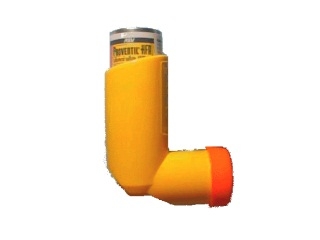
Proventil (Salbutamol) — Patient Information (Australia)
Proventil contains salbutamol, a medicine used to relieve breathing difficulties caused by asthma and other conditions. It works quickly to open the airways, helping you breathe more comfortably during episodes of wheezing, coughing, or shortness of breath.
This page explains how Proventil works, how it’s commonly used, what to watch for, and practical tips to help you get the best benefit from your inhaler. If you have questions about your specific situation, speak with a pharmacist or healthcare professional.
Key product details
| Feature | Information |
|---|---|
| Active ingredient | Salbutamol (also called albuterol) |
| Common form | Inhaler (often a metered-dose inhaler, depending on the specific Proventil product) |
| Type of medicine | Short-acting beta2-agonist (SABA) |
| Main purpose | Fast relief of bronchospasm (opening of airways) |
| Onset (typical) | Often within minutes after inhalation |
| Duration (typical) | Several hours, varying by person and device |
Note: Proventil may be supplied in different inhaler brands or device presentations in Australia. Always check the product label for your exact strength and dosing instructions.
How Proventil works (mechanism of action)
Salbutamol belongs to the group of medicines called beta2-adrenoceptor agonists. When you inhale salbutamol:
- It stimulates beta2 receptors in the smooth muscle of the airways.
- This causes relaxation of the bronchial smooth muscle.
- Airways open, reducing wheezing and tightness.
- Breathing becomes easier and symptoms often improve quickly.
Proventil provides symptom relief and helps during episodes. It does not treat the underlying inflammation that drives many cases of asthma; that typically requires a preventer (such as inhaled corticosteroids), depending on your care plan.
Pharmacokinetics (how the body handles salbutamol)
Pharmacokinetics describes what happens to a medicine after you use it. For inhaled salbutamol:
- Absorption: Most benefit comes from the medicine reaching the lungs. A portion may deposit in the mouth or throat and then be swallowed.
- Distribution: Absorbed salbutamol can enter the bloodstream and act throughout the body.
- Metabolism: Salbutamol is largely metabolised in the liver.
- Elimination: Metabolites are excreted mainly by the kidneys (urine).
- Onset & duration: Because it’s inhaled, onset is usually quick. Duration varies depending on dose, device technique, and your airway responsiveness.
Even though inhaled salbutamol acts mainly in the lungs, some systemic effects (such as tremor or palpitations) can occur—especially with higher doses, frequent use, or poor inhaler technique that leads to more drug being swallowed.
What Proventil is used for (typical use)
Proventil is commonly used to relieve symptoms of conditions that involve reversible narrowing of the airways, such as:
- Asthma — for quick relief of wheezing, coughing, chest tightness, and shortness of breath
- Exercise-induced bronchoconstriction — to reduce symptoms triggered by physical activity (when used as advised)
- Certain COPD symptoms — where reversible bronchospasm is present (depending on individual assessment)
Important: If you find you need your reliever often, it can be a sign that your asthma may not be well controlled. You may need a preventer adjustment or review of your asthma action plan.
Timing: when to take it and when it should work
How quickly Proventil helps depends on how you use your inhaler. In general:
- For relief during symptoms: inhaled salbutamol usually starts working within minutes.
- For exercise-related symptoms: it’s commonly used shortly before exercise, as advised by your clinician or action plan (timing can vary).
- If symptoms persist: follow the dosing instructions on your product label or the plan provided to you. If you’re not improving, seek medical advice urgently.
Practical tip: If your inhaler isn’t helping as expected, check technique or ask a pharmacist to watch you use it. Incorrect technique is a common reason for reduced benefit.
Food interactions
Food interactions are usually not a major concern with inhaled salbutamol because dosing is delivered directly to the airways. However:
- If some inhaled medication is swallowed, it may be absorbed via the digestive tract, but it still generally doesn’t require special timing with meals.
- To reduce taste and throat irritation, you can rinse your mouth after using your inhaler (especially if you use other inhaled medicines like corticosteroids).
If you take other medicines, confirm any specific interactions with your pharmacist. Individual circumstances (including kidney disease or other conditions) may affect how medicines are used.
Alcohol and medicine interactions
Alcohol
There is no universal “must avoid” alcohol rule for salbutamol, but alcohol can affect your breathing and overall control of asthma symptoms in some people. It may also worsen side effects such as headache, dizziness, or heart palpitations in sensitive individuals.
Practical advice: If you notice symptoms get worse after drinking alcohol, reduce intake and discuss with your pharmacist or doctor.
Other medicine interactions
Salbutamol may interact with certain medicines, particularly those that affect heart rate or blood pressure, or those that influence potassium levels.
- Non-selective beta blockers (for example, some medicines used for certain heart or eye conditions) can reduce salbutamol’s effectiveness and may cause bronchospasm. Beta blockers should be discussed carefully.
- Other asthma relievers or medicines with similar effects may increase side effects if used too frequently.
- Diuretics (often “fluid tablets”) can affect potassium levels. Salbutamol can also lower potassium in some cases, and together this may increase the risk of problems related to low potassium.
- Systemic steroids and certain medicines for infections may contribute indirectly to changes in potassium or overall side effects depending on the regimen.
- Other stimulants (including some decongestants) may worsen tremor, palpitations, or nervousness.
Always tell your pharmacist about all medicines and supplements you take, including over-the-counter cold and flu remedies. This helps identify potential interactions safely.
Indications (when Proventil is appropriate)
Proventil (salbutamol) is indicated for relief of bronchospasm in people with reversible airway disease. In practice, it is used for:
- Asthma symptoms needing quick bronchodilation
- Prevention of exercise-induced symptoms in those with known triggers (use timing should follow guidance)
- Symptomatic relief in some patients with chronic obstructive pulmonary disease (COPD), based on clinician advice
Proventil is generally part of a broader asthma or respiratory management plan. If you have asthma, long-term control usually relies on preventers (for example, inhaled corticosteroids), not just reliever medication.
Dosing: common ways Proventil is used
Dosing can vary depending on the specific inhaler strength and patient age. Always follow:
- the directions on your product label, and/or
- your personal asthma action plan, and/or
- your clinician’s instructions
General dosing principles:
- Use the smallest effective dose that controls symptoms.
- Wait the recommended interval between puffs if multiple puffs are advised.
- If your symptoms repeatedly require reliever treatments, this may indicate inadequate control and you should seek review.
Typical approach for acute symptoms: many inhaler plans use a reliever dose, reassessment after a short period, and escalation according to a written plan. If you are not getting relief or symptoms are worsening, seek urgent help.
Do not exceed the maximum dose recommended for your specific product. Overuse increases the risk of side effects and may mask a worsening condition.
Safety profile: side effects and when to seek help
Most people tolerate salbutamol well when used correctly and as directed. However, because it stimulates beta2 receptors (and sometimes affects other receptors), side effects can occur.
Common side effects
- Tremor (shakiness), often in the hands
- Headache
- Fast heartbeat (palpitations)
- Nervousness or feeling “on edge”
- Muscle cramps (sometimes)
- Throat irritation
Less common but important risks
- Low potassium (hypokalaemia) — risk may increase with frequent high doses
- Abnormal heart rhythm (rare)
- Worsening breathing — although uncommon, some people may experience paradoxical bronchospasm or poor response
Seek urgent medical assistance if:
- Your breathing worsens or you’re struggling to speak full sentences
- You need reliever treatment more and more often, or it’s not helping
- Your lips or fingers look blue/grey
- You experience severe chest pain, fainting, or a rapid/irregular heartbeat that doesn’t settle
Children, older adults, and people with heart conditions may be more sensitive to side effects. Extra caution and tailored dosing should be discussed with a pharmacist or clinician.
Practical use tips (for best results)
Correct inhaler technique can significantly improve how much medicine reaches your lungs and reduce side effects. The exact steps depend on your device.
General technique tips
- Check the dose counter (if your device has one) before use.
- Shake the inhaler (if your device requires it).
- Breathe out fully before putting the mouthpiece in place.
- Seal your lips around the mouthpiece.
- Start breathing in slowly and deeply, then press the canister (for metered-dose inhalers).
- Continue to breathe in until fully inhaled.
- Hold your breath for about 5–10 seconds (or as comfortable), then breathe out slowly.
Use a spacer if advised: Many people benefit from a spacer, especially children, older adults, or anyone who struggles with hand–breath coordination. A spacer can improve lung delivery and reduce medicine deposited in the mouth.
After you use it
- If your mouth feels irritated, rinse with water and spit (particularly if you also use an inhaled corticosteroid).
- Keep your inhaler clean and protected from dust.
- Store at recommended temperatures and avoid leaving it in hot cars or direct sunlight.
Know your “control” indicators
Reliever medicine is meant for symptom relief. If you are frequently needing Proventil (for example, several times a week), it may indicate that asthma is not well controlled. Discuss an updated action plan and whether you need a preventer.
Alternative options
Depending on your diagnosis and severity, healthcare professionals may suggest alternative relievers or preventers.
Reliever (quick relief) alternatives
- Other short-acting beta2-agonists (for example, different salbutamol brands or formulations)
- Short-acting bronchodilators like ipratropium in some COPD plans (varies by patient and guideline)
Preventer options (long-term control)
- Inhaled corticosteroids (commonly used for asthma control)
- Combination inhalers (for selected patients)
- Other asthma therapies if symptoms remain uncontrolled (requires clinician assessment)
If you’re unsure which option is appropriate, a pharmacist can help you understand differences between relievers and preventers and how they fit into an action plan.
Market and legal context for Australia
In Australia, medicines are regulated under the Australian regulatory framework. Asthma medicines such as salbutamol are widely available and are supplied in different formats based on the product. Availability and supply conditions can differ between brands and strengths.
For online pharmacy purchases, reputable suppliers follow Australian requirements regarding identification, appropriate product selection, and safe dispensing practices. If your condition requires review or dose adjustments, pharmacists and healthcare professionals may recommend consultation.
Important: Proventil is for use as directed for the condition it’s intended to treat. Incorrect use or over-reliance on reliever medicines can delay appropriate asthma management.
Recent guidance and current best practice (Australia)
Asthma management guidance in Australia commonly emphasises:
- Using a written asthma action plan (including when to step up reliever use and when to seek urgent help)
- Regular review of asthma control if reliever use increases
- Appropriate preventer therapy (often inhaled corticosteroids) to reduce risk of flare-ups
- Inhaler technique training and consideration of spacers to improve effectiveness
Because individual recommendations can vary, it’s best to follow the plan provided by your clinician or pharmacist and to seek review if your symptoms are changing.
Delivery and availability (online pharmacy)
Availability can vary depending on supply and demand. When ordering online, delivery timelines depend on your location and chosen shipping method.
- In-stock status: Check the product page for current availability.
- Delivery estimates: Typically shown at checkout or on the delivery information page.
- Packaging: Medicines should arrive in secure packaging to protect the product.
- Storage on arrival: Store your inhaler as directed on the label (commonly at controlled room temperature and away from excessive heat).
If you need help selecting the correct product strength or device type, a pharmacist can assist with general guidance before you order.
FAQ
1. Is Proventil a preventer or a reliever?
Proventil (salbutamol) is a reliever (a short-acting beta2-agonist). It helps relieve symptoms quickly, but it does not replace preventer treatment such as inhaled corticosteroids for long-term control.
2. How fast will Proventil work?
Many people feel relief within minutes after inhalation. If you don’t feel better or symptoms are worsening, follow your action plan and seek medical help.
3. Can I use Proventil before exercise?
It may be used before exercise for exercise-induced symptoms in some people. The timing and frequency should be based on your action plan or clinician advice.
4. What if I need to use my reliever more often?
Increased reliever use can indicate worsening asthma control. Arrange a review with a pharmacist or doctor. You may need preventer treatment adjustments.
5. Are there food interactions?
Generally, food interactions are not a major issue with inhaled salbutamol. If some medication is swallowed, it typically doesn’t require special meal timing, but follow your usual routine.
6. Can I drink alcohol?
Many people can still drink alcohol in moderation, but alcohol may worsen breathing symptoms for some. If you notice changes, reduce intake and discuss with a healthcare professional.
7. What side effects are most common?
The most common are tremor, headache, and palpitations. These are often dose-related and may lessen as your body adjusts or when used correctly.
8. When should I seek urgent help?
Seek urgent medical assistance if breathing is getting worse, reliever doses are not helping, you cannot speak comfortably, or you have severe chest pain, fainting, or a severe/irregular heartbeat.
9. How do I make sure I’m using my inhaler correctly?
Technique is crucial. If you’re unsure, ask a pharmacist to watch you use your device. A spacer can help improve delivery, especially for children or anyone who struggles with coordination.
10. Are there alternatives to Proventil?
Depending on your needs, there may be other bronchodilators or preventer medicines. Your pharmacist can explain options and how they differ, but the right choice depends on your diagnosis and control level.
Disclaimer: This information is intended to help you understand Proventil (salbutamol). It does not replace advice from a healthcare professional. If you have symptoms that are severe, worsening, or unusual for you, seek medical care promptly.